CONTACT
  • Login
Upgrade
GUSTOwebzine
Advertisement
  • Home
    • Our Authors
    • Subscribe for Free
    • Media Kit
    • Contact
    • Terms and Conditions
    • Cookie Policy
  • Discoveries
    • Chefs
  • Culinary Culture
  • Food & Drinks
  • Cooking Tips
    • Recipes
  • GUSTO Global
  • Insights
  • GUSTO Guide
    • Hotels Worldwide
    • Nightlife Worlwide
    • Restaurants Worldwide
    • Services Worldwide
  • Home
    • Our Authors
    • Subscribe for Free
    • Media Kit
    • Contact
    • Terms and Conditions
    • Cookie Policy
  • Discoveries
    • Chefs
  • Culinary Culture
  • Food & Drinks
  • Cooking Tips
    • Recipes
  • GUSTO Global
  • Insights
  • GUSTO Guide
    • Hotels Worldwide
    • Nightlife Worlwide
    • Restaurants Worldwide
    • Services Worldwide
No Result
View All Result
GUSTOwebzine
No Result
View All Result
Home Culinary Culture

Spice blends from West Africa to try now

From suya to grains of paradise, these 6 West African spice blends will transform everything you cook at home.

A woman carefully grinding aromatic spice blends from Africa using a traditional stone mortar and pestle in a home kitchen

Spice blends from West Africa carry a centuries-old logic of layered heat, deep aroma, and precise seasoning that transforms even the simplest ingredients into something worth studying.

What makes West African spice blends distinctive

The West African flavor profile is characterized by savoriness, punching heat, and aromatic spices. A foundational trio of chili, ginger, and garlic forms the base for most dishes and spice blends across the region. This is not cooking that relies on cream or butter to carry its weight. The seasoning itself does the structural work.

The history of West African spice is tied to centuries of trade, travel, and culinary tradition. Ancient trade routes brought spices like cinnamon, coriander, and cloves into Africa from Asia and the Middle East. Over time, local cooks combined these imported spices with native herbs and chilies to create unique flavors. The 6 blends below represent that craft at its most focused.

GUSTO guide worldwide restaurants, hotels, nightlife, professional services GUSTO guide worldwide restaurants, hotels, nightlife, professional services GUSTO guide worldwide restaurants, hotels, nightlife, professional services

1. Suya spice (yaji)

Suya spice, also known as yaji, is a flavorful and aromatic spice blend traditionally used in West African cuisine, particularly in Nigeria, Ghana, and Cameroon. It is a key ingredient in making suya, a popular street food that consists of skewered, grilled meat seasoned with this distinctive spice mix.

The blend typically includes ground peanuts as the base, along with cayenne pepper or chili powder for heat, paprika for a mild smoky flavor, ginger powder for warmth, garlic powder for a savory pungent note, and onion powder for overall depth. Bouillon powder is sometimes added for an umami boost. Apply it as a dry rub before grilling, or mix it with a small amount of oil to form a paste for deeper penetration into the protein.

2. Pepper soup spice

Pepper soup spice is a savory blend made with alligator pepper (also known as grains of paradise), selim pepper, and calabash nutmeg. This spice is what gives Nigerian pepper soups their powerful and unique flavor.

Each ingredient has a defined role. The alligator pepper delivers a sharp, citrus-edged heat. The selim pepper adds a woody depth. The calabash nutmeg rounds the blend with a warm, slightly sweet finish. Together, they produce a broth of remarkable clarity and aroma. Use this blend early in your cooking process so the flavors integrate fully.

A chef rubbing bold West African spice blends onto skewered meat before placing them over an open flame grill

3. Jollof rice seasoning

Jollof rice is the great West African party dish that sparks friendly rivalry between Nigeria, Ghana, and Senegal. The Nigerian version delivers perfectly cooked rice infused with a rich tomato-pepper sauce and aromatic spices.


-

A woman grinding fresh cilantro and parsley in a mortar while preparing Moroccan chermoula from scratch

How to make Moroccan chermoula from scratch

21/07/2026
A chef carefully pouring chilled soups into a white bowl in a professional kitchen

This 6 chilled soups are worth making this season

17/07/2026
A man pressing flatbreads against the wall of a traditional clay oven, demonstrating the ancient craft of flatbread making.

Why flatbreads appear in every food culture on earth

16/07/2026
A spice vendor in Marrakech souk surrounded by colorful Moroccan cuisine ingredients

Moroccan cuisine: best dishes and flavors

15/07/2026
A woman carefully ladling street food pho broth into a bowl at a home kitchen counter

Street food classics from Southeast Asia

12/07/2026
A fisherman presenting a fresh catch at a coastal market, representing the seasonal freshness at the heart of coastal cuisine

Coastal cuisine lighter in midsummer

11/07/2026

A dedicated jollof rice seasoning is built on the top flavor notes from the West African region, capturing the key taste notes found in a typical Senegalese, Nigerian, or Ghanaian preparation. The seasoning typically combines dried tomato, onion, thyme, and chili with a base of warm spices. Add it to the cooking fat before you introduce the rice, so the heat blooms its aroma into the oil first.

Expert perspective on West African flavor craft

The use of spices in West Africa is its own culinary subfield. Depending on where you are in the region, you will see various spices, both indigenous and imported, used to varying degrees. Some ingredients, such as fermented locust beans, travel from Senegal all the way to Nigeria and form a shared flavor thread across the entire region. Others, like calabash nutmeg or country onion, belong to a more local context. What this means for the serious home cook is that each blend carries a specific geographic identity. To use these spices well, you must first respect what they are and where they come from. A suya rub applied to the wrong protein, or a pepper soup spice added too late in cooking, will not give you the result the tradition intends. Technique and timing are as important as the ingredients themselves.

Industry perspective, West African culinary professionals and spice artisans
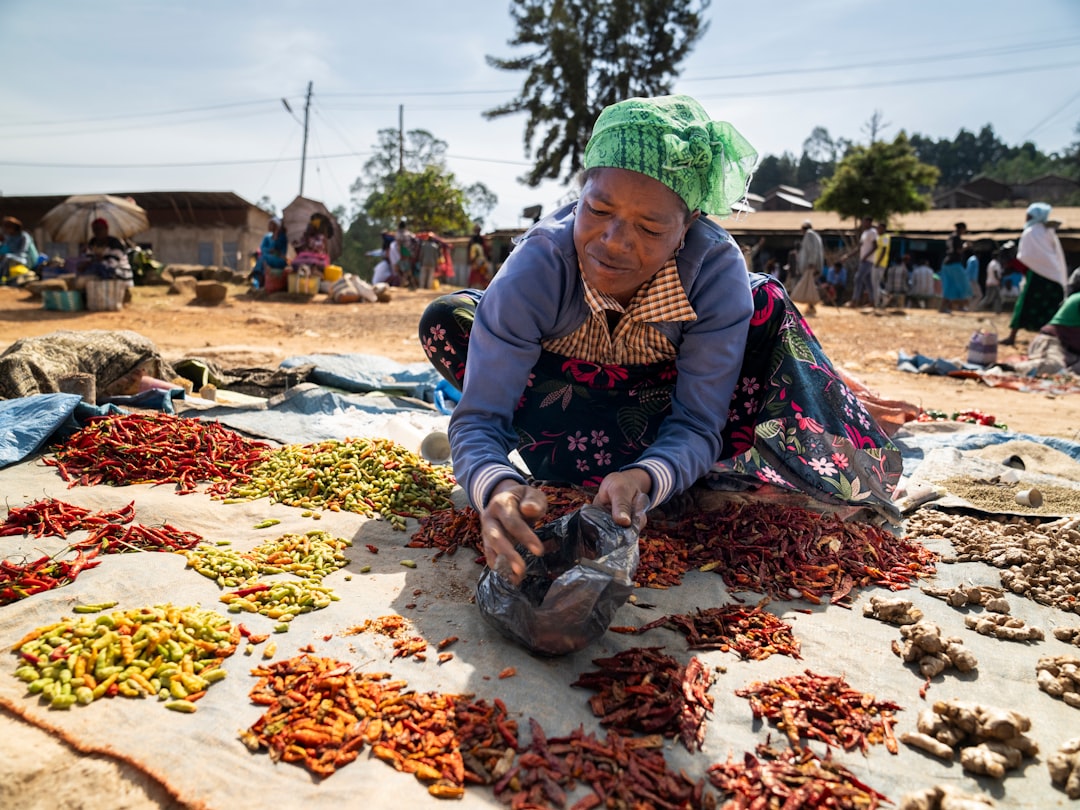
A market vendor in West Africa displaying rows of vibrant spice blends in open sacks at a busy outdoor market stall

4. Banga spice

Banga spice is used primarily in making banga soup. This unique blend is made from oburunbebe stick, beletete, aidan fruit, and chili pepper, and has a mild heat compared to other West African spice blends.

The aidan fruit, known botanically as Tetrapleura tetraptera, contributes a distinctive smoky, resinous aroma that no other ingredient can replicate. This blend suits slow-cooked palm nut soups above all. Its mild heat makes it one of the more accessible West African spice blends for cooks who are new to the region’s flavor tradition.

5. Kan kan kan

Kan kan kan is a spice blend popular in Burkina Faso. It consists of peanut powder, chili powder, allspice, and bouillon cubes. All ingredients are crushed and mixed together to create a blend typically sprinkled over grilled meat dishes. The peanut powder imparts a grassy flavor, the chili powder provides heat, and the saltiness comes from the bouillon cubes.

This blend shares the peanut foundation of suya but takes a lighter, more delicate direction. It functions equally well as a finishing seasoning scattered over grilled vegetables or fish. Keep the grind fine and uniform for even distribution across the surface of the food.

6. Grains of paradise blend

Grains of paradise, known botanically as Aframomum melegueta, is a spice native to West Africa. It has a peppery, citrusy flavor with hints of cardamom and is used extensively in traditional West African cooking. When combined with ginger, clove, and selim pepper into a single blend, grains of paradise become the anchor of a seasoning with uncommon complexity.

It adds a zesty kick to soups, stews, and grilled meats. Its brightness distinguishes it from black pepper, and its floral cardamom note makes it a compelling addition to marinades. Grind it fresh when possible, as the volatile compounds responsible for its aroma dissipate quickly after milling.

These spice blends deserve a place in your kitchen

West African spice blends offer the home cook something rare: a complete flavor architecture built on tradition, precision, and regional identity. Each of the 6 blends presented here carries its own logic, its own moment in the cooking process, and its own irreplaceable character. Spices in this culinary tradition are not merely additives but essential cultural signatures. Begin with suya or jollof rice seasoning to build confidence with these spice blends, then advance to pepper soup spice and banga as your palate develops. The deeper you study West African spice blends, the more clearly you see that flavor at this level is a discipline, not an accident.

Discover more about spice blends

  • Emerging Flavors of Africa: Ingredients and Culinary Trends (IFT Food Technology)
  • Africa Seasoning and Spices Market Report 2025, 2033 (Mordor Intelligence)
  • West African Spices and Their Uses in Global Cooking (Cuisine Noir)

author avatar
Claire Beaumont
Claire Beaumont grew up in Lyon's bouchon culture, where Sunday lunches lasted three hours and every dish told a story. She trained at Institut Paul Bocuse before turning to food writing, covering classical French technique, regional produce, and Europe's evolving restaurant scene. Her work is elegant, precise, and always deeply rooted in the craft behind the plate.
See Full Bio
Previous Post

Bastille Day food traditions around the world

Next Post

Cold noodle bowl for hot summer days

Related Posts

A woman grinding fresh cilantro and parsley in a mortar while preparing Moroccan chermoula from scratch
Culinary Culture

How to make Moroccan chermoula from scratch

21/07/2026
A chef carefully pouring chilled soups into a white bowl in a professional kitchen
Culinary Culture

This 6 chilled soups are worth making this season

17/07/2026
A man pressing flatbreads against the wall of a traditional clay oven, demonstrating the ancient craft of flatbread making.
Culinary Culture

Why flatbreads appear in every food culture on earth

16/07/2026
A spice vendor in Marrakech souk surrounded by colorful Moroccan cuisine ingredients
Culinary Culture

Moroccan cuisine: best dishes and flavors

15/07/2026
A woman carefully ladling street food pho broth into a bowl at a home kitchen counter
Culinary Culture

Street food classics from Southeast Asia

12/07/2026
Next Post
A woman carefully assembling a cold noodle bowl with fresh vegetables and sesame dressing on a bright kitchen counter

Cold noodle bowl for hot summer days

Leave a Reply Cancel reply

Your email address will not be published. Required fields are marked *

Truelang AI Translations Truelang AI Translations Truelang AI Translations
No Result
View All Result

Our Focus

GUSTOwebzine is your international window on food culture: culinary lifestyle, trends, recipes and gastronomic stories for a global audience with a passion for exceptional taste.

Our Readers

GUSTOwebzine addresses readers who engage with food culture at a high level: as culinary professionals, passionate home cooks, food entrepreneurs, and tastemakers in their communities.

Our Approach

Recipes, trends, and dining culture are integrated as context and indicators of creativity, identity, and the social forces shaping how the world eats, not standalone content.

Recent Post

  • Rooftop dining in NYC worth booking now
  • Japanese food labels: hidden gluten guide

© 2026 GUSTOwebzine by NOOR & NOOR — part of WEBZINE.world.

Welcome Back!

Login to your account below

Forgotten Password?

Retrieve your password

Please enter your username or email address to reset your password.

Log In
Manage Consent
To provide the best experiences, we use technologies like cookies to store and/or access device information. Consenting to these technologies will allow us to process data such as browsing behavior or unique IDs on this site. Not consenting or withdrawing consent, may adversely affect certain features and functions.
Functional Always active
The technical storage or access is strictly necessary for the legitimate purpose of enabling the use of a specific service explicitly requested by the subscriber or user, or for the sole purpose of carrying out the transmission of a communication over an electronic communications network.
Preferences
The technical storage or access is necessary for the legitimate purpose of storing preferences that are not requested by the subscriber or user.
Statistics
The technical storage or access that is used exclusively for statistical purposes. The technical storage or access that is used exclusively for anonymous statistical purposes. Without a subpoena, voluntary compliance on the part of your Internet Service Provider, or additional records from a third party, information stored or retrieved for this purpose alone cannot usually be used to identify you.
Marketing
The technical storage or access is required to create user profiles to send advertising, or to track the user on a website or across several websites for similar marketing purposes.
  • Manage options
  • Manage services
  • Manage {vendor_count} vendors
  • Read more about these purposes
View preferences
  • {title}
  • {title}
  • {title}
No Result
View All Result
  • Home
    • Our Authors
    • Subscribe for Free
    • Media Kit
    • Contact
    • Terms and Conditions
    • Cookie Policy
  • Discoveries
    • Chefs
  • Culinary Culture
  • Food & Drinks
  • Cooking Tips
    • Recipes
  • GUSTO Global
  • Insights
  • GUSTO Guide
    • Hotels Worldwide
    • Nightlife Worlwide
    • Restaurants Worldwide
    • Services Worldwide

© 2026 GUSTOwebzine by NOOR & NOOR — part of WEBZINE.world.

Not enough quota to unlock this post
Unlock left : 0
Are you sure want to cancel subscription?
Verified by MonsterInsights
enEnglishdeDeutschesEspañolfrFrançaisitItalianoja日本語nlNederlandszh中文
No results