Harvest markets in September offer home cooks something a supermarket never can: a direct, honest portrait of what the land is producing at this precise moment, and a quiet instruction on how to cook with discipline and respect.
How the market becomes a meal plan
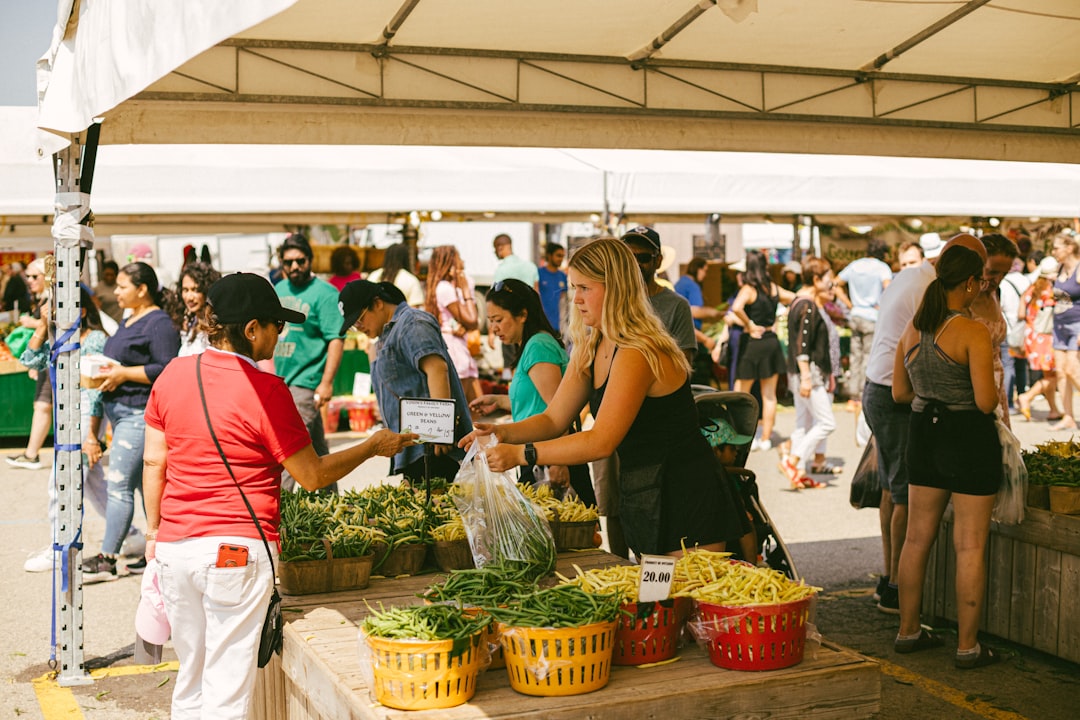
A visit to a harvest market is, in effect, the first act of cooking. The stall determines the menu. This principle, central to classical French cuisine, applies with equal force from a Saturday morning market in Lyon to an open-air produce hall in Osaka. The cook who arrives without a fixed list, but with an educated eye, finds the week’s meals assembling themselves naturally.

By late September, the balance at European markets tilts back toward locals. Restaurant owners walk through with large baskets, searching for vegetables and herbs. The home cook operates by the same logic: observe what is most abundant, most fragrant, and most generously priced. That observation is the foundation of every well-composed dish.
Europe encompasses a range of climate zones, which means the exact timing of seasonal crops varies across countries. A cook in Provence may already be roasting the first pumpkin while a cook in Edinburgh still gathers late summer tomatoes. Both are correct. Both are seasonal.
What European markets reveal in September
Markets in September are still filled with ripe tomatoes, peppers, zucchini, and late-summer fruits, while crisp apples, juicy pears, grapes, pumpkins, and winter squash begin to make their seasonal appearance. For the attentive home cook, this overlap is not a confusion. It is an invitation to cook in 2 registers at once: a last warm salad of tomatoes alongside a first braise of squash.

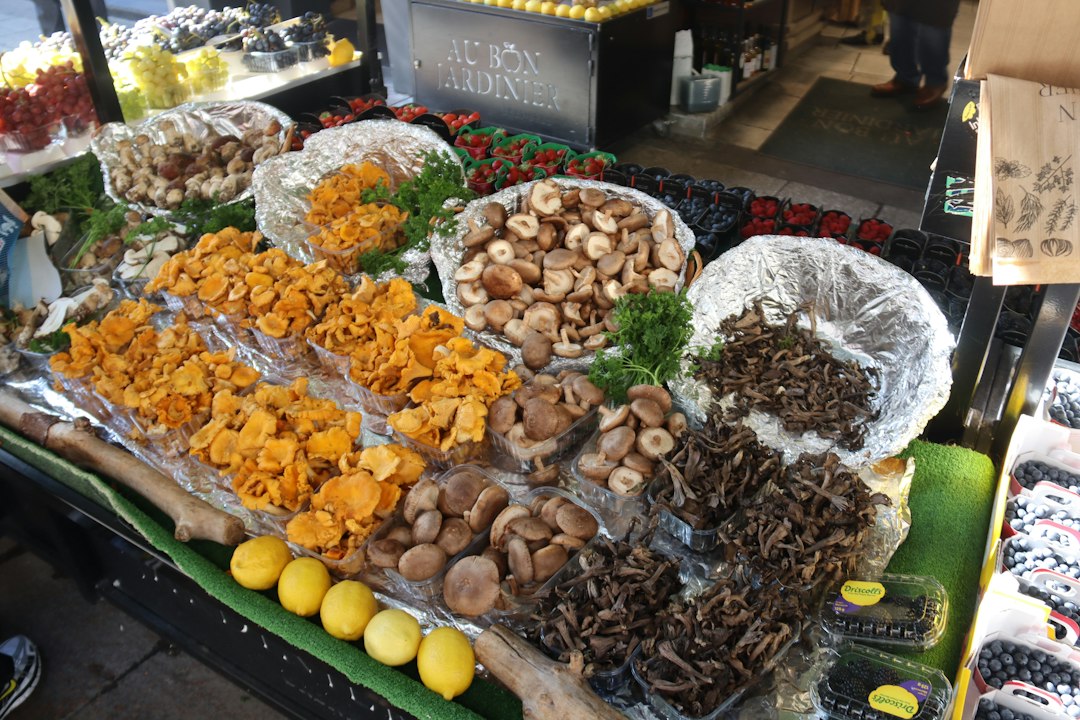
Grapes arrive from the vineyards, mushrooms appear from nearby forests, and kitchens are already cooking with those ingredients by lunchtime. This speed, from earth to table within hours, produces a quality of flavour that no supply chain can replicate. The cook who understands this plans meals around the market calendar, not the other way around.
Many cities celebrate the season with general food festivals. Vienna’s Erntedankfest, for example, brings mountain cheeses, pumpkin-based recipes, and locally made fermented juices back to the markets. These festivals are not merely events. They are catalogues of what to cook in the weeks that follow.
How Asian markets shape the September kitchen
The principle of market-led cooking is equally precise in Asia, though its vocabulary differs. September in Japan signals the beginning of the bountiful autumn harvest season, a period celebrated with an abundance of flavourful produce and cherished cultural traditions. As the weather moves from summer’s warmth to crisp autumn skies, the country comes alive with culinary experiences centred on the gifts of the land and sea.




Matsutake mushrooms are Japan’s most prized produce of the season. Domestic matsutake are harvested in September and October; their earthy, piney fragrance is incomparable. They are often served in rice or clear soup. A home cook who finds matsutake at a farmers’ market does not consult a recipe first. The ingredient instructs the technique.
In China and Vietnam, families gather to enjoy mooncakes during the Mid-Autumn Festival, while Korea celebrates with songpyeon rice cakes. These are not decorative traditions. They are structured acts of seasonal planning, encoding centuries of knowledge about what to prepare, when to prepare it, and how to share it.
Expert perspective on seasonal shopping habits
The home cook who shops at a harvest market learns a discipline that no cookbook fully teaches. The market shows you what is ready, and readiness is the first condition of good cooking. In September, that readiness arrives in waves: first the last tomatoes, then the first wild mushrooms, then the grapes, and finally the root vegetables. Each wave asks for a different technique, a different pace in the kitchen. The cook who follows these waves closely finds that planning becomes almost unnecessary. The produce plans the week for you. This is not a romantic idea. It is a practical system, and it is why market-led kitchens consistently produce food of greater depth and character than those guided only by a fixed shopping list.
Industry perspective, culinary culture and seasonal cooking professionals
How produce shapes the weekly shopping habit
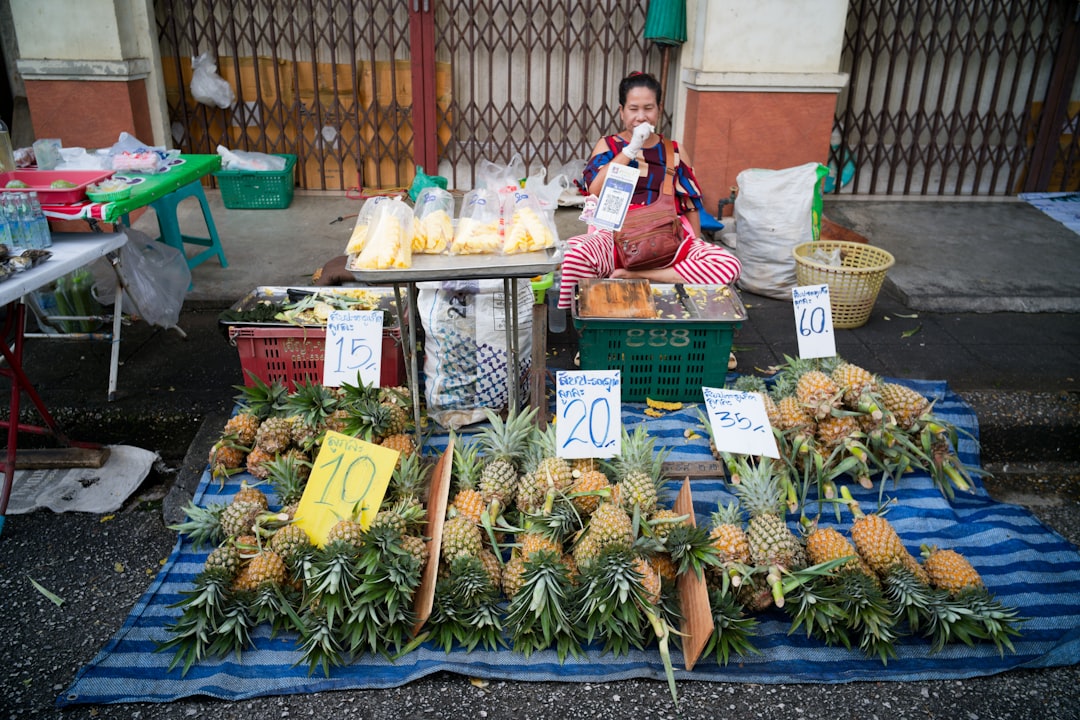
The structure of the harvest market visit itself teaches planning. Visiting local farmers’ markets allows cooks to find freshly harvested fruits and vegetables. These markets often offer the freshest options and allow shoppers to connect with local farmers, learn about farming practices, and discover unique varieties not found in grocery stores.
Choosing items that are in season ensures the best flavour and nutrition while supporting local agriculture. Buying in bulk, especially for items that can be preserved, such as apples for making sauces or jams, extends the pleasure of the season. The classical French approach to preservation, whether a confit, a compote, or a simple conserve, is not nostalgia. It is intelligent seasonal management.
Autumn brings ingredients that will be preserved through winter and enjoyed into the year ahead. This is equally true from a kitchen in Kyoto to one in Brittany. The harvest market is not only a place to shop for tonight. It is a place to stock the months ahead.
Conclusion: why harvest markets still lead the kitchen
Harvest markets remain the most reliable guide a home cook possesses. They do not recommend. They present. The cook’s role is to observe, select, and translate. In September, that translation produces some of the most satisfying meals of the year, because the ingredients arrive at the precise moment of their fullest character. The cook who centres their planning around harvest markets builds a kitchen that is responsive, precise, and deeply connected to the world outside. Return to harvest markets each September, and the question of what to cook will always answer itself.
*Claire Beaumont is a culinary writer for GUSTOwebzine. Her work focuses on classical technique, seasonal produce, and the culture of the table.*
Discover more about harvest markets
- FAO Food Price Index and Global Seasonal Food Trends
- FRUIT LOGISTICA European Statistics Handbook: Seasonal Produce Data
- FoodUnfolded: Early Autumn Harvest Guide for Europe