CONTACT
  • Login
Upgrade
GUSTOwebzine
Advertisement
  • Home
    • Our Authors
    • Subscribe for Free
    • Media Kit
    • Contact
    • Terms and Conditions
    • Cookie Policy
  • Discoveries
    • Chefs
  • Culinary Culture
  • Food & Drinks
  • Cooking Tips
    • Recipes
  • GUSTO Global
  • Insights
  • GUSTO Guide
    • Hotels Worldwide
    • Nightlife Worlwide
    • Restaurants Worldwide
    • Services Worldwide
  • Home
    • Our Authors
    • Subscribe for Free
    • Media Kit
    • Contact
    • Terms and Conditions
    • Cookie Policy
  • Discoveries
    • Chefs
  • Culinary Culture
  • Food & Drinks
  • Cooking Tips
    • Recipes
  • GUSTO Global
  • Insights
  • GUSTO Guide
    • Hotels Worldwide
    • Nightlife Worlwide
    • Restaurants Worldwide
    • Services Worldwide
No Result
View All Result
GUSTOwebzine
No Result
View All Result
Home Culinary Culture

Bread traditions and what they reveal

From ancient flatbreads to UNESCO-protected loaves, bread is the most eloquent record of who we are and how we live.

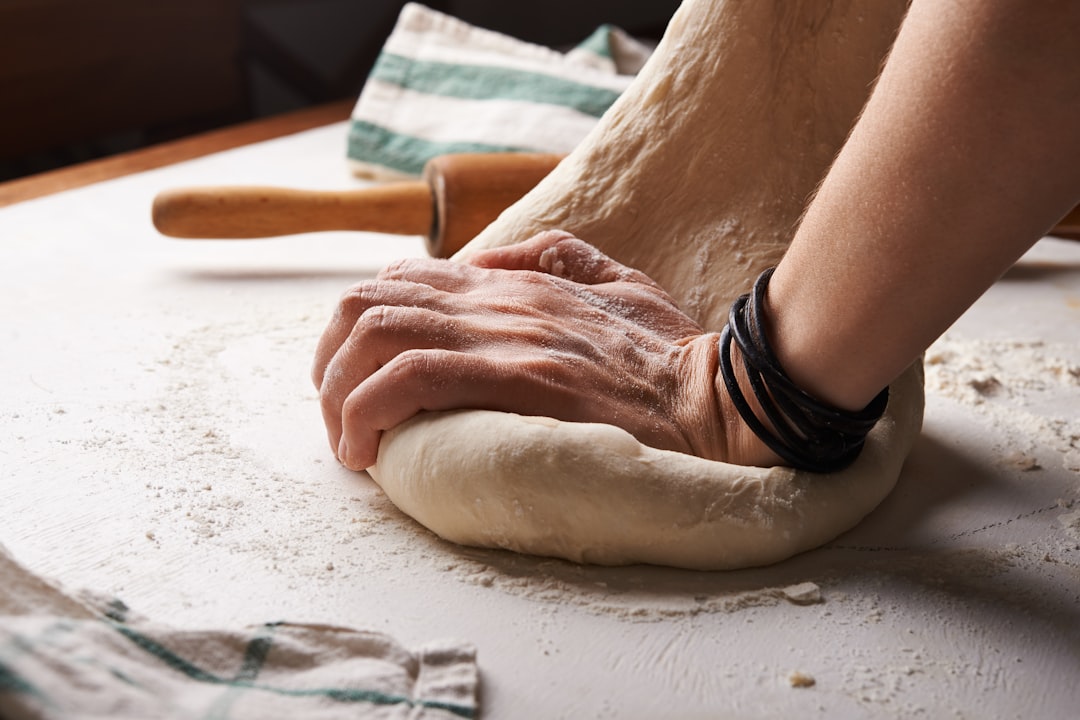
A skilled baker shaping a sourdough loaf by hand, reflecting the craft at the heart of global bread traditions

Bread traditions carry more cultural weight than almost any other food, and every loaf, from an Ethiopian teff injera to a Parisian baguette, is a precise and legible record of the civilization that produced it.

The oldest craft in the human story

The origins of bread reach back to prehistory, when early civilizations first discovered that grain could be ground and transformed into dough. The first breads were almost certainly flatbreads baked on hot stones or over open fires. Then something decisive happened. The ancient Egyptians perfected the art of bread-making through the discovery of natural leavening, a method in which wild yeasts and bacteria ferment the dough to produce a softer, risen loaf.

GUSTO guide worldwide restaurants, hotels, nightlife, professional services GUSTO guide worldwide restaurants, hotels, nightlife, professional services GUSTO guide worldwide restaurants, hotels, nightlife, professional services

That discovery was not simply culinary. It was social. Many anthropologists argue that the ability to sow and reap cereals, the grains necessary for making bread, could be one of the main reasons why early humans settled in communities. A people willing to wait for fermentation is a people willing to plan for the future. Bread traditions, from their very beginning, encoded patience, discipline, and collective effort.

The word “companion” itself comes from the Latin words “com” and “panis,” meaning “with bread.” Language preserves what history sometimes forgets.

How grain and fermentation shape a culture’s character

No 2 cultures bake the same bread, and that difference is not accidental. Each civilization has developed its own bread-making techniques, shaped by the climate, available resources, and local traditions. The ingredients available to a community determine not only its flavors, but also its rhythms, its rituals, and its sense of what a meal should be.

Ingredients usually come from local sources, which gives each bread its own character. A dense rye loaf from Northern Europe will have a completely different taste and feel from an Ethiopian flatbread made with teff flour. The fermentation culture behind each of those loaves reflects centuries of accumulated knowledge. In Ethiopia, injera depends on a sourdough fermentation process that transforms teff into something both nutritious and communal. In Germany, with over 300 varieties, the bread heritage includes hearty rye loaves like pumpernickel and festive pretzels.

Fermentation itself is a kind of cultural patience. A baker who tends a sourdough starter is maintaining a living connection to the generations who managed the same culture before them. Heritage, in the truest sense, lives in the dough.

Bread as a marker of class, politics, and power

Bread has never been neutral. Throughout history, it has separated the powerful from the powerless as clearly as any law or wall. In ancient Egypt, bread not only sustained the living but also accompanied the dead as a provision for the afterlife, illustrating its deep cultural and spiritual significance.

Bread, like body fat, was once a sign of prestige, associated with the wealthy. The whiteness of flour signaled refinement. Coarse grain was the bread of necessity. This distinction persisted across centuries and continents. Bread embodies the stories, struggles, and triumphs of people throughout history, and it has played a key role in social movements, acting as a catalyst for change and an emblem of solidarity.

The grain a nation grows, and the bread its people can afford, remains a reliable measure of economic and political health. Bread traditions are, among other things, a record of who holds power in a society and who does not.
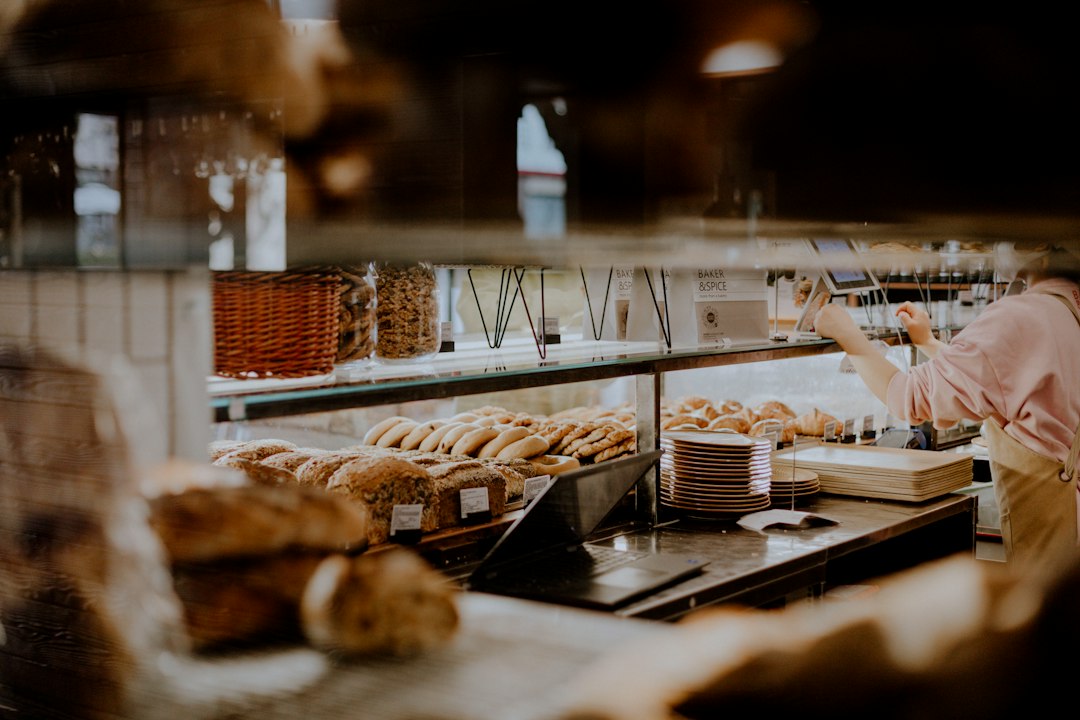
A customer selecting a fresh loaf at a bakery, connecting everyday life to the richness of bread traditions worldwide

An industry perspective on bread, identity, and preservation

Bread traditions represent one of the most direct lines between a community and its past. When we look at a loaf, we are looking at a set of decisions made across many generations: which grain to cultivate, which leavening agent to use, how long to ferment, how hot to bake. Each of those decisions reflects geography, economy, and belief. The artisan baker today is not simply producing food. They are maintaining a form of cultural memory that written records cannot fully capture. What concerns specialists in culinary heritage is the accelerating loss of regional variety. Industrial standardization produces bread that is consistent but culturally silent. A sourdough made with heritage grain and a 48-hour fermentation cycle carries information that a factory loaf simply does not. Protecting bread traditions is not nostalgia. It is the preservation of identity itself.

Industry perspective, culinary heritage and artisan baking professionals

The modern movement to protect what fermentation built

The pressure on traditional bread-making is real and well documented. Globalization has transformed traditional bread-making practices around the world, and industrialization introduced mass production methods, replacing local ingredients with standardized, low-cost options. The result is a narrowing of the extraordinary diversity that bread traditions once represented.


-

A chef carefully building an aromatic base in a pot, preparing a classic one-pot rice dish with layered spices and stock.

One-pot rice dishes with deep flavour

17/09/2026
A chef roasting seasonal root vegetables in a professional kitchen at the autumn equinox, demonstrating classic techniques

Autumn equinox and how cooks rethink heat

16/09/2026
A woman selects seasonal vegetables at harvest markets in Europe during September, with crates of fresh produce arranged.

Harvest markets shape how home cooks shop

12/09/2026
A cook carefully stirring slow cooked beans in a clay pot over a low flame, demonstrating classical technique

Slow cooked beans from five traditions

10/09/2026
A woman carefully tending to a clay pot of fermented vegetables, demonstrating the art of fermentation as food preservation

Fermentation and food preservation worldwide

06/09/2026
A chef carefully plates a bowl of autumn dishes in a professional kitchen, demonstrating classical harvest-season technique

Autumn dishes for harvest-season cooking

05/09/2026

In response, communities and institutions have acted. In 2022, the artisanal know-how and culture of baguette bread was inscribed on UNESCO’s Representative List of the Intangible Cultural Heritage of Humanity. The traditional production process covers weighing, mixing, kneading, fermentation, shaping, and baking, and the baguette is made with only 4 ingredients, from which each baker produces a unique result. UNESCO’s chief noted that this recognition honors not only bread, but the craft knowledge of artisanal bakers and a daily ritual.

In response to the challenges of globalization, local movements are emerging to reclaim heritage through bread-making. Community-supported bakeries and local grain initiatives are gaining ground, emphasizing traditional methods and local ingredients. These movements are not only about food. They foster community connections and promote food sovereignty.

In 2023, the global artisan bakery market was valued at 90.7 billion dollars. It is expected to reach 141.3 billion dollars by 2032, showing a steady rise in appreciation for quality and tradition in baking.
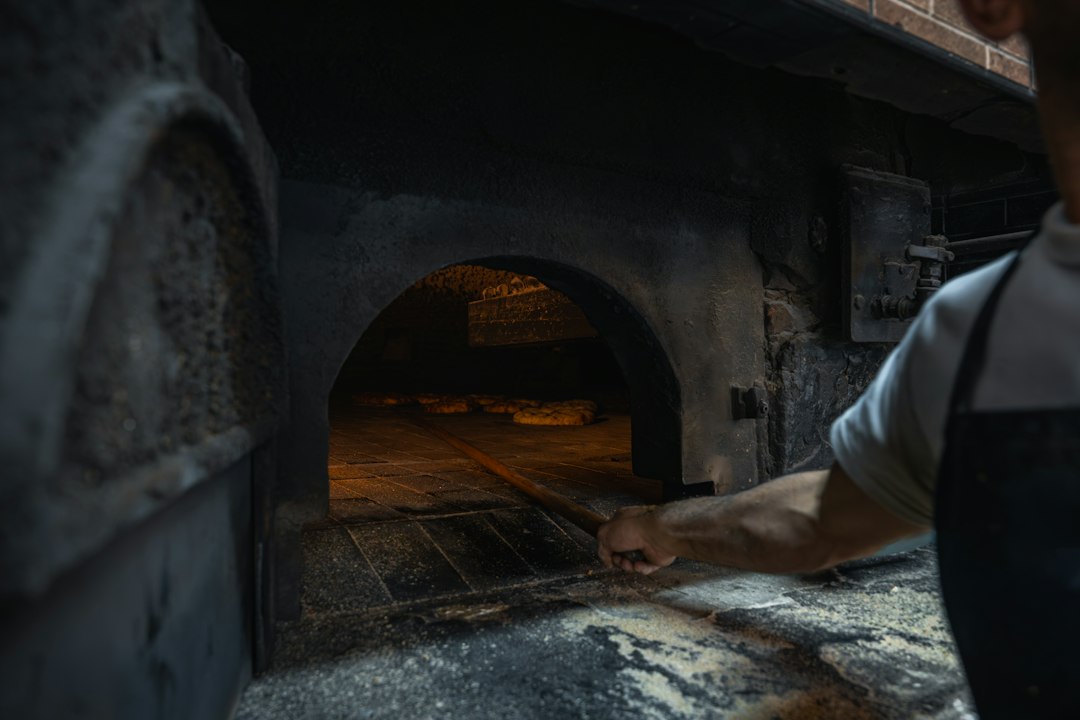
A baker working at a traditional stone oven, practicing bread traditions that have endured across cultures and centuries

Bread traditions as the truest cultural archive

Bread traditions do not simply feed a population. They document it. Every choice a baker makes, from the grain selected to the fermentation time to the shape of the final loaf, reflects the values, the history, and the identity of the culture that taught them to bake. No other food carries that record with such consistency across so many centuries and so many civilizations.

To study bread traditions is to study humanity itself. The reader who picks up a loaf at a local bakery holds, in their hands, a product shaped by geography, economics, belief, and time. At GUSTOwebzine, we invite you to look at the bread on your table not merely as nourishment, but as the most eloquent archive your culture has ever produced. Ask where the grain came from. Ask who fermented it, and how, and why. The answers will tell you everything.

Discover more about bread traditions

  • Artisanal know-how and culture of baguette bread, UNESCO Intangible Cultural Heritage
  • Artisan Bread in Different Cultures Around the World, Food & Hotel Asia Industry Report
  • As Traditional Bakeries Disappear, the French Baguette Receives UNESCO Protection, Smithsonian Magazine

author avatar
Claire Beaumont
Claire Beaumont grew up in Lyon's bouchon culture, where Sunday lunches lasted three hours and every dish told a story. She trained at Institut Paul Bocuse before turning to food writing, covering classical French technique, regional produce, and Europe's evolving restaurant scene. Her work is elegant, precise, and always deeply rooted in the craft behind the plate.
See Full Bio
Previous Post

Gluten-free bakeries NYC: eat well

Next Post

Autumn equinox and how cooks rethink heat

Related Posts

A chef carefully building an aromatic base in a pot, preparing a classic one-pot rice dish with layered spices and stock.
Culinary Culture

One-pot rice dishes with deep flavour

17/09/2026
A chef roasting seasonal root vegetables in a professional kitchen at the autumn equinox, demonstrating classic techniques
Culinary Culture

Autumn equinox and how cooks rethink heat

16/09/2026
A woman selects seasonal vegetables at harvest markets in Europe during September, with crates of fresh produce arranged.
Culinary Culture

Harvest markets shape how home cooks shop

12/09/2026
A cook carefully stirring slow cooked beans in a clay pot over a low flame, demonstrating classical technique
Culinary Culture

Slow cooked beans from five traditions

10/09/2026
A woman carefully tending to a clay pot of fermented vegetables, demonstrating the art of fermentation as food preservation
Culinary Culture

Fermentation and food preservation worldwide

06/09/2026
Next Post
A chef roasting seasonal root vegetables in a professional kitchen at the autumn equinox, demonstrating classic techniques

Autumn equinox and how cooks rethink heat

Leave a Reply Cancel reply

Your email address will not be published. Required fields are marked *

Truelang AI Translations Truelang AI Translations Truelang AI Translations
No Result
View All Result

Our Focus

GUSTOwebzine is your international window on food culture: culinary lifestyle, trends, recipes and gastronomic stories for a global audience with a passion for exceptional taste.

Our Readers

GUSTOwebzine addresses readers who engage with food culture at a high level: as culinary professionals, passionate home cooks, food entrepreneurs, and tastemakers in their communities.

Our Approach

Recipes, trends, and dining culture are integrated as context and indicators of creativity, identity, and the social forces shaping how the world eats, not standalone content.

Recent Post

  • One-pot rice dishes with deep flavour
  • Truffle dinners in NYC this autumn

© 2026 GUSTOwebzine by NOOR & NOOR — part of WEBZINE.world.

Welcome Back!

Login to your account below

Forgotten Password?

Retrieve your password

Please enter your username or email address to reset your password.

Log In
Manage Consent
To provide the best experiences, we use technologies like cookies to store and/or access device information. Consenting to these technologies will allow us to process data such as browsing behavior or unique IDs on this site. Not consenting or withdrawing consent, may adversely affect certain features and functions.
Functional Always active
The technical storage or access is strictly necessary for the legitimate purpose of enabling the use of a specific service explicitly requested by the subscriber or user, or for the sole purpose of carrying out the transmission of a communication over an electronic communications network.
Preferences
The technical storage or access is necessary for the legitimate purpose of storing preferences that are not requested by the subscriber or user.
Statistics
The technical storage or access that is used exclusively for statistical purposes. The technical storage or access that is used exclusively for anonymous statistical purposes. Without a subpoena, voluntary compliance on the part of your Internet Service Provider, or additional records from a third party, information stored or retrieved for this purpose alone cannot usually be used to identify you.
Marketing
The technical storage or access is required to create user profiles to send advertising, or to track the user on a website or across several websites for similar marketing purposes.
  • Manage options
  • Manage services
  • Manage {vendor_count} vendors
  • Read more about these purposes
View preferences
  • {title}
  • {title}
  • {title}
No Result
View All Result
  • Home
    • Our Authors
    • Subscribe for Free
    • Media Kit
    • Contact
    • Terms and Conditions
    • Cookie Policy
  • Discoveries
    • Chefs
  • Culinary Culture
  • Food & Drinks
  • Cooking Tips
    • Recipes
  • GUSTO Global
  • Insights
  • GUSTO Guide
    • Hotels Worldwide
    • Nightlife Worlwide
    • Restaurants Worldwide
    • Services Worldwide

© 2026 GUSTOwebzine by NOOR & NOOR — part of WEBZINE.world.

Not enough quota to unlock this post
Unlock left : 0
Are you sure want to cancel subscription?
Verified by MonsterInsights
enEnglishdeDeutschesEspañolfrFrançaisnlNederlands