CONTACT
  • Login
Upgrade
GUSTOwebzine
Advertisement
  • Home
    • Our Authors
    • Subscribe for Free
    • Media Kit
    • Contact
    • Terms and Conditions
    • Cookie Policy
  • Discoveries
    • Chefs
  • Culinary Culture
  • Food & Drinks
  • Cooking Tips
    • Recipes
  • GUSTO Global
  • Insights
  • GUSTO Guide
    • Hotels Worldwide
    • Nightlife Worlwide
    • Restaurants Worldwide
    • Services Worldwide
  • Home
    • Our Authors
    • Subscribe for Free
    • Media Kit
    • Contact
    • Terms and Conditions
    • Cookie Policy
  • Discoveries
    • Chefs
  • Culinary Culture
  • Food & Drinks
  • Cooking Tips
    • Recipes
  • GUSTO Global
  • Insights
  • GUSTO Guide
    • Hotels Worldwide
    • Nightlife Worlwide
    • Restaurants Worldwide
    • Services Worldwide
No Result
View All Result
GUSTOwebzine
No Result
View All Result
Home Culinary Culture

Warm grain dishes from global kitchens

Eight satisfying recipes built on ancient grains and seasonal roots, drawn from the world's most expressive culinary traditions.

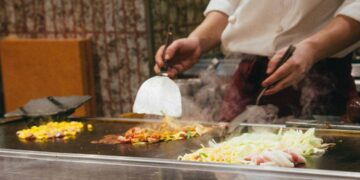
A home cook carefully stirring a warm grain dish in a large pot, surrounded by seasonal root vegetables on a kitchen counter

Warm grain dishes carry a kind of architectural logic: each layer of spice, each root vegetable, each measured pour of stock serves the whole, and the world’s kitchens have been perfecting this logic for centuries.

Why grain and roots belong together

Grains and root vegetables share a natural affinity. Both develop in the earth, both hold heat well, and both accept spice with generosity. Cooks across continents understood this long before nutrition science confirmed the value of combining plant proteins and complex carbohydrates in a single bowl.

GUSTO guide worldwide restaurants, hotels, nightlife, professional services GUSTO guide worldwide restaurants, hotels, nightlife, professional services GUSTO guide worldwide restaurants, hotels, nightlife, professional services

The technique matters as much as the ingredient list. Whether a cook simmers freekeh in lamb broth in Lebanon or toasts farro in dry butter in Tuscany, the foundational logic is the same: build depth through patience. Temperature, time, and sequence are the invisible ingredients.

Seasonal produce sharpens this relationship further. Parsnips, beets, turnips, carrots, and sweet potatoes all reach their peak flavor as the air cools, and each carries a natural sweetness that grain can anchor.

4 warm grain dishes from the East

Persian barley and root soup (ash-e jow). Iran’s great winter soup layers pearl barley with chickpeas, turmeric, dried herbs, and whatever roots the season provides. Cooks finish the pot with kashk, a fermented whey that gives the broth a clean, sour note. The technique is slow, and the result is deeply satisfying.

Japanese sweet potato rice (satsumaimo gohan). This dish pairs short-grain rice with cubed satsumaimo (Japanese sweet potato) and a careful amount of sake and soy. The rice absorbs the starch from the potato as it cooks. Each grain becomes slightly soft at the edge, and the potato remains just firm at the center. Precision is everything here.

Korean nurungji with roasted vegetables. Nurungji is the intentional crisp crust that forms at the base of a rice pot. Korean cooks press cooked grains against a hot surface, allow a golden layer to form, then add water and root vegetables to create a smoky, textured porridge. The spice comes from a careful hand with gochugaru.

Indian rajma chawal with black cardamom. North India’s great red kidney bean and rice pairing is not, strictly speaking, a grain dish with roots, but cooks in the mountain regions of Himachal Pradesh add turnip and parsnip to the tomato-based sauce in cooler months. Black cardamom gives the whole pot a campfire depth that no other spice replicates.

4 warm grain dishes from the West and Africa

Italian farro with roasted beets and Parmigiano. Farro is one of Italy’s oldest grains. Toasted first in a dry pan, then cooked in vegetable stock, it absorbs liquid the way risotto rice does but holds a firmer bite. Roasted beets cut into wedges and finished with aged Parmigiano and a few drops of red wine vinegar balance the grain’s earthy character with acid and richness.

West African jollof with sweet potato. Jollof rice cooked with sweet potato cubes is a seasonal variation practiced in several West African countries. The tomato base is built with blended peppers and onion, then reduced before the rice goes in. The sweet potato softens slowly, absorbing the spiced cooking liquid until it becomes almost part of the grain.

Moroccan millet and root tagine. Millet is not the first grain most cooks associate with the tagine pot, but it works with authority. Cooked separately, it is served alongside slow-braised turnips, carrots, and parsnips seasoned with ras el hanout and a pinch of saffron. The grain drinks the sauce at the table.

Mexican red rice with roasted poblano. Mexican red rice is built on a technique of toasting dry rice in oil before adding tomato, onion, and stock. Roasted and peeled poblano strips folded in near the end add a gentle heat and a smoky sweetness. Paired with braised black beans and a squeeze of lime, it is complete.
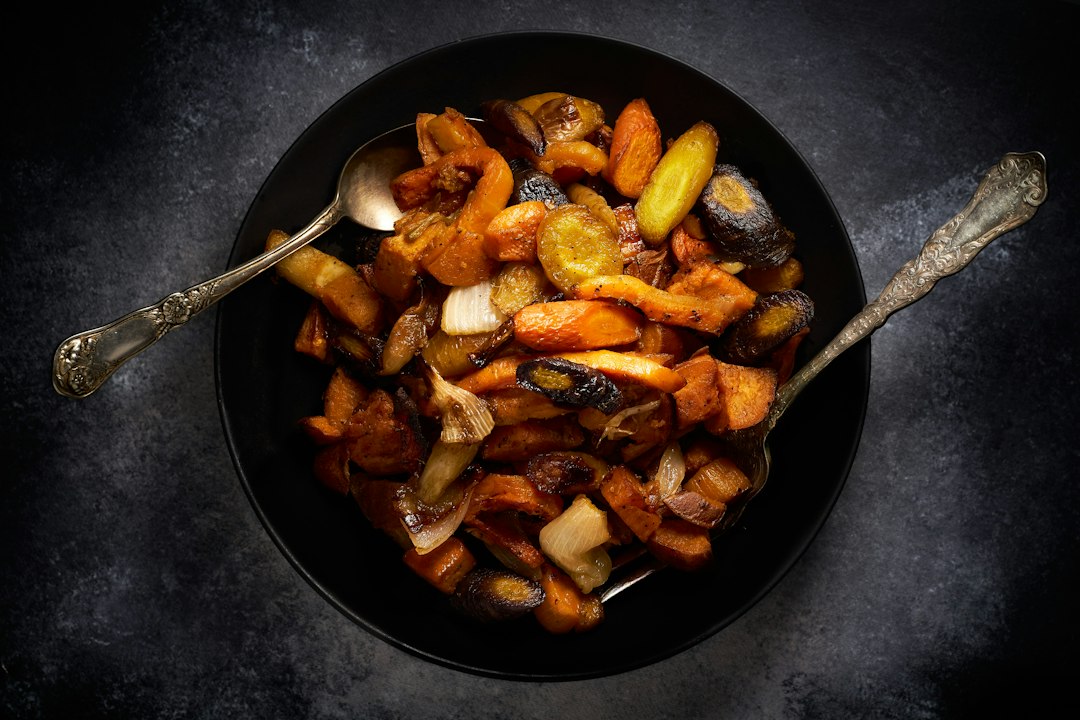

A chef arranging roasted roots and warm grain in a ceramic bowl for an elegant seasonal dinner

-

A chef presents a plate at an international culinary congress, like San Sebastian Gastronomika.

Global cuisine shaped at Gastronomika

23/09/2026
A chef carefully building an aromatic base in a pot, preparing a classic one-pot rice dish with layered spices and stock.

One-pot rice dishes with deep flavour

17/09/2026
A chef roasting seasonal root vegetables in a professional kitchen at the autumn equinox, demonstrating classic techniques

Autumn equinox and how cooks rethink heat

16/09/2026
A skilled baker shaping a sourdough loaf by hand, reflecting the craft at the heart of global bread traditions

Bread traditions and what they reveal

15/09/2026
A woman selects seasonal vegetables at harvest markets in Europe during September, with crates of fresh produce arranged.

Harvest markets shape how home cooks shop

12/09/2026
A cook carefully stirring slow cooked beans in a clay pot over a low flame, demonstrating classical technique

Slow cooked beans from five traditions

10/09/2026

An industry perspective on grain and seasonal cooking

Grains have always been the intelligent cook’s canvas. What we see across serious kitchens right now is a return to classical principles: toast the grain before you hydrate it, respect the ratio, and let seasonal ingredients lead rather than follow. Root vegetables are particularly valuable in this context because they contribute natural sugars that caramelize and then dissolve into the cooking liquid, building a depth that no commercial stock can replicate. This is not a trend. It is a rediscovery of what cooks in every culture already understood about the relationship between the earth and the plate. The dishes that endure are always the ones that begin with technique, not fashion.

Industry perspective, culinary arts and grain-based cooking professionals

How to cook warm grain dishes well

Technique separates a correct dish from a memorable one. Begin every grain with a dry toast: heat the grain in a wide pan without oil until it releases a faint, nutty scent. This step opens the outer layer and deepens the final flavor without changing the recipe structure.

Roots require attention to size and cut. Cut all root vegetables to a uniform size before they enter any pot. This ensures that each piece reaches the same level of tenderness at the same time. Inconsistent cuts produce inconsistent texture, and inconsistent texture breaks the composition of the dish.

Spice, added at the right moment, changes everything. Add whole spices to hot oil at the start. Add ground spice after the aromatics soften. Add delicate herbs only at the end. This sequence is standard in classical technique and validated by every great grain-based cuisine on earth.
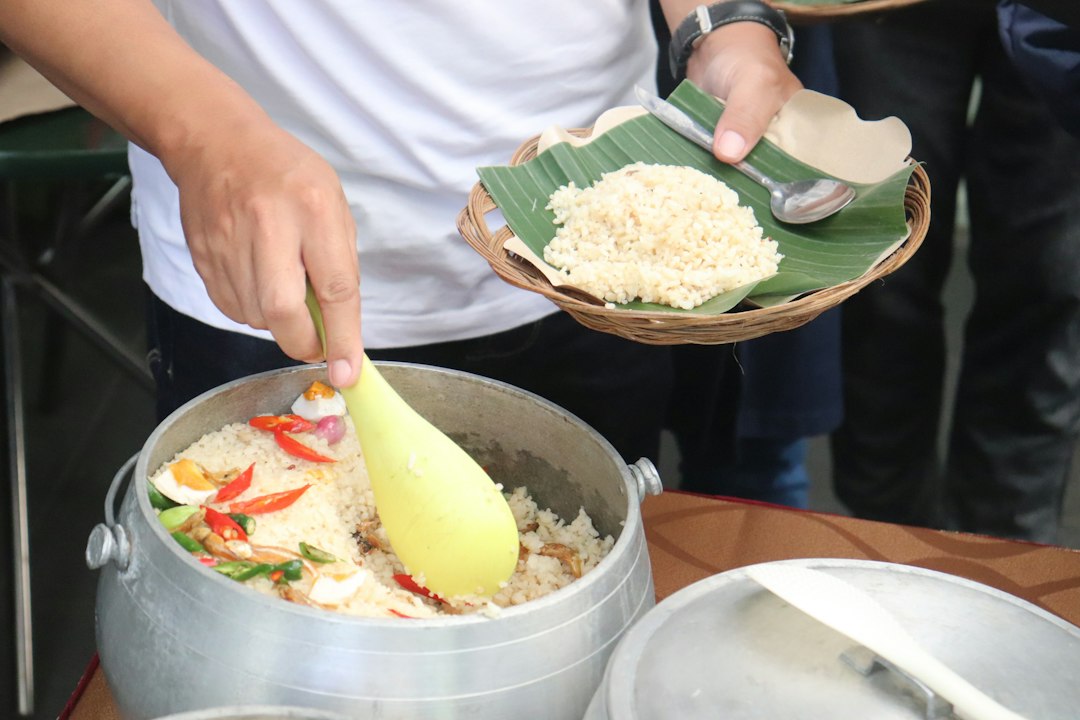
A person serving a warm grain and root vegetable dish at a candlelit dinner table, ready to eat

Warm grain dishes deserve a place on every autumn table

Warm grain dishes are not a seasonal convenience. They are a serious category of cooking, and the world’s kitchens have developed them with the same care given to any refined preparation. Start with 1 dish from this list and cook it twice: once to learn the technique, and once to make it your own. The second time, a warm grain dinner will feel entirely natural. Return to this selection each time the temperature falls, and let the full range of global seasonal cooking become part of your regular practice.

Discover more about warm grain

  • FAO Millets Recipe Book: Global Chefs Challenge
  • Grain Foods Foundation: Global Flavors and Culinary Traditions
  • Spice Storyteller: Grain-Based Dishes from Around the World

author avatar
Claire Beaumont
Claire Beaumont grew up in Lyon's bouchon culture, where Sunday lunches lasted three hours and every dish told a story. She trained at Institut Paul Bocuse before turning to food writing, covering classical French technique, regional produce, and Europe's evolving restaurant scene. Her work is elegant, precise, and always deeply rooted in the craft behind the plate.
See Full Bio
Previous Post

Global cuisine shaped at Gastronomika

Next Post

Ethiopian restaurants London: best picks

Related Posts

A chef presents a plate at an international culinary congress, like San Sebastian Gastronomika.
Culinary Culture

Global cuisine shaped at Gastronomika

23/09/2026
A chef carefully building an aromatic base in a pot, preparing a classic one-pot rice dish with layered spices and stock.
Culinary Culture

One-pot rice dishes with deep flavour

17/09/2026
A chef roasting seasonal root vegetables in a professional kitchen at the autumn equinox, demonstrating classic techniques
Culinary Culture

Autumn equinox and how cooks rethink heat

16/09/2026
A skilled baker shaping a sourdough loaf by hand, reflecting the craft at the heart of global bread traditions
Culinary Culture

Bread traditions and what they reveal

15/09/2026
A woman selects seasonal vegetables at harvest markets in Europe during September, with crates of fresh produce arranged.
Culinary Culture

Harvest markets shape how home cooks shop

12/09/2026
Next Post
Young woman smiles while seated at a table with a large thali-style Indian meal and a glass of beverage in a restaurant setting.

Ethiopian restaurants London: best picks

Leave a Reply Cancel reply

Your email address will not be published. Required fields are marked *

Truelang AI Translations Truelang AI Translations Truelang AI Translations
No Result
View All Result

Our Focus

GUSTOwebzine is your international window on food culture: culinary lifestyle, trends, recipes and gastronomic stories for a global audience with a passion for exceptional taste.

Our Readers

GUSTOwebzine addresses readers who engage with food culture at a high level: as culinary professionals, passionate home cooks, food entrepreneurs, and tastemakers in their communities.

Our Approach

Recipes, trends, and dining culture are integrated as context and indicators of creativity, identity, and the social forces shaping how the world eats, not standalone content.

Recent Post

  • Koji fermentation: Japan’s ancient flavour secret
  • Ethiopian restaurants London: best picks

© 2026 GUSTOwebzine by NOOR & NOOR — part of WEBZINE.world.

Welcome Back!

Login to your account below

Forgotten Password?

Retrieve your password

Please enter your username or email address to reset your password.

Log In
Manage Consent
To provide the best experiences, we use technologies like cookies to store and/or access device information. Consenting to these technologies will allow us to process data such as browsing behavior or unique IDs on this site. Not consenting or withdrawing consent, may adversely affect certain features and functions.
Functional Always active
The technical storage or access is strictly necessary for the legitimate purpose of enabling the use of a specific service explicitly requested by the subscriber or user, or for the sole purpose of carrying out the transmission of a communication over an electronic communications network.
Preferences
The technical storage or access is necessary for the legitimate purpose of storing preferences that are not requested by the subscriber or user.
Statistics
The technical storage or access that is used exclusively for statistical purposes. The technical storage or access that is used exclusively for anonymous statistical purposes. Without a subpoena, voluntary compliance on the part of your Internet Service Provider, or additional records from a third party, information stored or retrieved for this purpose alone cannot usually be used to identify you.
Marketing
The technical storage or access is required to create user profiles to send advertising, or to track the user on a website or across several websites for similar marketing purposes.
  • Manage options
  • Manage services
  • Manage {vendor_count} vendors
  • Read more about these purposes
View preferences
  • {title}
  • {title}
  • {title}
No Result
View All Result
  • Home
    • Our Authors
    • Subscribe for Free
    • Media Kit
    • Contact
    • Terms and Conditions
    • Cookie Policy
  • Discoveries
    • Chefs
  • Culinary Culture
  • Food & Drinks
  • Cooking Tips
    • Recipes
  • GUSTO Global
  • Insights
  • GUSTO Guide
    • Hotels Worldwide
    • Nightlife Worlwide
    • Restaurants Worldwide
    • Services Worldwide

© 2026 GUSTOwebzine by NOOR & NOOR — part of WEBZINE.world.

Not enough quota to unlock this post
Unlock left : 0
Are you sure want to cancel subscription?
Verified by MonsterInsights
enEnglishdeDeutschesEspañolfrFrançaisnlNederlands