CONTACT
  • Login
Upgrade
GUSTOwebzine
Advertisement
  • Home
    • Our Authors
    • Subscribe for Free
    • Media Kit
    • Contact
    • Terms and Conditions
    • Cookie Policy
  • Discoveries
    • Chefs
  • Culinary Culture
  • Food & Drinks
  • Cooking Tips
    • Recipes
  • GUSTO Global
  • Insights
  • GUSTO Guide
    • Hotels Worldwide
    • Nightlife Worlwide
    • Restaurants Worldwide
    • Services Worldwide
  • Home
    • Our Authors
    • Subscribe for Free
    • Media Kit
    • Contact
    • Terms and Conditions
    • Cookie Policy
  • Discoveries
    • Chefs
  • Culinary Culture
  • Food & Drinks
  • Cooking Tips
    • Recipes
  • GUSTO Global
  • Insights
  • GUSTO Guide
    • Hotels Worldwide
    • Nightlife Worlwide
    • Restaurants Worldwide
    • Services Worldwide
No Result
View All Result
GUSTOwebzine
No Result
View All Result
Home Home Cooking Tips

Cold noodle bowl for hot summer days

A global guide to building the perfect chilled noodle bowl with fresh ingredients, bold sauces, and international inspiration.

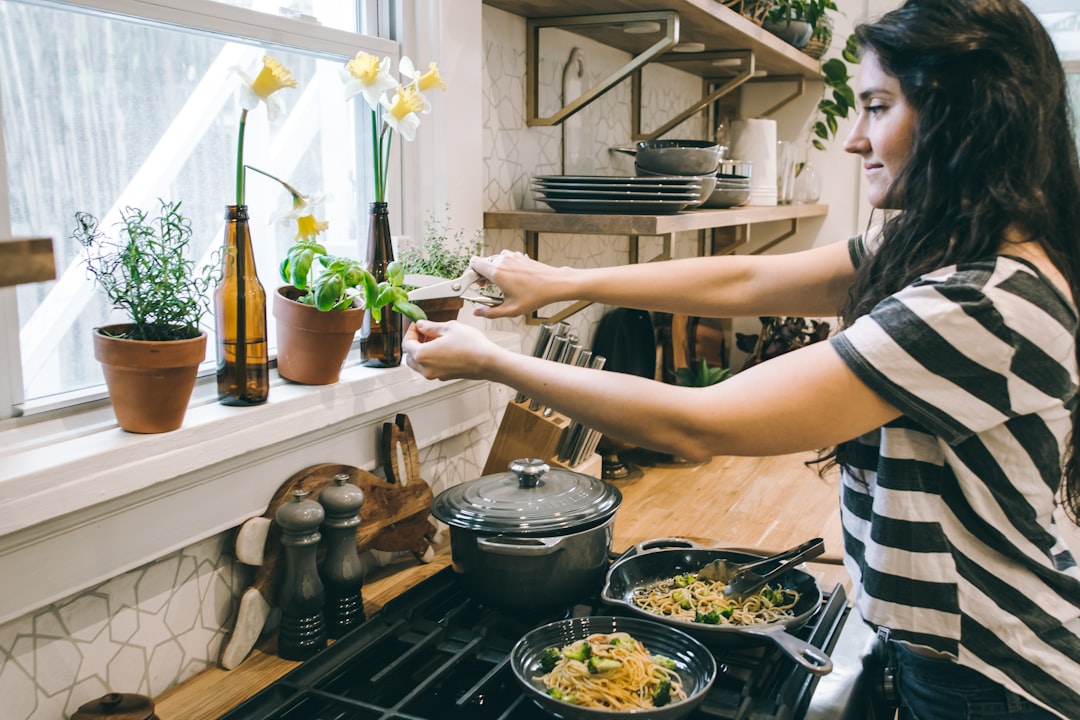
A woman carefully assembling a cold noodle bowl with fresh vegetables and sesame dressing on a bright kitchen counter

A cold noodle bowl is one of the most practical and globally celebrated meals you can make when summer heat arrives, drawing on traditions from Japan, Korea, China, and beyond.

Why cold noodle bowls have a global following

Noodles appear in the food cultures of dozens of countries, served in different forms yet always familiar. Across Asia, home cooks have long used chilling as a way to transform a simple noodle into something bright and energising. The practice reflects a shared culinary logic: cool the base, amplify the sauce, and load the toppings.

Japan offers soba served cold with dipping sauce, Korea brings buckwheat naengmyeon in iced broth, and China delivers Sichuan-spiced noodles at room temperature. Each tradition shows that a cold noodle bowl is not a single recipe but a flexible format. You can adapt it to any cuisine, any season produce, and any skill level.

GUSTO guide worldwide restaurants, hotels, nightlife, professional services GUSTO guide worldwide restaurants, hotels, nightlife, professional services GUSTO guide worldwide restaurants, hotels, nightlife, professional services

The structure is simple. Every successful cold noodle bowl contains 3 core elements: the noodles, the sauce, and the toppings. When those 3 elements work together, the result is a complete, satisfying meal.

Choosing the right noodles and texture

The noodle you select sets the foundation of the entire bowl. Different types carry sauce and toppings in different ways, so your choice affects texture, flavour, and nutrition together. Start with what is available, then build from there.

Soba noodles, made from buckwheat flour, offer more protein and fibre than standard wheat noodles. Rice noodles are gluten-free and absorb dressings well without becoming heavy. Thin wheat noodles such as somen cook in under 3 minutes and deliver a light, springy texture that works well with delicate sauces.

Cook the noodles to al dente, then drain and rinse them immediately under cold running water. This step stops the cooking process, removes surface starch, and keeps the texture firm. Transfer the rinsed noodles to a bowl of ice water for 1 to 2 minutes, then drain thoroughly before assembling.

Building the sauce for maximum flavour

The sauce is the most important element of a cold noodle bowl. It must be bold enough to coat each strand and complex enough to hold the interest of the entire dish. A thin sauce disappears; a well-balanced one ties every component together.

Most global cold noodle sauces share a common formula: a savoury base, an acid, a fat, and a sweet element. Soy sauce provides the savoury base. Rice vinegar or citrus juice delivers the acid. Sesame oil adds fat and aroma. A small amount of honey or sugar rounds out the flavour. Adjust these 4 elements to match your preferred level of heat, salt, and depth.

For a spicier result, add chilli crisp, gochujang (Korean red chilli paste), or a small amount of Sichuan peppercorn paste. For a creamier sauce, blend sesame paste or peanut butter into the base. Mix the sauce in a separate bowl and taste it before adding it to the noodles.
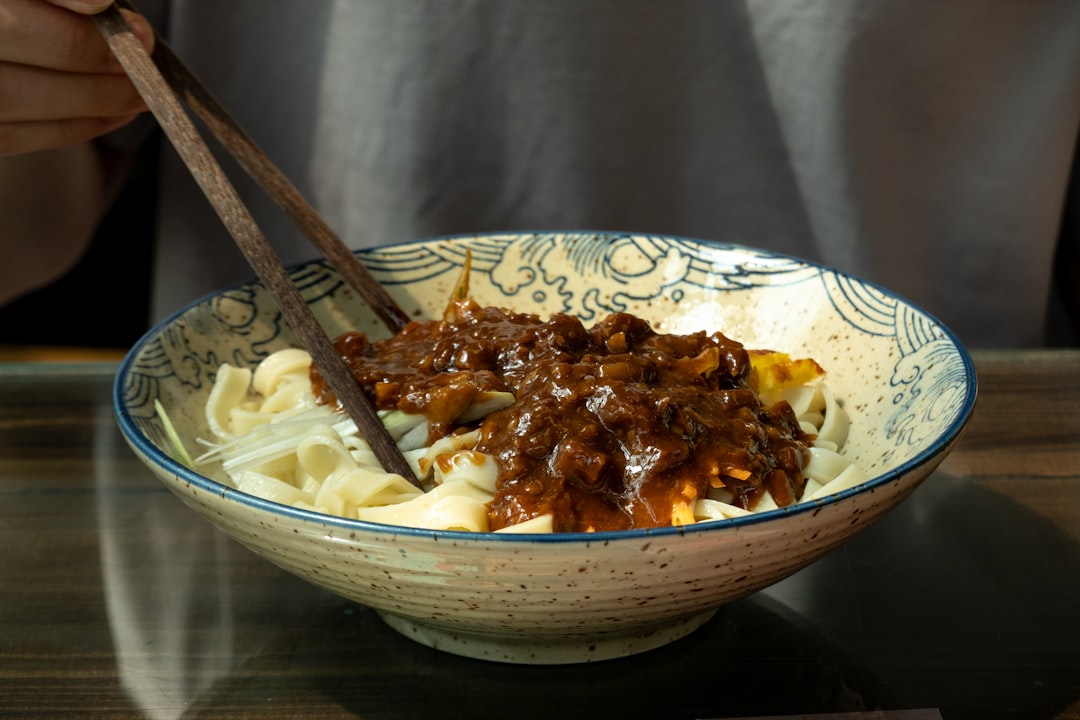
A person arranging colourful vegetable toppings over a chilled cold noodle bowl at a dining table

Selecting toppings and protein

Toppings complete the cold noodle bowl by adding colour, crunch, and nutritional balance. Fresh vegetables contribute fibre and vitamins, while a lean protein source makes the bowl a full meal. Variety in toppings also creates visual appeal, which matters at the table.

Common vegetable toppings include julienned cucumber, shredded carrot, thinly sliced red cabbage, blanched edamame, and sliced spring onion. Fresh herbs such as coriander, mint, or shiso add brightness. Toasted sesame seeds, crushed peanuts, or crispy shallots deliver satisfying crunch on top.


For protein, choose what suits your diet and preparation time. Poached chicken, soft-boiled eggs, pan-fried tofu, or chilled shrimp all work well. Add the protein on top of the assembled bowl, not mixed into the noodles, so each serving looks clean and the protein stays visible.

Expert perspective on the cold noodle format

The cold noodle bowl is a format that rewards understanding over memorisation. The cooks who build the best bowls are not following a single recipe, they are working with ratios. They understand that the sauce must be slightly more intense than expected, because chilling dulls perception of salt and acid. They know that texture contrast is not optional; without a crunchy element, the bowl feels flat. The noodle choice should also reflect the sauce weight: a delicate sesame dressing needs a thin noodle, while a thick peanut sauce calls for a wider, chewier strand. Finally, the temperature of every component matters. Noodles, protein, and toppings should all be properly chilled before assembly. A cold noodle bowl served at the right temperature is a fundamentally different experience from one assembled in a hurry.

Industry perspective, global culinary food culture and professional kitchen professionals
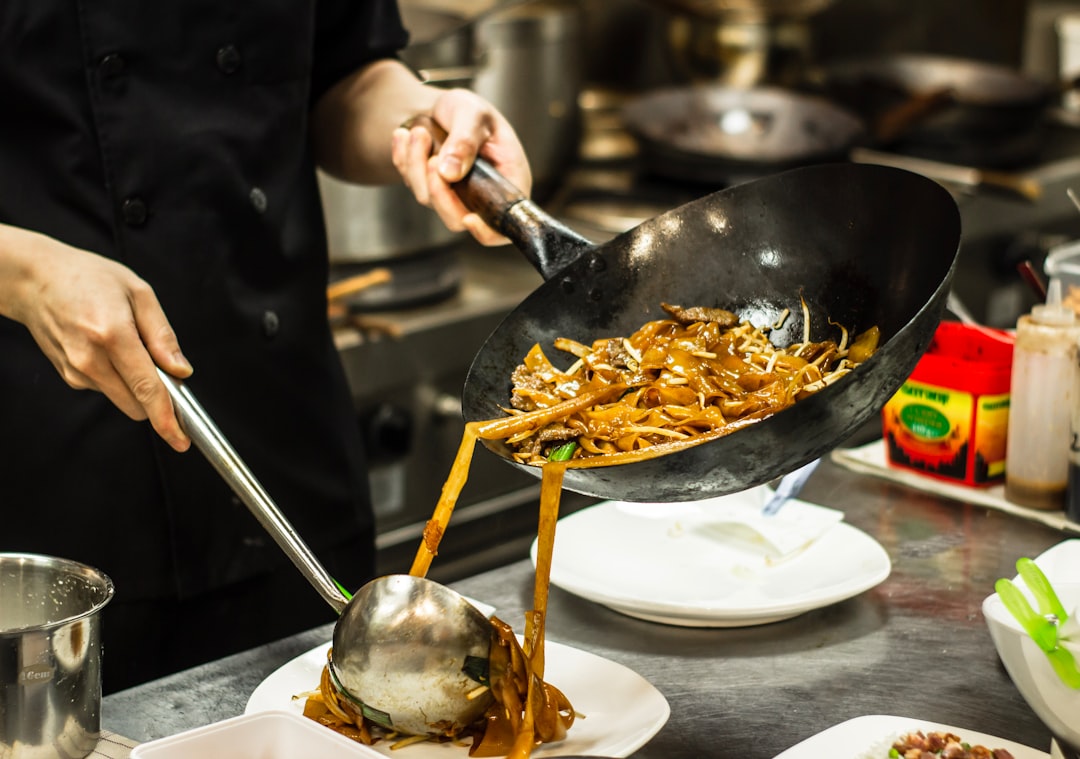
A chef presenting a finished cold noodle bowl garnished with herbs and sesame seeds ready to serve

Assembling the bowl step by step

Assembly is faster than most cooks expect, especially when the components are prepared in advance. Batch-cook noodles at the start of the week and keep them chilled. Prepare the sauce in a sealed jar and refrigerate it. Chop the vegetables and store them separately.

-

A woman applies a thin layer of oil to a cast iron pan during the cast iron seasoning process in a home kitchen.

Cast iron seasoning: the complete guide

19/07/2026
A chef demonstrating knife skills while slicing fresh summer tomatoes on a wooden cutting board

Knife skills for summer produce prep

13/07/2026
A chef holds tongs over an open flame while charring summer peppers on a gas stovetop in a professional kitchen.

Summer peppers: char, peel, and use them

08/07/2026
A woman scooping a bowl of homemade ice cream from a metal loaf pan in a bright kitchen

Homemade ice cream without a machine

28/06/2026
A woman carefully arranging ripe stone fruit at a summer farmers market, selecting the best peaches and plums for storage

Stone fruit storage tips for summer

18/06/2026
A chef carefully monitoring grill vegetables over high heat to achieve a smoky, charred finish

Grill vegetables for smoky, charred flavor

12/06/2026

Place a portion of chilled noodles in the base of a wide bowl. Pour the sauce over the noodles and toss gently with tongs or chopsticks for 20 to 30 seconds until each strand is coated. Arrange the toppings over the noodles in separate sections rather than mixing them in, so each element remains visible and distinct.

Add the protein last, place it in the centre or to one side, and finish with a garnish of sesame seeds or sliced herbs. Serve the bowl immediately, or cover it and refrigerate for up to 30 minutes before eating. Chilling after assembly allows the sauce to develop further depth.

Conclusion: make the cold noodle bowl your summer staple

A cold noodle bowl is one of the most adaptable and rewarding meals you can prepare in summer. The format is global, the ingredients are accessible, and the result is always satisfying when you apply the right ratios. Start with a firm noodle, build a bold sauce, layer fresh toppings, and add a quality protein. Every detail contributes to the final result. Make the cold noodle bowl a regular part of your warm-weather cooking, and explore new sauce and topping combinations each time you prepare it. The variety is part of what makes this format so enduring across so many food cultures around the world.

Discover more about cold noodle

  • Noodles That Nourish and Empower, FAO
  • Instant Noodles Market Size, Share and Industry Trends Report, Market Research Future
  • 20 Refreshing Cold Noodle Recipes for Summer, Recipe4Peace

author avatar
Yasmine Alaoui
Yasmine Alaoui grew up in the medinas of Marrakech, where the scent of cumin and preserved lemon was as familiar as morning light. She studied food anthropology in Paris before returning to Morocco to document the country's rich culinary heritage. Her writing explores the crossroads of Amazigh, Arab, and Mediterranean food traditions, bringing the soul of North African cuisine to a global audience.
See Full Bio
Previous Post

Spice blends from West Africa to try now

Next Post

Farmers markets to eat like a local in the EU

Related Posts

A woman applies a thin layer of oil to a cast iron pan during the cast iron seasoning process in a home kitchen.
Home Cooking Tips

Cast iron seasoning: the complete guide

19/07/2026
A chef demonstrating knife skills while slicing fresh summer tomatoes on a wooden cutting board
Home Cooking Tips

Knife skills for summer produce prep

13/07/2026
A chef holds tongs over an open flame while charring summer peppers on a gas stovetop in a professional kitchen.
Home Cooking Tips

Summer peppers: char, peel, and use them

08/07/2026
A woman scooping a bowl of homemade ice cream from a metal loaf pan in a bright kitchen
Home Cooking Tips

Homemade ice cream without a machine

28/06/2026
A woman carefully arranging ripe stone fruit at a summer farmers market, selecting the best peaches and plums for storage
Home Cooking Tips

Stone fruit storage tips for summer

18/06/2026
Next Post
Colorful fruit stall at a market with a worker behind the display and chalkboard price signs visible among the produce.

Farmers markets to eat like a local in the EU

Leave a Reply Cancel reply

Your email address will not be published. Required fields are marked *

Truelang AI Translations Truelang AI Translations Truelang AI Translations
No Result
View All Result

Our Focus

GUSTOwebzine is your international window on food culture: culinary lifestyle, trends, recipes and gastronomic stories for a global audience with a passion for exceptional taste.

Our Readers

GUSTOwebzine addresses readers who engage with food culture at a high level: as culinary professionals, passionate home cooks, food entrepreneurs, and tastemakers in their communities.

Our Approach

Recipes, trends, and dining culture are integrated as context and indicators of creativity, identity, and the social forces shaping how the world eats, not standalone content.

Recent Post

  • Rooftop dining in NYC worth booking now
  • Japanese food labels: hidden gluten guide

© 2026 GUSTOwebzine by NOOR & NOOR — part of WEBZINE.world.

Welcome Back!

Login to your account below

Forgotten Password?

Retrieve your password

Please enter your username or email address to reset your password.

Log In
Manage Consent
To provide the best experiences, we use technologies like cookies to store and/or access device information. Consenting to these technologies will allow us to process data such as browsing behavior or unique IDs on this site. Not consenting or withdrawing consent, may adversely affect certain features and functions.
Functional Always active
The technical storage or access is strictly necessary for the legitimate purpose of enabling the use of a specific service explicitly requested by the subscriber or user, or for the sole purpose of carrying out the transmission of a communication over an electronic communications network.
Preferences
The technical storage or access is necessary for the legitimate purpose of storing preferences that are not requested by the subscriber or user.
Statistics
The technical storage or access that is used exclusively for statistical purposes. The technical storage or access that is used exclusively for anonymous statistical purposes. Without a subpoena, voluntary compliance on the part of your Internet Service Provider, or additional records from a third party, information stored or retrieved for this purpose alone cannot usually be used to identify you.
Marketing
The technical storage or access is required to create user profiles to send advertising, or to track the user on a website or across several websites for similar marketing purposes.
  • Manage options
  • Manage services
  • Manage {vendor_count} vendors
  • Read more about these purposes
View preferences
  • {title}
  • {title}
  • {title}
No Result
View All Result
  • Home
    • Our Authors
    • Subscribe for Free
    • Media Kit
    • Contact
    • Terms and Conditions
    • Cookie Policy
  • Discoveries
    • Chefs
  • Culinary Culture
  • Food & Drinks
  • Cooking Tips
    • Recipes
  • GUSTO Global
  • Insights
  • GUSTO Guide
    • Hotels Worldwide
    • Nightlife Worlwide
    • Restaurants Worldwide
    • Services Worldwide

© 2026 GUSTOwebzine by NOOR & NOOR — part of WEBZINE.world.

Not enough quota to unlock this post
Unlock left : 0
Are you sure want to cancel subscription?
Verified by MonsterInsights
enEnglishdeDeutschesEspañolfrFrançaisitItalianoja日本語nlNederlandszh中文
No results