

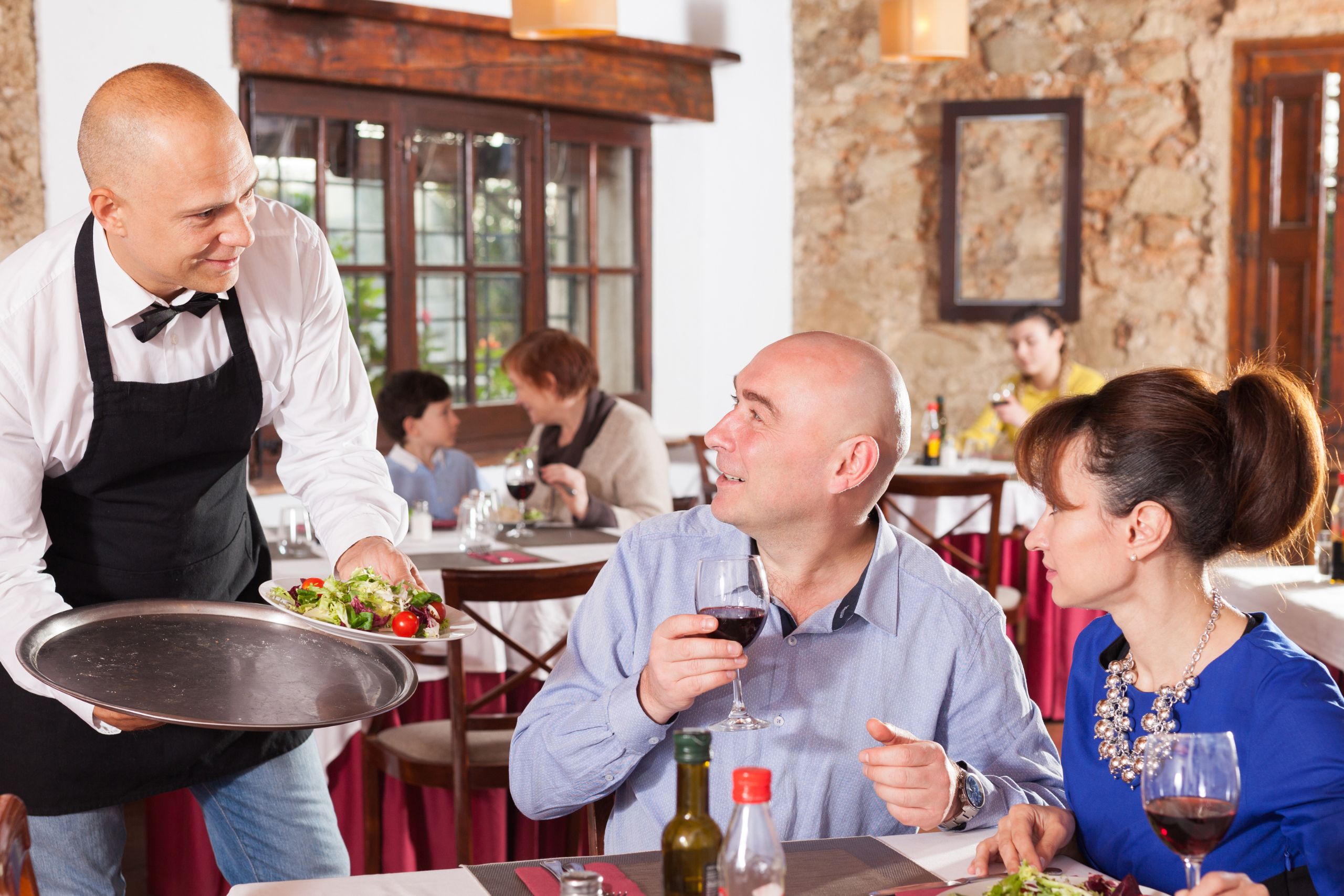
Why are waiters speaking out in 2026?
Something has shifted. After years of accepting poor treatment as part of the job, waiters are now refusing to stay silent. Social media has given restaurant workers a public voice. Viral posts about customer mistreatment now reach millions of readers within hours.
This visibility has changed the conversation. Restaurants can no longer ignore the problem. Staff retention, brand reputation, and service quality all depend on how workers are treated.

Furthermore, the post-pandemic labor shortage gave hospitality workers more options. Workers who feel disrespected now leave. They find jobs in other sectors where dignity is a standard expectation.
What behaviors do waiters find unacceptable?
The list of reported behaviors is consistent across countries and cultures. Waiters most frequently cite:
- Verbal insults and aggressive language
- Dismissive or condescending tone
- Unrealistic demands outside of normal service
- Refusal to acknowledge greetings or basic courtesy
- Harassment related to gender, appearance, or background
- Leaving without payment or deliberately poor tipping used as punishment
These are not isolated incidents. A 2024 industry survey found that over 60% of restaurant workers in Europe and North America experienced at least 1 incident of customer aggression per month. Burnout driven by this pattern is one of the primary reasons workers leave the hospitality sector permanently.

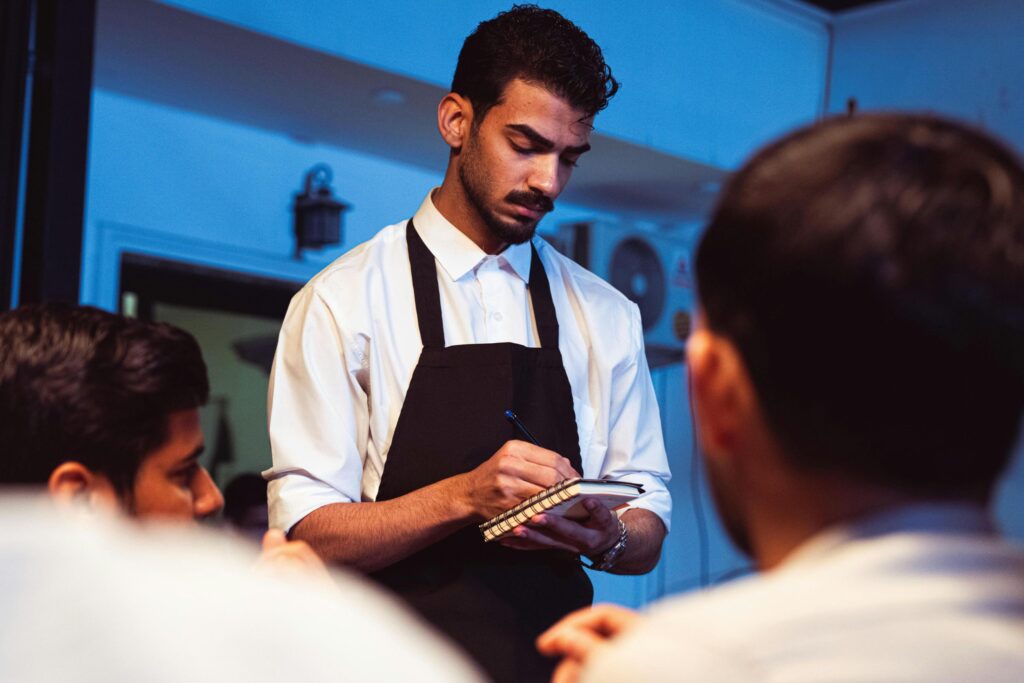
How does poor treatment affect restaurant performance?
The impact extends beyond individual wellbeing. Waiter respect directly affects the quality of service a restaurant delivers. Staff who feel unsafe or undervalued perform at lower levels. They make more errors. They leave faster.
High staff turnover is expensive. Recruiting, hiring, and training 1 new employee costs a restaurant an average of 3 to 4 times that worker’s monthly wage. Consequently, restaurants that fail to protect their teams pay a significant financial price.
Moreover, other customers notice. A table witnessing an aggressive interaction with a waiter feels uncomfortable. That discomfort reduces enjoyment, reduces spending, and reduces the likelihood of return visits.






Truffle dinners in NYC this autumn
Truffle dinners transform New York City restaurants each autumn into something truly Italian in spirit: intimate, ingredient-led, and brief by...

Autumn equinox and how cooks rethink heat
The autumn equinox is not simply a date on a calendar. It is the moment when serious cooks across the...











La question du respect en salle, c’est aussi une question de management. Tant que les directions ne prendront pas position publiquement quand un client dépasse les limites, rien ne changera vraiment dans le secteur.
Honestly the part about treating servers like professionals not servants needs to be printed on every menu.
Starting a shift knowing you might face verbal abuse is a heavy burden that no paycheck can truly justify. I’ve witnessed customers being incredibly rude over a slightly cold soup, and it’s heart-wrenching to see the waiter’s smile fade. We need more managers who aren’t afraid to step in and defend their team.
Fourteen years in the industry and Marco only got protection three years ago. That’s the part that sits with me. The zero-tolerance policy shouldn’t be a reward after a decade of absorbing abuse, it should be the baseline from day one. A 22% increase in customer satisfaction scores after implementing it tells you everything you need to know about where the real problem was sitting.
The point about staff dignity needing to come before customer satisfaction is something the industry has avoided for decades. I waited tables through grad school and the number of times a manager sided with a rude table just to keep the peace was honestly demoralizing. What struck me most in your piece was the idea that respect has to be built into the structure, not left as a personal favor from whoever happens to be running the floor that night. Real cultural change starts with owners drawing actual lines.