One-pot rice dishes hold a particular authority in kitchens across the world: a single vessel, a measured hand, and the slow alchemy of grain absorbing stock, fat, and spice until something far greater than the sum of its parts arrives at the table.
The principle behind one-pot rice
Every great one-pot rice dish begins with the same logic. The cook builds flavour directly in the pot, layer by layer, before the grain ever touches the heat. Aromatic vegetables soften in fat. Spices open in warm oil. A liquid, often rich with stock or seasoned with tomato, carries that accumulated depth into every grain as it cooks.

This method requires no special equipment and very little technical complexity. What it does require is patience and an understanding of how heat, moisture, and time interact. The world’s most celebrated rice dishes are proof that restraint, applied with precision, produces results of remarkable character.
Paella valenciana, Spain
Paella valenciana originates in the Valencia region and represents one of the most disciplined examples of one-pot rice cookery in the European tradition. Cooked in a shallow pan over an open flame, it infuses saffron rice with meat and vegetables. Its Valencian origin is rooted in the use of local ingredients like rabbit, chicken, and green beans.
The signature achievement of the dish is the socarrat. The cook never stirs paella once liquid is added. Bomba rice is essential because it absorbs 3 times its volume without becoming soft. That crust at the base of the pan, where rice meets direct heat, is not an accident. It is the mark of a cook who understands temperature and timing.

Biryani, South Asia
Biryani stands among the most architecturally complex of all one-pot rice dishes. It uses the dum pukht technique, a sophisticated layering method refined over centuries in royal kitchens. Meat, marinated in yoghurt and spice, is cooked separately before being layered beneath parboiled rice. The pot is then sealed and placed over the lowest possible heat.
The meat goes in the base of the pot, herbs are added, and rice is layered on top. Saffron milk and fried onions are drizzled over the rice. The pot is sealed with foil and a lid, then cooked on high heat for 3 minutes and on the lowest setting for 35 to 40 minutes. Steam does the work. The grain absorbs the perfume of cardamom, cinnamon, and rose water without contact with direct flame.
Jollof rice, West Africa
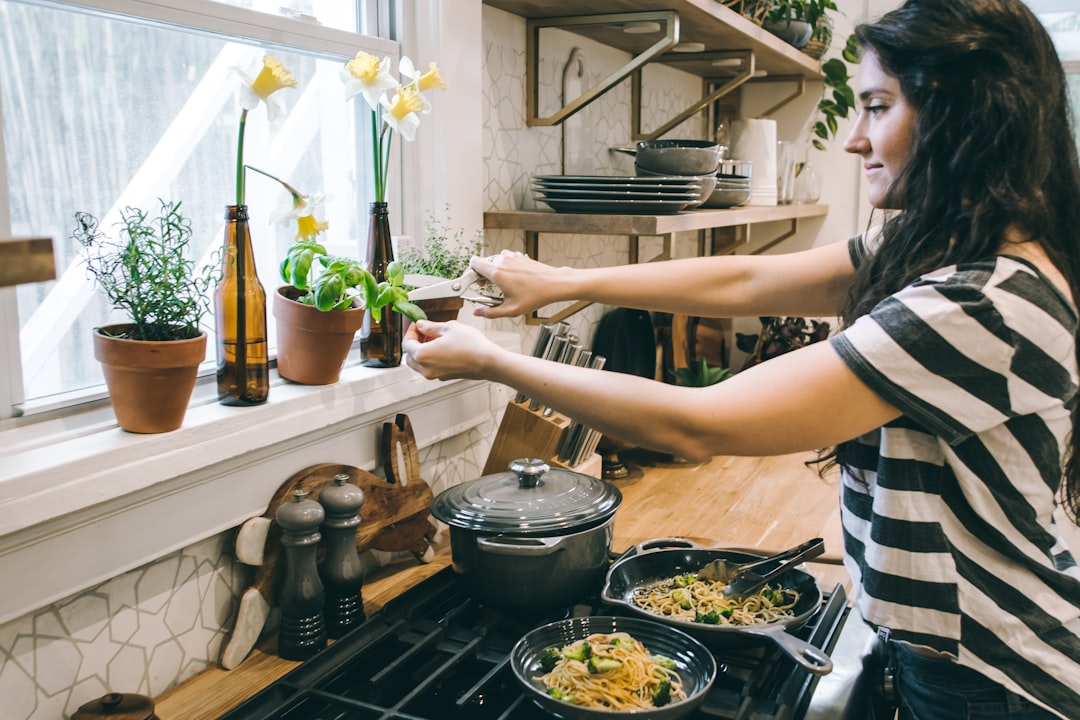
Jollof rice is one of the most widely cooked and openly debated one-pot rice dishes in the world. It originated between the 14th and 16th centuries in the Wolof or Jolof Empire, located in the Senegambia region, which covers present-day Senegal, Mauritania, and Gambia. Today, Nigeria, Ghana, and Senegal each claim a distinct version, and the differences are a matter of serious culinary pride.
The classic version begins with a puréed base of tomatoes, hot peppers, onions, and garlic, then includes vegetables, fish, or meat, and is often served with plantains. The tomato base reduces into the hot oil before the grain is added. This step, known as frying the tomato, drives off water and concentrates flavour in a way that no other method can replicate.
Expert perspective on one-pot rice as craft
One-pot rice dishes are not simplifications of more elaborate methods. They are a distinct discipline, one that demands the cook understand each ingredient’s relationship to heat and time within a confined system. The pot itself becomes a controlled environment. When you add the grain, the decision is already made: the flavour base must be correct before that moment arrives. Cooks who approach biryani or jollof rice or paella as shortcuts are misreading the tradition entirely. These dishes endure because the method is precise, transferable, and deeply tied to the culture that produced it. Every region that developed a one-pot rice tradition did so because it solved a specific problem of ingredient, climate, and community. That is what makes the technique worth studying and worth cooking with care.
Industry perspective, food culture and culinary tradition professionals
Arroz con pollo, Latin America
Arroz con pollo translates literally as rice with chicken, and that simplicity is deceptive. Food writer Elisabeth Lambert Ortiz notes that the dish already reflected international influences in its origins: chicken came from India, rice from Asia, and saffron was introduced by Phoenician traders, while tomatoes and peppers are natives of the Americas. Few dishes carry as many threads of culinary history inside a single pot.




The pegao, a layer of crispy golden-brown rice that forms at the base of the pot, is considered a culinary treasure. The term comes from the Spanish word “pegar,” meaning to stick, and the layer is rich in flavour, having absorbed all the seasonings and chicken juices during cooking. Across Cuba, Puerto Rico, and Peru, the recipe changes, but this prized base remains constant.
Persian tahdig, Iran
Tahdig is perhaps the most technically demanding of all one-pot rice preparations. Persian cuisine has perfected the art of creating a golden, crispy rice crust that is prized as the most desirable part of the dish. The cook oils the base of the pot, adds parboiled rice, wraps the lid in a clean cloth to absorb steam, and then applies heat with great care.
The result is a dome of rice that releases cleanly from the pot, golden on the outside and soft within. Saffron often colours the base layer. Dried fruit, herbs, or bread can line the pot before the rice goes in, each variation producing a different texture and flavour in that final crust. The technique rewards precision above all else.
Risotto, northern Italy
Risotto occupies a different position in the one-pot rice canon. It embodies the technique of slow-cooking rice in broth to achieve a creamy texture. Classic versions like risotto alla Milanese or seafood risotto showcase Italy’s regional diversity. Where biryani and paella ask the cook to step back and trust the heat, risotto asks for constant presence.
Risotto celebrates creaminess achieved through constant stirring and gradual stock addition. The mantecatura technique creates the signature flowing consistency. Stock is added one ladle at a time. The cook stirs, watches, and adds again. This continuous motion coaxes starch from the grain and creates a sauce that requires no cream and no thickener, only time and attention.
One-pot rice deserves serious attention
One-pot rice is not a category of easy cooking. It is a category of intelligent cooking, and the distinction matters. Each of the 6 traditions covered here developed specific methods to extract maximum flavour from grain, fat, and liquid in a single vessel. The results are not accidental. They are the product of generations of cooks who understood exactly what heat, time, and proportion could produce.

If you approach each one-pot rice dish as a study in technique, you will cook it better from the first attempt. Start with the aromatic base. Build the flavour before the grain arrives. Trust the process that each tradition has already refined for you.
Discover more about one-pot rice
- Rice: Markets, Trade and Food Culture (Food and Agriculture Organization of the United Nations)
- Rice and Culture: The Culinary Traditions of the Five Continents (Mundi Riso, December 2025)
- Rice Recipes from Around the World: Master Global Flavours at Home (Amazing Food and Drink)