CONTACT
  • Login
Upgrade
GUSTOwebzine
Advertisement
  • Home
    • Our Authors
    • Subscribe for Free
    • Media Kit
    • Contact
    • Terms and Conditions
    • Cookie Policy
  • Discoveries
    • Chefs
  • Culinary Culture
  • Food & Drinks
  • Cooking Tips
    • Recipes
  • GUSTO Global
  • Insights
  • GUSTO Guide
    • Hotels Worldwide
    • Nightlife Worlwide
    • Restaurants Worldwide
    • Services Worldwide
  • Home
    • Our Authors
    • Subscribe for Free
    • Media Kit
    • Contact
    • Terms and Conditions
    • Cookie Policy
  • Discoveries
    • Chefs
  • Culinary Culture
  • Food & Drinks
  • Cooking Tips
    • Recipes
  • GUSTO Global
  • Insights
  • GUSTO Guide
    • Hotels Worldwide
    • Nightlife Worlwide
    • Restaurants Worldwide
    • Services Worldwide
No Result
View All Result
GUSTOwebzine
No Result
View All Result
Home Culinary Culture

Autumn equinox and how cooks rethink heat

When day and night balance for one brief moment, kitchens across the northern hemisphere shift their entire language of heat and harvest.

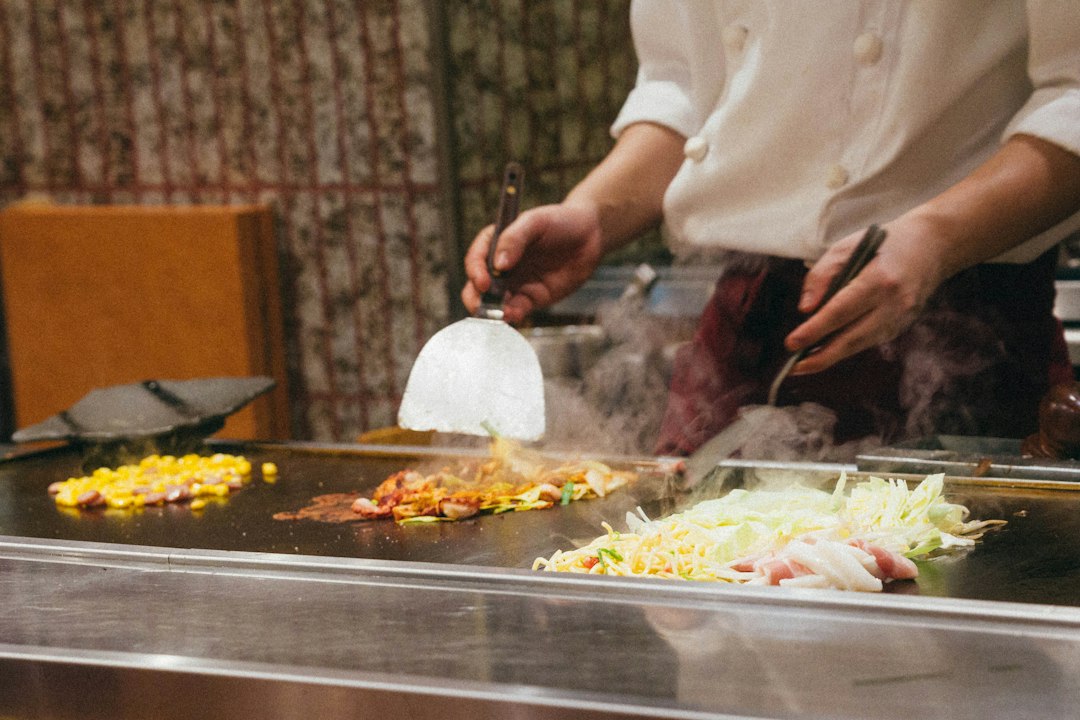
A chef roasting seasonal root vegetables in a professional kitchen at the autumn equinox, demonstrating classic techniques

Autumn equinox arrives each year with the quiet authority of a change in light, and cooks across the northern hemisphere feel it long before any thermometer confirms it: the market stalls shift, the broths grow deeper, and the craft of the kitchen turns inward, toward warmth, weight, and the patient beauty of slow heat.

What the equinox actually signals in the kitchen

The autumn equinox falls between 21 and 23 September each year in the northern hemisphere. It marks the precise moment when day and night reach near-equal length. For most people, this is astronomy. For a serious cook, it is a recalibration.

GUSTO guide worldwide restaurants, hotels, nightlife, professional services GUSTO guide worldwide restaurants, hotels, nightlife, professional services GUSTO guide worldwide restaurants, hotels, nightlife, professional services

The light changes first. Morning kitchens grow darker faster. The instinct to reach for cold plates, sharp citrus, and raw preparations fades with the afternoon sun. Something older and more instinctive takes over, a pull toward enclosure, toward the oven, toward the low and steady flame.

This seasonal shift is not sentimental. It is practical. The produce itself demands a new vocabulary. Summer’s bright, high-water vegetables step back, and the harvest delivers ingredients with density, starch, and resilience. The cook’s response is not optional. It is inevitable.

The harvest changes everything a cook touches

Autumn brings ingredients that reward patience and heat. Root vegetables, winter squash, wild mushrooms, pomegranates, grains, and firm-fleshed pears all arrive at once. Each one resists the quick preparations of summer and asks instead for time, fat, and sustained temperature.

Butternut squash develops its sweetest character only when roasted at high heat, above 200 degrees Celsius, where its sugars concentrate and its surface caramelizes. Wild mushrooms carry an earthy depth that intensifies under dry heat and collapses into silk when added to a long braise. Beets, one of the most honest vegetables of the season, reveal their full complexity only after slow cooking, whether roasted whole in salt or turned into a smooth, glossy preparation.

The cook who understands this does not fight the season. Instead, the technique follows the ingredient. The harvest is the instruction.

How cultures across the northern hemisphere interpret the shift

The autumn equinox carries culinary meaning far beyond any single kitchen or tradition. Across the northern hemisphere, cultures have built food rituals around this moment for centuries, each one rooted in the same logic: the season changes, so the table must change too.

In Japan, the equinox period known as Higan is observed with meals that feature seasonal vegetables and grains, foods that reflect balance and the passing of time. Across Europe, harvest festivals from France to Germany to Scandinavia have traditionally marked this moment with communal tables built around preserved foods, game, root vegetables, and fermented preparations. In North America, indigenous communities have long given thanks for the land’s produce at this exact turning point in the year, building meals around what the earth offers before the cold arrives.

The specific ingredients differ by latitude and culture. The intention does not. The equinox signals that nourishment must now become architecture: layered, warm, and built to sustain.
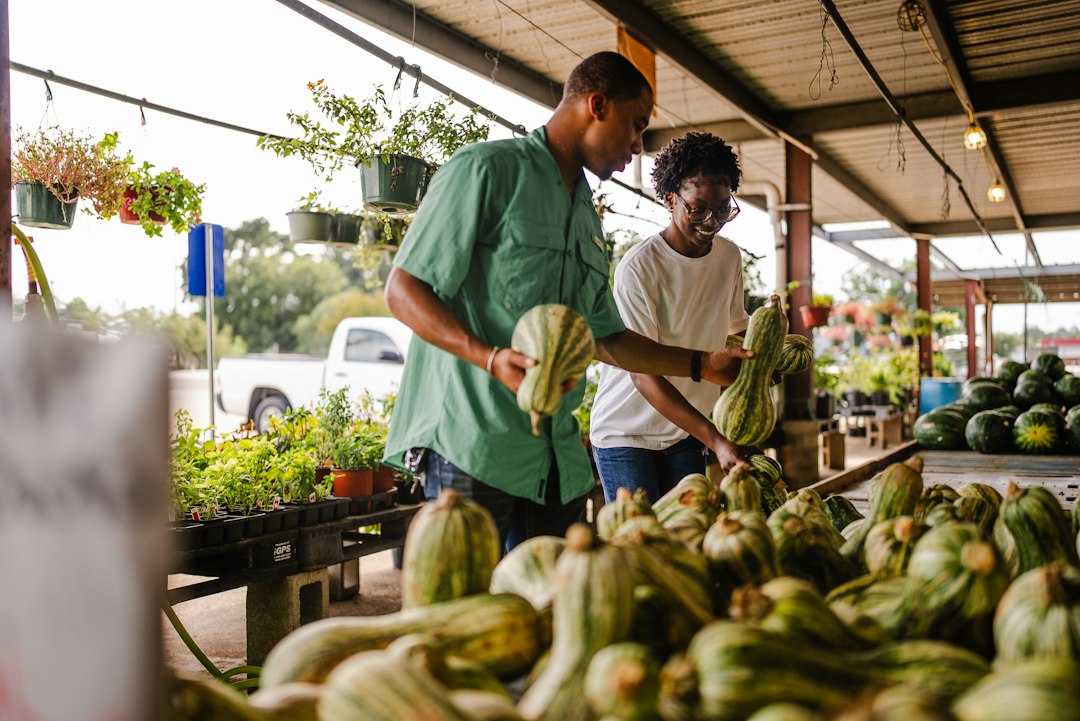
A cook carefully selecting winter squash at a harvest market, reflecting the autumn equinox shift in seasonal ingredients

Expert perspective on autumn cooking and craft

The moment the equinox arrives, skilled cooks stop thinking about brightness and start thinking about structure. A dish in October is not the same as a dish in July, even if the recipe looks identical on paper. The technique changes because the goal changes. In summer, you preserve freshness. In autumn, you build depth. Braising is not simply a cooking method. It is a philosophy: you apply low, consistent heat over a long period to transform something tough into something yielding. That transformation mirrors the season itself. The best autumn cooking uses the harvest as a starting point, then layers fat, acid, aromatic vegetables, and time. The result is food that provides genuine warmth, not just temperature.

Industry perspective, professional culinary educators and seasonal cooking practitioners

Braising, roasting, and the philosophy of autumn heat

Braising stands at the centre of autumn cooking across many northern traditions. It is a technique that applies low, moist heat over a long period, often beginning with a sear in hot fat to develop colour, then transferring to a covered vessel with liquid, aromatics, and time. The result transforms dense, collagen-rich cuts and firm vegetables into dishes with extraordinary cohesion and depth.

Roasting operates differently but serves the same seasonal logic. Root vegetables and squashes placed in a very hot oven with good fat and generous seasoning caramelize rather than steam. The surface concentrates. The interior softens. This contrast between exterior and interior texture is one of the great pleasures of autumn cooking.

Both techniques share one essential quality: they are not fast. Autumn demands patience from the cook, and the cook who gives that patience receives food of a different character entirely.
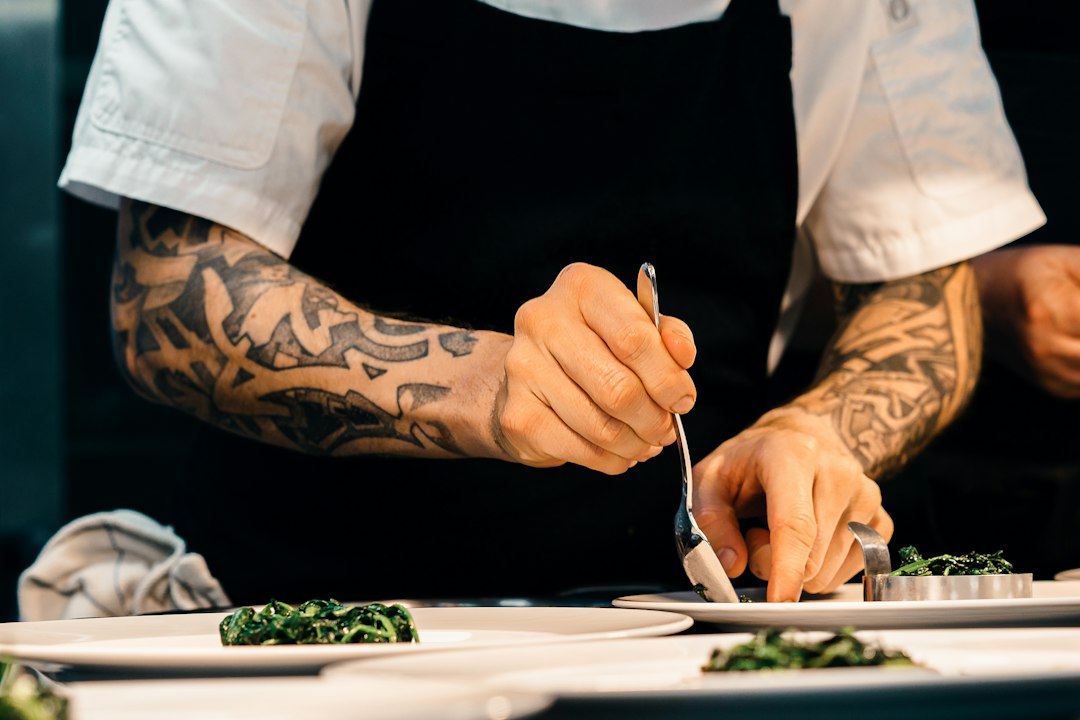

A professional chef plating a braised autumn dish, capturing what the autumn equinox brings to the northern hemisphere table

-

A skilled baker shaping a sourdough loaf by hand, reflecting the craft at the heart of global bread traditions

Bread traditions and what they reveal

15/09/2026
A woman selects seasonal vegetables at harvest markets in Europe during September, with crates of fresh produce arranged.

Harvest markets shape how home cooks shop

12/09/2026
A cook carefully stirring slow cooked beans in a clay pot over a low flame, demonstrating classical technique

Slow cooked beans from five traditions

10/09/2026
A woman carefully tending to a clay pot of fermented vegetables, demonstrating the art of fermentation as food preservation

Fermentation and food preservation worldwide

06/09/2026
A chef carefully plates a bowl of autumn dishes in a professional kitchen, demonstrating classical harvest-season technique

Autumn dishes for harvest-season cooking

05/09/2026
A group of guests reaching across a communal table covered in shared dishes, celebrating the communal table tradition.

Communal table traditions across cultures

31/08/2026

How autumn equinox redefines the cook’s intention

The autumn equinox does not simply change what a cook buys at the market. It changes the question the cook asks before touching any ingredient. In summer, that question is: how do I preserve what is already perfect? In autumn, the question becomes: how do I build something greater than the ingredient alone?

This shift in intention is the heart of seasonal craft. The best cooks across the northern hemisphere understand that autumn equinox is a threshold, not a calendar entry. On one side, there is the bright, quick food of summer. On the other, there is warmth built through technique, harvest transformed through heat, and dishes that carry the full authority of the season.

The autumn equinox asks every cook to be more deliberate. The kitchens that answer well produce food worth remembering.

Discover more about autumn equinox

  • FAO Seasonal and Agricultural Data by Country (Food and Agriculture Organization of the United Nations)
  • 16 Resources for Eating Seasonally Around the World (Food Tank)
  • Autumn Equinox: A Seasonal Vegetarian Feast (18 Reasons, San Francisco)

author avatar
Claire Beaumont
Claire Beaumont grew up in Lyon's bouchon culture, where Sunday lunches lasted three hours and every dish told a story. She trained at Institut Paul Bocuse before turning to food writing, covering classical French technique, regional produce, and Europe's evolving restaurant scene. Her work is elegant, precise, and always deeply rooted in the craft behind the plate.
See Full Bio
Previous Post

Bread traditions and what they reveal

Next Post

Truffle dinners in NYC this autumn

Related Posts

A skilled baker shaping a sourdough loaf by hand, reflecting the craft at the heart of global bread traditions
Culinary Culture

Bread traditions and what they reveal

15/09/2026
A woman selects seasonal vegetables at harvest markets in Europe during September, with crates of fresh produce arranged.
Culinary Culture

Harvest markets shape how home cooks shop

12/09/2026
A cook carefully stirring slow cooked beans in a clay pot over a low flame, demonstrating classical technique
Culinary Culture

Slow cooked beans from five traditions

10/09/2026
A woman carefully tending to a clay pot of fermented vegetables, demonstrating the art of fermentation as food preservation
Culinary Culture

Fermentation and food preservation worldwide

06/09/2026
A chef carefully plates a bowl of autumn dishes in a professional kitchen, demonstrating classical harvest-season technique
Culinary Culture

Autumn dishes for harvest-season cooking

05/09/2026
Next Post
Fettuccine pasta on a white plate with thin truffle shavings being shaved over it by a hand-held slicer.

Truffle dinners in NYC this autumn

Leave a Reply Cancel reply

Your email address will not be published. Required fields are marked *

Truelang AI Translations Truelang AI Translations Truelang AI Translations
No Result
View All Result

Our Focus

GUSTOwebzine is your international window on food culture: culinary lifestyle, trends, recipes and gastronomic stories for a global audience with a passion for exceptional taste.

Our Readers

GUSTOwebzine addresses readers who engage with food culture at a high level: as culinary professionals, passionate home cooks, food entrepreneurs, and tastemakers in their communities.

Our Approach

Recipes, trends, and dining culture are integrated as context and indicators of creativity, identity, and the social forces shaping how the world eats, not standalone content.

Recent Post

  • Truffle dinners in NYC this autumn
  • Autumn equinox and how cooks rethink heat

© 2026 GUSTOwebzine by NOOR & NOOR — part of WEBZINE.world.

Welcome Back!

Login to your account below

Forgotten Password?

Retrieve your password

Please enter your username or email address to reset your password.

Log In
Manage Consent
To provide the best experiences, we use technologies like cookies to store and/or access device information. Consenting to these technologies will allow us to process data such as browsing behavior or unique IDs on this site. Not consenting or withdrawing consent, may adversely affect certain features and functions.
Functional Always active
The technical storage or access is strictly necessary for the legitimate purpose of enabling the use of a specific service explicitly requested by the subscriber or user, or for the sole purpose of carrying out the transmission of a communication over an electronic communications network.
Preferences
The technical storage or access is necessary for the legitimate purpose of storing preferences that are not requested by the subscriber or user.
Statistics
The technical storage or access that is used exclusively for statistical purposes. The technical storage or access that is used exclusively for anonymous statistical purposes. Without a subpoena, voluntary compliance on the part of your Internet Service Provider, or additional records from a third party, information stored or retrieved for this purpose alone cannot usually be used to identify you.
Marketing
The technical storage or access is required to create user profiles to send advertising, or to track the user on a website or across several websites for similar marketing purposes.
  • Manage options
  • Manage services
  • Manage {vendor_count} vendors
  • Read more about these purposes
View preferences
  • {title}
  • {title}
  • {title}
No Result
View All Result
  • Home
    • Our Authors
    • Subscribe for Free
    • Media Kit
    • Contact
    • Terms and Conditions
    • Cookie Policy
  • Discoveries
    • Chefs
  • Culinary Culture
  • Food & Drinks
  • Cooking Tips
    • Recipes
  • GUSTO Global
  • Insights
  • GUSTO Guide
    • Hotels Worldwide
    • Nightlife Worlwide
    • Restaurants Worldwide
    • Services Worldwide

© 2026 GUSTOwebzine by NOOR & NOOR — part of WEBZINE.world.

Not enough quota to unlock this post
Unlock left : 0
Are you sure want to cancel subscription?
Verified by MonsterInsights
enEnglishdeDeutschesEspañolfrFrançaisnlNederlands