Bastille Day is not merely a date on a calendar. It is the moment each year when French culinary identity moves from the kitchen to the street, from the boulangerie counter to the communal table, and from Paris to nearly every city on earth where French culture has taken root.
What happens at the table in France
In France, la Fête Nationale is not about themed menus or elaborate displays. It is simply a day to enjoy good food, friends, music, and fireworks. There is no official dish or traditional meal. That absence of prescription is itself a kind of philosophy. The cook is free to select what the season offers, and the season, in July, offers everything.
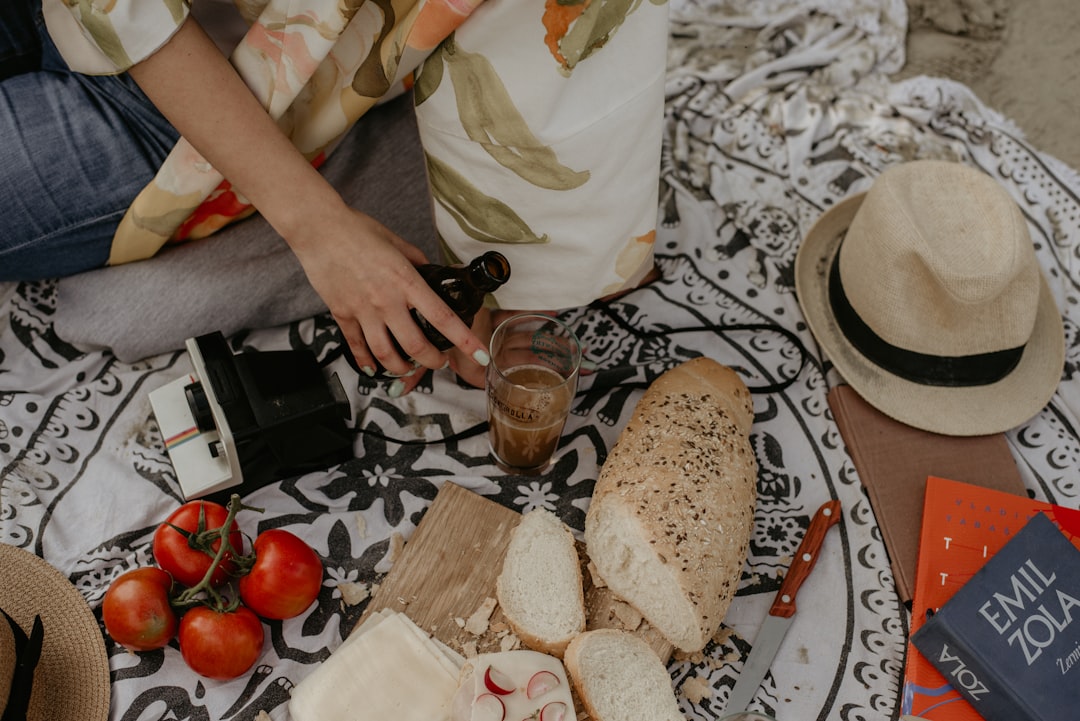
On Bastille Day, the French mark the anniversary by eating in the streets. A simple picnic with a French accent is the natural way to mark the occasion. In some areas of France, it is a tradition to have a picnic on Bastille Day, while in other regions, families enjoy an elaborate meal in the middle of the day. If not a picnic, these meals are enjoyed in gardens or outdoor spaces. The menu is generally lighter, with less cream and butter, and more fruits and vegetables.

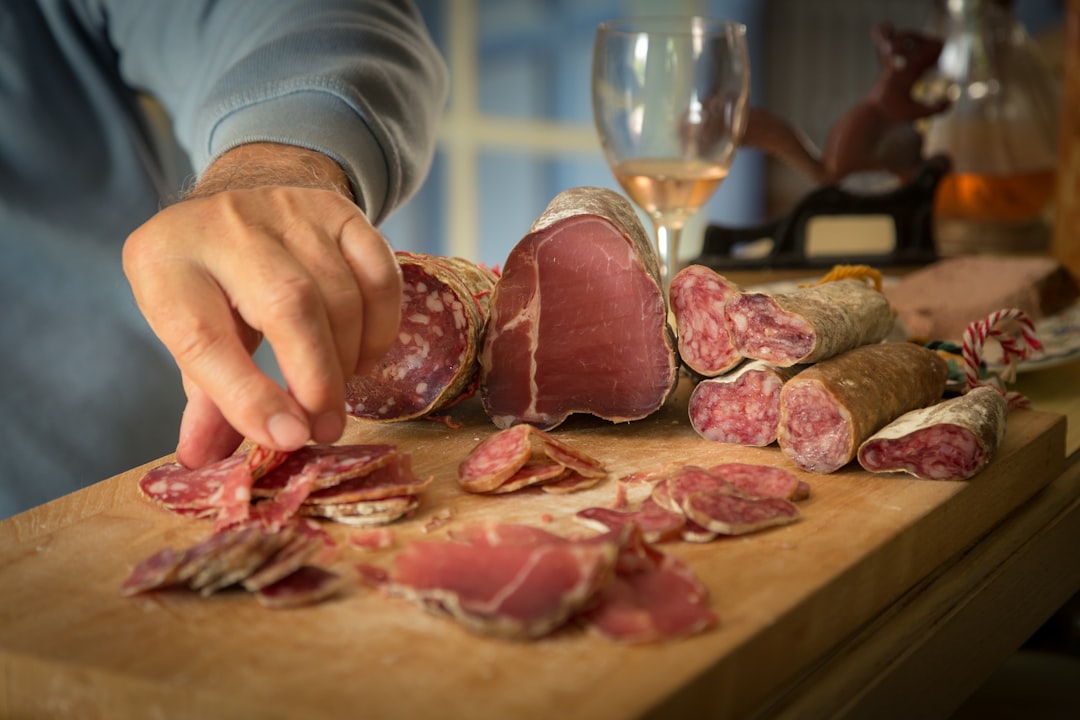
The spicy lamb merguez sausage from North Africa is a popular street food in France, where vendors grill the links until lightly charred and serve them in a baguette with Dijon mustard. Traditional Bastille Day foods at celebrations across France include easy cakes and pastries. Breads, charcuterie, quiche, and wine are also popular. Because Bastille Day is often celebrated with picnics and outdoor events, the food is kept simple.
How French communities celebrate abroad
All over the world, countries have started their own Bastille Day celebrations. Often, it begins in a pocket where there is a large French community. The French food, wine, and culture that spring from these celebrations have attracted local populations as well.
The United States has over 20 cities that conduct annual Bastille Day celebrations. These cities celebrate with many French staples such as food, music, games, and sometimes recreations of famous French landmarks. In the United States, more than 50 cities have established some form of an official Bastille Day celebration. Some of the largest are found in New York, Milwaukee, St. Louis, and New Orleans, all of which have large pockets of strong French influence.

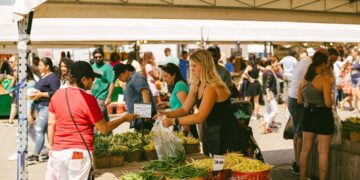
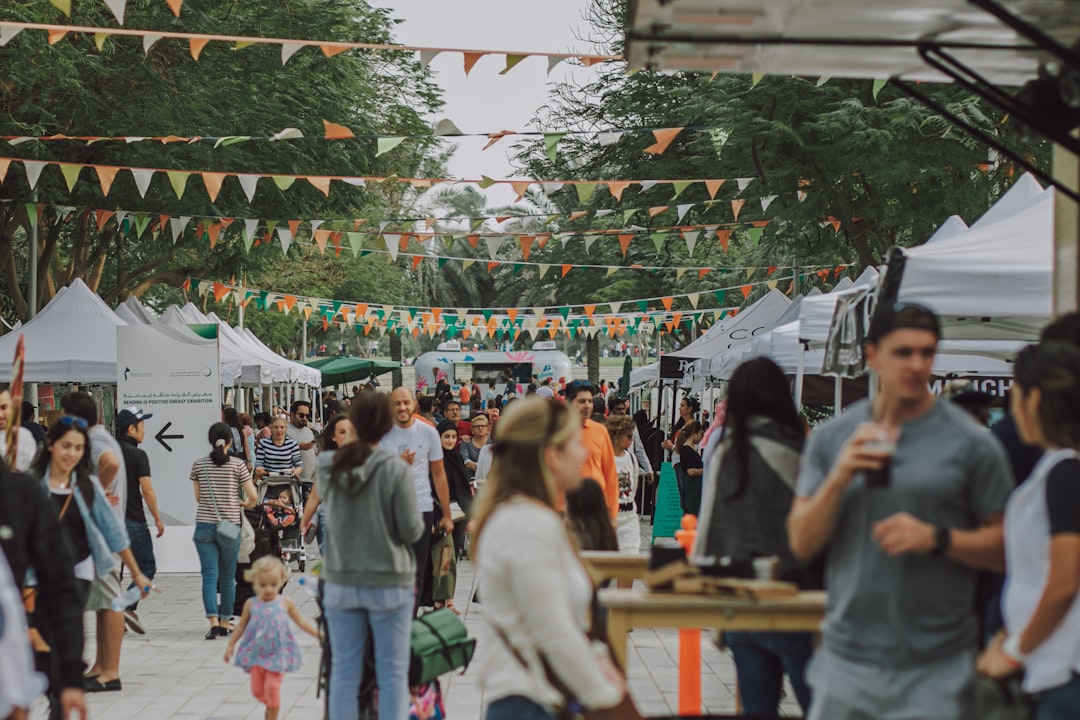
In Washington, D.C., the Embassy of France’s La Maison Française transformed into a Parisian soirée with French cuisine, fine wines, live music, and a DJ set. In Canada, Montreal and Quebec City hosted parades and cultural events celebrating their French heritage, and Australia’s Sydney and Melbourne featured French cuisine and wine tastings. Since 2008, Prague has hosted a French market called Le marché du 14 juillet, offering traditional French food and wine as well as music. The market takes place on Kampa Island, usually between 11 and 14 July.
The role of diaspora in shaping local cuisine
Cities with significant French populations, like Montreal and Sydney, host large-scale events that include live music, food stalls, and fireworks, mirroring the festivities in France. Local organizations and French cultural institutes often organize Bastille Day events, promoting French culture and heritage through film screenings, art exhibitions, and educational workshops.
Under French dominion for 255 years, Pondicherry enjoys the nickname the “Indian Côte d’Azur.” The city celebrates Bastille Day by showcasing its unique brand of French fusion. In Budapest, there are local markets dedicated to French foods and wine, mixed with some traditional Hungarian specialties. This is precisely how diaspora cuisine works. It does not replace local tradition. It layers on top of it, producing something new and worth eating in its own right.
The holiday came to be celebrated in former French colonies and is observed in those places that maintain links to France. French Polynesia especially came to be known for its adaptation of the holiday to its own culture, with singing, dancing, and drumming performances and competitions held throughout the month of July.
Expert perspective on Bastille Day cuisine and cultural transmission
Bastille Day is one of the clearest examples of how food functions as a carrier of national identity across borders. French communities abroad do not simply cook French recipes. They reconstruct a sensory memory, a feeling of being at a particular table, in a particular place, at a particular time of year. The baguette, the rillettes, the glass of rosé, these are not decorative choices. They are precise cultural signals. When a French food market opens in Prague or a merguez barbecue is lit in New York, something more than a meal is being prepared. A community is reaffirming its connection to a shared origin. That connection endures because the craft and the produce behind the food remain consistent and recognizable, regardless of which continent the cook is working on.
Industry perspective, culinary culture and French diaspora food traditions






How the table reflects the values of the holiday
The food of Bastille Day carries a specific democratic quality. While there is no traditional food associated with Bastille Day, many choose to eat peasant food in a nod to the proletariat nature of the uprising that Bastille Day commemorates each July 14th. The baguette, the crêpe, the simple tart with summer fruit: these are foods that belong to everyone.
The gastronomic meal of the French is a customary social practice for celebrating important moments in the lives of individuals and groups. It is a festive meal bringing people together for an occasion to enjoy the art of good eating and drinking. Bastille Day amplifies that practice and projects it outward across the world.
Francophiles worldwide have taken up the observance of Bastille Day, celebrating with dinners of French cuisine or with concerts of French music. The holiday is no longer the exclusive property of French citizens. It is a shared occasion for anyone who values the craft behind a properly made dish.
Conclusion
Bastille Day remains one of the most powerful forces shaping how French cuisine travels and connects. It is now known as an international day to feast, drink, and be free. From the precise technique of a Parisian pastry chef to the informal picnic table in a park in Melbourne, Bastille Day asks its participants to prioritize quality, season, and company. The focus of the meal is not performance. It is pleasure with intention. If you have not yet used Bastille Day as a reason to return to the craft behind your cooking, consider this your invitation. The table is already set. Explore the resources below to deepen your understanding of Bastille Day and the culinary culture it carries around the world.
Discover more about Bastille Day
- Gastronomic meal of the French, UNESCO Intangible Cultural Heritage
- Bastille Day: global celebrations, history and traditions, Wikipedia
- Experience French culture at Bastille Day celebrations around the world, National Geographic