Global cuisine at its most serious finds its fullest expression each October at the Kursaal in San Sebastián, where chefs from every continent gather not to entertain, but to think.
A congress with genuine authority
San Sebastian Gastronomika was the world’s first international gastronomy congress and consistently features leading national and international chefs who have shaped the history of gastronomy. That distinction matters. It means the conversations held here carry weight, not because they are polished presentations, but because the people giving them have built their careers on precision and conviction.

The 2026 edition, the 28th, pays tribute to 50 years of New Basque Cuisine under the slogan “The spark that lit the fire.” This edition is especially meaningful, commemorating a movement born in 1976 that changed Spanish gastronomy and made the Basque Country a worldwide benchmark. For any chef who studies the discipline of cooking, that history is not decoration. It is the foundation on which the current programme rests.
Each autumn, the Kursaal Palace of Donostia becomes the center of international haute cuisine, with talks, demonstrations, debates, and exhibitions that set the trends for the year ahead. The 2026 agenda reflects something more specific than trend-watching. It reflects a change in how serious chefs think about their responsibilities.
Heritage as a primary creative force
The strongest signal from this year’s programme is that heritage has become central, not peripheral, to creative cooking. Across markets, chefs are reconnecting with culinary heritage, sparking a return to traditional recipes, techniques, and regional flavors. This global move toward ancestry-driven cooking reflects a desire for authenticity and cultural grounding.

Running under the slogan “The spark that lit the fire,” the summit will examine the 1976 movement that reshaped Basque gastronomy and influenced the wider trajectory of contemporary Spanish cooking. That movement did not reject classical technique. It redirected it, making the local the lens through which universality became visible.
Consequently, the international line-up at Gastronomika 2026 carries this logic across borders. Organisers have confirmed the attendance of several internationally recognised chefs, including Pierre Gagnaire and Michel Troisgros, alongside Peruvian chef Gastón Acurio, who cites New Basque Cuisine as an influence on his work. Each of these figures represents a different geography, yet each grounds their cooking in a specific cultural lineage.
Sustainability, technique, and the discipline of the sea
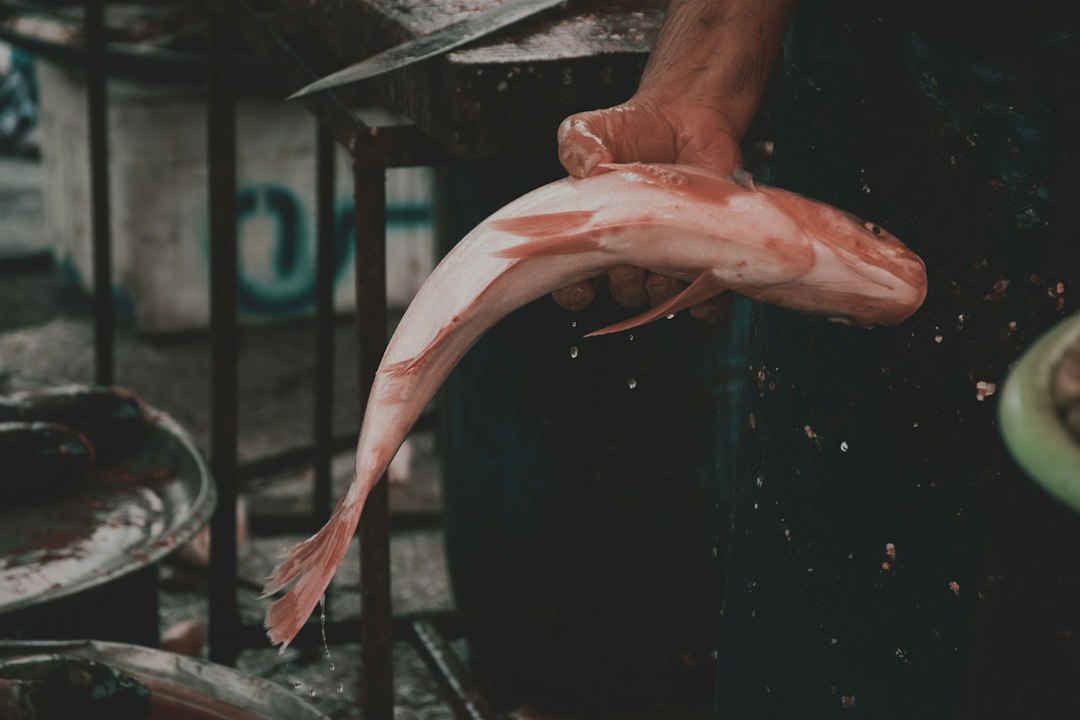
The 2026 programme places particular emphasis on the sea as a subject of serious culinary study. The programme includes lectures centred on cod, examining its role in Basque history from the 16th-century Newfoundland fisheries to Pasaia’s period as one of the world’s largest cod ports. Sessions will cover nearly 60 species of the fish, as well as traditional preparations from Norway, Iceland, Portugal, Italy, Brazil, Cape Verde, and Niger.
This is technique in its deepest form. A chef who understands one ingredient across 60 preparations and 7 food cultures does not follow fashion. Culinary creativity can act as both a beacon and a bridge, creating markets and networks that favor sustainable producers. For chefs and restaurateurs, the task is clear: make delicious food that offers payback at its roots.




Furthermore, the broader movement in global cuisine runs in the same direction. Chefs are reinterpreting dishes from around the world, blending authenticity with local influence. The movement includes highlighting cooking techniques, the origins of a recipe, and where the ingredients are sourced. Gastronomika gives this movement an intellectual framework and a stage.
Expert perspective on where global cuisine is heading
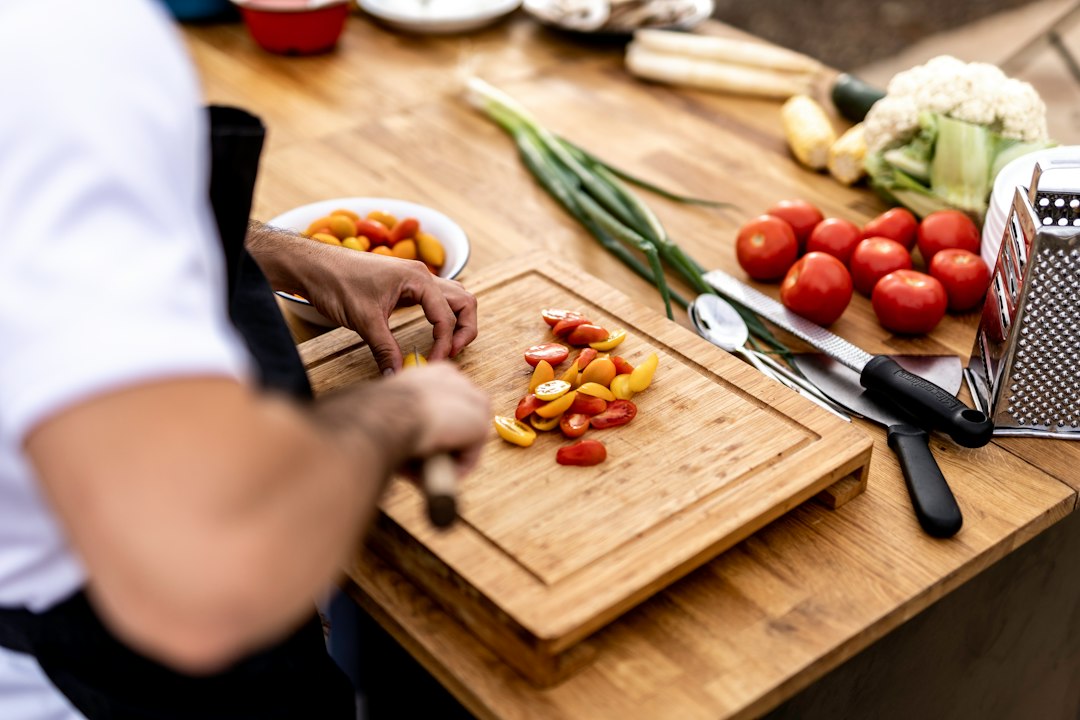
The conversation in serious kitchens has shifted decisively. It is no longer enough to master a technique in isolation. Chefs today are expected to understand the territory that produced an ingredient, the culture that shaped its preparation, and the ecological cost of its sourcing. This demands a kind of fluency that goes well beyond cooking school. Heritage, sustainability, and fermentation are not trends in fine dining. They are the new grammar of the profession. A chef who ignores that grammar will find it increasingly difficult to communicate with the most discerning diners, the most thoughtful producers, and the most important critics in the world. The future belongs to those who cook with memory and intention.
Industry perspective, haute cuisine and gastronomy congress professionals
Regional precision and the rise of fermentation
If 2026 has a dominant flavor story in global cuisine, it is regional specificity. Chefs are no longer using broad geographical categories. They are becoming precise, personal, and rooted. This precision is exactly what Gastronomika rewards and what its most distinguished alumni have always practised.
Fermentation deserves particular attention as a technique that connects heritage, sustainability, and flavor simultaneously. One leading chef predicts that fermented flavors like misos, shoyus, black garlic, and koji-aged proteins will grow in importance, reflecting a broader interest in controlled transformation as a craft discipline. For chefs trained in classical methods, fermentation represents not a departure but an extension: patience applied to ingredient, time made visible on the palate.
Past Gastronomika speakers have included René Redzepi, the father of New Nordic cuisine, Leonor Espinosa, who champions Colombia’s culinary traditions, and Yoshihiro Narisawa, a pioneer of sustainable cuisine whose restaurant is considered the best in Japan. Their presence across different editions of the congress shows that the event does not privilege one geography. It privileges one level of seriousness.
Conclusion: global cuisine is not a destination
Global cuisine, as Gastronomika 2026 makes clear, is not a destination. It is a practice, one that demands continuous study of territory, ingredient, and memory. The most compelling chefs on this year’s programme share a single quality: they cook from knowledge, not from trend. If you follow what serious kitchens are building today, follow global cuisine through the lens of this congress. The next plate that moves you will almost certainly carry the weight of a place and a past. Discover the full programme and let it refine your understanding of what food at its finest can mean.
Discover more about global cuisine
- San Sebastián Gastronomika, Spain Tourism Official
- Five Food Industry Trends Chefs Should Watch, Worldchefs
- 2026 Restaurant Trends Chefs Are Betting On, Forbes