A pan sauce is one of the most universally adaptable techniques in cooking, and once you understand its 5 core steps, you can build bold, restaurant-quality flavors from virtually any cuisine in under 10 minutes.
Step 1: Build a strong fond
The foundation of every great pan sauce is fond. Fond is the layer of browned bits that forms on the bottom of your pan during cooking. These bits carry intense, concentrated flavor. They form because of the Maillard reaction, which occurs when proteins and sugars cook at high heat and produce complex aromas and color.

To build a strong fond, you need the right pan. A stainless steel or well-seasoned cast iron skillet works best. A non-stick pan will not develop fond to the same degree, so your sauce will have less depth. Also, avoid crowding the pan. When food is too close together, it steams instead of sears, and fond does not form properly.
Step 2: Add aromatics for global character
After you remove your cooked protein or vegetables from the pan, the next step is to add aromatics. This is where your choice of cuisine takes shape. Aromatics are ingredients like shallots, garlic, ginger, lemongrass, dried chili, or onion. You cook them briefly in the fat remaining in the pan.
For a French-style pan sauce, you might use shallot and thyme. For a Japanese-inspired version, try ginger and scallion. For a Mexican direction, add garlic and ancho chili. The cooking process is the same in each case. You simply sauté the aromatics for 1 to 2 minutes until they soften and release their fragrance.

Step 3: Deglaze the pan
Deglazing is the process of adding a cold or room-temperature liquid to a hot pan to lift the fond from the surface. This step releases all the flavor that has built up on the bottom. You can use wine, stock, beer, citrus juice, coconut milk, miso broth, or any flavorful liquid that suits your chosen cuisine.
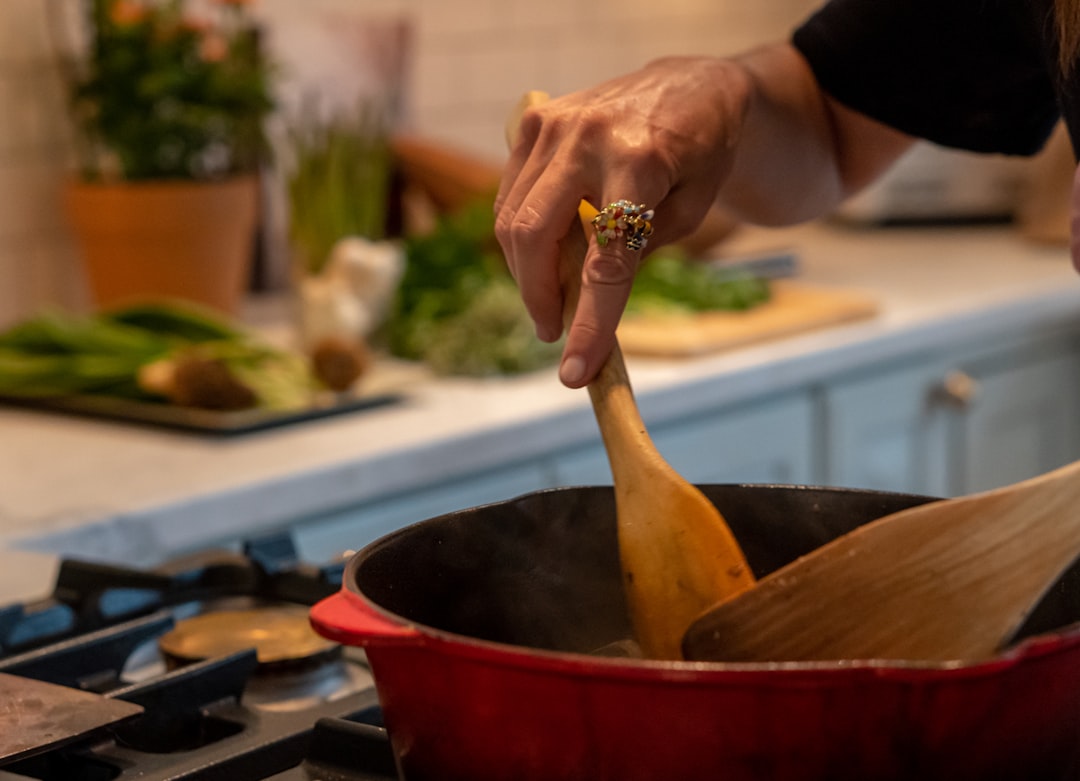
Pour the liquid into the pan and use a wooden spoon or spatula to scrape every bit of fond from the surface. Work quickly and thoroughly. Those browned bits dissolve into the liquid and become the body of your sauce. If you use a high-proof spirit such as brandy or sake, take care, because it may ignite briefly over an open flame.
Expert perspective on pan sauce across cuisines
The pan sauce technique is one of the clearest examples of a universal culinary grammar. At its core, it follows the same logic whether you are cooking in Lyon, Lagos, or Osaka: you build heat, you create browning, you lift that flavor with liquid, and you concentrate it through reduction. The ingredient choices change everything, of course. The liquid you deglaze with, the aromatics you choose, the fat you use to finish, these signal cuisine, culture, and identity. But the underlying architecture is always the same. This is what makes the pan sauce such a powerful teaching tool. It shows students that technique is truly universal, even when ingredients are deeply local. A cook who masters this one method can adapt it to hundreds of dishes across dozens of culinary traditions.
Industry perspective, culinary arts and technique educators





Step 4: Reduce to concentrate flavor
Reduction is the process of simmering a liquid until some of its water content evaporates, which concentrates its flavor and thickens its consistency. After deglazing, bring the liquid to a gentle simmer and let it reduce. For most pan sauces, you reduce the liquid by roughly half. You can tilt the pan occasionally to see how much liquid remains.
Temperature control matters here. A steady medium heat gives you control. Too high and the liquid reduces too fast, which can make the sauce too salty or too thick. Too low and the process takes much longer than necessary. The goal is a sauce that coats the back of a spoon lightly, with a full, rich aroma.
Step 5: Finish with fat and seasoning
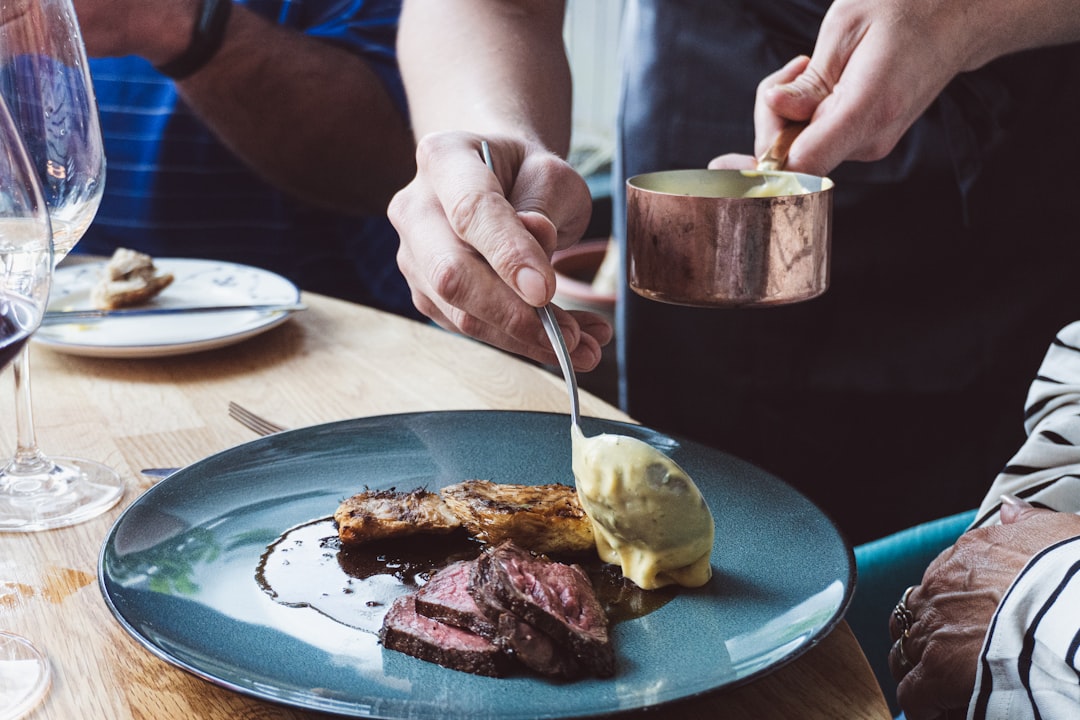
The final step transforms a good reduction into a great pan sauce. Finishing with fat, usually cold butter whisked in off the heat, adds richness and a silky texture. This technique is called mounting with butter in classical French cooking. However, finishing fat can also be a drizzle of sesame oil, a spoonful of coconut cream, or a splash of good olive oil, depending on your target cuisine.
After you add the fat, taste the sauce and adjust the seasoning. A small pinch of salt, a squeeze of lemon, a drop of soy sauce, or a few drops of vinegar can sharpen and balance the final result. Pour the sauce over your protein or vegetables immediately and serve.
Build any cuisine from 1 technique
A pan sauce is proof that great cooking rests on a small number of transferable skills. Once you understand fond, aromatics, deglazing, reduction, and finishing, you hold a tool that works across every major culinary tradition in the world. Practice these 5 steps with any protein or vegetable you cook this week. Taste at each stage. Adjust freely. The more you build pan sauce into your regular cooking, the faster your instincts will develop, and the better every meal will taste.
Discover more about pan sauce
- Sauce-Making 102: How to Make a Pan Sauce to Pair with Any Protein
- How to Deglaze a Pan: 5 Easy Pan Sauce Recipes
- Pan Sauce Ratio Chart: 10 Proteins, Liquids and Reduction Times