CONTACT
  • Login
Upgrade
GUSTOwebzine
Advertisement
  • Home
    • Our Authors
    • Subscribe for Free
    • Media Kit
    • Contact
    • Terms and Conditions
    • Cookie Policy
  • Discoveries
    • Chefs
  • Culinary Culture
  • Food & Drinks
  • Cooking Tips
    • Recipes
  • GUSTO Global
  • Insights
  • GUSTO Guide
    • Hotels Worldwide
    • Nightlife Worlwide
    • Restaurants Worldwide
    • Services Worldwide
  • Home
    • Our Authors
    • Subscribe for Free
    • Media Kit
    • Contact
    • Terms and Conditions
    • Cookie Policy
  • Discoveries
    • Chefs
  • Culinary Culture
  • Food & Drinks
  • Cooking Tips
    • Recipes
  • GUSTO Global
  • Insights
  • GUSTO Guide
    • Hotels Worldwide
    • Nightlife Worlwide
    • Restaurants Worldwide
    • Services Worldwide
No Result
View All Result
GUSTOwebzine
No Result
View All Result
Home Home Cooking Tips

Complete guide to balancing salt, acid, fat, and heat

Learn the 4 fundamental elements that make every dish taste exactly as it should, no matter what cuisine you cook.

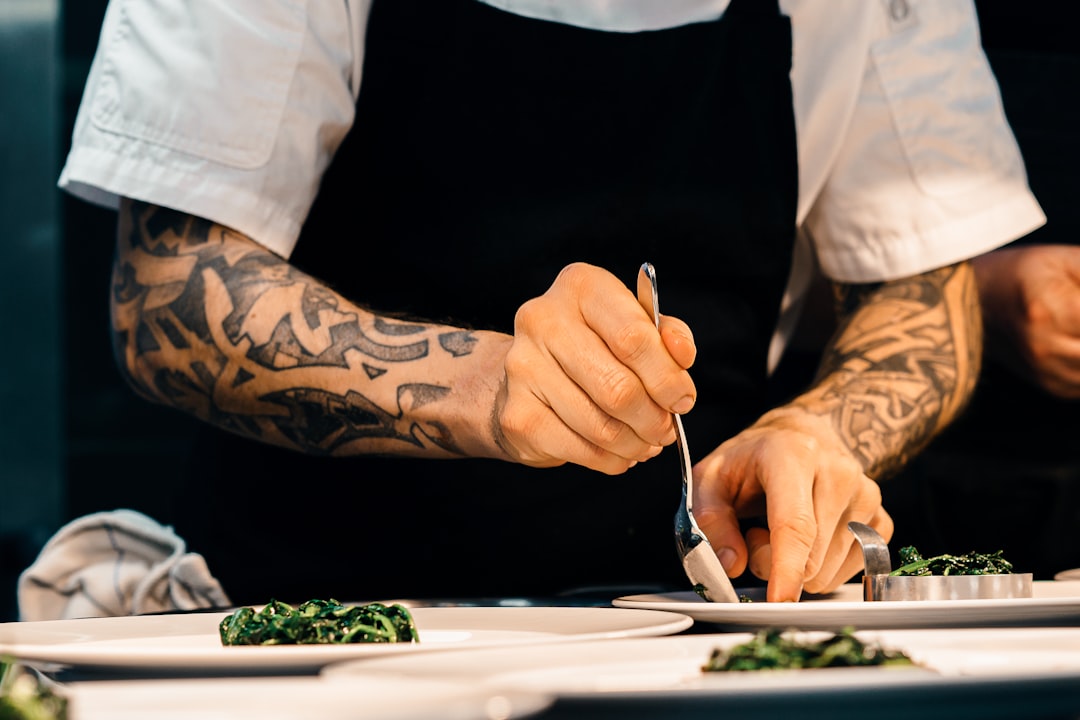
A professional chef adjusting salt acid and seasoning in a large pot in a busy restaurant kitchen

Salt acid is the starting point for every great dish across every cuisine on the planet, and understanding how it works alongside fat and heat changes the way you cook forever.

Why these 4 elements control everything

Salt acid fat heat are not just ingredients or techniques. They are the building blocks that determine how food tastes and feels. When any one of these elements is missing or out of proportion, a dish suffers. When all 4 work together, the result is food that tastes complete.

Salt does more than make food taste salty. It pulls out the natural flavor of ingredients. Without enough salt, most dishes taste flat or dull, no matter how good the other ingredients are. Add salt gradually, taste as you go, and give it time to absorb before you add more.

GUSTO guide worldwide restaurants, hotels, nightlife, professional services GUSTO guide worldwide restaurants, hotels, nightlife, professional services GUSTO guide worldwide restaurants, hotels, nightlife, professional services

Acid brightens a dish and keeps richness from feeling heavy. A squeeze of lemon over roasted fish, a splash of vinegar in a braise, a spoonful of yogurt on a spiced curry: these small additions lift the whole plate. If a dish tastes too rich or too one-dimensional, acid is usually the answer.

How fat carries and delivers flavor

Fat is not just a cooking medium. It carries flavor compounds and delivers them to your palate in a way that water cannot. Olive oil in a Mediterranean dressing, coconut milk in a Thai curry, rendered duck fat on roasted vegetables: each fat has its own character and passes that character directly into the food.

Fat also creates texture. It gives sauces their body, makes pastry tender, and produces a crisp exterior when it meets high heat. The type of fat you choose matters as much as the amount. Butter brings richness and a mild sweetness. A neutral oil lets other flavors speak. A smoked or infused oil adds a layer of complexity from the first drop.

When a dish tastes too sharp or too acidic, adding a small amount of fat smooths and softens those edges. Fat and acid are natural partners: they correct each other and create equilibrium in a dish.

How to use heat with intention

Heat transforms raw ingredients into cooked ones, but not all heat works the same way. High heat creates browning, which builds deep, complex flavor through a chemical process called the Maillard reaction. Low and slow heat breaks down tough connective tissue and develops richness over time. Knowing which type of heat a dish needs is one of the most important decisions a cook makes.

Moist heat (boiling, steaming, or poaching) is gentle. It preserves delicate textures and keeps flavors clean. Dry heat (roasting, grilling, or searing) concentrates flavor and adds color. Most cuisines use both methods within a single dish, often starting with high heat to build a crust or caramelization and then finishing with lower heat to cook through evenly.

Control the temperature of your pan before food goes in. A pan that is too cool produces steamed, pale food instead of a proper sear. A pan that is too hot burns the exterior before the interior cooks. Temperature control is a skill that develops with practice, and it repays that practice many times over.
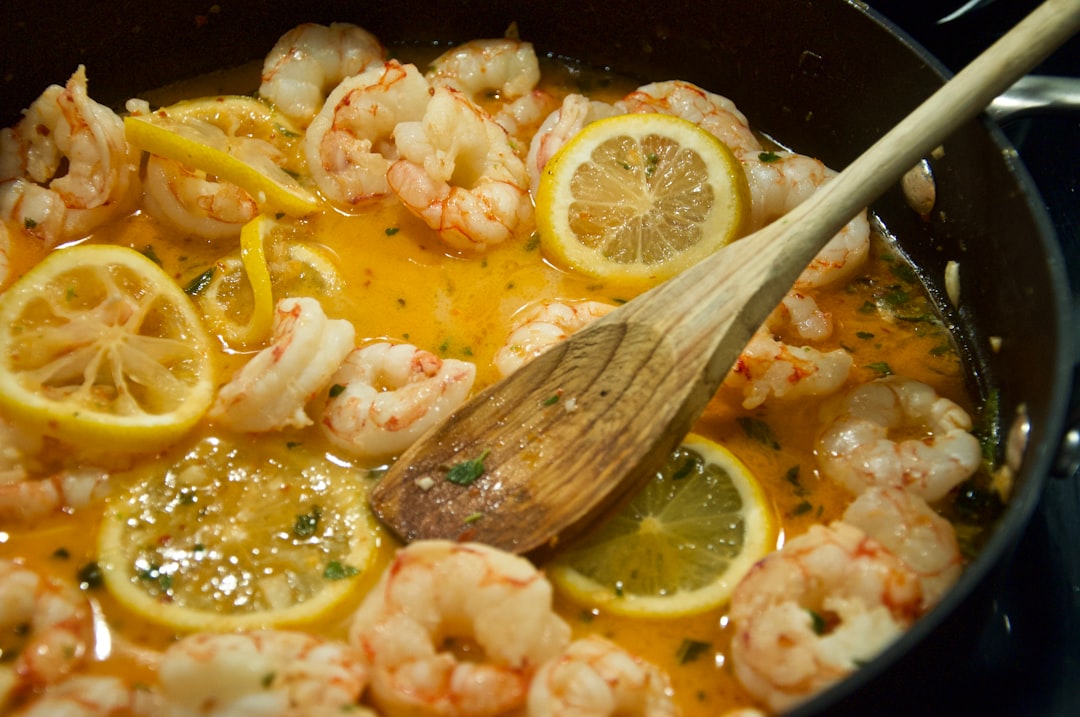

A home cook squeezing fresh lemon juice to balance salt acid and richness in a sautéed dish

An industry perspective on flavor balance

Balancing flavor is not a talent that some cooks are born with and others are not. It is a learnable framework. When a student understands that salt enhances, fat carries, acid corrects, and heat transforms, they stop guessing and start thinking. The biggest shift we see in kitchen training is the moment a cook stops following a recipe as a fixed instruction and starts reading a dish as something dynamic, something they can adjust in real time. Every cuisine in the world, from a Japanese dashi to a Moroccan chermoula to a Colombian ajiaco, obeys the same underlying logic. The ingredients change. The proportions shift. The cultural tradition shapes the choices. But the principles of flavor balance remain constant. Once a cook internalizes that, they can work confidently with any ingredient from any part of the world.

Industry perspective, professional culinary arts educators and flavor training specialists

-

A woman harvesting fresh herbs from a sunny summer garden, cutting stems with small scissors

How to Keep Herbs Fresh All Summer

09/08/2026
A home cook carefully presenting a foreign recipe book as she prepares to adapt recipe techniques

Learn how to adapt recipes from another culture

05/08/2026
A woman applies a thin layer of oil to a cast iron pan during the cast iron seasoning process in a home kitchen.

Cast iron seasoning: the complete guide

19/07/2026
A chef demonstrating knife skills while slicing fresh summer tomatoes on a wooden cutting board

Knife skills for summer produce prep

13/07/2026
A chef holds tongs over an open flame while charring summer peppers on a gas stovetop in a professional kitchen.

Summer peppers: char, peel, and use them

08/07/2026
A woman carefully assembling a cold noodle bowl with fresh vegetables and sesame dressing on a bright kitchen counter

Cold noodle bowl for hot summer days

03/07/2026

Practical fixes for common problems

When a dish does not taste right, the solution is usually one of the 4 elements. A dish that tastes bland needs more salt or more browning. A dish that tastes too heavy needs acid. A dish that tastes too sharp needs fat. A dish that tastes flat needs longer exposure to dry heat to develop color and depth.

The key is to taste at every stage, not just at the end. Salt added at the beginning of cooking penetrates ingredients and seasons them from the inside. Acid added at the end of cooking brightens a finished dish without cooking off its brightness. Fat added during cooking carries flavor through the dish. Fat added at the end adds richness and gloss.

These corrections work across every cuisine. The specific ingredients change: fish sauce instead of sea salt, rice vinegar instead of lemon juice, sesame oil instead of olive oil. But the logic is the same everywhere.

A cook tasting a finished dish to check the balance of salt acid fat and heat before serving

Conclusion: salt acid fat heat as a universal language

Salt acid fat heat form a universal language that every cuisine speaks. When you understand each element and how they interact, you stop needing recipes to tell you what to do. You start reading your food and responding to what it needs. Apply these principles consistently and every dish you cook will improve, regardless of the cuisine, the ingredient list, or the occasion. Return to salt acid whenever a dish feels off, and let the other 3 elements guide the correction. This framework is the most practical tool any cook can carry into any kitchen in the world.

Discover more about salt acid

  • Flavor and Food Science Resources: Codex Alimentarius Commission (FAO/WHO)
  • Culinary Arts Switzerland: How to Balance the Five Flavor Elements
  • Escoffier School of Culinary Arts: How Culinary Students Explore Flavor Profiles

author avatar
WEBZINE BOT
See Full Bio
Previous Post

Street food markets London guide

Next Post

7 chilled grain salads that hold up in summer heat

Related Posts

A woman harvesting fresh herbs from a sunny summer garden, cutting stems with small scissors
Home Cooking Tips

How to Keep Herbs Fresh All Summer

09/08/2026
A home cook carefully presenting a foreign recipe book as she prepares to adapt recipe techniques
Home Cooking Tips

Learn how to adapt recipes from another culture

05/08/2026
A woman applies a thin layer of oil to a cast iron pan during the cast iron seasoning process in a home kitchen.
Home Cooking Tips

Cast iron seasoning: the complete guide

19/07/2026
A chef demonstrating knife skills while slicing fresh summer tomatoes on a wooden cutting board
Home Cooking Tips

Knife skills for summer produce prep

13/07/2026
A chef holds tongs over an open flame while charring summer peppers on a gas stovetop in a professional kitchen.
Home Cooking Tips

Summer peppers: char, peel, and use them

08/07/2026
Next Post
A woman carefully dressing chilled grain salads in a bright kitchen, showcasing global culinary technique

7 chilled grain salads that hold up in summer heat

Leave a Reply Cancel reply

Your email address will not be published. Required fields are marked *

Truelang AI Translations Truelang AI Translations Truelang AI Translations
No Result
View All Result

Our Focus

GUSTOwebzine is your international window on food culture: culinary lifestyle, trends, recipes and gastronomic stories for a global audience with a passion for exceptional taste.

Our Readers

GUSTOwebzine addresses readers who engage with food culture at a high level: as culinary professionals, passionate home cooks, food entrepreneurs, and tastemakers in their communities.

Our Approach

Recipes, trends, and dining culture are integrated as context and indicators of creativity, identity, and the social forces shaping how the world eats, not standalone content.

Recent Post

  • How Coastal Resort Restaurants Adapt Menus for August
  • Spice pantry built on India’s 6 regions

© 2026 GUSTOwebzine by NOOR & NOOR — part of WEBZINE.world.

Welcome Back!

Login to your account below

Forgotten Password?

Retrieve your password

Please enter your username or email address to reset your password.

Log In
Manage Consent
To provide the best experiences, we use technologies like cookies to store and/or access device information. Consenting to these technologies will allow us to process data such as browsing behavior or unique IDs on this site. Not consenting or withdrawing consent, may adversely affect certain features and functions.
Functional Always active
The technical storage or access is strictly necessary for the legitimate purpose of enabling the use of a specific service explicitly requested by the subscriber or user, or for the sole purpose of carrying out the transmission of a communication over an electronic communications network.
Preferences
The technical storage or access is necessary for the legitimate purpose of storing preferences that are not requested by the subscriber or user.
Statistics
The technical storage or access that is used exclusively for statistical purposes. The technical storage or access that is used exclusively for anonymous statistical purposes. Without a subpoena, voluntary compliance on the part of your Internet Service Provider, or additional records from a third party, information stored or retrieved for this purpose alone cannot usually be used to identify you.
Marketing
The technical storage or access is required to create user profiles to send advertising, or to track the user on a website or across several websites for similar marketing purposes.
  • Manage options
  • Manage services
  • Manage {vendor_count} vendors
  • Read more about these purposes
View preferences
  • {title}
  • {title}
  • {title}
No Result
View All Result
  • Home
    • Our Authors
    • Subscribe for Free
    • Media Kit
    • Contact
    • Terms and Conditions
    • Cookie Policy
  • Discoveries
    • Chefs
  • Culinary Culture
  • Food & Drinks
  • Cooking Tips
    • Recipes
  • GUSTO Global
  • Insights
  • GUSTO Guide
    • Hotels Worldwide
    • Nightlife Worlwide
    • Restaurants Worldwide
    • Services Worldwide

© 2026 GUSTOwebzine by NOOR & NOOR — part of WEBZINE.world.

Not enough quota to unlock this post
Unlock left : 0
Are you sure want to cancel subscription?
Verified by MonsterInsights
enEnglishdeDeutschesEspañolfrFrançaisitItalianoja日本語nlNederlandszh中文
No results