
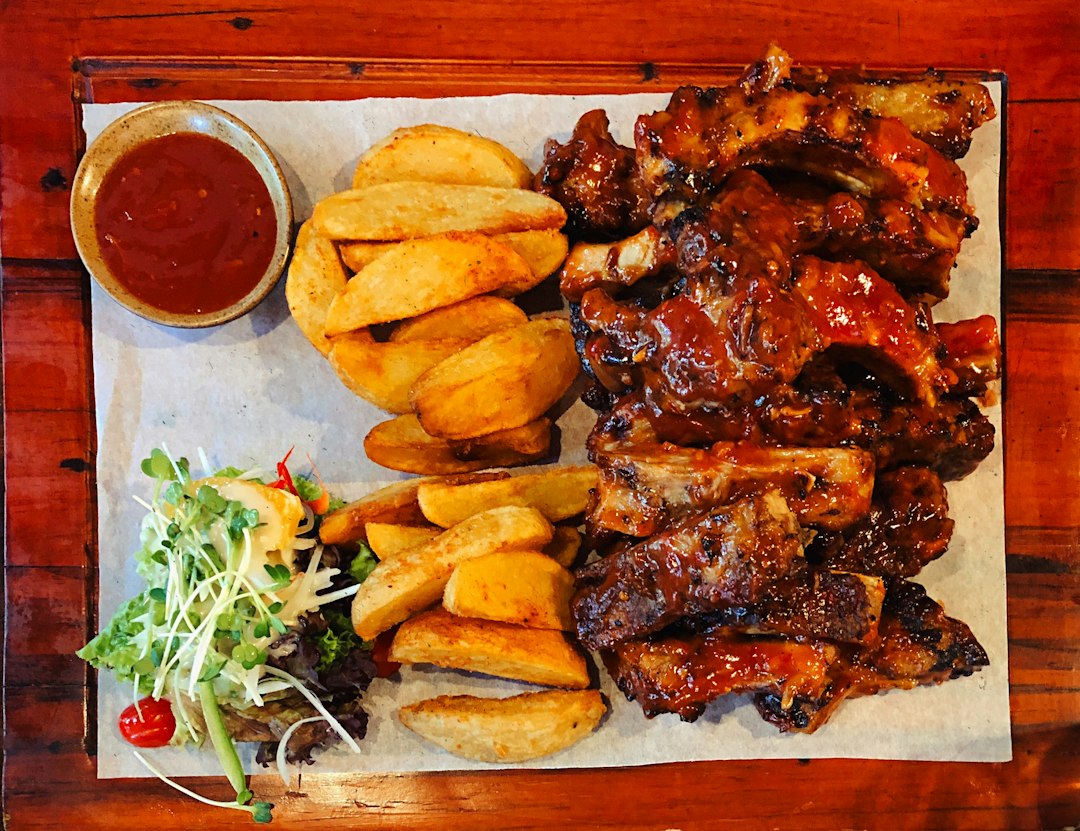
Short ribs look like a weekend project, and most recipes treat them that way, demanding three hours of attention on a Tuesday night. That assumption is wrong. A braise needs about twenty-five minutes of real work: searing the meat, building the liquid, then closing the oven door. Short ribs are done once collagen fully breaks down, somewhere between 190°F and 200°F, a threshold the oven reaches on its own schedule, not yours.
The cut decides the method: English-cut vs flanken short ribs
Ask a butcher for short ribs and you can walk away with two very different cuts. English-cut short ribs are made when butchers sever the ribs and leave a thick piece of meat sitting atop the bones. Flanken, by contrast, is sawed across the bone rather than between it: flanken-style short ribs have a half-inch thick strip of meat that runs across four to five bones. One cut braises for hours, the other grills in minutes, and swapping them in a recipe ruins the result.
Price reflects that difference in use. English-cut bone-in short ribs in Choice grade typically run $7 to $12 per pound, flanken-cut sits at $7 to $10, and wagyu short ribs can reach $25 to $50 per pound. Portion size shifts too: one pound of English-cut ribs, typically one to two bones, serves one person generously due to the bone weight, while flanken-cut ribs need about 1.5 pounds per person to account for the higher bone-to-meat ratio. For a braise, buy English-cut and leave flanken for the grill.
The temperature that turns tough meat tender
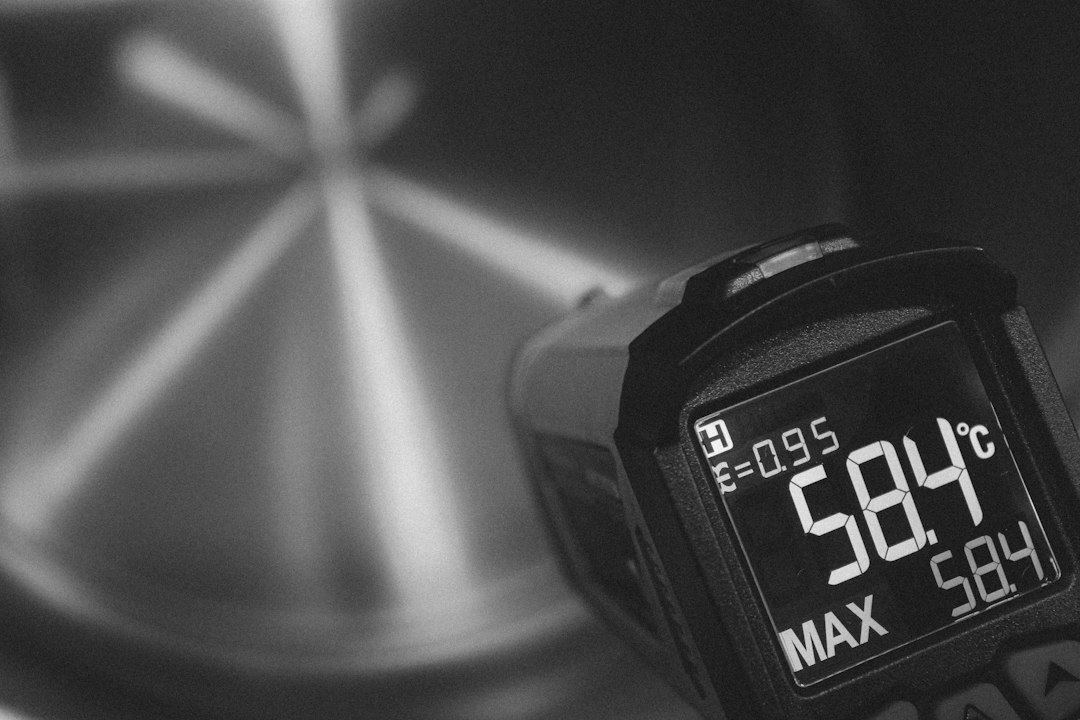
Collagen is the connective tissue that makes raw short ribs chewy, and it needs sustained heat to soften into gelatin. One restaurant-style method notes that the internal temperature of the meat must reach at least 68°C (155°F) to break collagen down into a tender texture. Doneness, though, sits higher: a probe thermometer guide recommends pulling the ribs once they hit a temperature of about 203°F (95°C), checked in the thickest part of the largest rib.
Oven settings vary by method, and both work. A common approach runs the oven at 325°F for roughly two and a half to three hours, which gives a steady, moderate braise. A gentler method holds the oven between 225°F and 250°F with the lid of the Dutch oven slightly ajar to allow for evaporation, keeping the braising liquid about 20 degrees cooler than the surrounding oven air as a buffer against overcooking. Choose the hotter, faster setting on a tighter schedule, and the lower, slower one when the oven will sit unattended all afternoon.
Searing, deglazing and building the braising liquid
The sequence matters as much as any ingredient. Pat the ribs dry, season heavily, then sear in batches over medium-high heat: working in batches to avoid overcrowding, sear the short ribs on all sides until deeply browned, about two to three minutes per side. Crowding the pot steams the meat instead of browning it, so two or three batches beat one.
Once the ribs rest on a plate, soften onion, carrot and celery in the rendered fat, then deglaze with wine, scraping up any developed fond, the browned bits, from the bottom of the pot. Return the ribs to the pot, add stock until the liquid comes partway up the meat, cover, and transfer to the oven. Cook for three to three and a half hours, or until the short ribs are fork-tender and falling off the bone.
Can short ribs really work on a weeknight?
The honest objection is obvious: a three-hour oven time does not sound like a Tuesday dinner. But active time and oven time are different things, and only the first competes with a weeknight schedule. Searing and building the liquid takes about twenty-five minutes total; the remaining hours ask nothing from the cook except patience and an occasional check of the liquid level.
The dish also reheats better than it serves fresh, because the fat rises and solidifies in the fridge, making it simple to lift off before warming. One recipe's instructions confirm the method: place the short ribs in an oven-safe dish, cover with foil, and reheat at 350°F for 20 to 30 minutes, until completely warmed through. Sear and braise on Sunday, refrigerate, and Tuesday's dinner needs twenty-five minutes and nothing else.
Pairing the braise: starches, wine and portions
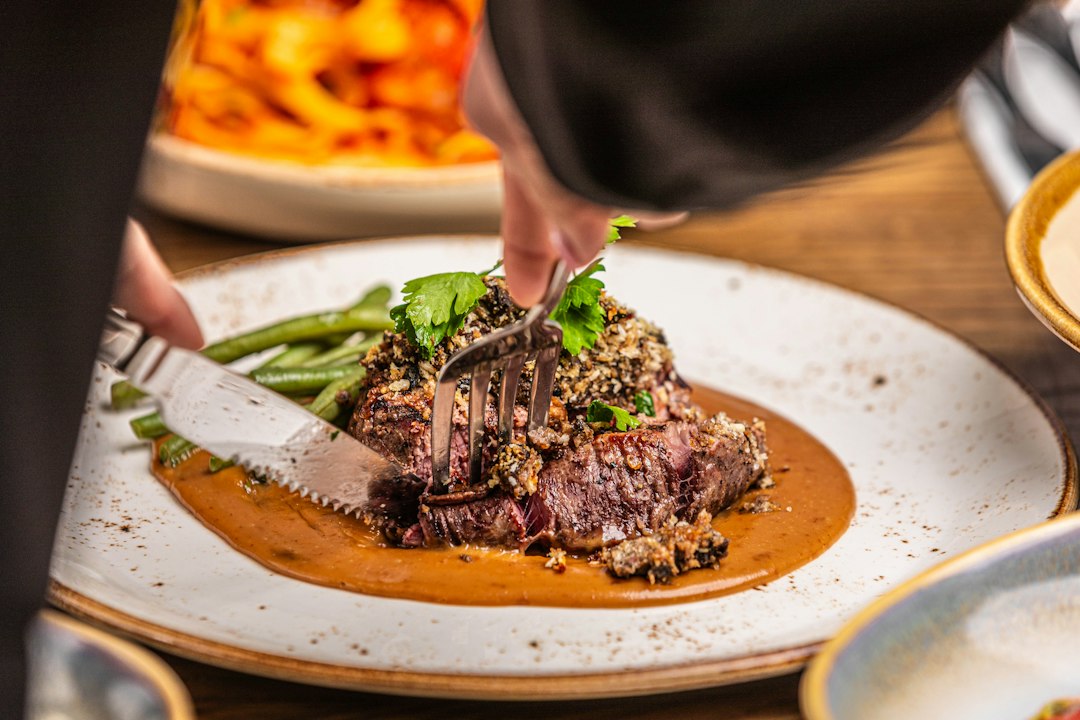
Serve the finished ribs over something starchy enough to hold the sauce. One Food Network version ladles the braise over creamy polenta; another recommends building the pot with a hearty red wine, the same bottle worth opening at the table. Either pairing works because the sauce, thickened with rendered collagen, needs a plain, absorbent base to show it off.
Portion by cut rather than habit. One pound of English-cut short ribs serves one person generously, while flanken needs closer to a pound and a half per person because more of its weight sits in bone rather than meat. Buy accordingly, and a weeknight braise stops being a special-occasion guess and becomes a dish with a reliable shopping list.
Once the cut, the temperature and the schedule are settled, braised short ribs stop being a weekend indulgence and become a dish you can plan around a Tuesday. The oven, not the cook, does the difficult part. What remains is twenty-five minutes of searing on a Sunday and a reheated dinner that tastes like it took all day, because in one sense, it did.