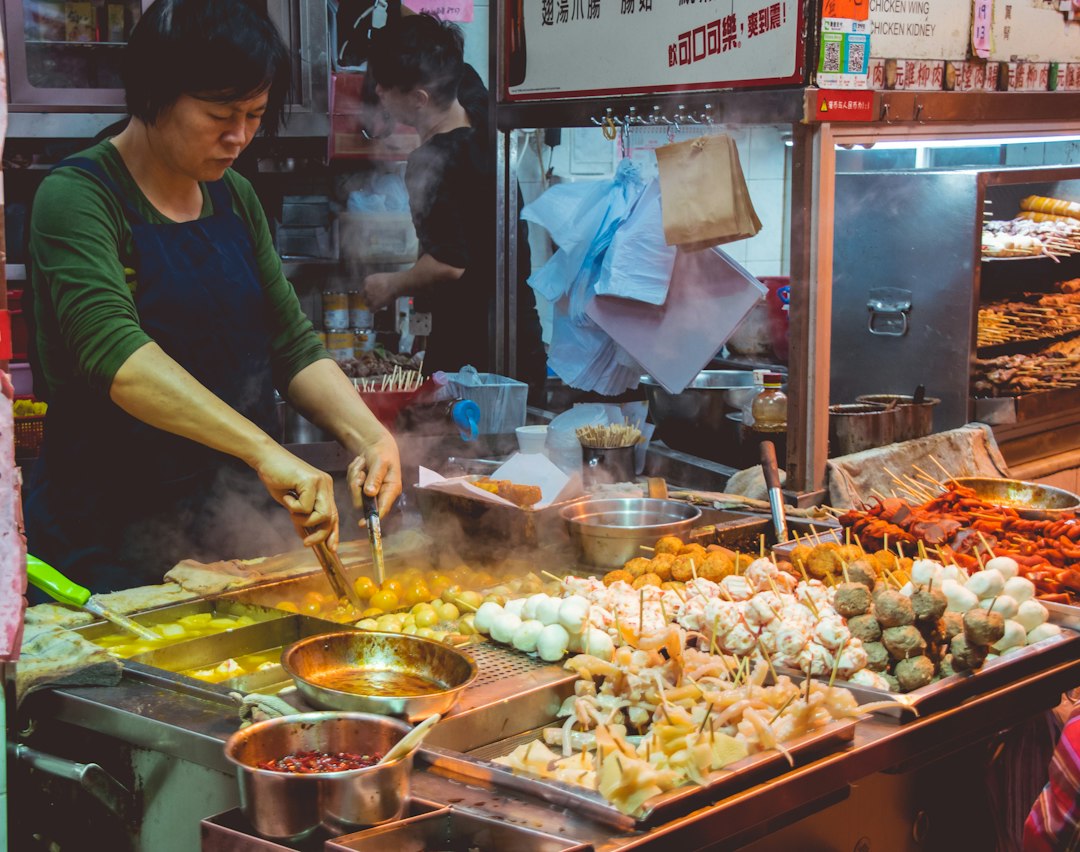
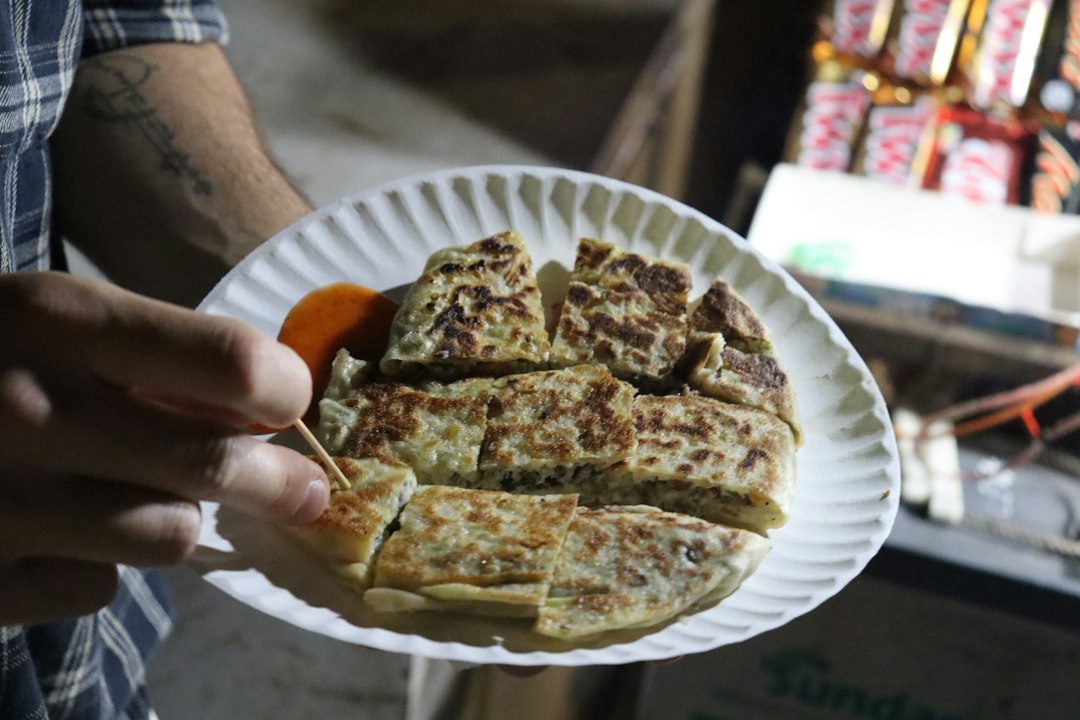
Shilin, Raohe and Ningxia all compete for a visitor's first evening in Taipei, and no single one is the obvious pick. Shilin offers scale, Raohe builds a whole evening around one bun, and Ningxia stays small and local. Each promises a different first bite, and choosing wrong can mean a rushed, overcrowded start or a market so compact it ends in twenty minutes. The right order usually depends on appetite, patience for queues and how many nights are actually available.
Shilin night market: scale over everything
Shilin sits in the Shilin district, and the first thing to know is where to get off. Shilin is Taipei's biggest and most famous night market, and the first thing to know is that you get off at Jiantan station, not Shilin station. It spreads across several blocks of Shilin district from about 4pm to midnight daily.
For a first bite, the oyster omelette carries the most weight here. It is Shilin's signature dish and the thing the market is genuinely famous for, served in the underground food court alongside the bigger-than-your-face Hot-Star fried chicken cutlet. That cutlet is a boneless chicken cutlet, pounded thin and wide, battered, deep-fried, crispy outside and juicy inside, priced at NT$85 for the original and NT$100 for the spicy version.
Sit-down relief exists too. Hai You Pork Ribs on Dadong Road is a shop in its sixth decade with a Michelin Bib Gourmand for one dish: pork ribs braised in a soup built from more than a dozen Chinese herbs. A bowl with braised pork rice makes a full meal for about NT$150, according to local coverage.
The trade-off is crowd density. Shilin is the one every tour bus stops at, which is both its appeal and its problem, and it rewards a bit of planning far more than most night markets do.
Raohe night market: one bun worth the queue
Raohe runs along a single historic lane in Songshan district, and its shape makes it the easiest of the three to read at a glance. Raohe Night Market stretches six hundred metres of pepper-bun smoke and shuffling crowds running west from the eighteenth-century Ciyou Temple. In 1987, the Taipei city government formalised the street as the city's second official tourist night market.
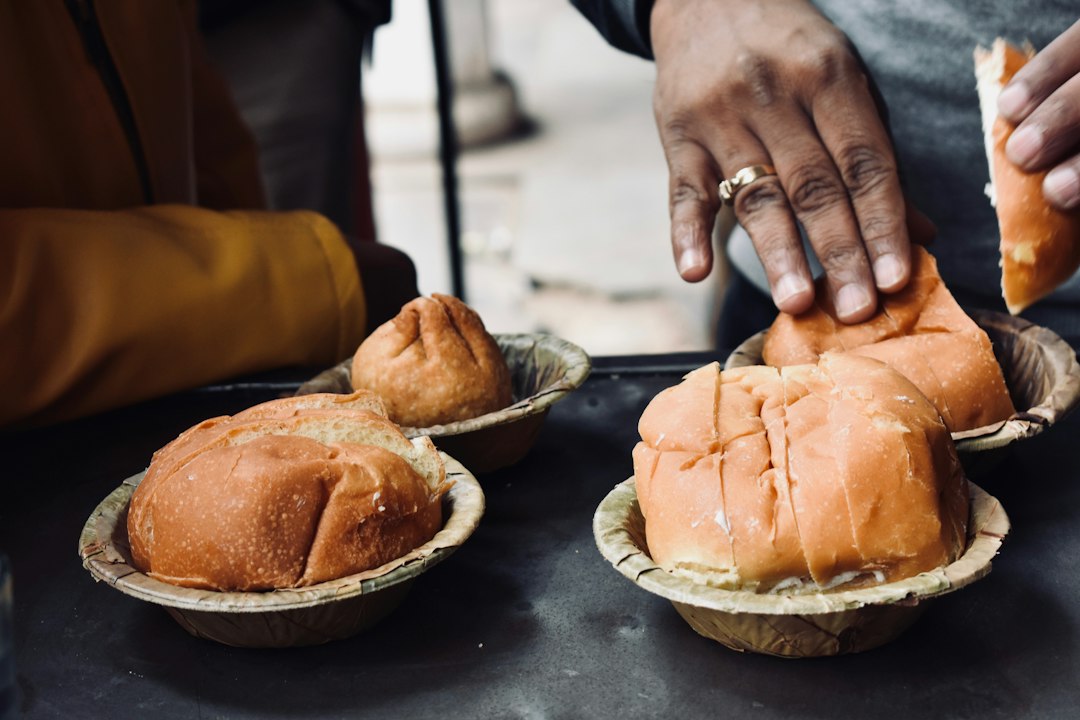
The first dish to order is not in question. The Fu Zhou Shi Zu food stall, right at the entrance, serves hu jiao bing, a piping hot baked bun stuffed with minced meat, scallion, sugar, soy sauce and black pepper. The stall carries a Michelin Bib Gourmand, which explains why the line never really shrinks.
Budget time for that line. People swear that the 10 to 20 minutes waiting time in queue is worth it, and arriving early helps. Most guides suggest getting there close to opening, since arriving right at 5:00 PM beats the pepper bun line before it builds for the evening.
Raohe's narrow shape works in its favour. Unlike larger markets with several confusing lanes, Raohe follows a mostly straight, approximately 600-meter route, which means less backtracking and a clearer sense of when the evening is done.
Ningxia night market: old Taipei in miniature
Ningxia sits in Datong district and is built on a different scale entirely. Ningxia Night Market, on Ningxia Road in Datong District, is a compact evening market centered on traditional Taiwanese street food. It is one of Taipei's oldest night markets, with roots in the 1950s.
The oyster omelette is the move here as well, but from a different specialist. Yuan Huan Pien Oyster Egg Omelette is the most famous shop at Ningxia and has achieved Michelin status several years in a row. Diners looking for something less familiar can try the taro balls instead, since the must-try delicacies include Michelin-recommended crispy deep-fried taro balls stuffed with salted egg yolk, alongside savory pork liver soup.
Ningxia rewards grazing rather than a single big order. A substantial street-food dinner here runs NT$300 to 500 per person, and Ningxia has more Michelin Bib Gourmand-recognized stalls per square meter than any other Taipei night market, so a short walk covers a lot of quality.
The size is the catch. One recent visitor noted that despite rebuilding that makes the market only half as big, it is still worth the trip for dinner, and the whole street can be walked in well under an hour.
Who each market suits
Shilin suits a first night in Taipei when the goal is sheer variety: fried chicken, oyster omelette, herbal pork ribs and a food court big enough to escape the heat. It also suits travellers happy to share the evening with tour groups, since the market earns its reputation through scale rather than quiet.
Raohe suits anyone who wants one unforgettable dish rather than a dozen average ones, plus a market easy to walk start to finish. It is also the better pick for families and photographers, since its single straight lane and temple gate give the evening a clear visual anchor without Shilin's maze.
Ningxia suits returning visitors, serious eaters, or anyone short on time but unwilling to compromise on quality. A market this dense with Bib Gourmand stalls rewards people who already know roughly what they want to eat, rather than browsers hoping to be surprised by scale.
The deciding factor is rarely the food itself, since all three markets serve excellent oyster omelettes and respectable versions of Taiwan's street-food staples. It comes down to how much time is available and how much queuing a visitor can tolerate on one evening. One night and low tolerance for lines points to Ningxia's short, dense lane. A single dish worth building an evening around points to Raohe. Unlimited appetite and a willingness to get lost in crowds points to Shilin, still the market every other Taipei night market gets compared against.