CONTACT
  • Login
Upgrade
GUSTOwebzine
Advertisement
  • Home
    • Our Authors
    • Subscribe for Free
    • Media Kit
    • Contact
    • Terms and Conditions
    • Cookie Policy
  • Discoveries
    • Chefs
  • Culinary Culture
  • Food & Drinks
  • Cooking Tips
    • Recipes
  • GUSTO Global
  • Insights
  • GUSTO Guide
    • Hotels Worldwide
    • Nightlife Worlwide
    • Restaurants Worldwide
    • Services Worldwide
  • Home
    • Our Authors
    • Subscribe for Free
    • Media Kit
    • Contact
    • Terms and Conditions
    • Cookie Policy
  • Discoveries
    • Chefs
  • Culinary Culture
  • Food & Drinks
  • Cooking Tips
    • Recipes
  • GUSTO Global
  • Insights
  • GUSTO Guide
    • Hotels Worldwide
    • Nightlife Worlwide
    • Restaurants Worldwide
    • Services Worldwide
No Result
View All Result
GUSTOwebzine
No Result
View All Result
Home Home Cooking Tips

Taste seasoning in any unfamiliar cuisine

A practical guide to tasting critically and adjusting seasoning when you cook a global dish for the first time.

A person tasting seasoning from a wooden spoon while cooking an unfamiliar global dish in a restaurant kitchen.

Taste seasoning is the single most transferable skill in cooking, and it works in every cuisine on the planet, even one you have never tried before.

Learn the 5 basic flavors first

Every cuisine on Earth builds flavor from the same 5 foundations: sweet, salty, sour, bitter, and umami. Before you cook a dish from an unfamiliar tradition, spend 5 minutes reading about its flavor profile. Ethiopian cuisine leans on fermented sourness and warm spice. Japanese cuisine prizes umami above all else. Peruvian cooking balances citrus acid, chili heat, and richness together.

GUSTO guide worldwide restaurants, hotels, nightlife, professional services GUSTO guide worldwide restaurants, hotels, nightlife, professional services GUSTO guide worldwide restaurants, hotels, nightlife, professional services

This preparation gives your palate a target. You are not tasting blind. You are tasting with a question in mind: does this dish reach the flavor destination it is meant to reach? That question is the foundation of critical tasting.

Knowing the dominant flavor of a cuisine also tells you which corrective tools to reach for. If you are cooking a Thai green curry and the balance feels wrong, you already know the dish should combine heat, sweetness, acidity, and saltiness. That knowledge points you directly toward the fix.

Taste seasoning at every stage, not just at the end

The most common mistake home cooks make is tasting only once, right before serving. By that point, corrections are difficult. Instead, taste seasoning at 3 specific moments: at the start, in the middle of cooking, and just before serving.

At the start, taste your base ingredients individually. Smell and taste your spice blend, your aromatics, your stock. You are building a mental map. In the middle of cooking, take a small spoon and assess the dish as a whole. Ask: what does it need? At the finish, make small, precise corrections only.

Always add in small amounts. It is much easier to add more than to fix a dish that has too much of any one element. This rule applies to every cuisine without exception.

How to identify what is missing

When a dish tastes wrong, the cause is almost always one of 4 things: not enough salt, not enough acid, not enough fat, or not enough sweetness. Work through these 4 checks in order.


-

A woman carefully arranging a selection of global condiments on a well-organized kitchen pantry shelf

Global condiments for faster weeknight meals

07/09/2026
A chef whisking together marinade basics including oil, citrus, and fresh herbs in a large ceramic bowl

Marinade basics for any protein

28/08/2026
A chef monitors a tray of tomatoes and mushrooms, using key techniques to build deep flavour in a meatless dish.

Deep flavour: cooking without meat or stock

23/08/2026
A professional chef adjusting salt acid and seasoning in a large pot in a busy restaurant kitchen

Complete guide to balancing salt, acid, fat, and heat

13/08/2026
A woman harvesting fresh herbs from a sunny summer garden, cutting stems with small scissors

How to Keep Herbs Fresh All Summer

09/08/2026
A home cook carefully presenting a foreign recipe book as she prepares to adapt recipe techniques

Learn how to adapt recipes from another culture

05/08/2026

First, check salt. Salt does not make food taste salty. It makes food taste more like itself. A flat dish almost always needs more salt before anything else. Second, check acid. A squeeze of lime, a splash of rice vinegar, or a spoonful of yogurt can lift a dish that feels heavy or dull. Third, check fat. Fat carries flavor and rounds out sharp or bitter notes. Coconut milk, olive oil, and butter all serve this function across different cuisines. Fourth, check sweetness. A small amount of sugar or honey can soften excess acidity or heat.
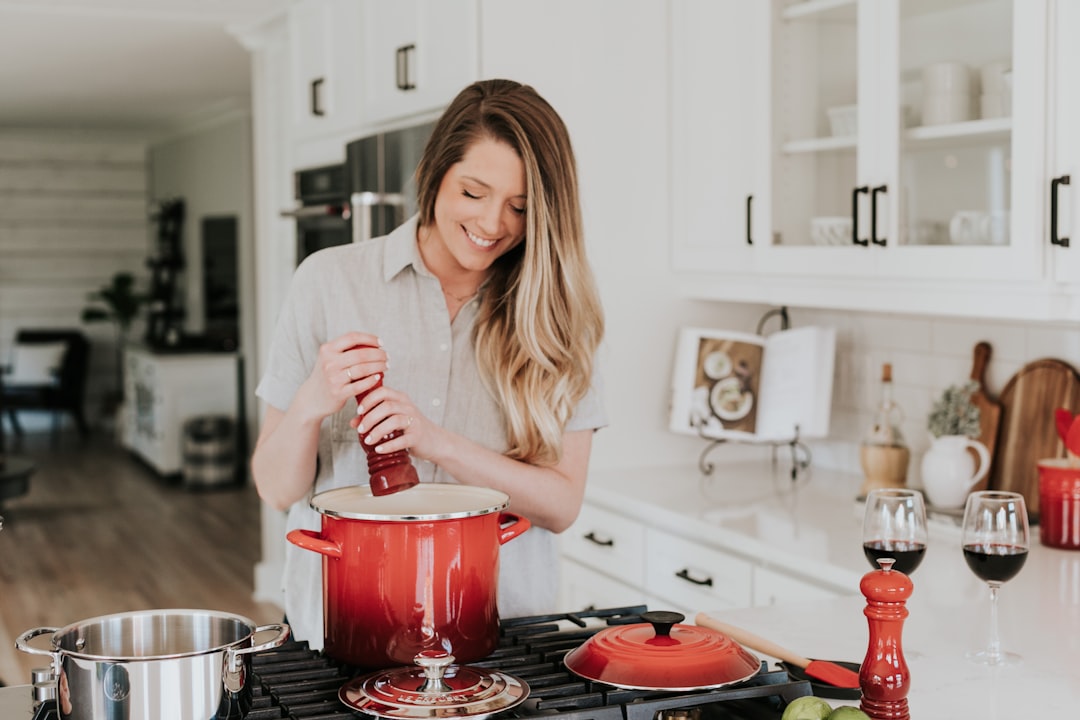
A home cook carefully adjusting seasoning over a colorful bowl of international food, demonstrating how to taste seasoning.

Expert perspective on critical tasting

When you cook a cuisine that is not your own, the biggest risk is that you correct it toward your own palate instead of toward the dish’s intended flavor. A home cook making mole for the first time will often reduce the bitterness because it feels unfamiliar, but that bitterness is structural to the dish. The solution is always to research before you cook, taste with curiosity rather than judgment, and make very small adjustments at a time. Critical tasting is not about deciding what you personally prefer. It is about understanding what the dish is trying to be and helping it get there. That is a skill that any cook can build, regardless of their background.

Industry perspective, culinary arts and global flavor professionals

Specific fixes for common problems

If a dish is too salty, add starch or dairy to absorb and dilute. Plain cooked rice, a raw potato simmered in the pot, or a spoon of cream can all reduce perceived saltiness. If a dish is too spicy, add fat or a small amount of sweetness. Coconut milk works well in Southeast Asian dishes. Yogurt works well in South Asian and Middle Eastern dishes.

If a dish tastes flat even after you add salt, the problem is likely acid. Add citrus or vinegar in very small amounts, taste after each addition, and stop the moment the dish comes alive. If a dish tastes sharp or sour, balance it with a small amount of fat or sweetness. These corrections are universal. They cross every cultural boundary.

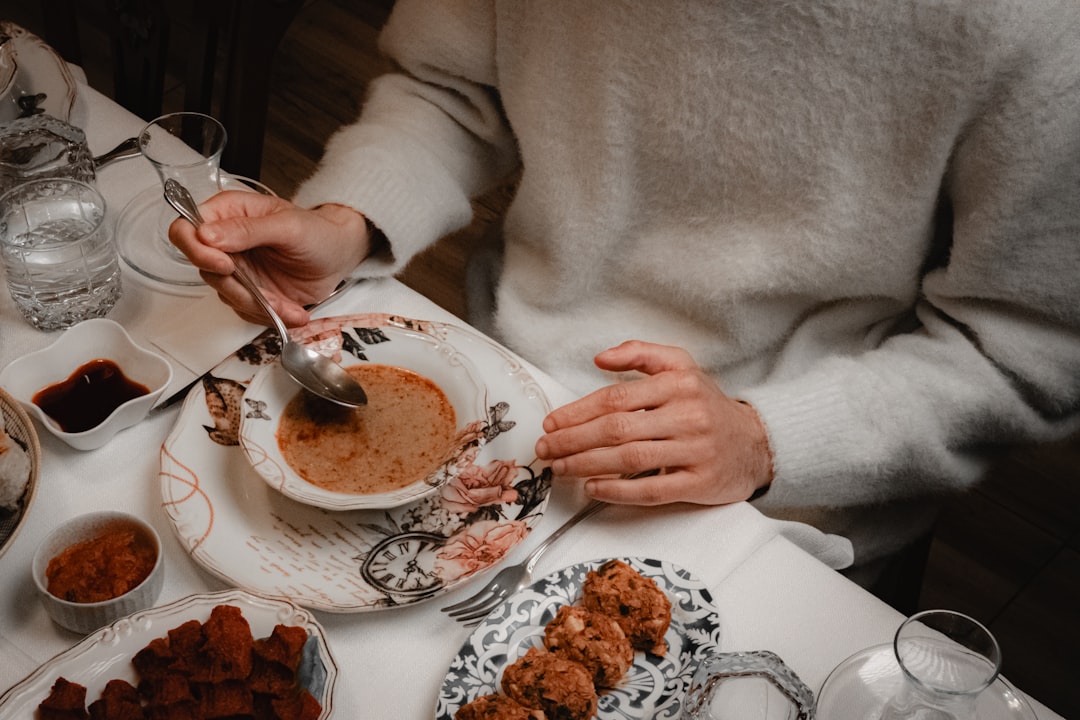
A person at a spice market smelling fresh herbs, learning how to taste seasoning by understanding ingredients before cooking.

Conclusion: taste seasoning with curiosity and method

The ability to taste seasoning critically is not a talent. It is a practice. Every time you cook an unfamiliar cuisine, you train your palate to recognize new flavor structures. Start with the 5 basic flavors, taste seasoning at every stage, and correct with small additions. Over time, your confidence will grow in proportion to your experience. Explore global dishes without fear. The method stays the same, even when the ingredients change completely.

Discover more about taste seasoning

  • Season to Taste: A Professional Guide to Flavor Balance
  • The Art of Seasoning: Bringing Out the Best Flavors
  • Culinary Trends Impacting Innovation in 2026

author avatar
WEBZINE BOT
See Full Bio
Previous Post

EU regional cheeses at peak in September

Next Post

Autumn menus: 8 ways restaurants adapt

Related Posts

A woman carefully arranging a selection of global condiments on a well-organized kitchen pantry shelf
Home Cooking Tips

Global condiments for faster weeknight meals

07/09/2026
A chef whisking together marinade basics including oil, citrus, and fresh herbs in a large ceramic bowl
Home Cooking Tips

Marinade basics for any protein

28/08/2026
A chef monitors a tray of tomatoes and mushrooms, using key techniques to build deep flavour in a meatless dish.
Home Cooking Tips

Deep flavour: cooking without meat or stock

23/08/2026
A professional chef adjusting salt acid and seasoning in a large pot in a busy restaurant kitchen
Home Cooking Tips

Complete guide to balancing salt, acid, fat, and heat

13/08/2026
A woman harvesting fresh herbs from a sunny summer garden, cutting stems with small scissors
Home Cooking Tips

How to Keep Herbs Fresh All Summer

09/08/2026
Next Post
a woman arranges roasted root vegetables on a plate as part of the new autumn menus service in a kitchen.

Autumn menus: 8 ways restaurants adapt

Leave a Reply Cancel reply

Your email address will not be published. Required fields are marked *

Truelang AI Translations Truelang AI Translations Truelang AI Translations
No Result
View All Result

Our Focus

GUSTOwebzine is your international window on food culture: culinary lifestyle, trends, recipes and gastronomic stories for a global audience with a passion for exceptional taste.

Our Readers

GUSTOwebzine addresses readers who engage with food culture at a high level: as culinary professionals, passionate home cooks, food entrepreneurs, and tastemakers in their communities.

Our Approach

Recipes, trends, and dining culture are integrated as context and indicators of creativity, identity, and the social forces shaping how the world eats, not standalone content.

Recent Post

  • Truffle dinners in NYC this autumn
  • Autumn equinox and how cooks rethink heat

© 2026 GUSTOwebzine by NOOR & NOOR — part of WEBZINE.world.

Welcome Back!

Login to your account below

Forgotten Password?

Retrieve your password

Please enter your username or email address to reset your password.

Log In
Manage Consent
To provide the best experiences, we use technologies like cookies to store and/or access device information. Consenting to these technologies will allow us to process data such as browsing behavior or unique IDs on this site. Not consenting or withdrawing consent, may adversely affect certain features and functions.
Functional Always active
The technical storage or access is strictly necessary for the legitimate purpose of enabling the use of a specific service explicitly requested by the subscriber or user, or for the sole purpose of carrying out the transmission of a communication over an electronic communications network.
Preferences
The technical storage or access is necessary for the legitimate purpose of storing preferences that are not requested by the subscriber or user.
Statistics
The technical storage or access that is used exclusively for statistical purposes. The technical storage or access that is used exclusively for anonymous statistical purposes. Without a subpoena, voluntary compliance on the part of your Internet Service Provider, or additional records from a third party, information stored or retrieved for this purpose alone cannot usually be used to identify you.
Marketing
The technical storage or access is required to create user profiles to send advertising, or to track the user on a website or across several websites for similar marketing purposes.
  • Manage options
  • Manage services
  • Manage {vendor_count} vendors
  • Read more about these purposes
View preferences
  • {title}
  • {title}
  • {title}
No Result
View All Result
  • Home
    • Our Authors
    • Subscribe for Free
    • Media Kit
    • Contact
    • Terms and Conditions
    • Cookie Policy
  • Discoveries
    • Chefs
  • Culinary Culture
  • Food & Drinks
  • Cooking Tips
    • Recipes
  • GUSTO Global
  • Insights
  • GUSTO Guide
    • Hotels Worldwide
    • Nightlife Worlwide
    • Restaurants Worldwide
    • Services Worldwide

© 2026 GUSTOwebzine by NOOR & NOOR — part of WEBZINE.world.

Not enough quota to unlock this post
Unlock left : 0
Are you sure want to cancel subscription?
Verified by MonsterInsights
enEnglishdeDeutschesEspañolfrFrançaisnlNederlands