CONTACT
  • Login
Upgrade
GUSTOwebzine
Advertisement
  • Home
    • Our Authors
    • Subscribe for Free
    • Media Kit
    • Contact
    • Terms and Conditions
    • Cookie Policy
  • Discoveries
    • Chefs
  • Culinary Culture
  • Food & Drinks
  • Cooking Tips
    • Recipes
  • GUSTO Global
  • Insights
  • GUSTO Guide
    • Hotels Worldwide
    • Nightlife Worlwide
    • Restaurants Worldwide
    • Services Worldwide
  • Home
    • Our Authors
    • Subscribe for Free
    • Media Kit
    • Contact
    • Terms and Conditions
    • Cookie Policy
  • Discoveries
    • Chefs
  • Culinary Culture
  • Food & Drinks
  • Cooking Tips
    • Recipes
  • GUSTO Global
  • Insights
  • GUSTO Guide
    • Hotels Worldwide
    • Nightlife Worlwide
    • Restaurants Worldwide
    • Services Worldwide
No Result
View All Result
GUSTOwebzine
No Result
View All Result
Home Home Cooking Tips

Marinade basics for any protein

Master the 4-element formula that cooks across every culture use to build deep, balanced flavor in any protein.

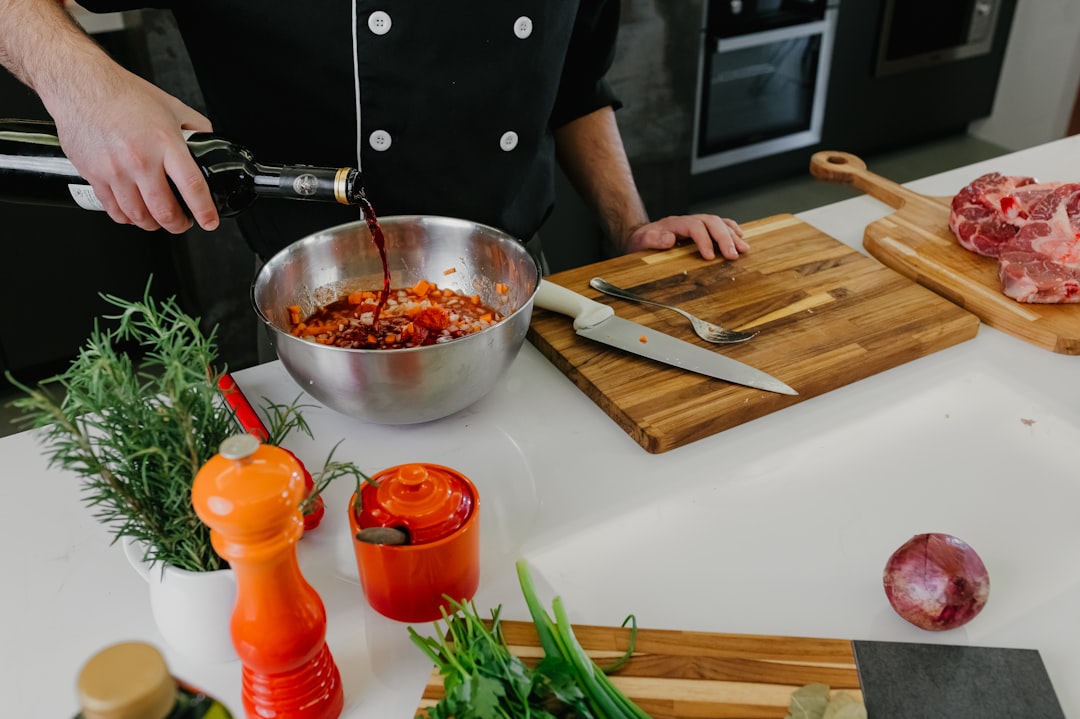
A chef whisking together marinade basics including oil, citrus, and fresh herbs in a large ceramic bowl

Marinade basics are the one framework every serious home cook eventually discovers, and once you understand the logic behind acid, fat, salt, and aromatics, you can build a great marinade for any protein without a recipe.

What a marinade actually does

A marinade not only changes what you taste but also improves texture and locks in moisture. Most cooks think of it as a flavoring step, but it is also a structural one. As the acid absorbs into the protein, it causes protein bonds to loosen, allowing for a more tender result. At the same time, salt moves into the meat at a molecular level through osmosis, and that absorption adds flavor while increasing moisture retention.

The result is food that cooks more evenly and stays juicy under heat. Pre-tenderizing protein before cooking helps prevent moisture loss, because heat causes moisture to escape. Marination provides an extra opportunity for protein breakdown, which can shorten cooking time and minimize moisture loss. These are practical gains, not just flavor bonuses.

GUSTO guide worldwide restaurants, hotels, nightlife, professional services GUSTO guide worldwide restaurants, hotels, nightlife, professional services GUSTO guide worldwide restaurants, hotels, nightlife, professional services

The role of acid in a marinade

Additions like citrus juice, yogurt, or vinegar cause a modification in protein structure. Acids denature proteins like collagen, creating more space for water to bind to the exposed amino acid structures. This increases both tenderness and moisture in the finished dish.

However, leaving a piece of protein in a marinade too long does not make it more tender. It makes it mushy. The more acidic the marinade, the less time it should soak. Fish and delicate proteins need very short contact times. Vegetables should not marinate for more than 30 minutes, and just 10 minutes works for fish and soft vegetables. Acid can actually start to cook fish and seafood if left too long, while soft vegetables absorb too much liquid and become soft.

Choose an acid that complements your other ingredients: balsamic vinegar for Italian herbs, rice vinegar for Asian flavors, lime juice for Latin seasonings. The acid should enhance the overall profile, not compete with it.

How fat and salt complete the formula

Fat functions as a flavor vehicle, dissolving fat-soluble compounds from herbs, spices, and aromatics and carrying them toward the surface of the protein. Many of the most potent flavor molecules are fat-soluble, which means they dissolve in oil but not in water or acid. This is why a fat-free marinade often tastes flat even when well seasoned.

Olive oil works well for Mediterranean flavors, while neutral oils like canola or grapeseed let other ingredients stand out without competing. Sesame oil brings its own strong flavor that works in Asian-style marinades but can overwhelm delicate herbs. You do not need much oil. 2 to 4 tablespoons per cup of marinade provides enough to coat the protein and extract flavors from your seasonings.

Salt draws out moisture initially, then pulls seasoned liquid back in through osmosis. This is what seasons the protein from the inside, not just the surface. If you are not dry-brining before cooking or salting after, make sure your marinade contains salt. Salt is a key ingredient, but you also do not want to double the quantity.
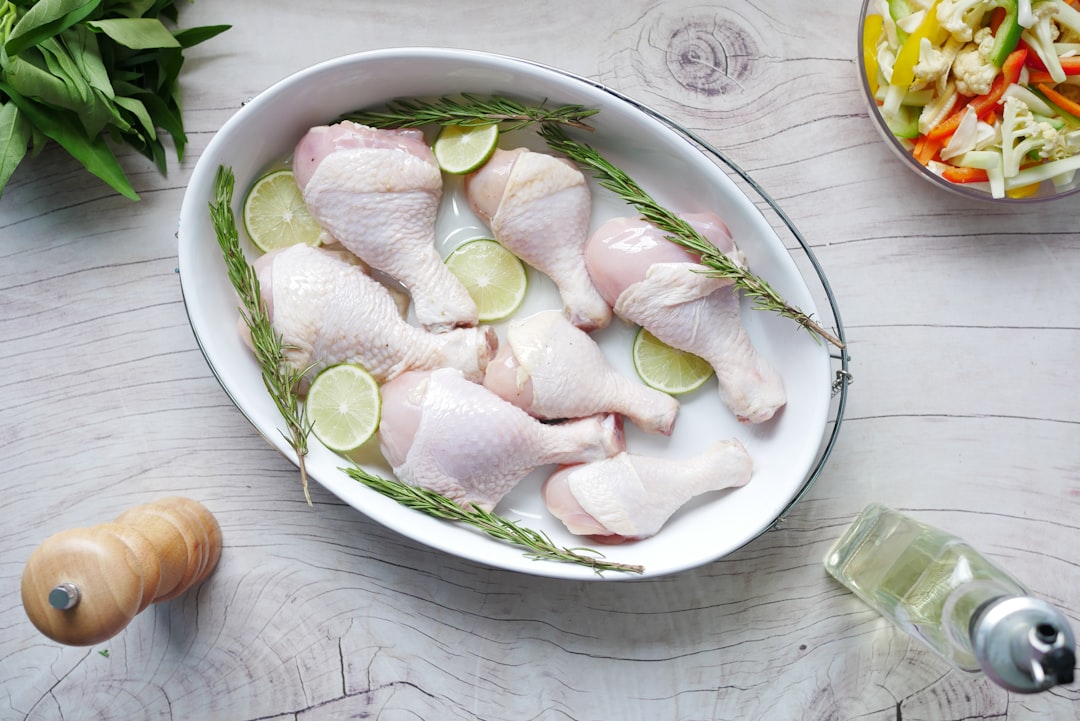
A home cook applying a marinade basics mixture to raw chicken pieces on a wooden board

-

A chef monitors a tray of tomatoes and mushrooms, using key techniques to build deep flavour in a meatless dish.

Deep flavour: cooking without meat or stock

23/08/2026
A professional chef adjusting salt acid and seasoning in a large pot in a busy restaurant kitchen

Complete guide to balancing salt, acid, fat, and heat

13/08/2026
A woman harvesting fresh herbs from a sunny summer garden, cutting stems with small scissors

How to Keep Herbs Fresh All Summer

09/08/2026
A home cook carefully presenting a foreign recipe book as she prepares to adapt recipe techniques

Learn how to adapt recipes from another culture

05/08/2026
A woman applies a thin layer of oil to a cast iron pan during the cast iron seasoning process in a home kitchen.

Cast iron seasoning: the complete guide

19/07/2026
A chef demonstrating knife skills while slicing fresh summer tomatoes on a wooden cutting board

Knife skills for summer produce prep

13/07/2026

A professional perspective on balance

Marinade basics exist in every culinary tradition on earth, from the miso-based marinades of Japan to the chermoula of North Africa and the adobo of the Philippines. The thing these preparations share is not the specific ingredients but the underlying logic: something acidic to open the protein, something fatty to carry flavor molecules, something salty to season deeply, and something aromatic to define the character of the dish. When any one of these elements is missing, the result tends to feel flat or one-dimensional. A cook who understands the function of each component can adapt any recipe to local ingredients without losing the integrity of the result. That flexibility is what separates confident everyday cooking from rigid recipe-following. Balance is not about precise measurement every time. It is about understanding what each element contributes so you can adjust by taste and by the specific protein in front of you.

Industry perspective, culinary arts and global food culture professionals

Building your own ratio

A strong foundation uses 3 parts oil to 1 part acid, with 1 to 2 teaspoons of salt per cup, plus aromatics and spices to taste. This ratio gives each component enough presence to do its job without overwhelming the others.

Spices add heat and umami to a marinade, while herbs and aromatics infuse floral and earthy flavors. Ingredients like garlic and onion infuse flavor throughout the protein. Aromatics are where you define the cuisine. Ginger, lemongrass, and fish sauce signal Southeast Asia. Garlic, rosemary, and lemon signal the Mediterranean. Cumin, chili, and lime signal Latin America. The structure stays the same. The character changes.

You can emulsify a marinade with a small amount of Dijon mustard or honey. These contain compounds that bind the oil and water phases together. Blend your marinade for 30 seconds to create a stable emulsion that clings evenly to the protein. This ensures each piece carries the full flavor profile.

A person grilling protein that has been prepared using marinade basics on a charcoal grill

Food safety and timing

Always marinate protein in the refrigerator, not on the counter. Temperature control matters as much as ingredient balance. Most recipes for marinating recommend anywhere from 6 to 24 hours. After 2 days, the marinade can start to break down the fibers of the protein, causing it to become mushy.

If you want to use some of the marinade as a sauce on cooked food, reserve a portion before putting raw protein into it. Boil the used marinade if you want to brush it on the protein while it cooks. This single habit prevents cross-contamination and means you always have a ready sauce.

Marinade basics work everywhere

Marinade basics give you a repeatable framework that travels across every cuisine and every protein. Choose your acid to set the tone, choose your fat to carry the flavor, use salt to season the interior, and use aromatics to define the cultural character of the dish. Keep balance in mind: salty ingredients bring out the savory depth in proteins while helping them stay juicy, and you can offset these with a touch of heat or sweetness. Once you understand that logic, you do not need a new recipe for every protein. You need one reliable method and the confidence to adapt it. Start with the ratio, taste as you go, and make it your own.

Discover more about marinade basics

  • USDA Food Safety and Inspection Service: Poultry Basting, Brining, and Marinating
  • Food Quality and Safety: A Comprehensive Review of Marination Research (Oxford Academic)
  • The Chopping Block: The Simple Formula for Flavorful Marinades

author avatar
WEBZINE BOT
See Full Bio
Previous Post

Tomato sauce recipes from global kitchens

Next Post

Clay vessels: why ancient pots taste better

Related Posts

A chef monitors a tray of tomatoes and mushrooms, using key techniques to build deep flavour in a meatless dish.
Home Cooking Tips

Deep flavour: cooking without meat or stock

23/08/2026
A professional chef adjusting salt acid and seasoning in a large pot in a busy restaurant kitchen
Home Cooking Tips

Complete guide to balancing salt, acid, fat, and heat

13/08/2026
A woman harvesting fresh herbs from a sunny summer garden, cutting stems with small scissors
Home Cooking Tips

How to Keep Herbs Fresh All Summer

09/08/2026
A home cook carefully presenting a foreign recipe book as she prepares to adapt recipe techniques
Home Cooking Tips

Learn how to adapt recipes from another culture

05/08/2026
A woman applies a thin layer of oil to a cast iron pan during the cast iron seasoning process in a home kitchen.
Home Cooking Tips

Cast iron seasoning: the complete guide

19/07/2026
Next Post
A woman cooking a traditional stew in ancient clay vessels over a low flame in a rustic kitchen

Clay vessels: why ancient pots taste better

Leave a Reply Cancel reply

Your email address will not be published. Required fields are marked *

Truelang AI Translations Truelang AI Translations Truelang AI Translations
No Result
View All Result

Our Focus

GUSTOwebzine is your international window on food culture: culinary lifestyle, trends, recipes and gastronomic stories for a global audience with a passion for exceptional taste.

Our Readers

GUSTOwebzine addresses readers who engage with food culture at a high level: as culinary professionals, passionate home cooks, food entrepreneurs, and tastemakers in their communities.

Our Approach

Recipes, trends, and dining culture are integrated as context and indicators of creativity, identity, and the social forces shaping how the world eats, not standalone content.

Recent Post

  • Gluten-free izakaya: Tokyo guide
  • Singapore dining resets before September rush

© 2026 GUSTOwebzine by NOOR & NOOR — part of WEBZINE.world.

Welcome Back!

Login to your account below

Forgotten Password?

Retrieve your password

Please enter your username or email address to reset your password.

Log In
Manage Consent
To provide the best experiences, we use technologies like cookies to store and/or access device information. Consenting to these technologies will allow us to process data such as browsing behavior or unique IDs on this site. Not consenting or withdrawing consent, may adversely affect certain features and functions.
Functional Always active
The technical storage or access is strictly necessary for the legitimate purpose of enabling the use of a specific service explicitly requested by the subscriber or user, or for the sole purpose of carrying out the transmission of a communication over an electronic communications network.
Preferences
The technical storage or access is necessary for the legitimate purpose of storing preferences that are not requested by the subscriber or user.
Statistics
The technical storage or access that is used exclusively for statistical purposes. The technical storage or access that is used exclusively for anonymous statistical purposes. Without a subpoena, voluntary compliance on the part of your Internet Service Provider, or additional records from a third party, information stored or retrieved for this purpose alone cannot usually be used to identify you.
Marketing
The technical storage or access is required to create user profiles to send advertising, or to track the user on a website or across several websites for similar marketing purposes.
  • Manage options
  • Manage services
  • Manage {vendor_count} vendors
  • Read more about these purposes
View preferences
  • {title}
  • {title}
  • {title}
No Result
View All Result
  • Home
    • Our Authors
    • Subscribe for Free
    • Media Kit
    • Contact
    • Terms and Conditions
    • Cookie Policy
  • Discoveries
    • Chefs
  • Culinary Culture
  • Food & Drinks
  • Cooking Tips
    • Recipes
  • GUSTO Global
  • Insights
  • GUSTO Guide
    • Hotels Worldwide
    • Nightlife Worlwide
    • Restaurants Worldwide
    • Services Worldwide

© 2026 GUSTOwebzine by NOOR & NOOR — part of WEBZINE.world.

Not enough quota to unlock this post
Unlock left : 0
Are you sure want to cancel subscription?
Verified by MonsterInsights
enEnglishdeDeutschesEspañolfrFrançaisitItalianoja日本語nlNederlandszh中文
No results