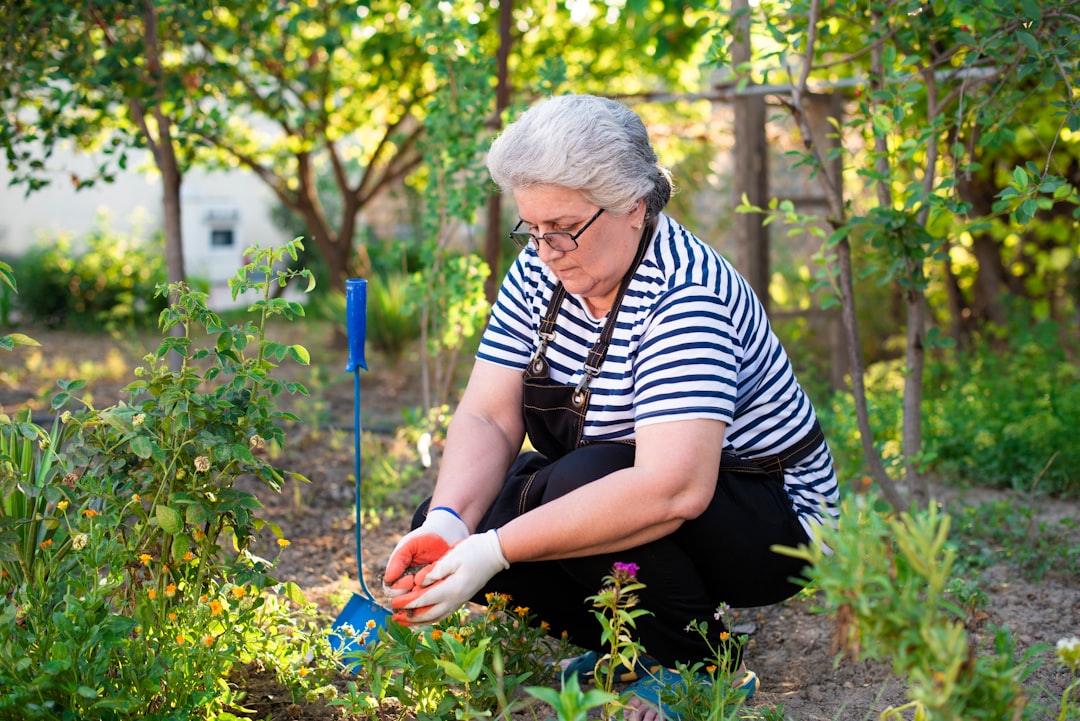
Fresh herbs demand attention in summer, and the difference between a productive plant and a wilted one often comes down to just a few daily habits.
Know which herbs love heat and which do not
Not all fresh herbs respond to summer the same way. Some herbs, like basil and rosemary, thrive in the heat, while others, including cilantro and dill, quickly bolt when temperatures climb. Bolting means the plant shifts energy from leaves to seeds, and plants bolt because they try to go to seed, usually triggered by hot weather. In many plants, bolting irreparably changes the flavor and texture, making them less appealing to eat.
Knowing this before summer arrives helps you plan. Group heat-tolerant herbs together in full sun, and position cool-season herbs where they receive afternoon shade. This simple organization saves you effort and reduces waste throughout the season.

Understanding how different herbs respond to high temperatures is the key to keeping your herb garden productive through the hottest weeks of summer. Once you know the needs of each plant, every other decision becomes easier.
Control moisture to prevent stress
Water is the most critical factor for fresh herbs in hot weather. Basil loves warmth but dislikes drought, so water it consistently. For woody herbs like thyme, the approach is different. Thyme prefers to dry out between waterings. Push your finger 2 inches into the soil and, if it still feels damp, wait another day. Yellowing leaves or soft stems are often a sign of too much water rather than too little.
Protecting the root zone is equally important. Put plenty of mulch around the base of your plants to keep roots cool and retain moisture. Mulch reduces how often you need to water and protects plants during the most intense hours of the day.

For container herbs, always check drainage. If you plant herbs in a container, make sure the container bottom has drainage holes and a layer of small stones at the bottom of the planter. Standing water around the roots causes rot faster than heat does.
Harvest regularly to extend productivity
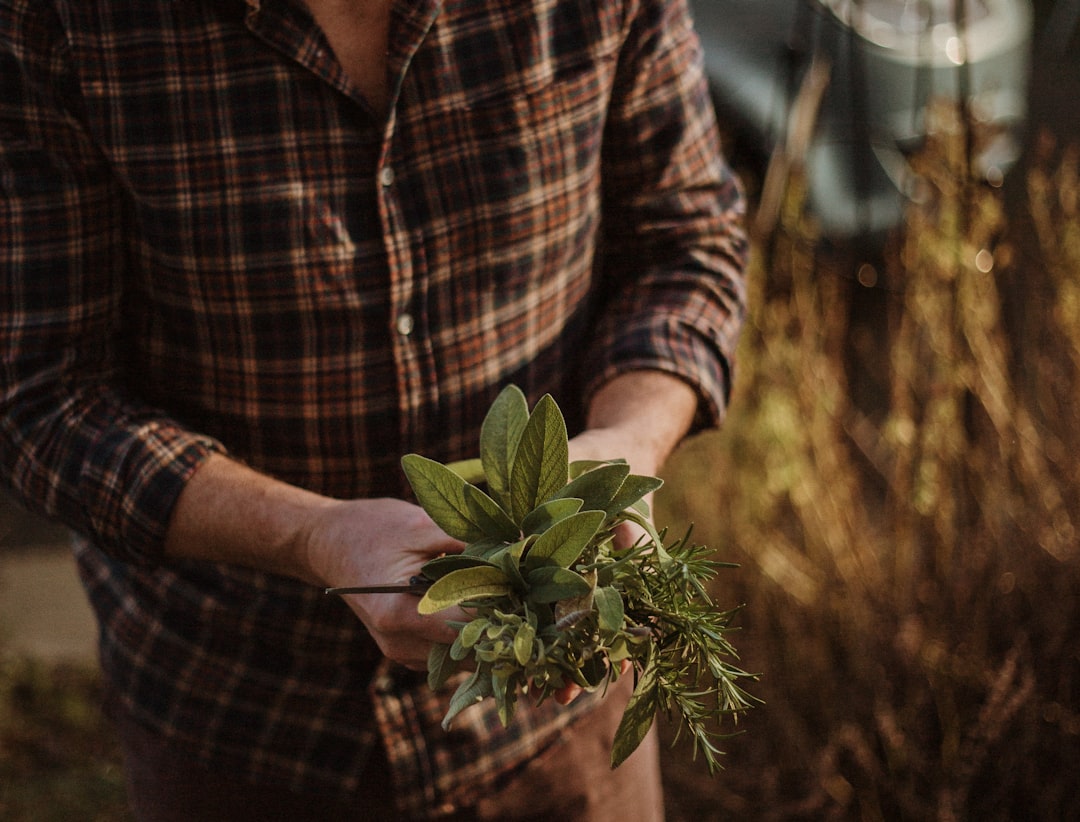
Regular harvesting is one of the most effective ways to extend the life of fresh herbs. Frequent harvesting delays flowering and keeps plants compact. Always harvest with clean scissors or pruners, removing no more than one-third of the plant at a time.
Harvesting fresh herbs mid-morning is best, as this allows time for the sun to evaporate the dew off the plants, but not the oils, which contain the flavor. This timing gives you the most aromatic and flavorful leaves every time you cut.
Remove flower buds as soon as you see them. For herbs grown primarily for their leaves, flowering signals the plant to slow leaf production. On cilantro specifically, letting herbs flower encourages bolting, which can turn fresh cilantro leaves bitter and soapy-tasting.
Expert perspective on summer herb care
Fresh herbs are remarkably resilient when growers understand the biology behind the stress response. In summer, the plant’s primary goal shifts from leaf production to reproduction, which is why bolting happens so predictably when temperatures rise. The single most effective intervention is removing flower heads the moment they appear, because this interrupts the reproductive cycle and redirects energy back to the leaves. Beyond that, consistent soil moisture matters more than any other variable in hot climates. Growers who combine regular harvesting with morning watering and root-zone mulching typically maintain productive plants for 6 to 8 weeks longer than those who do not. The biology is always working in your favor when you work with it, not against it.
Industry perspective, culinary herb cultivation and food production professionals
Store cut herbs correctly after harvest
How you handle fresh herbs after cutting determines how long they stay usable in your kitchen. Tender herbs such as basil, cilantro, parsley, mint, and chives, and woody herbs such as thyme, rosemary, sage, and oregano, require different storage approaches. Basil should never be refrigerated, because cold damages the cells and turns it black. It keeps best at room temperature in water, like cut flowers.
For soft herbs that do tolerate cold, store cilantro and parsley in the refrigerator with a loose bag over the top, and keep hardy herbs like rosemary, thyme, and mint wrapped in a damp paper towel inside a bag in the fridge. Change the water in any jar-stored herb every 1 to 2 days.
When you have more herbs than you can use, freezing is a reliable option. Fill an ice cube tray half full of water and place 1 tablespoon of herbs in each compartment, then freeze for 24 hours and top off the compartments. These cubes go directly into soups, stews, and sauces from frozen.






Adapt your approach as the season progresses
Summer changes week by week, and your care routine for fresh herbs needs to change with it. For a continuous harvest of dill, sow another round in late summer for fresh fall flavor. Succession planting like this keeps your supply constant even when early plants bolt.
If outdoor temperatures become extreme, bring potted herbs inside temporarily. Herbs grow well indoors and outdoors. Consider tending to a few herb plants indoors if you lack outside space for a kitchen herb garden. The closer your little herb garden is to the kitchen, the better.
Sun drying herbs is not recommended, because herbs can lose flavor and color, and high summer humidity may reduce quality. Use a dehydrator or oven instead if you want to preserve a large harvest before the season ends.
Fresh herbs reward consistent care all summer
Fresh herbs are one of the most rewarding ingredients in any kitchen, and summer does not have to end that relationship. Match each herb to its preferred conditions, water with precision, harvest regularly, and store each variety correctly after cutting. These steps apply to a balcony pot in Tokyo, a garden bed in Milan, or a window box in Mexico City. Fresh herbs stay productive and flavorful when you give them the specific attention they need. Start with 1 or 2 changes this week, and build the habit gradually. Your cooking will reflect every effort you make.

Discover more about fresh herbs
- Harvesting and Preserving Herbs, University of Maryland Extension
- Why Consumers Buy Culinary Herbs: Research from University of Tennessee and Michigan State, Produce Grower, April 2026
- How to Grow Herbs Through a Heat Wave, Harvest to Table, July 2026