
Deep flavour is not the property of bones and broth, every culinary culture on the planet has built richness from plants, and the techniques are simpler than most cooks expect.
The science behind deep flavour in plant cooking
Flavour is typically defined by 5 tastes: sweet, bitter, salty, sour, and umami. Umami is the one most people associate with meat, but that connection is incomplete. While umami is often associated with meat, some of the best natural sources come from plants. Mushrooms, tomatoes, miso, soy sauce, seaweed, nutritional yeast, and green peas all provide unique forms of savory flavour.
Umami was identified in 1908 by Japanese chemist Kikunae Ikeda, who isolated glutamic acid from kombu seaweed and identified it as the compound responsible for the savory taste in dashi. This means the foundation of deep flavour has always been plant-based. Understanding this changes how you approach a meatless dish from the very first step.

Glutamic acid, found in mushrooms, tomatoes, seaweed, and nutritional yeast, is the backbone of umami. When paired with nucleotides like guanylate, which occur naturally in dried mushrooms and fermented foods, their flavour impact multiplies. This synergy is something you can use deliberately every time you cook.
Roasting and heat as flavour builders
Heat is one of the most powerful tools in a meatless kitchen. Cooking vegetables on low heat removes much of their water content, builds depth, and intensifies their flavour. This process creates the same Maillard reactions and caramelization that give roasted meat its appeal.
A flat, diagonal cut that exposes more surface area helps when roasting or sautéing, because it gives sugars more contact with heat and time to develop complex, almost caramel-like flavours. Smaller pieces brown faster. Larger pieces cook longer and develop a deeper interior sweetness.

High and low heat serve different purposes. Low and slow cooking pulls out deep, settled flavours, while high heat creates quick chars, caramelization, and crispy edges. Learn to move between both within the same dish. Char an onion directly over a flame first, then cook it slowly with spices. The result carries a complexity that surprises people.
Aromatics and layering for maximum impact
Sautéing aromatics early builds a flavour foundation that every other ingredient in the dish builds on. Onions, garlic, ginger, celery, and leeks are the global toolkit. Indian cooking starts with a tarka. Mexican cooking builds from a sofrito. French cooking begins with a mirepoix. The principle is identical across all 3 traditions.
Sauté aromatics like garlic, onions, ginger, and celery first, then add spices. Cook the spices for a few minutes before adding other ingredients. This step releases fat-soluble flavour compounds that would otherwise stay locked inside whole spices. It takes 3 minutes and changes the character of the entire dish.
In culinary practice, chefs create combinations of the 5 tastes to achieve complexity or depth. Common techniques like slow roasting, deep marinating, or layering tart elements combine multiple tastes to keep the palate interested in each bite. Think of every dish as a construction project: foundation first, then structure, then finishing detail.
Expert perspective on fermentation and umami
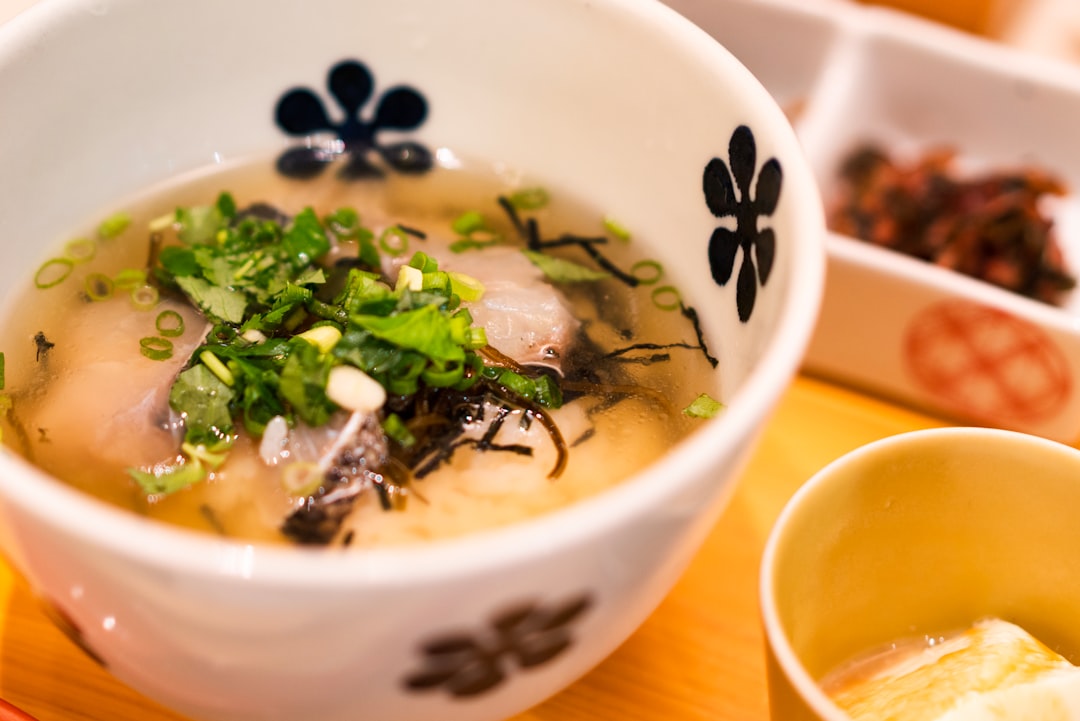
Fermentation is one of the most underused tools in everyday meatless cooking. When you ferment a food, you are breaking down proteins into free amino acids, and those amino acids are the direct source of glutamic acid, the compound at the heart of umami. Miso, tempeh, kimchi, and soy sauce are not just condiments. They are flavour accelerators. A single tablespoon of miso stirred into a simple vegetable braise at the end of cooking can add a depth that takes hours of bone-based stock to achieve otherwise. The key is to add fermented ingredients late in the cooking process, so the heat does not destroy the living cultures or the subtle top notes of the flavour. Build your base with roasting and aromatics, then finish with fermentation. That combination gives you every layer a great dish needs.
Industry perspective, fermentation and plant-based culinary professionals
Pantry ingredients that replace stock and bones
To build strong umami without fish or meat, combine plant-based glutamate sources: simmer dried shiitake mushrooms with tomato paste, then add nutritional yeast for depth. Fermented options like miso or tempeh also deliver potent umami.
Kombu seaweed in broths contains 3,380 mg of glutamate per 100g and delivers instant depth. A small piece simmered in water for 20 minutes and then removed creates a clean, savoury base that costs almost nothing. Aged balsamic vinegar adds sweet, tangy, and complex umami to dishes. It works in salad dressings or drizzled over roasted vegetables, enhancing natural flavours with its rich, concentrated character.






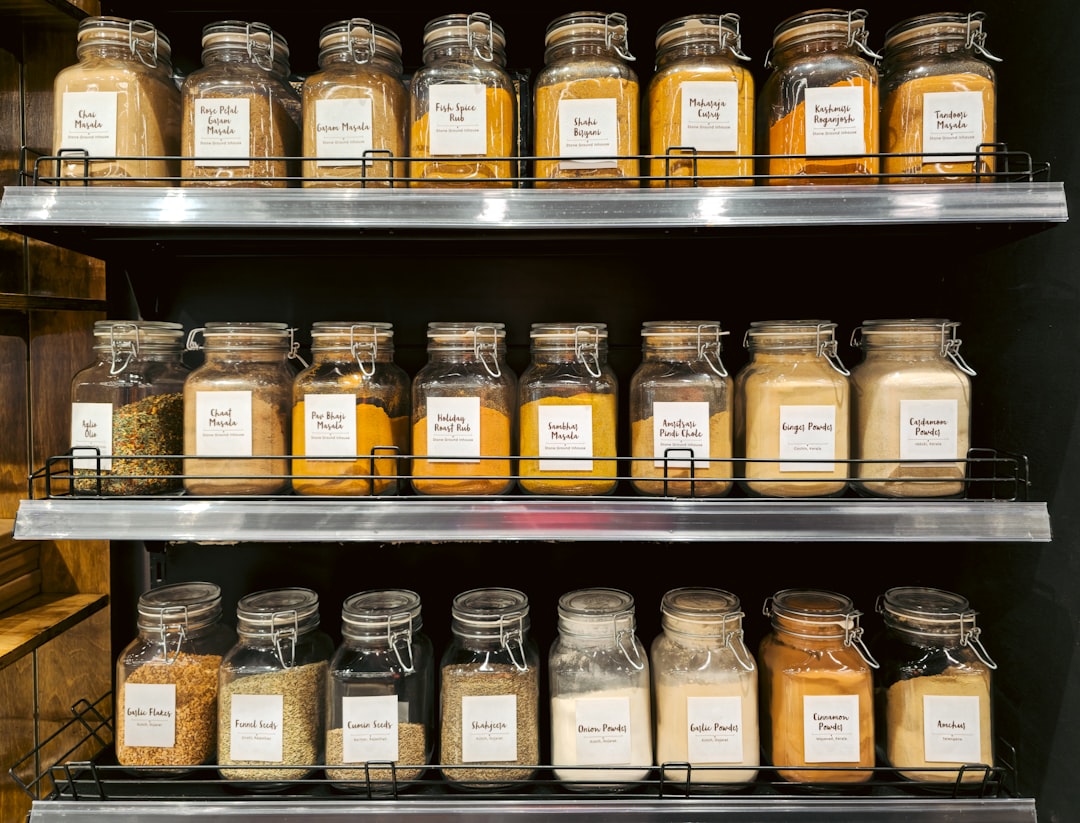
Boosting umami is about understanding how fermentation, acid, and caramelization work together. A bit of vinegar, soy sauce, or a hint of smoke can transform a plain vegetable dish into something bold and satisfying. Keep tomato paste, dried mushrooms, soy sauce, miso, and kombu in your pantry at all times. These 5 items form a global flavour toolkit that covers dishes from every continent.
Conclusion: building deep flavour is a skill, not a shortcut
By understanding how umami ingredients work and learning how to combine them, anyone can create deeply flavourful meatless meals. Deep flavour in a plant-based dish is not an accident. It is the result of choosing the right ingredients, applying heat correctly, building in layers, and finishing with something that adds acidity or fermented depth.
Start with 1 technique from this guide: slow-roast a tray of tomatoes, or stir a spoonful of miso into your next soup. Notice the difference. Then add a second technique. Deep flavour builds the same way good cooking always does: one deliberate step at a time. Return to GUSTOwebzine for more guides on global culinary technique.
Discover more about deep flavour
- Tips for Building Flavor in Vegetable Dishes, Tufts University
- Umami-Rich Seasonings in Plant-Forward Cuisine, ScienceDirect
- 7 Vegetarian Foods That Naturally Deliver Umami Flavour, Restaurant India