Neapolitan ragù belongs to a tradition where time itself is an ingredient, and those who rush it produce something lesser in every measurable way.
What makes Neapolitan ragù different
Neapolitan ragù is a ragù associated with the city of Naples, Italy, made by braising meat over several hours in tomato purée and sauce. That definition alone separates it from nearly every other pasta sauce in the Italian canon.
In its essence, Neapolitan ragù is a meat and tomato sauce cooked over a very low flame for a long time. Unlike ragù alla Bolognese, Neapolitan ragù begins without a battuto (the combination of carrot, onion, and celery at the start of many Italian dishes), includes copious amounts of tomato sauce, and uses whole cuts rather than chopped or ground meat.

In the Italian meal structure, Neapolitan ragù is served in 2 stages: first as sauce served over pasta, and then as meat eaten alone or with vegetables, lightly dressed with the remaining sauce. That dual structure transforms a single pot of braising into a complete menu, with nothing wasted and everything honoured.
The origins of the sauce
Like all ragùs, Neapolitan ragù evolved from the French ragoût, from which its name is also derived. Ragoûts were first described in the early 17th century, and for their first 200 years they were understood as a class of sauces that could flavour otherwise plain servings of meat.
The dish further evolved during the Bourbon rule of Naples, beginning in 1734, when French-inspired nobility adopted and adapted ragoût into Neapolitan cuisine, transforming it into a hearty meat-based sauce suited to the region’s affordable cuts of beef and pork. Early Neapolitan versions excluded tomatoes, focusing instead on slow-simmered meats with aromatic vegetables and herbs to tenderize tougher pieces.

Around 1807, a second edition of the cookbook L’Apicio moderno was published, and the recipe for Maccaroni alla Napolitana was updated to include tomatoes. Tomato became permanent in the 20th century, and today it is the sauce’s defining element.
Neapolitan ragù: choosing the right meat
The choice of meat is not a detail. It is the structure of the entire dish. The traditional process begins with seasoning substantial chunks of meat, typically including beef chuck, pork ribs, and pork shoulder, with salt and pepper.
The classic selection uses beef brisket, Italian sausages, and pork ribs. All 3 cuts are highly recommended, though you can also use other cuts such as chuck steak in large chunks and pork shoulder. A pork cut with the bone is strongly preferred.
Serious cooks often add braciole: flat pieces of top round beef rolled with cheese, parsley, pine nuts, and raisins, then tied with string and added to the pot to cook slowly. These rolls add complexity to the tomato base and provide an elegant second course in themselves.
An expert perspective on the method
How the simmering works
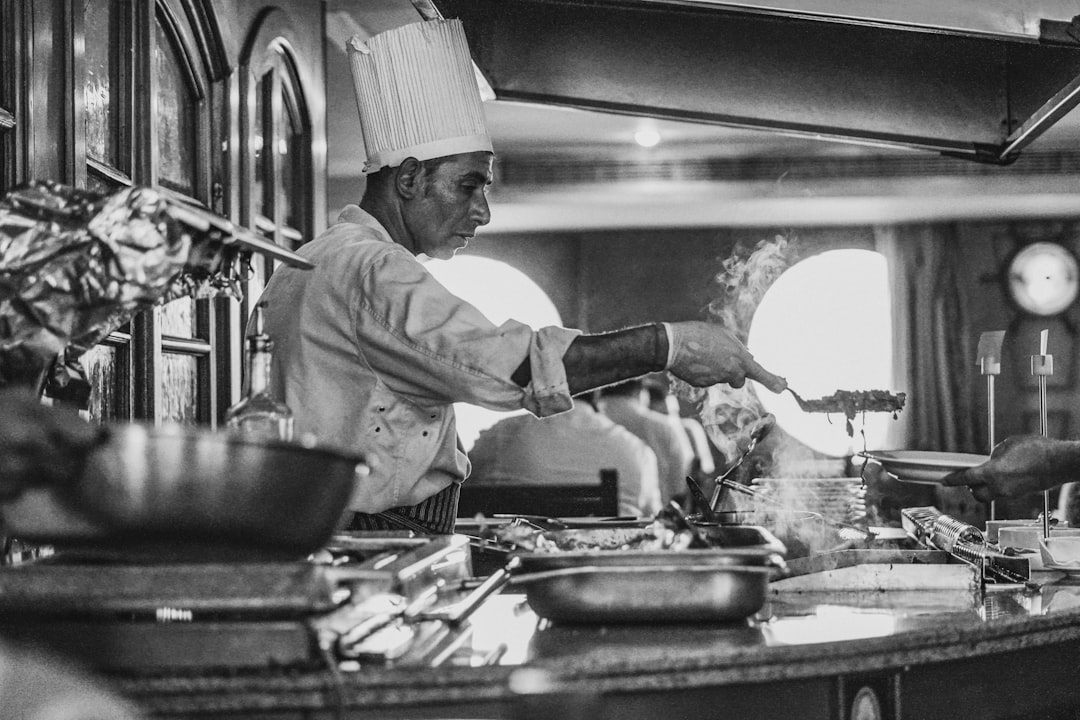
The simmering in a proper Neapolitan ragù is not a gentle boil. It is something much more precise. In Naples, cooks describe the correct heat as *peppiare*: a single bubble breaking the surface every few seconds, nothing more. You achieve this by placing a wooden spoon across the top of the pot and resting the lid on it, so a small gap allows steam to escape. The heat must stay extremely low for the entire duration, which is rarely less than 6 hours and often extends to 8 or more. Any higher and the tomato will scorch. Any lower and the collagen in the meat will not release. The difference between a good ragù and a great one is almost entirely in the control of that flame. There is no shortcut that preserves the result. Restaurants in Naples sometimes keep a pot going for 24 hours.
Industry perspective, traditional Neapolitan and Campanian cuisine professionals
Building the sauce step by step
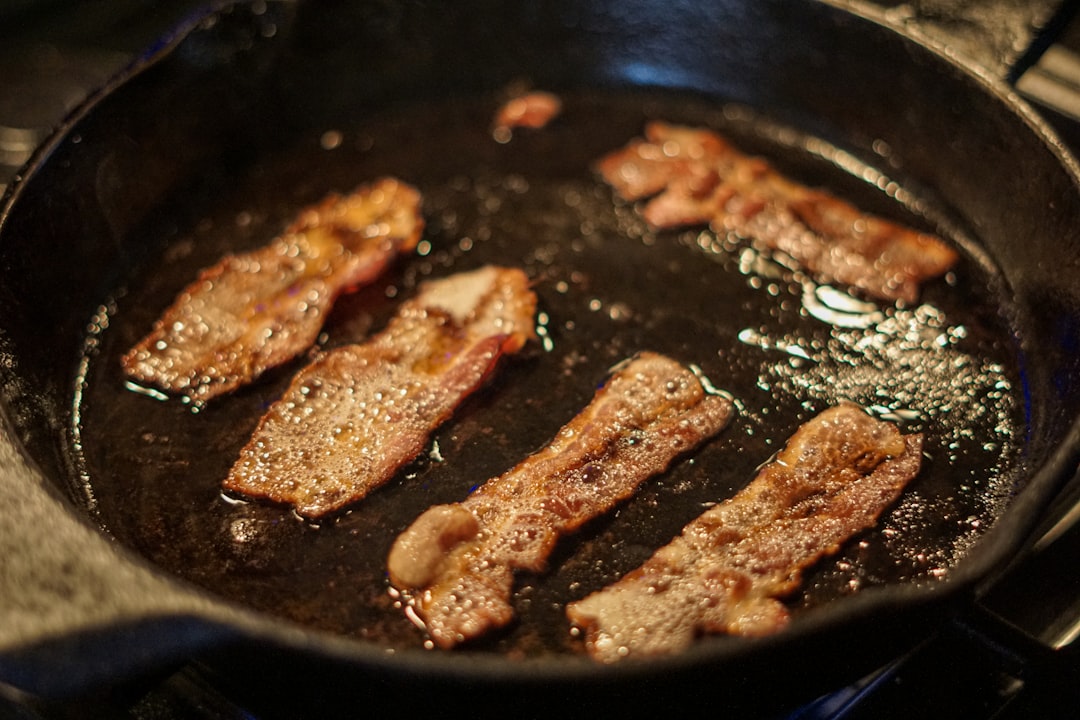
Begin by browning your meat. The pieces are seared in a large, heavy pot using olive oil or traditional lard over medium-high heat until deeply browned on all sides, which enhances flavour through caramelization. Remove the meat and set it aside.
Next, build your aromatic base. The foundation of the flavour profile begins with finely chopped onions sautéed slowly in extra-virgin olive oil or lard to develop deep notes without browning excessively. Onions form the primary component, typically around 200 to 300 grams per batch to provide sweetness and body.
Return the meat to the pot. Add a glass of red wine from Campania and reduce until the alcohol evaporates. Pork ribs and sausages are always present in the sauce. Cover everything with good-quality San Marzano tomato, then reduce the flame to the very lowest setting. From this point, the sauce needs at minimum 6 hours of uninterrupted, barely moving simmering.





Serving and storing Neapolitan ragù
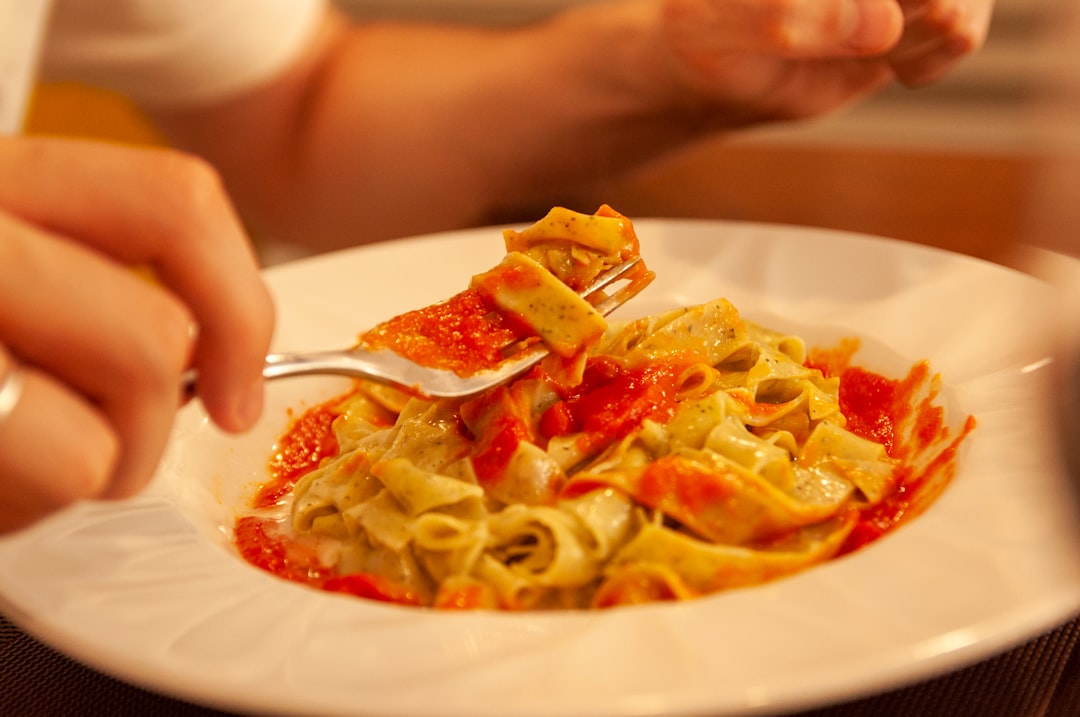
In the first course, the sauce is served over short, ridged pasta, sometimes topped with basil and Parmesan. Paccheri is widely considered the perfect pasta shape for a ragù Napoletano, especially when the meat has been taken from the bone. Paccheri is large enough for the thick sauce and pieces of meat to fill the pasta, and it is also a local Naples pasta made in nearby Gragnano.
Because of the lengthy preparation, it is easier to prepare the ragù 1 or 2 days ahead, then reheat it before serving. The resting time benefits the sauce by enabling the flavours to mingle and gain depth and complexity.
You can store Neapolitan ragù in the refrigerator for 3 days in an airtight container. It also freezes well for several weeks without any loss of quality.
Neapolitan ragù is worth every hour
Neapolitan ragù rewards those who respect its logic. The sauce does not improve under pressure or speed. It improves only through time, low heat, and the right cuts of meat. Cook it the day before you serve it. Taste it at each stage. Adjust only the seasoning, never the pace.

Neapolitan ragù has carried the identity of an entire city across centuries and continents. In 2025, Italian cuisine became the first entire gastronomic style to be recognized by UNESCO as intangible cultural heritage, a recognition that places this sauce within a living tradition worth preserving with full attention. Follow the method precisely. Start early. Serve it in 2 courses. That is the only way.
Discover more about Neapolitan ragù
- Italian Cuisine as UNESCO Intangible Cultural Heritage
- Italian Cuisine Becomes World’s First to Be Awarded UNESCO Status (CNN, December 2025)
- Ragù Napoletano Recipe and Technique, Great Italian Chefs
[End of deliverables]