Moroccan cuisine stands among the world’s most layered food cultures, shaped by Berber, Arab, Andalusian, and Mediterranean influences that have merged over centuries. Marrakech sits at the center of that story, offering visitors a living kitchen where ancient techniques and vibrant market culture meet on every street corner. Knowing what to order, where to eat, and how Moroccans actually share a table transforms a trip to Morocco into one of the most rewarding culinary experiences on the planet.
The spice foundations that define every dish
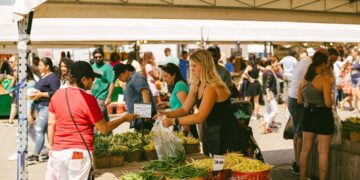
Many of the most important elements of Moroccan cooking are spices, seeds, oils, and herbs. Bold flavors come from combinations of cumin, saffron, paprika, ginger, turmeric, coriander, pepper, and cinnamon. These are not decorative additions. They carry the structural identity of the cuisine. There is also ras el hanout, a blend of several different spices whose exact recipe varies, and it frequently seasons stews and other main dishes. According to Travel Plans Marrakech, the souks of Marrakech overflow with fresh and exotic ingredients alongside these fragrant spices, pulling visitors deep into the sensory world of Moroccan cooking from the very first steps through the market gates. In Moroccan markets, parsley and coriander are typically bought together and rank as the most widely used herbs in the cuisine, appearing in practically every dish. Understanding the spice palette is the single best preparation any food-focused traveler can make before arriving.

The essential dishes every visitor must try
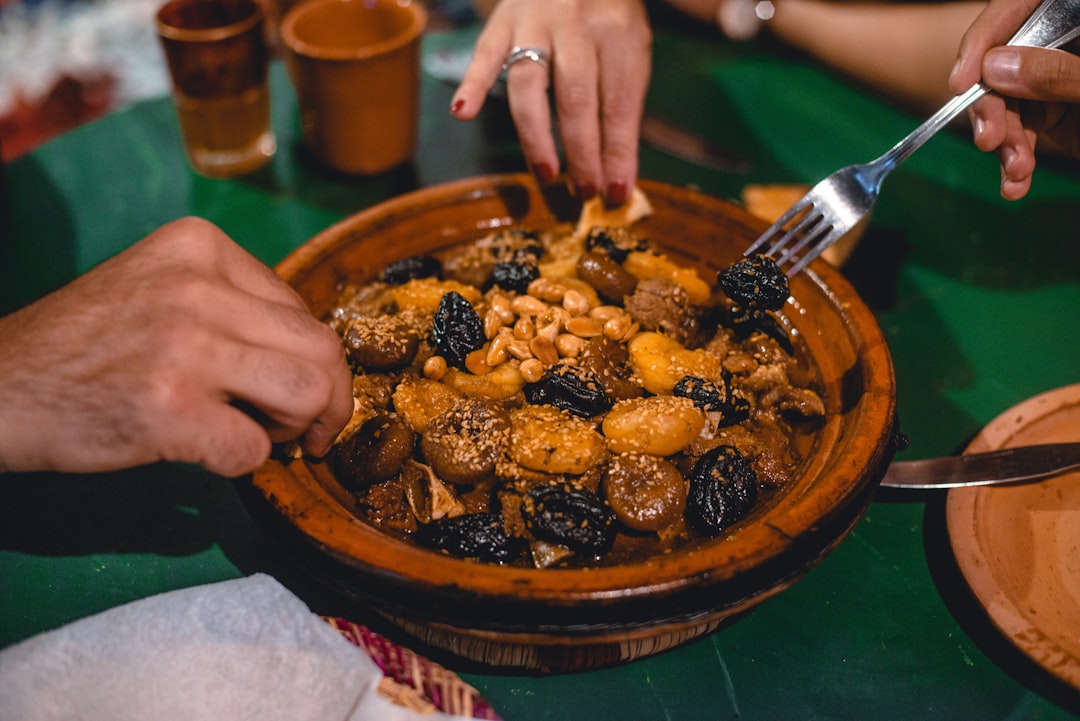
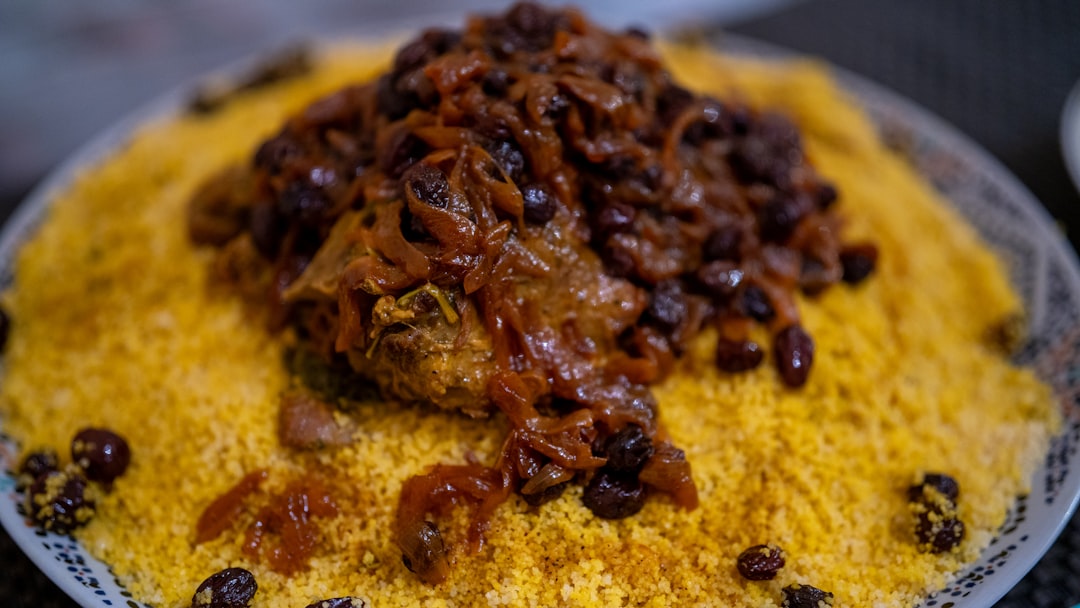
When it comes to Moroccan food, two dishes reign supreme: couscous and tagine. The tagine takes its name from the conical clay vessel it cooks in. The conical lid traps steam, creating incredibly tender meat and aromatic sauces without added water, while the dish cooks over low charcoal heat for hours, allowing spices to meld into deep, complex flavors. Variations span lamb with prunes, chicken with preserved lemon, and fully vegetarian versions with chickpeas and olives. Couscous operates on an entirely different social register. Couscous is not just food, it is a Friday ritual. Traditionally steamed over hours and served with slow-cooked vegetables and lamb or chicken, it is shared by families after the midday prayer. Beyond these two pillars, pastilla demands attention. This breathtaking sweet-and-savory pie layers thin warqa pastry over shredded pigeon or chicken, scrambled eggs with herbs, and toasted almonds, all dusted with cinnamon and powdered sugar. The contrast of crispy pastry, savory meat, and sweet spice is extraordinary and unlike anything found in other cuisines.
Marrakech specialties and street food culture
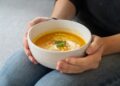
Marrakech has its own city-specific specialty in tanjia, a slow-cooked meat stew prepared in a sealed clay urn. Cooked in an oven for eight or more hours, the lamb emerges buttery and tender in a way that separates the dish entirely from any other preparation in the country. Street food in Marrakech runs parallel to its restaurant scene and deserves equal attention. As evening falls, Jemaa el-Fnaa, the city’s main square, transforms into a massive open-air restaurant where hundreds of food stalls set up in rows, lit by glowing lanterns, with smoke rising into the night sky. Harira soup, a hearty blend of lentils, chickpeas, tomatoes, and tender pieces of meat seasoned with cilantro, parsley, ginger, and cinnamon, appears at almost every stall and remains deeply tied to Ramadan tradition.
Sweets, mint tea, and the art of hospitality
No Moroccan meal is complete without a touch of sweetness. Moroccan pastries are deeply symbolic and often tied to celebrations, weddings, and religious festivals. One standout is the corne de gazelle, a crescent-shaped pastry filled with almond paste and scented with orange blossom water. Most traditional Moroccan sweets rely heavily on local ingredients like pure honey, toasted sesame seeds, rich almond paste, and aromatic orange blossom water. Mint tea completes every meal and every social encounter. The mint tea ceremony is not just a drink but a ritual of hospitality, poured from height with sugar and served three times. Moroccan mint tea has ancient roots and is believed to have been introduced to Morocco in the sixteenth century during the reign of the Saadian dynasty, underscoring how embedded this ritual is in national identity.

Practical advice for eating like a local
Eating in Morocco is more than just fueling your body. It is a ritual of community, generosity, and rhythm. Meals are shared from a single large dish, typically eaten with the right hand and using bread as a utensil. The best tagines take two to three hours to cook. If your meal arrives in fifteen minutes, it was pre-made. Look for restaurants where tagines are ordered in advance or cooked to order on charcoal brasiers visible from the street. The better couscous and tagine sit on quiet side streets where Moroccans queue at lunch rather than in the tourist-facing restaurants lining the main squares. A very important part of Moroccan culture is the ritual of sharing mint tea. To partake in a tea ceremony is to immerse yourself deep in the country’s heritage. Declining a cup, local custom holds, reads as a social slight. Accept it, slow down, and let the meal unfold at the pace Morocco intends.