CONTACT
  • Login
Upgrade
GUSTOwebzine
Advertisement
  • Home
    • Our Authors
    • Subscribe for Free
    • Media Kit
    • Contact
    • Terms and Conditions
    • Cookie Policy
  • Discoveries
    • Chefs
  • Culinary Culture
  • Food & Drinks
  • Cooking Tips
    • Recipes
  • GUSTO Global
  • Insights
  • GUSTO Guide
    • Hotels Worldwide
    • Nightlife Worlwide
    • Restaurants Worldwide
    • Services Worldwide
  • Home
    • Our Authors
    • Subscribe for Free
    • Media Kit
    • Contact
    • Terms and Conditions
    • Cookie Policy
  • Discoveries
    • Chefs
  • Culinary Culture
  • Food & Drinks
  • Cooking Tips
    • Recipes
  • GUSTO Global
  • Insights
  • GUSTO Guide
    • Hotels Worldwide
    • Nightlife Worlwide
    • Restaurants Worldwide
    • Services Worldwide
No Result
View All Result
GUSTOwebzine
No Result
View All Result
Home Home Cooking Tips

Culinary Facts: 50 Expert Chef Insights

Discover 50 culinary facts from top chefs worldwide. Learn cooking secrets, kitchen tips, and food insights that transform your meals in 2026.

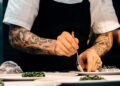
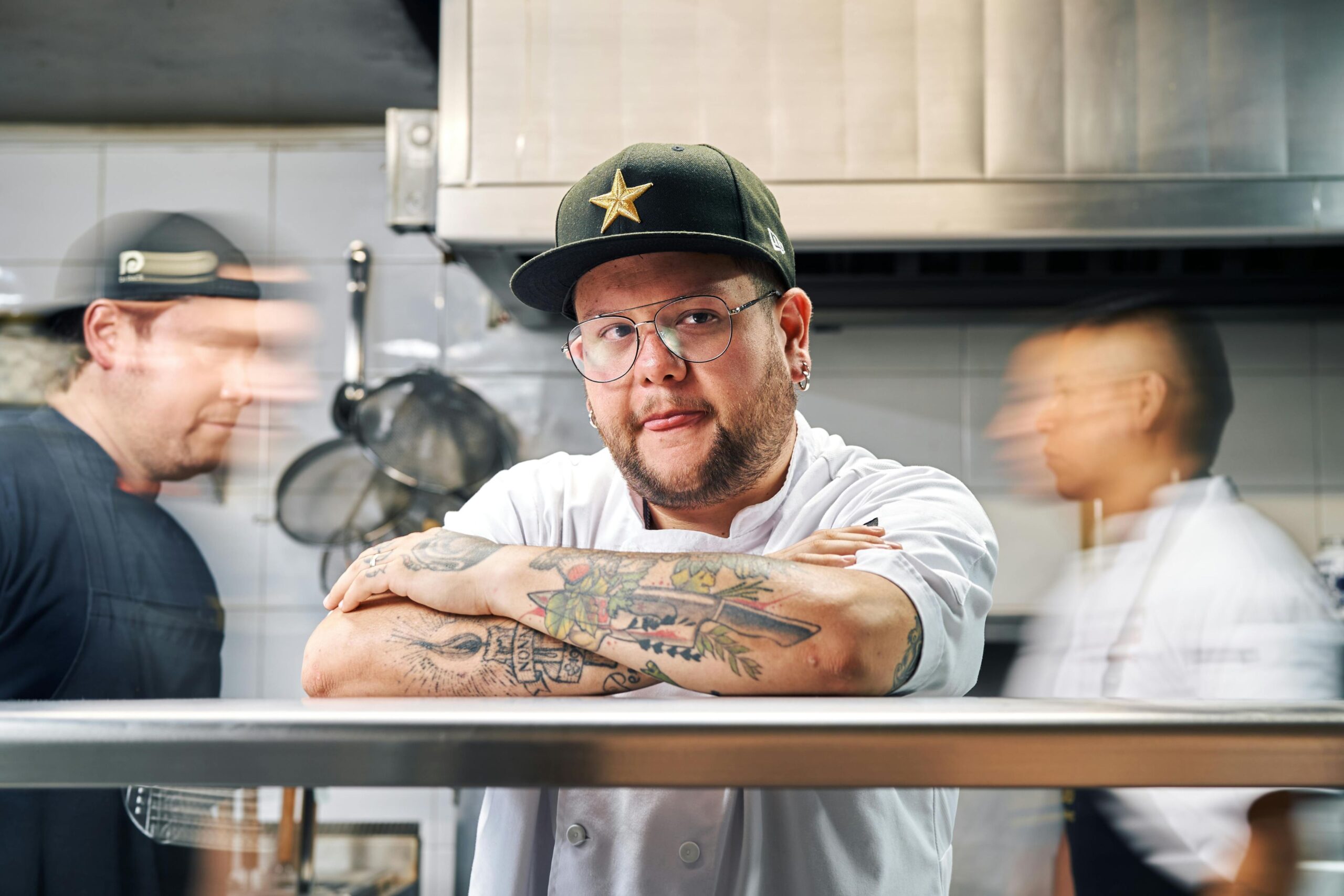
professional chef with tattoos on his arms on the pass in the kitchen

The world of cooking holds countless secrets shared by professional chefs daily. These culinary facts reveal techniques that transform ordinary meals into extraordinary experiences. Moreover, understanding these insights helps home cooks elevate their kitchen skills significantly.

Essential Cooking Techniques Every Home Chef Should Master

Professional chefs emphasize the importance of knife skills above all else. Sharp knives make food preparation safer and more efficient. Additionally, proper cutting techniques preserve ingredient flavors and textures.

1. Salt should be added throughout cooking, not just at the end.

GUSTO guide worldwide restaurants, hotels, nightlife, professional services GUSTO guide worldwide restaurants, hotels, nightlife, professional services GUSTO guide worldwide restaurants, hotels, nightlife, professional services

2. Room temperature ingredients blend more easily than cold ones.

3. Sharp knives are safer than dull blades for precise cutting.

4. Resting meat after cooking redistributes juices for better flavor.

5. High-quality olive oil should be added after cooking, not during.

Furthermore, these foundational techniques separate amateur from professional results. Professional chefs emphasize consistency in every preparation step. Therefore, mastering basics creates exceptional outcomes.

6. Cast iron pans require seasoning to develop non-stick surfaces.

-

A person tasting seasoning from a wooden spoon while cooking an unfamiliar global dish in a restaurant kitchen.

Taste seasoning in any unfamiliar cuisine

13/09/2026
A woman carefully arranging a selection of global condiments on a well-organized kitchen pantry shelf

Global condiments for faster weeknight meals

07/09/2026
A chef whisking together marinade basics including oil, citrus, and fresh herbs in a large ceramic bowl

Marinade basics for any protein

28/08/2026
A chef monitors a tray of tomatoes and mushrooms, using key techniques to build deep flavour in a meatless dish.

Deep flavour: cooking without meat or stock

23/08/2026
A professional chef adjusting salt acid and seasoning in a large pot in a busy restaurant kitchen

Complete guide to balancing salt, acid, fat, and heat

13/08/2026
A woman harvesting fresh herbs from a sunny summer garden, cutting stems with small scissors

How to Keep Herbs Fresh All Summer

09/08/2026

7. Acidic ingredients like lemon brighten heavy, rich dishes instantly.

8. Searing meat creates flavor through the Maillard reaction process.

9. Fresh herbs should be added at the end of cooking.

10. Tasting food constantly during preparation ensures proper seasoning.

Discoveries

The Mastercooks of Belgium: 170 Elite Chefs Network

12/10/2025

Food Science Principles from Professional Kitchens

11. Proteins denature at 140°F (60°C), changing texture permanently during cooking.

12. Butter contains 80% fat, which carries flavors better than oils.

13. Baking soda needs acid to activate its leavening properties.

14. Gluten develops when flour and water are mixed together.

15. Eggs emulsify mixtures, binding oil and water-based ingredients.

Indeed, understanding food chemistry prevents common cooking mistakes. Temperature control determines final dish textures and flavors. Consequently, chefs use thermometers for precision cooking.

16. Sugar caramelizes at 320°F (160°C), creating complex sweet flavors naturally.

17. Salt enhances sweetness in desserts when used sparingly.

18. Starches thicken sauces by absorbing liquid during heating.

19. Alcohol evaporates at 173°F (78°C), leaving concentrated flavors behind.

20. Browning vegetables develops natural sugars through caramelization.
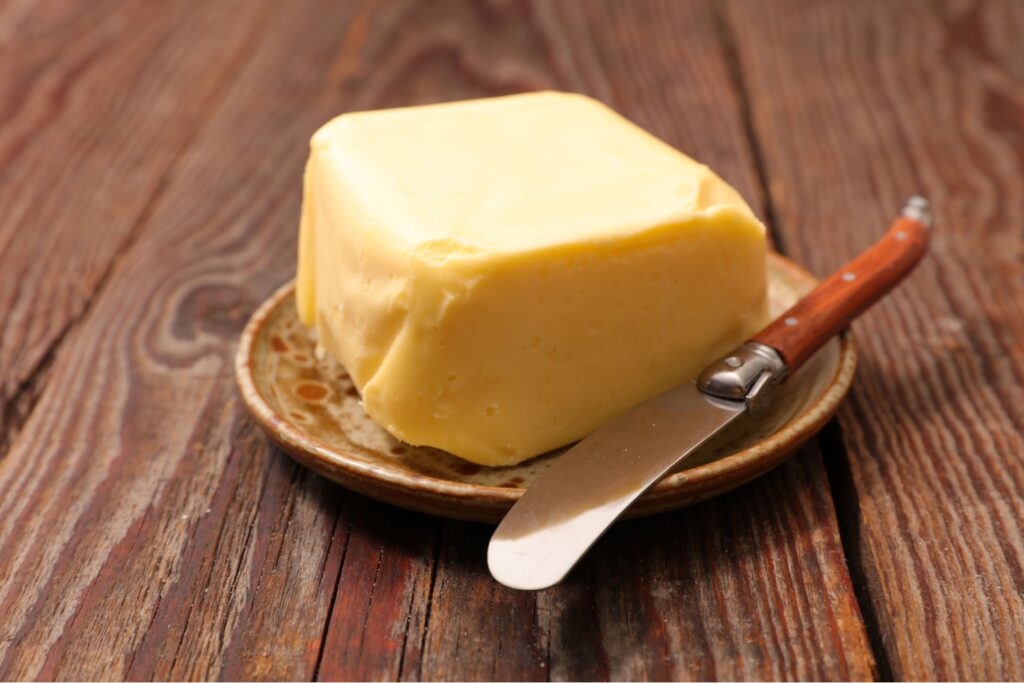
Fresh butter block with butter knife on a plate and wooden table

Global Culinary Wisdom and Traditional Techniques

21. French mise en place means preparing all ingredients before cooking.

22. Italian pasta water should taste like the ocean.

23. Japanese chefs use kombu for natural umami depth.

24. Thai cuisine balances sweet, sour, salty, and spicy.

25. Indian spices bloom in hot oil to release essential oils.

Additionally, these cultural traditions offer time-tested cooking methods. Each cuisine developed techniques suited to available ingredients. Meanwhile, modern chefs blend global approaches creatively.

26. Mexican cuisine uses dried chiles for complex heat layers.

27. Chinese wok cooking requires extremely high heat temperatures.

28. Middle Eastern cooking often combines sweet and savory elements.

29. Spanish paella develops socarrat, the crispy bottom layer.

30. Korean fermentation creates depth in kimchi and other dishes.

Professional Chef Kitchen Transformation

Thomas Rodriguez, Head Chef, Culinary Institute Barcelona

“Our students struggled with basic knife skills and timing issues. We implemented daily practice sessions and standardized cooking procedures. Each class now follows structured technique development programs.

Student confidence improved dramatically within six weeks of training. Graduation rates increased by 52% after curriculum changes. Our 2026 graduates secured positions in top restaurants worldwide.”

A chef roasting seasonal root vegetables in a professional kitchen at the autumn equinox, demonstrating classic techniques

Autumn equinox and how cooks rethink heat

16/09/2026

The autumn equinox is not simply a date on a calendar. It is the moment when serious cooks across the...
A skilled baker shaping a sourdough loaf by hand, reflecting the craft at the heart of global bread traditions

Bread traditions and what they reveal

15/09/2026

Bread traditions are among the oldest and most honest records of human civilization. From the grain a community grows to...

Female bakery worker in a brown shirt and apron stands behind a glass display filled with croissants and pastries.

Gluten-free bakeries NYC: eat well

14/09/2026

Gluten-free bakeries in New York City are no longer a compromise. From dedicated allergen-free kitchens in the West Village to...
a woman arranges roasted root vegetables on a plate as part of the new autumn menus service in a kitchen.

Autumn menus: 8 ways restaurants adapt

14/09/2026

When the first cool evenings arrive, restaurants do not simply swap a few dishes. They rethink flavour, space, light, and...


Advanced Cooking Methods and Modern Innovations

31. Sous vide cooking maintains precise temperatures for perfect doneness.

32. Smoking food adds depth without overwhelming natural flavors.

33. Fermentation preserves food while developing complex taste profiles.

34. Dehydrating concentrates flavors and creates unique textures.

35. Pressure cooking reduces preparation time while retaining nutrients.

For instance, modern equipment expands traditional cooking possibilities. Technology allows home chefs to achieve restaurant-quality results. Thus, innovation meets tradition in contemporary kitchens.

36. Immersion blenders create silky smooth soups and sauces.

37. Mandoline slicers ensure uniform vegetable thickness for even cooking.

38. Digital scales provide accuracy for consistent baking results.

39. Instant-read thermometers prevent overcooking expensive proteins.

40. Food processors reduce prep time significantly for busy cooks.

chiba peel chef & knife belgium
Chiba Peel-S Mandolin Katsuramuki - Click on the picture for further information

Ingredient Selection and Sustainable Practices

41. Seasonal produce tastes better and costs less money.

42. Frozen vegetables retain nutrients better than old fresh ones.

43. Grass-fed beef contains more omega-3 fatty acids naturally.

44. Local sourcing reduces carbon footprint and supports community farmers.

45. Organic ingredients avoid synthetic pesticides and chemical fertilizers.

Moreover, conscious ingredient choices benefit health and environment equally. Sustainable cooking reduces waste while improving food quality. Therefore, chefs increasingly prioritize ethical sourcing practices.

46. Food waste can become flavorful stocks and broths.

47. Vegetable peels contain concentrated nutrients and fiber.

48. Proper storage extends ingredient freshness significantly longer.

49. Composting returns nutrients to soil for future crops.

50. Plant-based proteins reduce environmental impact compared to meat.

Chefs & Creators

Floris Van Der Veken: from a late calling to ‘Hof van Cleve’

30/11/2025

Recommended Resources for Continued Learning

Professional Chef Organizations:

  • World Association of Chefs Societies – Global culinary education and certification programs
  • James Beard Foundation – American culinary excellence and chef development resources
  • Institute of Culinary Education – Professional training programs in major cities worldwide

Food Science Education:

  • Serious Eats – Science-based cooking techniques and tested recipes
  • ChefSteps – Modern cooking methods and precision technique tutorials
  • America’s Test Kitchen – Equipment reviews and reliable cooking methods
author avatar
GUSTOwebzine
GUSTOwebzine is your international window on food culture: culinary lifestyle, trends, recipes and gastronomic stories for a global audience with a passion for exceptional taste.
See Full Bio
Tags: chefcooking tips
Previous Post

International Restaurant & Bar Expo 2026: Kazakhstan HoReCa Hub

Next Post

Friday the 13th: Foods Every Foodie Must Try

Related Posts

A person tasting seasoning from a wooden spoon while cooking an unfamiliar global dish in a restaurant kitchen.
Home Cooking Tips

Taste seasoning in any unfamiliar cuisine

13/09/2026
A woman carefully arranging a selection of global condiments on a well-organized kitchen pantry shelf
Home Cooking Tips

Global condiments for faster weeknight meals

07/09/2026
A chef whisking together marinade basics including oil, citrus, and fresh herbs in a large ceramic bowl
Home Cooking Tips

Marinade basics for any protein

28/08/2026
A chef monitors a tray of tomatoes and mushrooms, using key techniques to build deep flavour in a meatless dish.
Home Cooking Tips

Deep flavour: cooking without meat or stock

23/08/2026
A professional chef adjusting salt acid and seasoning in a large pot in a busy restaurant kitchen
Home Cooking Tips

Complete guide to balancing salt, acid, fat, and heat

13/08/2026
Next Post
_calendar friday the 13th

Friday the 13th: Foods Every Foodie Must Try

Comments 3

  1. lucas_moreauF says:
    6 months ago

    Super article ! Ces 50 faits culinaires et astuces de chefs sont vraiment fascinants. On en apprend tous les jours, même quand on pense bien connaître la cuisine. C’est génial d’avoir les secrets des experts regroupés en un seul endroit. Merci pour cette liste très inspirante

    Reply
  2. Zaktoni_Hassan says:
    5 months ago

    These expert chef insights are incredibly valuable for anyone looking to improve their skills. I didn’t know about so many of these culinary facts, and it really changes the way you think about everyday ingredients. Thanks for compiling such a comprehensive and useful list

    Reply
  3. ryanmitchellAN says:
    5 months ago

    I’ve been cooking for a long time, but reading through these 50 insights really humbled me. It’s fascinating how small adjustments—like resting meat properly or understanding the balance of salt and acidity—can completely transform a dish. Lists like this separate everyday cooking from true culinary art. I’ll definitely be incorporating a few of these pro tips into my prep work this weekend. Great write-up

    Reply

Leave a Reply Cancel reply

Your email address will not be published. Required fields are marked *

Truelang AI Translations Truelang AI Translations Truelang AI Translations
No Result
View All Result

Our Focus

GUSTOwebzine is your international window on food culture: culinary lifestyle, trends, recipes and gastronomic stories for a global audience with a passion for exceptional taste.

Our Readers

GUSTOwebzine addresses readers who engage with food culture at a high level: as culinary professionals, passionate home cooks, food entrepreneurs, and tastemakers in their communities.

Our Approach

Recipes, trends, and dining culture are integrated as context and indicators of creativity, identity, and the social forces shaping how the world eats, not standalone content.

Recent Post

  • Truffle dinners in NYC this autumn
  • Autumn equinox and how cooks rethink heat

© 2026 GUSTOwebzine by NOOR & NOOR — part of WEBZINE.world.

Welcome Back!

Login to your account below

Forgotten Password?

Retrieve your password

Please enter your username or email address to reset your password.

Log In
Manage Consent
To provide the best experiences, we use technologies like cookies to store and/or access device information. Consenting to these technologies will allow us to process data such as browsing behavior or unique IDs on this site. Not consenting or withdrawing consent, may adversely affect certain features and functions.
Functional Always active
The technical storage or access is strictly necessary for the legitimate purpose of enabling the use of a specific service explicitly requested by the subscriber or user, or for the sole purpose of carrying out the transmission of a communication over an electronic communications network.
Preferences
The technical storage or access is necessary for the legitimate purpose of storing preferences that are not requested by the subscriber or user.
Statistics
The technical storage or access that is used exclusively for statistical purposes. The technical storage or access that is used exclusively for anonymous statistical purposes. Without a subpoena, voluntary compliance on the part of your Internet Service Provider, or additional records from a third party, information stored or retrieved for this purpose alone cannot usually be used to identify you.
Marketing
The technical storage or access is required to create user profiles to send advertising, or to track the user on a website or across several websites for similar marketing purposes.
  • Manage options
  • Manage services
  • Manage {vendor_count} vendors
  • Read more about these purposes
View preferences
  • {title}
  • {title}
  • {title}
No Result
View All Result
  • Home
    • Our Authors
    • Subscribe for Free
    • Media Kit
    • Contact
    • Terms and Conditions
    • Cookie Policy
  • Discoveries
    • Chefs
  • Culinary Culture
  • Food & Drinks
  • Cooking Tips
    • Recipes
  • GUSTO Global
  • Insights
  • GUSTO Guide
    • Hotels Worldwide
    • Nightlife Worlwide
    • Restaurants Worldwide
    • Services Worldwide

© 2026 GUSTOwebzine by NOOR & NOOR — part of WEBZINE.world.

Not enough quota to unlock this post
Unlock left : 0
Are you sure want to cancel subscription?
Verified by MonsterInsights
enEnglishdeDeutschesEspañolfrFrançaisnlNederlands