

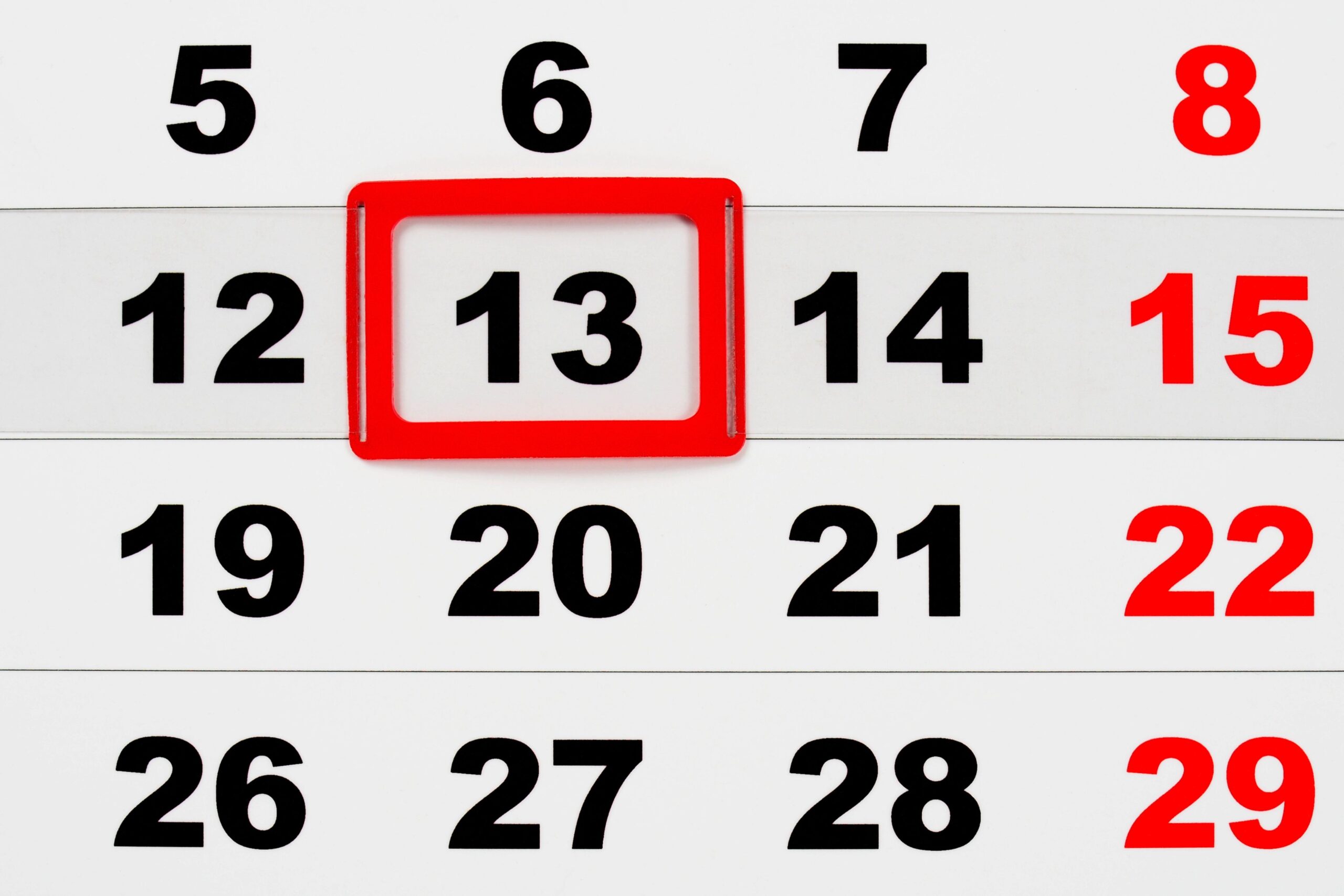
Friday the 13th and the Global Food Superstition Map
Food and superstitions have always been deeply linked. Every culture has dishes tied to luck, protection, and fate.
In France, hosting 13 dinner guests is considered deeply unlucky. Hosts traditionally invite a fourteenth guest just to break the curse — a practice still observed at formal Parisian dinner parties today. This ritual shapes how French hosts plan their tables even now.

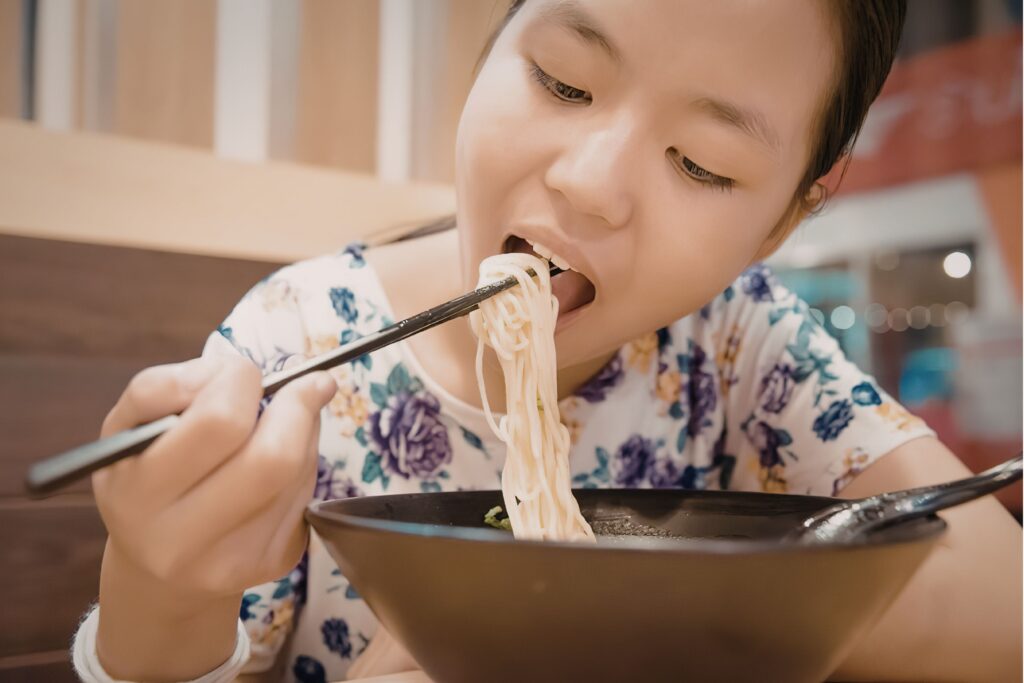
Meanwhile, Chinese culinary tradition treats noodle length with great seriousness. Cutting or breaking noodles is believed to shorten your lifespan, so careful cooks always let noodles stay whole. Foodies who respect this tradition never snap a single strand.
Why Friday the 13th Is a Big Deal for Foodies in 2026
2026 is a remarkable year for this date. Three Friday the 13ths fall in February, March, and November. This gives food lovers multiple meaningful moments to cook with purpose.
Krispy Kreme launched a “lucky in love” giveaway on Friday the 13th in February 2026. They handed out 13,000 coupons for a free dozen glazed donuts, redeemable within exactly 13 days. That kind of edible celebration shows how foodies are fully embracing the date.

Additionally, many people host full 13-course dinners on this day. Others bake a baker’s dozen of pastries and share them with neighbors. The food rituals around Friday the 13th are growing bigger every year.
Lucky Foods That Beat the Unlucky Day
Across the world, certain foods appear again and again on lucky lists. These are the staples that cultures trust on an unlucky day.
Garlic tops the list almost everywhere. It is considered a powerful protective food in many traditions, appearing in Italian bruschetta, Greek stews, and Mexican mole. Salt follows right behind. Long treated as a lucky ingredient across cultures worldwide, it wards off evil — though spilling it is almost universally seen as bad news.




Furthermore, black-eyed peas, lentils, and long noodles all carry good fortune in their home cultures. Making a pot of black-eyed peas on Friday the 13th is one popular way to push back against the day’s unlucky energy. Foodies worldwide treat these humble dishes as edible armor.

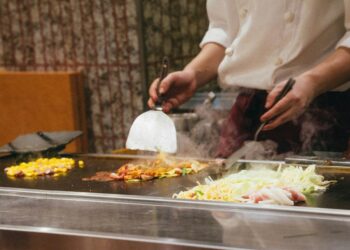
Autumn equinox and how cooks rethink heat
The autumn equinox is not simply a date on a calendar. It is the moment when serious cooks across the...
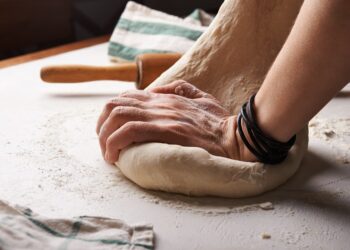
Bread traditions and what they reveal
Bread traditions are among the oldest and most honest records of human civilization. From the grain a community grows to...
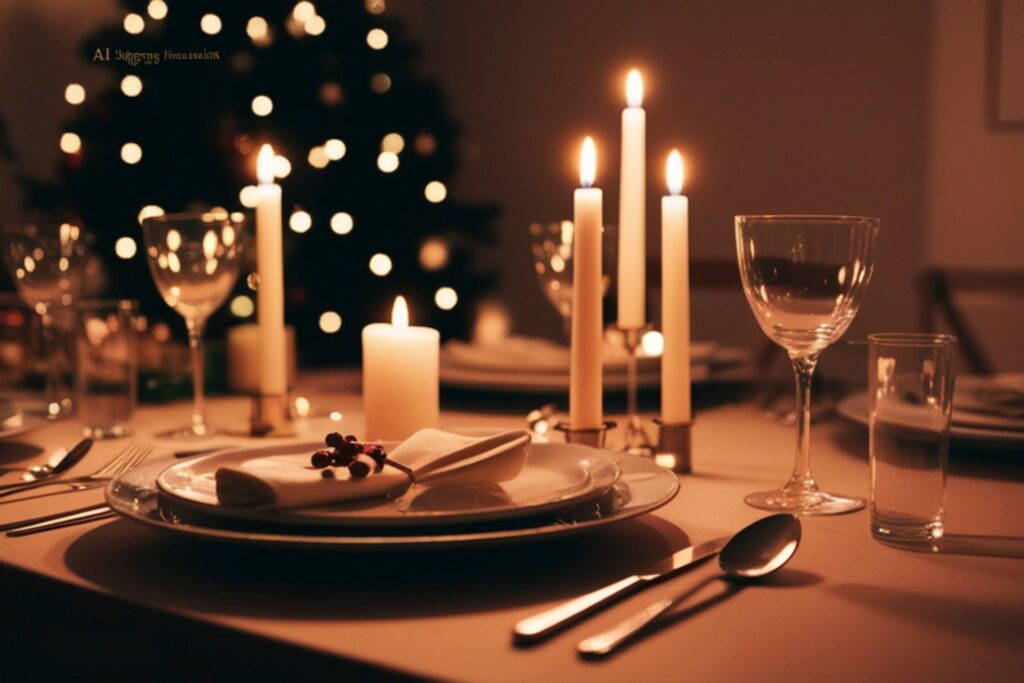
Conclusion: Make Friday Your Most Delicious Date
Friday the 13th is no longer just an unlucky day on the calendar. Indeed, it has become a global food event. Foodies from Mexico City to Tokyo use Friday as a reason to cook boldly, eat intentionally, and connect with deep culinary tradition.

Therefore, with three Friday the 13th dates in 2026, you have more chances than ever to join the celebration. Plan your menu, invite your most adventurous food friends, and turn superstitions into your best meal of the year. Browse our recipes and find your lucky dish today.







Une analyse absolument captivante qui transcende la simple liste culinaire pour explorer ce que j’appellerais “l’économie de l’expérience et du storytelling”. En 2026, le succès d’une marque alimentaire ne repose plus uniquement sur la qualité du produit, mais sur sa capacité à s’insérer dans un récit culturel fort, même s’il est teinté de superstitions comme celle du Vendredi 13.
Il est fascinant de voir comment cet article déconstruit le folklore pour en faire un levier de curiosité gastronomique. L’accent mis sur la “gastronomie narrative” — où chaque plat raconte une légende ou conjure un sort — témoigne d’une compréhension profonde de l’anthropologie de la consommation moderne. Pour les entrepreneurs du secteur Food-Tech et du e-commerce, ces moments thématiques sont des opportunités stratégiques pour créer un engagement émotionnel fort et fidéliser une audience en quête d’insolite et d’authenticité.
Merci pour cette synthèse rigoureuse qui prouve que la table est, avant tout, un espace de culture et de rituels sociaux. Un guide indispensable pour tout “foodie” ou professionnel cherchant à décrypter les tendances de consommation de cette année. Une lecture inspirante et savoureuse !
Une analyse absolument captivante qui transcende la simple liste culinaire pour explorer ce que j’appellerais “l’économie de l’expérience et du storytelling”. En 2026, le succès d’une marque alimentaire ne repose plus uniquement sur la qualité du produit, mais sur sa capacité à s’insérer dans un récit culturel fort, même s’il est teinté de superstitions comme celle du Vendredi 13.
Il est fascinant de voir comment cet article déconstruit le folklore pour en faire un levier de curiosité gastronomique. L’accent mis sur la “gastronomie narrative” — où chaque plat raconte une légende ou conjure un sort — témoigne d’une compréhension profonde de l’anthropologie de la consommation moderne. Pour les entrepreneurs du secteur Food-Tech et du e-commerce, ces moments thématiques sont des opportunités stratégiques pour créer un engagement émotionnel fort et fidéliser une audience en quête d’insolite et d’authenticité.
Merci pour cette synthèse rigoureuse qui prouve que la table est, avant tout, un espace de culture et de rituels sociaux. Un guide indispensable pour tout “foodie” ou professionnel cherchant à décrypter les tendances de consommation de cette année. Une lecture inspirante et savoureuse !
A masterly and deeply compelling analysis of ‘Narrative Gastronomy’ as we navigate the consumer trends of 2026. This article perfectly captures how food has evolved beyond mere nutrition into a sophisticated medium for cultural storytelling and ‘Experience Economy’ growth.
Leveraging the folklore of ‘Friday the 13th’ as a catalyst for culinary exploration is a brilliant example of ‘Superstition Marketing.’ It demonstrates a profound understanding of modern consumer behavior, where the audience is no longer just buying a product, but an immersive ritual. For entrepreneurs in the Food-Tech and digital content sectors, this approach is a blueprint for building high-engagement brands that resonate on an emotional and psychological level.
Thank you for this rigorous synthesis that highlights the power of transforming ancient myths into modern-day retail surges. This is an essential read for anyone looking to master the art of ‘Contextual Commerce’ in the 2020s!”