CONTACT
  • Login
Upgrade
GUSTOwebzine
Advertisement
  • Home
    • Our Authors
    • Subscribe for Free
    • Media Kit
    • Contact
    • Terms and Conditions
    • Cookie Policy
  • Discoveries
    • Chefs
  • Culinary Culture
  • Food & Drinks
  • Cooking Tips
    • Recipes
  • GUSTO Global
  • Insights
  • GUSTO Guide
    • Hotels Worldwide
    • Nightlife Worlwide
    • Restaurants Worldwide
    • Services Worldwide
  • Home
    • Our Authors
    • Subscribe for Free
    • Media Kit
    • Contact
    • Terms and Conditions
    • Cookie Policy
  • Discoveries
    • Chefs
  • Culinary Culture
  • Food & Drinks
  • Cooking Tips
    • Recipes
  • GUSTO Global
  • Insights
  • GUSTO Guide
    • Hotels Worldwide
    • Nightlife Worlwide
    • Restaurants Worldwide
    • Services Worldwide
No Result
View All Result
GUSTOwebzine
No Result
View All Result
Home Home Cooking Tips

Fermentation Basics: Asian Recipes Guide

Master fermentation basics with Asian staples like miso and tempeh. Learn simple techniques for homemade koji, probiotics, and traditional recipes.

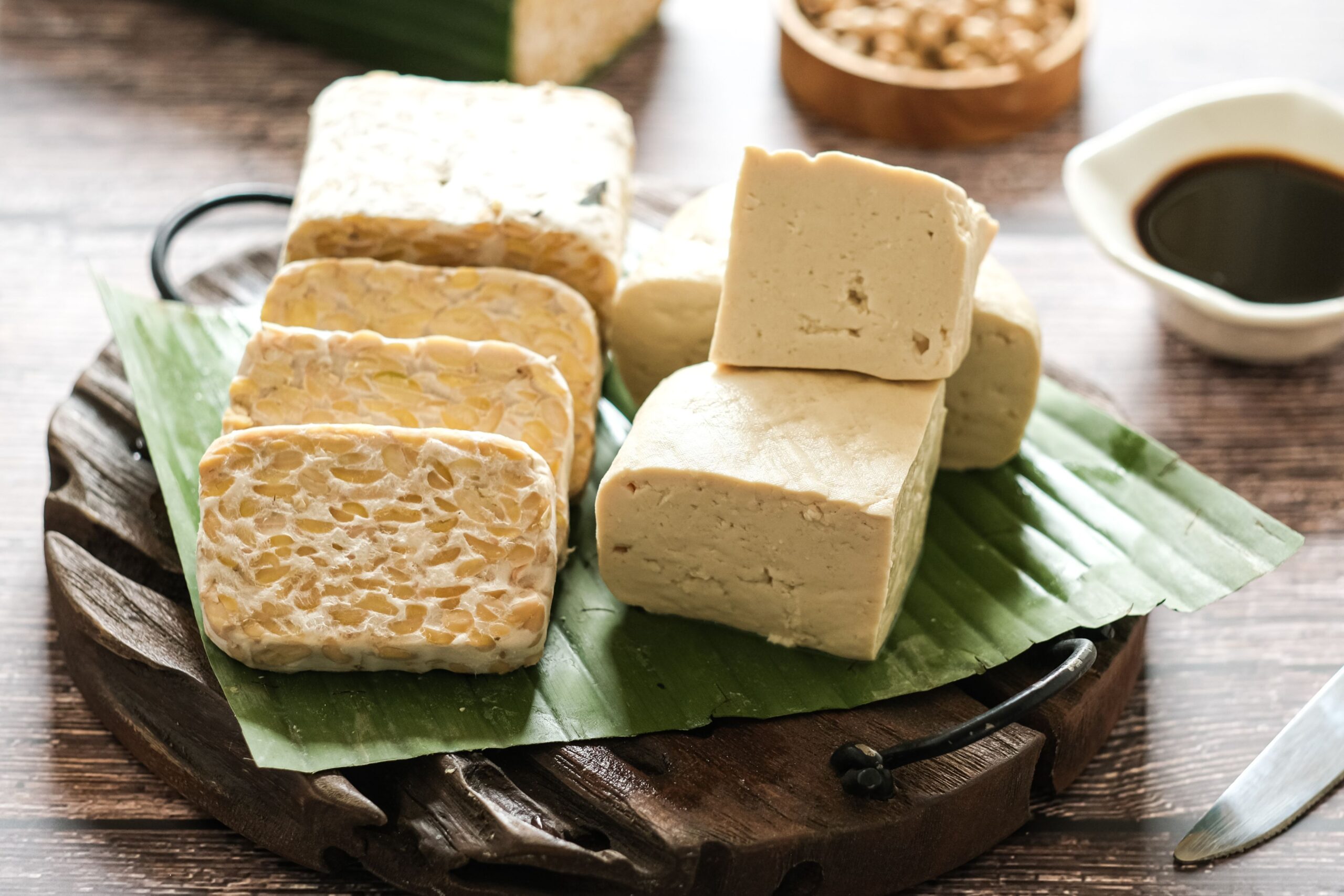
fermentation basics tempeh soy

Understanding fermentation basics opens doors to authentic Asian flavors at home. Moreover, traditional methods create healthy, probiotic-rich foods that transform simple ingredients. Therefore, learning these techniques connects you to centuries of culinary wisdom while boosting your kitchen confidence.

What Makes Fermentation Basics Essential for Asian Cooking?

Fermentation basics form the backbone of Asian cuisine. Indeed, cultures across Japan, Korea, Indonesia, and China have perfected these methods over millennia. The process transforms soybeans, grains, and vegetables into complex flavors.

Additionally, fermentation increases nutritional value through beneficial bacteria. These probiotics support gut health while enhancing taste. Furthermore, fermented foods last longer without refrigeration, making them practical pantry staples.

GUSTO guide worldwide restaurants, hotels, nightlife, professional services GUSTO guide worldwide restaurants, hotels, nightlife, professional services GUSTO guide worldwide restaurants, hotels, nightlife, professional services

For instance, miso production begins with koji cultivation. This fermented rice starter contains Aspergillus oryzae mold. Consequently, koji breaks down proteins and starches into savory compounds.

Chefs & Creators

Floris Van Der Veken: from a late calling to ‘Hof van Cleve’

30/11/2025

How Does Miso Production Work in Japanese Kitchens?

Miso starts with steamed soybeans and koji rice. First, crush the cooked beans into a paste. Then, mix them with koji and salt at specific ratios.

The fermentation period varies by type. White miso ferments for weeks, creating mild sweetness. Meanwhile, red miso ages for months, developing robust depth.

Temperature control matters significantly during fermentation. Keep your mixture between 60-75°F for best results. As a result, beneficial bacteria thrive while harmful organisms stay dormant.

noor-noor-social-media-website-seo-content-virtual-assistance-link-building-2048x1364

Why Is Tempeh Different from Other Soy Products?

Tempeh uses whole soybeans bound by white mold. Specifically, Rhizopus oligosporus creates this Indonesian staple. The process differs completely from miso fermentation basics.

Start by soaking and partially cooking soybeans. Next, inoculate them with tempeh starter culture. Pack the beans into perforated containers for air circulation.


-

A woman applies a thin layer of oil to a cast iron pan during the cast iron seasoning process in a home kitchen.

Cast iron seasoning: the complete guide

19/07/2026
A chef demonstrating knife skills while slicing fresh summer tomatoes on a wooden cutting board

Knife skills for summer produce prep

13/07/2026
A chef holds tongs over an open flame while charring summer peppers on a gas stovetop in a professional kitchen.

Summer peppers: char, peel, and use them

08/07/2026
A woman carefully assembling a cold noodle bowl with fresh vegetables and sesame dressing on a bright kitchen counter

Cold noodle bowl for hot summer days

03/07/2026
A woman scooping a bowl of homemade ice cream from a metal loaf pan in a bright kitchen

Homemade ice cream without a machine

28/06/2026
A woman carefully arranging ripe stone fruit at a summer farmers market, selecting the best peaches and plums for storage

Stone fruit storage tips for summer

18/06/2026

Within 24-48 hours, white mycelium forms. This creates a firm, sliceable cake with nutty flavor. Moreover, tempeh contains more protein and fiber than tofu.
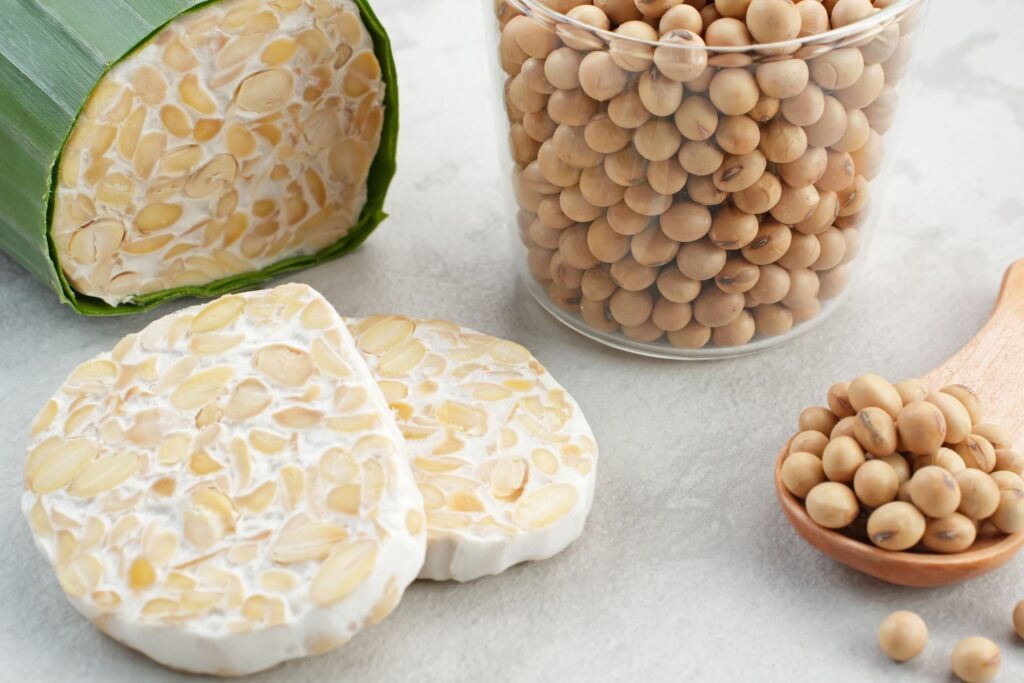

Traditional miso and tempeh showing fermentation basics in Asian cuisine with koji starter cultures

Real Success from Home Fermentation

Maria Chen, Food Blogger, Singapore

“I struggled with store-bought miso prices initially. The flavors never matched authentic recipes I remembered. Therefore, I started making fermentation basics at home with koji.”

“My homemade miso saved 60% on costs. The taste improved dramatically in my cooking. Furthermore, I now make tempeh weekly for meal prep.”

People swimming in a large outdoor pool with palm trees and a distant city skyline under a clear blue sky.

Beach clubs in Dubai worth joining

01/08/2026

Dubai's best beach clubs have moved well beyond pools and parasols. For residents who visit regularly, a members-only annual pass...

A hotel chef carefully plates a locally sourced hotel breakfast dish featuring seasonal vegetables and regional grains

Hotel breakfast and local food culture

01/08/2026

Hotel breakfast programs are shifting away from generic buffets and toward menus that reflect the food traditions of their region....

Open Japanese noodle shop counter with a chef in a white hat and mask cooking amid rising steam as customers eat at the bar to the left.

Cold soba and chilled tofu in Tokyo

31/07/2026

Tokyo summer eating is not about abundance. It is about restraint, temperature, and craft. This guide presents 6 restaurants where...

Woman in a bright pink saree chops vegetables in a rustic outdoor kitchen, with metal bowls nearby.

Gluten-free flours for Indian baking

31/07/2026

India's kitchens have always held a quiet treasure: a wide range of naturally gluten-free flours that predate modern wellness trends...

Where Can You Source Quality Koji Starter?

Koji availability has expanded significantly by 2026. Online retailers ship fresh and dried cultures worldwide. However, quality varies between suppliers considerably.

Look for organic, non-GMO options from reputable sources. Japanese brands like Marukome offer reliable starter cultures. Additionally, local Asian markets often stock fresh koji refrigerated.

Store dried koji in airtight containers away from moisture. Fresh koji lasts two weeks refrigerated properly. Consequently, buying in bulk makes economic sense for regular fermentation.

Which Fermentation Basics Should Beginners Master First?

Start with simple sauerkraut or pickles before miso. These require less equipment and shorter timelines. Nevertheless, they teach fundamental fermentation basics effectively.

Move to koji cultivation after mastering vegetables. Growing your own koji reduces costs substantially. For example, one batch ferments multiple pounds of beans.

Tempeh represents an intermediate skill level for homecooks. The process moves quickly but demands attention. Although mistakes happen, results are usually edible regardless.


Discoveries

Chef & Knife: from Garage to Culinary Hub

21/11/2025

Conclusion: Your Fermentation Journey Starts Now

Mastering fermentation basics transforms your cooking with authentic Asian flavors. These ancient techniques create probiotics-rich foods that nourish body and soul. Furthermore, homemade miso and tempeh cost less than commercial versions.

Start experimenting with koji and simple recipes today. Your kitchen becomes a laboratory of delicious possibilities. Therefore, embrace these fermentation basics and discover culinary traditions that span continents.

Ready to begin your fermentation adventure? Gather koji starter, soybeans, and patience. The results will exceed your expectations remarkably.

Helpful Resources for Fermentation Success

  • Cultures for Health: Fermentation Starter Cultures
  • The Kitchn: Complete Guide to Fermentation
  • Serious Eats: Asian Fermentation Techniques
author avatar
GUSTOwebzine
GUSTOwebzine is your international window on food culture: culinary lifestyle, trends, recipes and gastronomic stories for a global audience with a passion for exceptional taste.
See Full Bio
Tags: fermentationhome cookingkojimisoprobioticstempeh
Previous Post

Hospitality Industry: 5 Career FAQs

Next Post

West African One-Pot Wonders: Mafe and Yassa

Related Posts

A woman applies a thin layer of oil to a cast iron pan during the cast iron seasoning process in a home kitchen.
Home Cooking Tips

Cast iron seasoning: the complete guide

19/07/2026
A chef demonstrating knife skills while slicing fresh summer tomatoes on a wooden cutting board
Home Cooking Tips

Knife skills for summer produce prep

13/07/2026
A chef holds tongs over an open flame while charring summer peppers on a gas stovetop in a professional kitchen.
Home Cooking Tips

Summer peppers: char, peel, and use them

08/07/2026
A woman carefully assembling a cold noodle bowl with fresh vegetables and sesame dressing on a bright kitchen counter
Home Cooking Tips

Cold noodle bowl for hot summer days

03/07/2026
A woman scooping a bowl of homemade ice cream from a metal loaf pan in a bright kitchen
Home Cooking Tips

Homemade ice cream without a machine

28/06/2026
Next Post
West African one-pot meal in traditional cooking pots

West African One-Pot Wonders: Mafe and Yassa

Comments 2

  1. ZAKTONI HASSAN says:
    2 months ago

    Quick question for anyone who has tried this. My first batch of miso went grey on top after about 3 weeks, is that the kahm yeast you mentioned or did I mess something up? Smelled fine otherwise. Was planning to scrape it off but wanted to double check before ruining months of waiting.

    Reply
  2. Adrian Parker says:
    2 months ago

    My first attempt at miso went sideways because I didn’t realize how long it actually takes, I was checking it after three weeks like an idiot. The article makes it sound so approachable but people should really know some of these ferments need months, not days. Still worth it once it’s ready though.

    Reply

Leave a Reply Cancel reply

Your email address will not be published. Required fields are marked *

Truelang AI Translations Truelang AI Translations Truelang AI Translations
No Result
View All Result

Our Focus

GUSTOwebzine is your international window on food culture: culinary lifestyle, trends, recipes and gastronomic stories for a global audience with a passion for exceptional taste.

Our Readers

GUSTOwebzine addresses readers who engage with food culture at a high level: as culinary professionals, passionate home cooks, food entrepreneurs, and tastemakers in their communities.

Our Approach

Recipes, trends, and dining culture are integrated as context and indicators of creativity, identity, and the social forces shaping how the world eats, not standalone content.

Recent Post

  • 6 slow-cooked braises from around the world
  • National Day dishes every table needs

© 2026 GUSTOwebzine by NOOR & NOOR — part of WEBZINE.world.

Welcome Back!

Login to your account below

Forgotten Password?

Retrieve your password

Please enter your username or email address to reset your password.

Log In
Manage Consent
To provide the best experiences, we use technologies like cookies to store and/or access device information. Consenting to these technologies will allow us to process data such as browsing behavior or unique IDs on this site. Not consenting or withdrawing consent, may adversely affect certain features and functions.
Functional Always active
The technical storage or access is strictly necessary for the legitimate purpose of enabling the use of a specific service explicitly requested by the subscriber or user, or for the sole purpose of carrying out the transmission of a communication over an electronic communications network.
Preferences
The technical storage or access is necessary for the legitimate purpose of storing preferences that are not requested by the subscriber or user.
Statistics
The technical storage or access that is used exclusively for statistical purposes. The technical storage or access that is used exclusively for anonymous statistical purposes. Without a subpoena, voluntary compliance on the part of your Internet Service Provider, or additional records from a third party, information stored or retrieved for this purpose alone cannot usually be used to identify you.
Marketing
The technical storage or access is required to create user profiles to send advertising, or to track the user on a website or across several websites for similar marketing purposes.
  • Manage options
  • Manage services
  • Manage {vendor_count} vendors
  • Read more about these purposes
View preferences
  • {title}
  • {title}
  • {title}
No Result
View All Result
  • Home
    • Our Authors
    • Subscribe for Free
    • Media Kit
    • Contact
    • Terms and Conditions
    • Cookie Policy
  • Discoveries
    • Chefs
  • Culinary Culture
  • Food & Drinks
  • Cooking Tips
    • Recipes
  • GUSTO Global
  • Insights
  • GUSTO Guide
    • Hotels Worldwide
    • Nightlife Worlwide
    • Restaurants Worldwide
    • Services Worldwide

© 2026 GUSTOwebzine by NOOR & NOOR — part of WEBZINE.world.

Not enough quota to unlock this post
Unlock left : 0
Are you sure want to cancel subscription?
Verified by MonsterInsights
enEnglishdeDeutschesEspañolfrFrançaisitItalianoja日本語nlNederlandszh中文
No results