

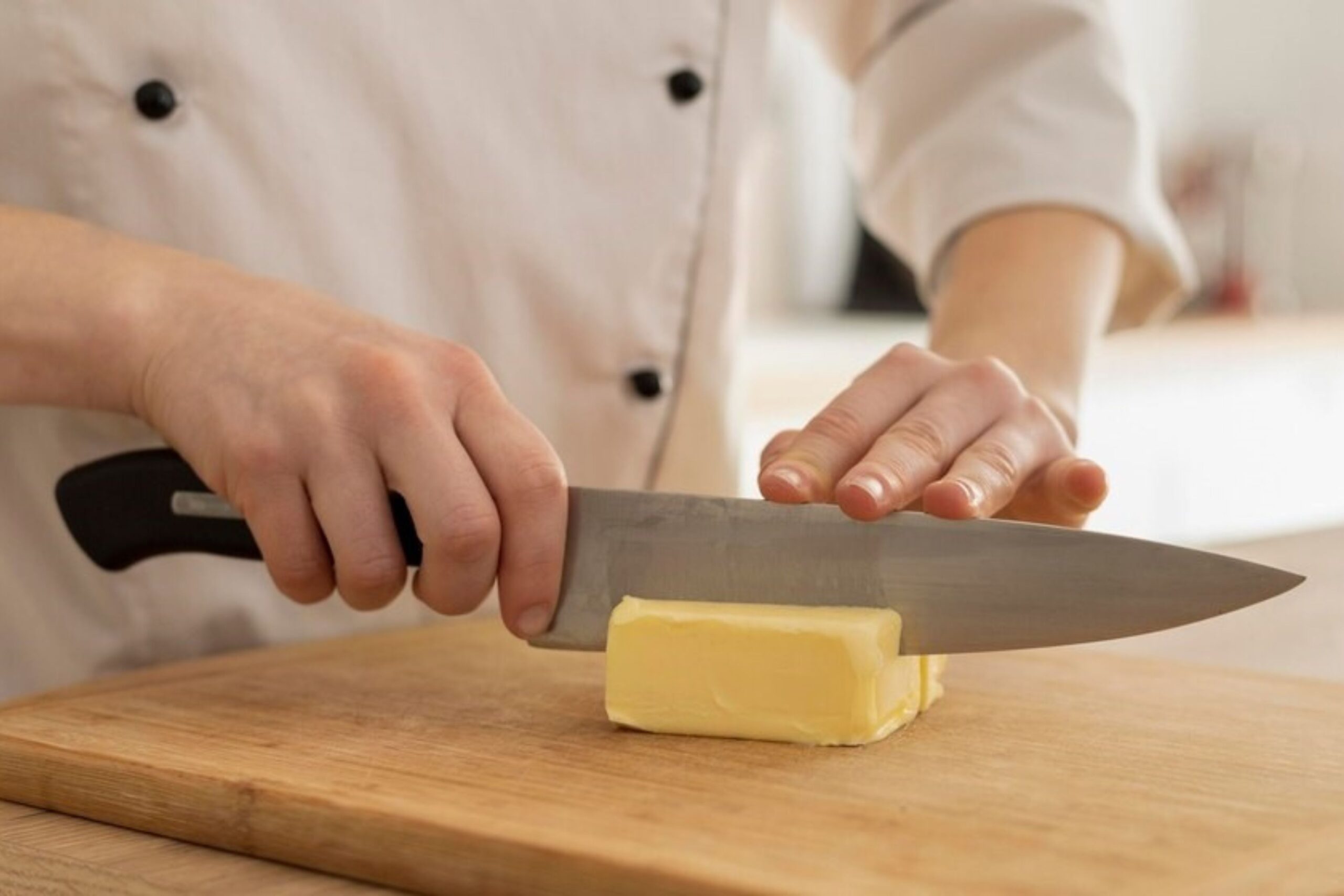
Butter Comes from Natural Dairy Sources
Butter starts with fresh cream from cow’s milk. Farmers churn this cream until fat separates from liquid. This process has remained unchanged for centuries.
Additionally, butter contains only one or two ingredients. These include cream and sometimes salt. Furthermore, grass-fed varieties offer superior nutritional profiles.

On the other hand, it requires no chemical processing. Indeed, this simplicity appeals to clean-eating advocates worldwide.
Margarine Relies on Industrial Processing
Margarine emerged as a laboratory invention in 1869. Scientists created it from vegetable oils and water. Consequently, manufacturers must add emulsifiers to blend these ingredients.
The process involves hydrogenation or interesterification. Moreover, margarine often contains multiple additives. These include preservatives, colors, and flavors.

However, modern versions avoid harmful trans fats. Nevertheless, the ingredient list remains significantly longer than butter products.
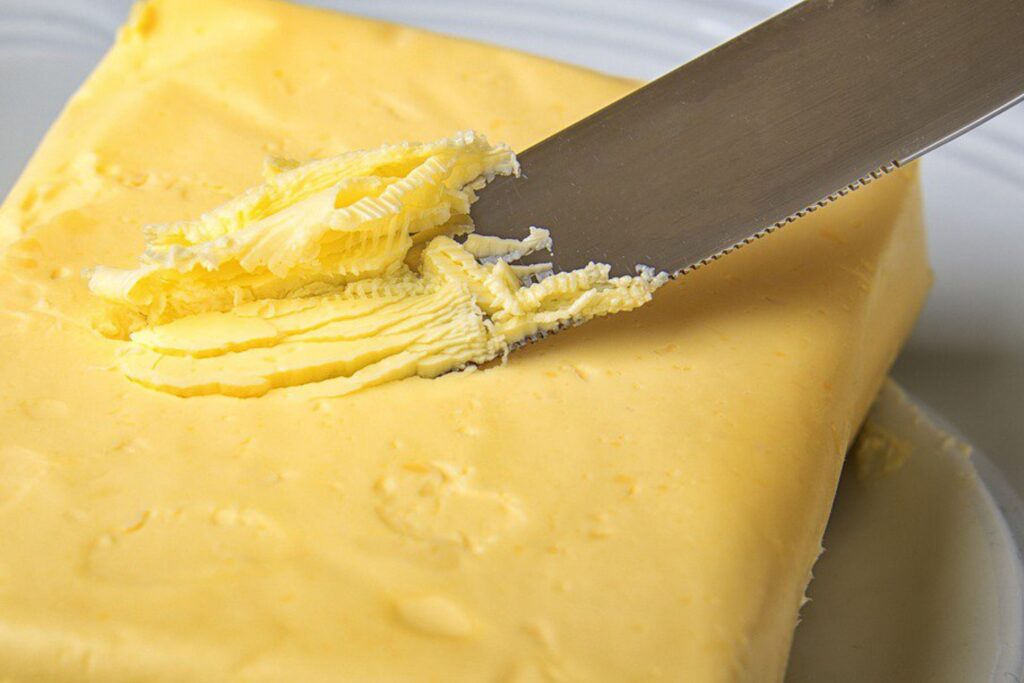
Butter Delivers Superior Flavor in Cooking
Butter provides rich, creamy taste naturally. Professional chefs prefer it for fine dining applications. Indeed, its flavor enhances both sweet and savory dishes.
For instance, French pastries rely on butter’s unique properties. Additionally, it creates flakier pie crusts. Therefore, many bakers refuse to substitute it.






Furthermore, butter adds depth to classic sauces. These include hollandaise and beurre blanc. Conversely, margarine tastes more neutral and bland.


Autumn equinox and how cooks rethink heat
The autumn equinox is not simply a date on a calendar. It is the moment when serious cooks across the...

Bread traditions and what they reveal
Bread traditions are among the oldest and most honest records of human civilization. From the grain a community grows to...
Conclusion: Making Informed Butter Choices
Butter and margarine serve different culinary purposes. Understanding their distinct properties improves your cooking results. Therefore, choose butter for superior flavor and natural ingredients.

Moreover, butter provides valuable nutrients when consumed moderately. Consequently, invest in quality products for better taste. Indeed, your dishes deserve authentic ingredients.
Finally, experiment with both spreads in your kitchen. Discover which works best for your needs. Start cooking with real butter today for noticeable improvements.











Un article passionnant qui éclaire parfaitement le débat entre le beurre et la margarine. C’est essentiel pour tout amateur de cuisine de comprendre comment le choix de la matière grasse influence non seulement la santé, mais aussi la texture et la richesse des saveurs. Merci pour ce comparatif très complet
Such a great breakdown of the age-old butter vs. margarine debate! It’s fascinating to see how each choice affects both the flavor profile and the health aspects of our cooking. Understanding when to use which is a game-changer for any foodie. Thanks for this clear and informative guide
The butter vs. margarine discussion is always a hot topic, and this article nails the key differences. Whether it’s about flavor or nutrition, knowing the facts helps us make better choices in the kitchen. Excellent read for anyone serious about their food
The history bit was the most interesting part for me, the way margarine was pushed as the healthy choice for decades and then quietly walked back when the trans fat damage became impossible to ignore. Makes me cautious about every new food trend honestly. My mother fed us margarine through the whole 90s thinking she was being responsible.