Street food from Southeast Asia carries centuries of culinary discipline: each dish is a small, precise act of cultural memory, executed with heat, balance, and intention.
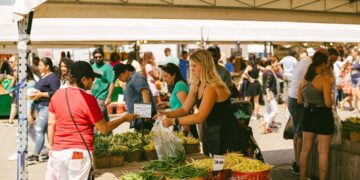
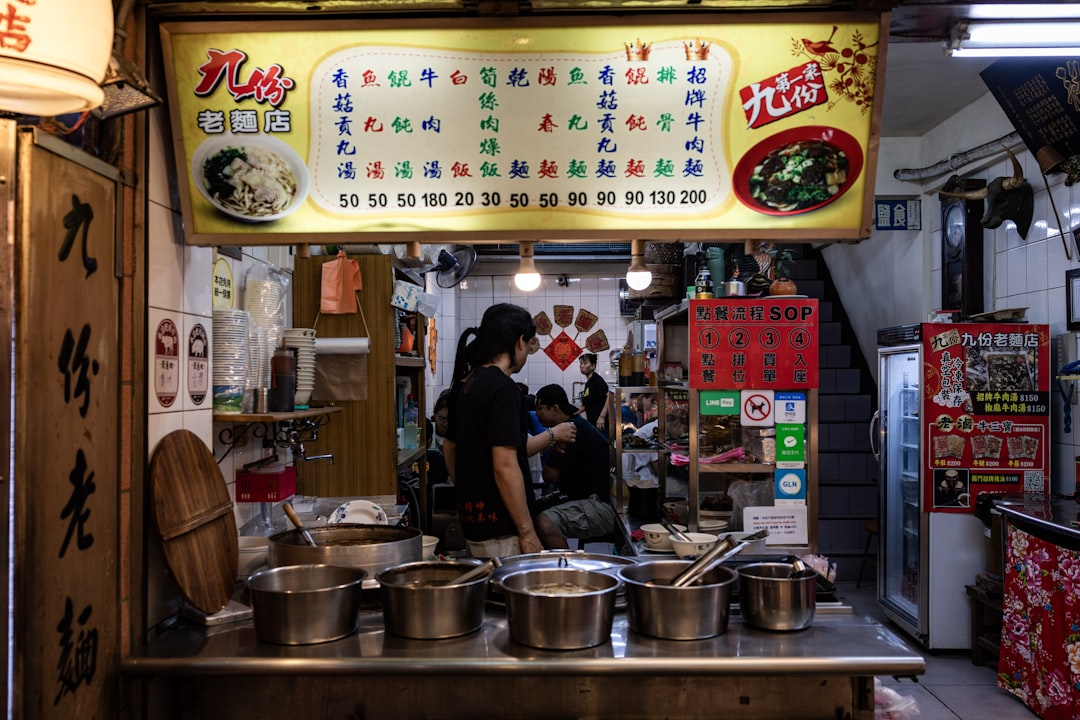
Southeast Asian cuisine has been shaped by centuries of trade and cultural exchange, and Chinese, Indian, and European colonial powers have all left their mark on the region’s food. This blend has produced a remarkable diversity of flavors and cooking techniques. While eating out is an occasional luxury in other parts of the world, millions across Southeast Asia rely on street stalls, traditional markets, and hawker centres for breakfast, lunch, and dinner. The 8 dishes below are approachable for the home cook and worthy of a serious kitchen.
Pho: the architecture of a great broth
Roadside stalls and cafes serve bowl after bowl of this Vietnamese noodle soup, known for its aromatic and nuanced broth, springy rice noodles, and tender protein. It is typically served with fresh garnishes, including herbs, bean sprouts, lime, and chili, so each diner can adjust the bowl to personal taste.

To recreate pho at home, begin with the broth. Char whole onion and ginger directly over a flame until blackened on the outside. Combine them in a large pot with beef bones, star anise, cinnamon, cloves, and fish sauce. The Vietnamese culinary philosophy shines through the delicate harmony between fresh herbs and the depth of a broth simmered with extraordinary patience. Simmer for a minimum of 4 hours, skim regularly, then strain. Season with precision. The broth is everything.
Pad Thai: balance as technique
This iconic Thai dish was born out of necessity following a rice shortage during World War II. It was introduced in Bangkok and named to inspire patriotism. Today it remains one of the most studied dishes in the Thai repertoire.
The sauce is the technical center of the recipe. A traditional mixture of fish sauce, tamarind, garlic chives, and pickled radish defines its character. Cook flat rice noodles in a very hot wok, add egg, tofu or shrimp, and fold the sauce through at the last moment. Add fresh bean sprouts and finish with crushed peanuts. The wok must be extremely hot: the slight smoke, called wok hei, is not optional.

Satay: fire and patience
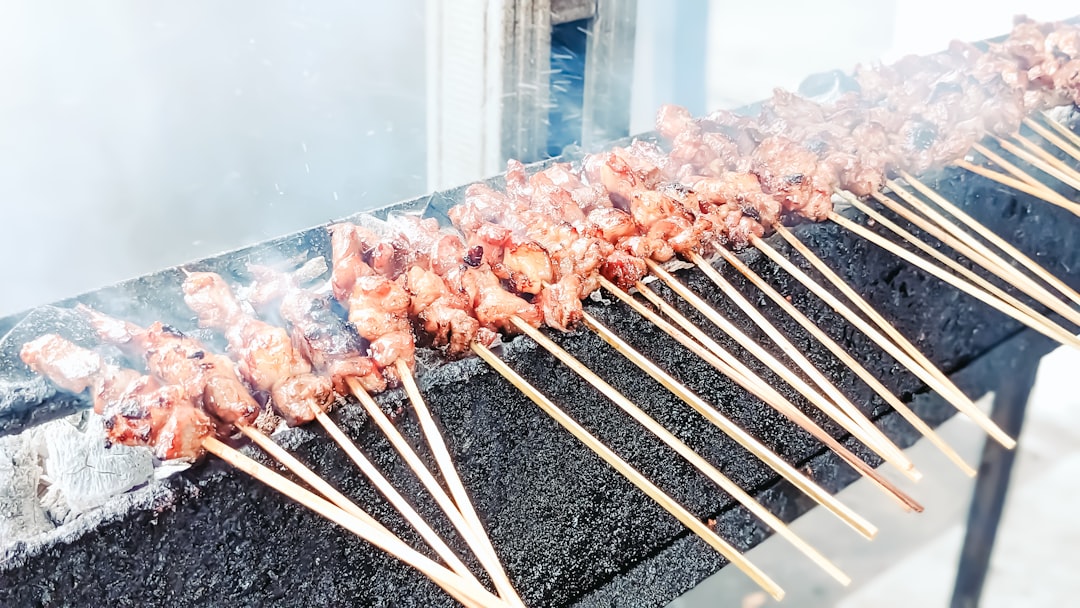
Satay originates from Indonesia and is popular all over the world. This dish is believed to have originated in Java but is also commonly eaten in Malaysia, Brunei, the Philippines, Singapore, and Thailand.
Marinate thin strips of chicken or beef in a blend of lemongrass, turmeric, galangal, and coconut milk for at least 3 hours. Thread the meat onto soaked bamboo skewers. Satay sauce is usually a combination of peanut and soy sauce, though other spice variations exist. The meat skewers are soaked in water before grilling to prevent burning. Grill over charcoal if possible. The char is part of the flavor, not a mistake.
An expert perspective on street food as craft
Street food in Southeast Asia is not a simplified version of restaurant cooking. It is often more demanding. A vendor who has spent 30 years making 1 dish has mastered every variable: the heat of the flame, the ratio of the sauce, the texture of the noodle at each stage of cooking. That precision is the result of daily repetition at a level no culinary school can fully replicate. When a home cook attempts these recipes, the most important quality they can bring is respect for that process. Start with the best ingredients you can source. Learn the role of each one before you substitute. And understand that the first attempt is only the beginning of the technique, not the proof of it. The dish will improve each time you make it, because your hands and your judgment improve with it.
Industry perspective, culinary culture and street food professionals in Southeast Asia
Banh mi: French technique meets Vietnamese precision
This savory sandwich combines bright Vietnamese flavors, including cilantro, chili, and pickled vegetables, with a crusty French baguette spread with butter and pate, a culinary influence remaining from French occupation.
The quality of the bread is non-negotiable. The baguette must have a crackly crust and an open crumb. Bake your own using a high-hydration dough, or source a good artisan loaf. Make the pickle 24 hours in advance: thin strips of carrot and daikon in rice vinegar, sugar, and salt. Layer the fillings with care. This beloved sandwich is a perfect fusion of French baguettes and Vietnamese fillings like grilled meat, pickled vegetables, and fresh herbs. Each element must be present in every bite.





Nasi lemak: precision in the simplest ingredients
This Malay coconut-infused rice dish is commonly eaten at breakfast. Although it is the national dish of Malaysia, nasi lemak is also eaten in Singapore, Brunei, and Southern Thailand.
Nasi lemak is served with sambal and is often garnished with roasted peanuts, anchovies, and a fried egg. Once the rice has been soaked in coconut cream, it is left to steam. It is also cooked with pandan leaves, which commonly grow in Southeast Asia and give the dish its distinctive flavor. The sambal requires real attention: fry blended dried chilies, shallots, garlic, and shrimp paste low and slow until the oil separates and the paste turns a deep, burnished red.
Char kway teow: the discipline of high heat
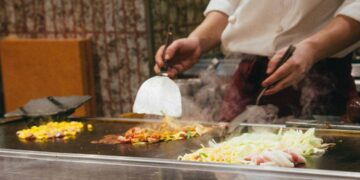
Char kway teow, a beloved stir-fried dish in Malaysia, combines flat rice noodles with prawns, Chinese sausage, and bean sprouts, yielding a smoky, savory flavor. The dish lives or dies by the temperature of the pan.
Use a carbon steel wok and heat it until it is nearly at its smoke point. Add lard or a neutral oil, then the sausage, followed by the noodles. A splash of dark soy sauce and light soy sauce goes in next, then the prawns and egg. Toss the noodles continuously. This Singaporean style of char kway teow is a delicious example of Southeast Asian street food: flat rice noodles with Chinese sausage, prawns, and vegetables, flavored with sweet soy sauce, sesame oil, and chilies for a spicy touch. The dish takes under 5 minutes to cook. Every second matters.
Gado-gado and fresh spring rolls: the art of the cold plate
Not every great street food requires a flame. Packed with wholesome vegetables and dressed with a richly flavored peanut sauce, gado-gado is an Indonesian salad designed to temper the spicier main dishes with its cooling taste and sweet-savory flavor.
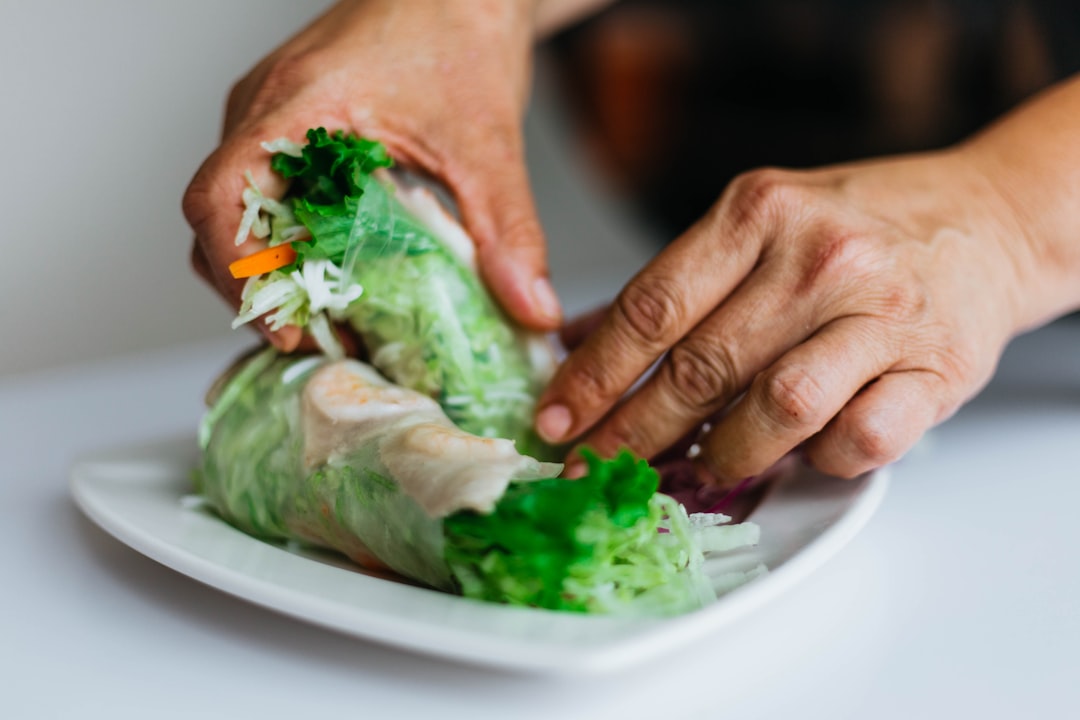
Fresh spring rolls are found in markets and at roadside stalls all over northern Southeast Asia, especially in Cambodia and Vietnam. The classic goi cuon contains sweet prawns, pork belly, vermicelli noodles, and fresh aromatic herbs, wrapped in damp rice paper sheets. Both dishes reward precise knife work and excellent produce. Source the freshest vegetables available, prepare every component separately, and compose each plate with care. The peanut sauce for both dishes benefits from a small addition of tamarind, which adds acidity and depth. Adjust seasoning only at the end.
Bringing street food home
Street food from Southeast Asia rewards the cook who treats simplicity as a discipline, not a shortcut. Each of these 8 recipes carries a history of technique, and the details are what separate a good result from a great one. The widespread availability of local ingredients often inspires the culinary direction of street food culture and flavors. Source your ingredients from Asian grocery stores where possible: the right fish sauce, the correct noodle, and fresh pandan leaves are not decorative choices. They are structural ones. Return to these recipes often. Street food, by its nature, improves with repetition, and so will you.

Discover more about street food
- Street Food of Southeast Asia
- Southeast Asia Street Food: An Intersection of Culture and History
- Michelin best food cities 2026: Where street food shapes the region’s top culinary cities