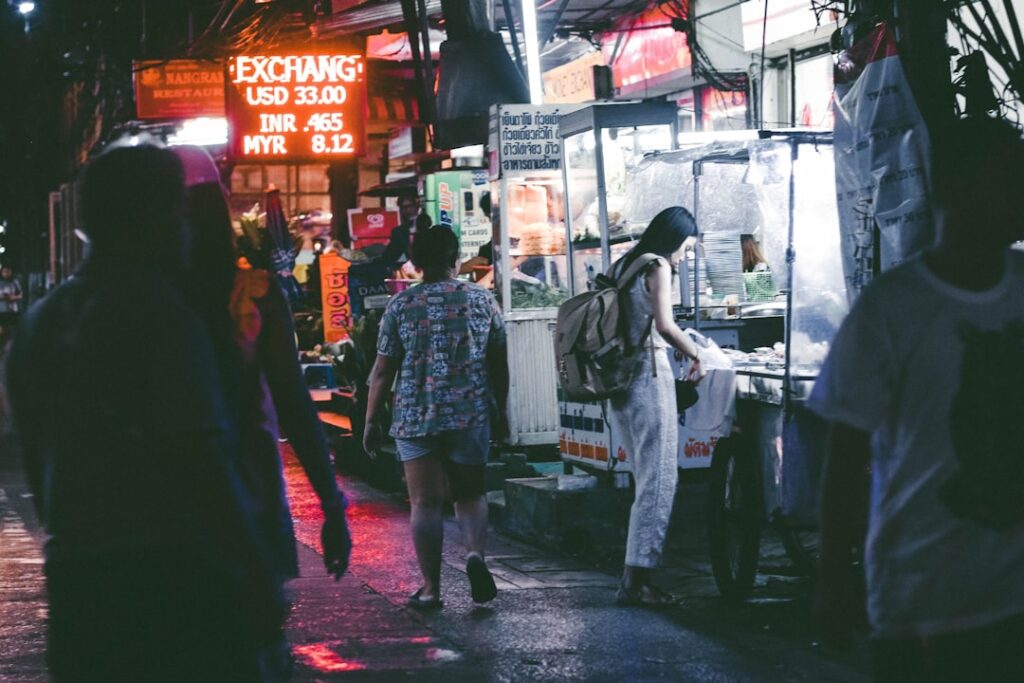
Gluten free dining at Singapore’s hawker centres is entirely possible, but it requires a clear strategy before you pull up a plastic stool and point at the nearest bowl of noodles.
Why hawker centres challenge a gluten free diet
Singapore’s hawker centres are a national treasure. They are also a genuine obstacle for anyone who needs to avoid gluten. The problem is not the food itself. The problem is the environment it is cooked in.

One major issue at hawker centres is cross-contamination. The stalls are small, with shared equipment, utensils, woks, and limited counter space. It is very easy for gluten to contaminate what could otherwise be gluten free food. For example, if wheat noodles are cooked in the same water as rice noodles, the rice noodles will end up with significant gluten contamination. Gluten is water-soluble, so boiling water used for wheat noodles can transfer gluten to rice noodles.
Then there is the sauce problem. Gluten is found in certain condiments such as soy sauces, Asian marinades, and barbecue sauces. At hawker centres, these sauces are applied almost automatically. The vendors may not be familiar with gluten, may not know where it hides, and many ingredients arrive in bulk or commercially prepared sauces that do not carry clear allergen information.
Finally, the term “gluten free” itself creates a communication barrier. Instead of asking whether a dish contains gluten, it is simpler to ask vendors what the ingredients are, as gluten may be an unknown term to many of them. This is practical advice, not a criticism. It simply reflects the reality of ordering at a fast-moving food stall.

The dishes most likely to be safe
Despite these challenges, a number of hawker dishes carry a lower gluten risk. The key is to know which ones to choose and how to modify them.
Every hawker centre has at least 1 stall selling Hainanese chicken rice, which is steamed chicken served with rice cooked in chicken broth. It is generally gluten free, but you must tell the vendor “no sauce” as sauce is normally added before the dish is handed to you. This single instruction makes a significant difference.
Singapore carrot cake, which is actually made from white radish, rice flour, and eggs, can be a safer option. Choose the white version, as the black version contains significant amounts of soy sauce. Similarly, nasi lemak consists of rice served with toppings such as spicy sambal, dried anchovies, peanuts, cucumbers, and eggs. Order it without the deep-fried chicken to make it a gluten free meal.
Nyonya kueh is naturally gluten free and made from coconut milk, rice, and sometimes tapioca flour. These bright, layered sweets are widely available at hawker centres and make an excellent dessert option. Other items commonly available at hawker centres include plain rice or coconut rice, edamame, chilli sauce, crushed garlic, fruit, and fruit juice.
The hidden dangers you must know about
Understanding the safe dishes is only half the task. Understanding the hidden risks is equally important.
Cross-contamination risk at typical hawker stalls is high, even if a particular dish does not appear to contain gluten, because a stall often sells other dishes that contain soy or wheat and the utensils such as chopping boards, knives, and woks are shared. Rice noodles are also frequently cooked in the same pot of water as wheat noodles. This is especially important to note if you have coeliac disease.
Soy sauce is the biggest single risk. Soy is the main problem in local cooking, and cheap soy sauces are all wheat-accelerated and can be found in almost every cuisine at a hawker centre. You will find it in fried rice, char kway teow, wanton noodles, and many meat marinades. Ask vendors to confirm which sauces they use in specific dishes.
For people with coeliac disease, the risk level is considerably higher than for those with a general gluten sensitivity. Choosing to eat at a hawker centre is a personal decision that depends on the degree of gluten intolerance. Anyone with coeliac disease should apply extra caution at every stall.

Expert perspective on navigating dietary needs at hawker stalls
Hawker centres represent one of the most complex dietary environments in Southeast Asia for anyone managing gluten sensitivity. The stalls are designed for speed and volume, not allergen management. The most effective strategy is to build familiarity with specific stalls over time. Regular visits to the same vendor allow you to communicate your needs clearly, verify preparation methods, and establish a level of trust that a one-time visit cannot provide. Naturally gluten free dishes such as plain steamed proteins, plain rice, and fresh fruit are almost always available and require minimal modification. The real danger is not the core ingredients but the sauces, marinades, and shared cooking water that accompany them. A printed allergy card in the local language is one of the most practical tools a gluten free diner can carry.
Industry perspective, dietary allergy and food safety professionals in Singapore
Practical ordering strategies that work
Good preparation transforms the hawker centre experience from stressful to enjoyable. A few clear methods consistently produce better results.
A printed translation card is particularly useful if you want to dine at any non-dedicated gluten free restaurant or attempt hawker food. Cards in Mandarin, Malay, and Tamil cover most hawker vendor demographics. As well as English, Tamil, Mandarin Chinese, and Malay are the 3 other officially used languages in Singapore, and allergy resource cards in all 4 languages are available online.
Always ask for sauces on the side or request no sauce at all. Ask the vendor to confirm that the dish is gluten free, and always verify the ingredients before ordering. If a vendor looks uncertain, move on to the next stall. Visiting the same stalls regularly helps build a relationship with vendors. Over time, they learn your needs and can give clearer answers about ingredients and preparation methods.
Most Singapore residents speak English, so there is typically no language barrier when communicating your gluten free needs at restaurants. The challenge is specific to high-speed hawker environments where conversation time is short. Keep your request brief and specific. “No sauce, please” works far better than a long explanation.


Good hawker centres to explore
Not every hawker centre offers the same level of flexibility for a gluten free diner. Some locations give you more options.
Chicken rice is available at every hawker stall across Singapore. However, none is more celebrated than the Michelin-starred Tian Tian Hainanese Chicken Rice stall at Maxwell Food Centre in Chinatown. Order the steamed version and ask for no sauce on top. The night market at Lau Pa Sat, located at 18 Raffles Quay, operates every evening and offers a wider range of options, though you should be aware of potential cross-contamination risk.





The Coconut Club at 28 Ann Siang Road does not carry an allergen-marked menu, but its menu states that a gluten free version is available upon request, and staff have been noted to quickly identify safe and unsafe options for diners. This kind of labelling transparency is rare and worth seeking out.
Choosing a fully South Indian stall reduces the risk of cross-contamination, as wheat is not widely used in South Indian cooking. Tekka Centre in Little India is a good starting point for South Indian options.
Eating gluten free at Singapore’s hawker centres
Eating gluten free at Singapore’s hawker centres is rewarding when you go in with clear knowledge. The gluten free experience here is not about restriction. It is about choosing wisely. Hainanese chicken rice with no sauce, white carrot cake, plain nasi lemak, and fresh fruit are all genuine hawker dishes that put you at no disadvantage. Start with stalls that cook single dishes, ask about ingredients in plain language, carry a translation card, and choose familiar vendors over time. The hawker centre is one of the great joys of life in Singapore. With the right preparation, it belongs to you too. Visit the SFA website, download a gluten free restaurant app, and keep this guide bookmarked for your next outing.
Discover more about gluten free
- Singapore Food Agency: Food Allergy and Intolerance Information
- International Gluten Free: Eating Gluten Free at Hawker Centers
- Endless Distances: The Ultimate Gluten Free Singapore Guide
Originally published on SINGAPOREwebzine.