Slow braises are among the most honest expressions of culinary craft, and every culture that has built a serious food tradition has, in its own way, learned to coax profound tenderness and depth from time, heat, and a covered pot.
Why slow braises work
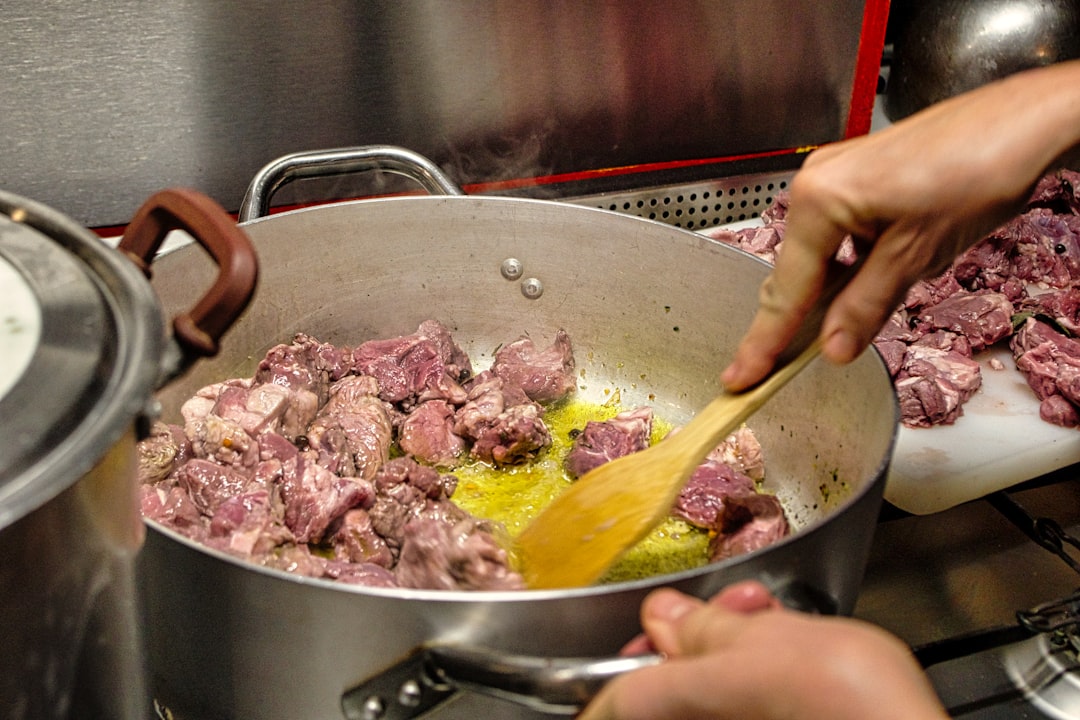
Long cooking at a lower temperature coaxes collagen, the main protein that makes up the connective tissue surrounding meat’s muscle fibers, to melt into gelatin, which lubricates the muscle fibers and results in a soft, tender final texture. This is the science behind every great braise on this list. The overwhelming majority of braises also undergo a browning stage, where essential flavor compounds are created through searing the food via the Maillard reaction. That initial crust is not decoration. It is the foundation of everything that follows.
By the late 19th century, Auguste Escoffier refined these methods in his foundational work Le Guide Culinaire, standardizing the use of mirepoix, a finely diced mixture of onions, carrots, and celery, as the aromatic base for braising liquids to build complex flavors systematically. That legacy still shapes how professional kitchens around the world approach aromatics today. Understanding this background makes each of the following dishes richer in meaning.

1. Boeuf bourguignon (France)
French cuisine boasts several iconic braised dishes, including boeuf bourguignon, a rich beef stew braised in red wine. The cut is typically beef chuck or short rib. You sear the meat in a heavy cocotte, build your mirepoix, add a full bottle of Burgundy wine, and place the pot in a low oven at around 160°C for 3 to 4 hours. Meats are cooked gently in wine and stock until they are meltingly tender.
The result is a sauce of remarkable depth: glossy, dark, and savory. Serve it with pommes purée or wide egg noodles. This is the dish against which all other slow braises are quietly measured.
2. Moroccan lamb tagine
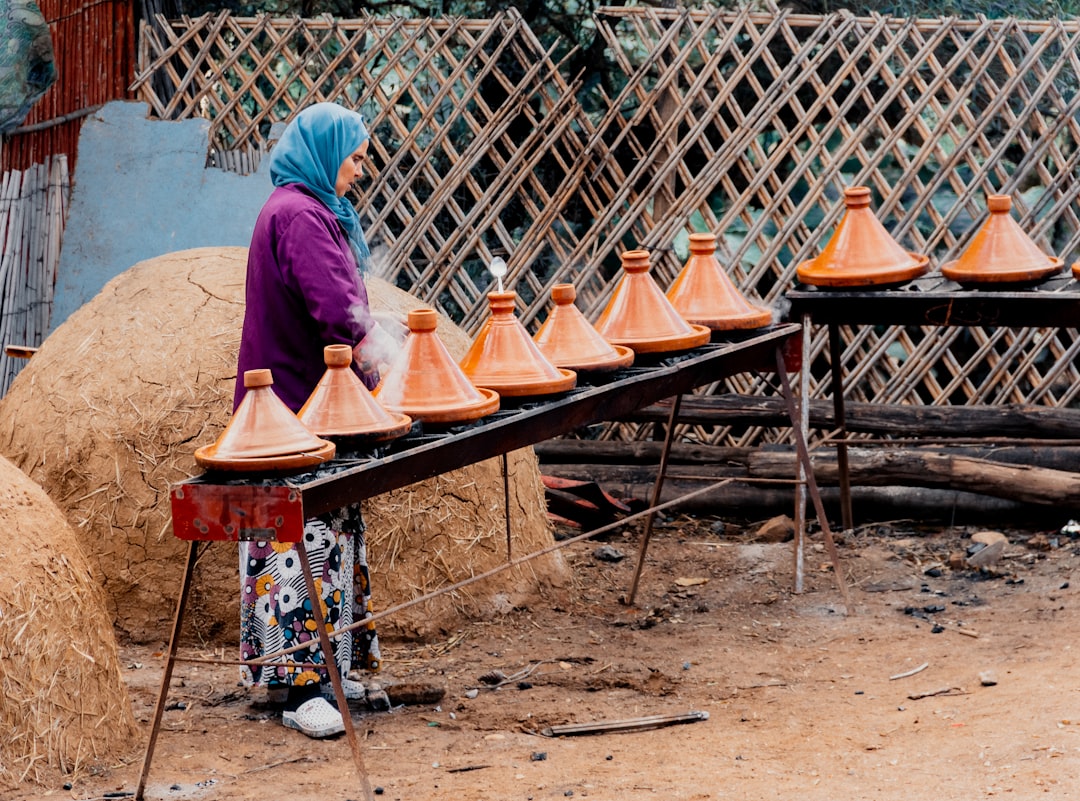
North African tagines showcase complex layering of spices. These aromatic mixtures often include cinnamon, cumin, coriander, and other warming spices that create distinctive flavor profiles. For this tagine, use bone-in lamb shoulder. Brown the pieces well in olive oil, then add preserved lemon, Casablanca olives, and a blend of ras el hanout. Pour in a small amount of water or light stock, cover tightly, and cook over a low flame for 2 hours.

The clay tagine vessel distributes heat gently and traps steam, effectively creating a self-basting environment. The collagen in the shoulder joint enriches the braising liquid naturally. Serve directly from the vessel with flatbread to absorb every drop of the aromatic sauce.
3. Italian osso buco (Italy)
Italian braising traditions are rich, with dishes like osso buco, braised veal shanks, and brasato al Barolo, beef braised in Barolo wine, showcasing the country’s love for slow-cooked meats and robust flavors. Osso buco uses cross-cut veal shank, tied with kitchen twine to hold its shape. Brown the shanks, soften a classic soffritto of onion, celery, and carrot, then add white wine and veal stock. Cook at 160°C for 2 hours until the bone marrow softens completely.
The finishing touch is gremolata: a fine mixture of lemon zest, garlic, and flat-leaf parsley. Add it in the final minute of cooking. It cuts through the richness with precision and lifts the entire dish. Italy’s culinary tradition was inscribed on UNESCO’s Intangible Cultural Heritage list in December 2025, honoring not just its recipes, but the broader cultural ecosystem that sustains Italian food culture.
Expert perspective on slow braises as cultural heritage
Slow braises occupy a unique place in global culinary history precisely because they require commitment. A cook who prepares a braise is making a deliberate choice to invest time and attention in a single pot. Across cultures, from the Chinese hong shao to the French daube, this investment reflects a shared understanding: that the best flavors cannot be rushed. The technique also represents an intelligent response to economy. Tough, inexpensive cuts yield more complex results through braising than expensive tender cuts ever could. When we cook a braise today, we are participating in a tradition that connects kitchens across centuries and continents. This is why braised dishes so often carry deep emotional meaning for the people who grew up eating them.
Industry perspective, culinary historians and food culture professionals





4. Japanese kakuni (Japan)
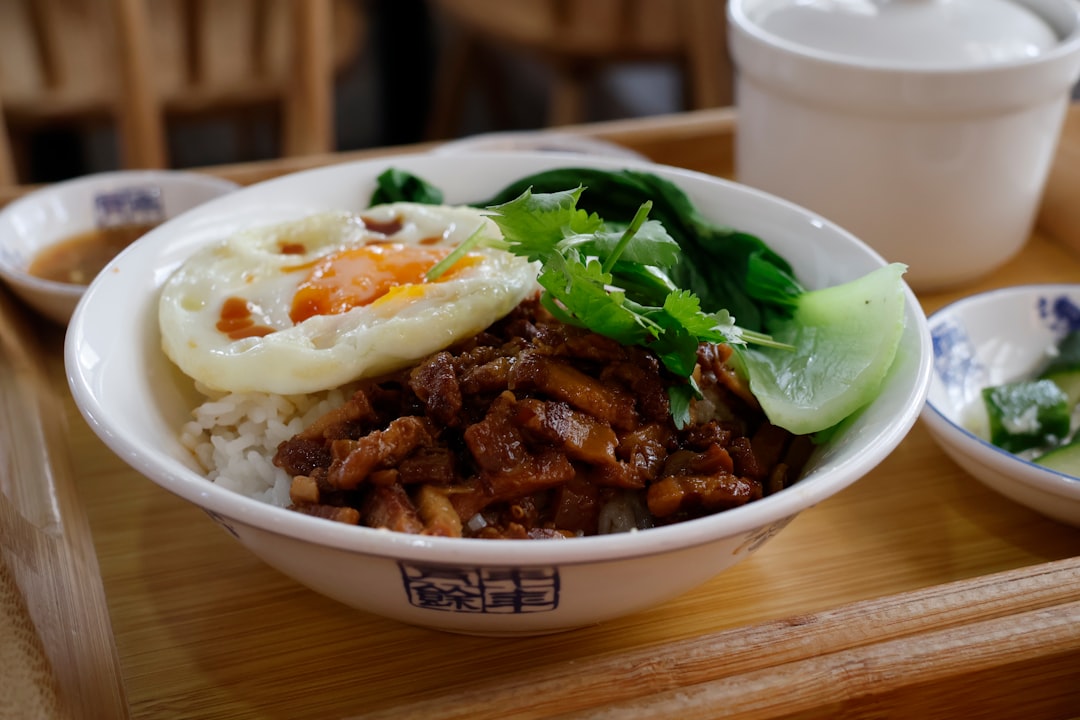
Red-braising, a method of slow-cooking meats in sweetened soy mixtures with spices to enhance flavors, developed during the Song Dynasty and laid the foundation for enduring braised dishes across Chinese regional cuisines. Japan adopted and refined a version of this technique into kakuni, a slow braise of pork belly in sake, mirin, soy sauce, and sugar. Cut the pork into large cubes, blanch briefly to remove impurities, then braise covered for 2 hours over the lowest possible heat.
The soy-based braising liquid glazes the meat with a lacquered finish. The fat layers within the pork belly soften completely, creating a texture that is simultaneously firm and yielding. Serve with steamed rice and briefly wilted greens for balance and contrast.
5. Mexican birria (Mexico)
Birria is goat or beef slow cooked in consomé, a preparation associated with the El Norte region of Mexico. The meat marinates for several hours in a paste of dried guajillo, ancho, and chipotle chilies combined with vinegar, garlic, and dried herbs. Then the whole preparation goes into a covered pot and braises at low heat for 3 to 4 hours until the meat separates easily.
The braising liquid becomes the consomé: a crimson, deeply spiced broth served alongside the shredded meat. This dual presentation, solid and liquid together, is one of the most elegant structures in world cooking. Add a squeeze of lime and fresh white onion before serving.
Bringing slow braises to your weekend table
Slow braises reward the cook who plans ahead and resists the urge to rush. Each of these 6 recipes asks for an investment of 2 to 4 hours, but the active work takes no more than 30 minutes. Braising relies on low heat, which allows the cook to leave the dish alone while it gets better and better. That freedom is itself a kind of gift.
Choose your slow braises based on what your market offers this week. The technique remains constant: sear, build your aromatics, add restrained liquid, cover, and apply patient, gentle heat. Return the following day to a pot that has only improved overnight. Slow braises ask very little. They give a great deal in return.
Discover more about slow braises
- Food and Intangible Heritage: A Flavourful Relationship
- How to Braise: Technique Guide and Science
- Euronews Food and Drink: Global Culinary Culture