
CONTACT
  • Login
Upgrade
GUSTOwebzine
Advertisement
  • Home
    • Our Authors
    • Subscribe for Free
    • Media Kit
    • Contact
    • Terms and Conditions
    • Cookie Policy
  • Discoveries
    • Chefs
  • Culinary Culture
  • Food & Drinks
  • Cooking Tips
    • Recipes
  • GUSTO Global
  • Insights
  • GUSTO Guide
    • Hotels Worldwide
    • Nightlife Worlwide
    • Restaurants Worldwide
    • Services Worldwide
  • Home
    • Our Authors
    • Subscribe for Free
    • Media Kit
    • Contact
    • Terms and Conditions
    • Cookie Policy
  • Discoveries
    • Chefs
  • Culinary Culture
  • Food & Drinks
  • Cooking Tips
    • Recipes
  • GUSTO Global
  • Insights
  • GUSTO Guide
    • Hotels Worldwide
    • Nightlife Worlwide
    • Restaurants Worldwide
    • Services Worldwide
No Result
View All Result
GUSTOwebzine
No Result
View All Result
Home Food & Drinks

Cold brew tea from four global traditions

Steep leaves from Japan, China, India, and Kenya in cold water and build a daily ritual that connects you to centuries of living culture.

A woman carefully pouring cold brew tea from a glass jar into a cup on a wooden kitchen counter

Cold brew tea carries the weight of centuries inside every glass, and all you need to begin is cold water, a jar, and a handful of leaves chosen from the world’s most compelling tea traditions.

Why cold water changes everything about tea

Cold water and hot water extract tea very differently, and the reason is tannin. Tannin is the compound that gives hot black tea its sharp, gripping bite, and it needs heat and time to leave the leaf. Hot brewing pulls plenty of it. Cold brewing pulls almost none.

Cold brew tea steeps at a lower temperature for a longer time, producing a smoother and mellower flavor profile. This method extracts fewer tannins, which means the result is less bitter and less astringent than hot-brewed tea.

GUSTO guide worldwide restaurants, hotels, nightlife, professional services GUSTO guide worldwide restaurants, hotels, nightlife, professional services GUSTO guide worldwide restaurants, hotels, nightlife, professional services

Cold brew tea also produces significantly less caffeine than traditional hot brewing. Caffeine is less soluble in cold water, particularly at temperatures below 80°C, so the cold process minimizes the release of caffeine from the leaves. For anyone who loves tea but watches their caffeine intake, this matters greatly.

The 4 leaves and what each one gives you

The world produces an enormous variety of teas. Tea is the most consumed drink in the world after water, and it holds deep cultural and social significance in many communities, representing not only a widely consumed beverage but also an important symbol of hospitality, tradition, and social connection. Four traditions stand out as ideal for cold steeping.

Japanese sencha. In Japan, cold brew tea is called “mizudashi ryokucha,” and it is a well-loved summer practice. Sencha leaves are grassy, vegetal, and clean. They produce a pale green brew that feels light and focused on the palate.

Chinese white tea. White tea from Fujian province is minimally processed, which means its delicate floral notes survive cold steeping beautifully. The cold brewing process captures aromatic compounds with higher boiling points inside the leaf, and floral teas are particularly well suited for this method.

Indian darjeeling. First flush darjeeling offers muscatel notes and a bright, almost fruity finish. Some heavily oxidized teas develop their full flavor best with heat, so a first flush darjeeling is the right choice here: it is lighter and responds well to the cold process.

Kenyan green tea. Kenya produces green tea with bold, savory character. Studies on teas grown across different regions show that cold brews maintain high levels of health-promoting polyphenols and flavonoids, and Kenyan green tea carries strong antioxidant capacity into the cold steep.

How to steep each leaf correctly

The technique is simple, but ratios matter. The basic method is this: use 1 to 1.5 tablespoons of loose leaf for each cup of cold filtered water, cover the jar, and refrigerate it for 6 to 12 hours, then strain and serve over ice.

Green teas such as sencha usually need around 6 to 8 hours, while other teas benefit from longer steeping, around 8 to 12 hours. White tea and darjeeling sit comfortably at the 8-hour mark. Kenyan green tea can go a full 10 hours without turning harsh.

Filtered water matters more in cold brewing than it does in hot brewing. Heat pushes past chlorine and hard minerals, but cold water leaves every off-note in the cup. Always use the cleanest water you can find. Strain the leaves once steeping is complete to preserve flavor clarity.

A person holding a glass of cold brew tea outdoors with sunlight filtering through the leaves in the background

-

a colorful summer grazing board with global pantry staples including cured meats, cheese, and fresh fruit on a wooden surface

How to build a summer grazing board

18/07/2026
A food scientist examines natural ingredients in a laboratory, reflecting the spirit of food innovation at IFT FIRST

Food innovation signals at IFT FIRST

14/07/2026
A skilled cheesemaker inspects an aged wheel in a cave cellar, representing the depth of artisan cheese craft

Artisan cheese and where it is heading

09/07/2026
professional chef spreads miso paste onto a fillet in akitchen, showcasing miso as a versatile umami ingredient beyond soup.

Miso: the umami backbone beyond soup

04/07/2026
A bartender serves a premium spirit sample at the Food Festival, surrounded by enthusiastic visitors at an outdoor event.

Famous Food Festival drinks guide

19/06/2026
A smiling bartender pours a classic Aperol spritz cocktail into a large wine glass filled with ice and an orange garnish.

Spritz cocktails for warm summer afternoons

16/06/2026

Expert perspective on cold brew tea and wellness

Cold brew tea sits at the intersection of science and ritual, and that combination is why it resonates so strongly with people today. When you remove heat from the extraction process, you protect a category of volatile aromatic compounds that hot water destroys almost immediately. You also allow the leaves to release their polyphenols more slowly, producing a cup that is gentler on the stomach and richer in certain bioactive molecules. Research continues to show that cold-brewed preparations preserve catechins and antioxidants at comparable or superior levels to their hot-brewed counterparts. The real gift, though, is behavioral: the act of preparing a cold steep the evening before, of choosing your leaf with care and placing the jar in the refrigerator, creates a moment of intention. That intentionality is the foundation of every meaningful food ritual, and cold brew tea delivers it in the simplest possible form.

Industry perspective, specialty tea and wellness beverage professionals

The ritual: building your own 4-day rotation

A rotation transforms cold brew tea from a single recipe into a living practice. Assign 1 leaf to each of 4 days, and prepare your jar each evening before you sleep. On day 1, steep sencha for a clean and focused morning. On day 2, steep white tea for a softer, more floral experience.

On day 3, steep darjeeling for complexity and a gentle muscatel note. On day 4, steep Kenyan green tea for a bold, savory cup that pairs well with food. Cold brew teas store well in glass bottles in the refrigerator for up to 24 to 36 hours, and herbal blends may last slightly longer. Prepare 2 servings at once to keep the ritual effortless.


On the fifth day, blend. Pour a small amount of each remaining tea into a single glass. The result is a cup that carries Japan, China, India, and Kenya together. Tea traditions around the world offer a fascinating glimpse into diverse cultures, and from the tea houses of China to the ceremony rooms of Japan, tea shapes social interactions and daily rituals across the globe.
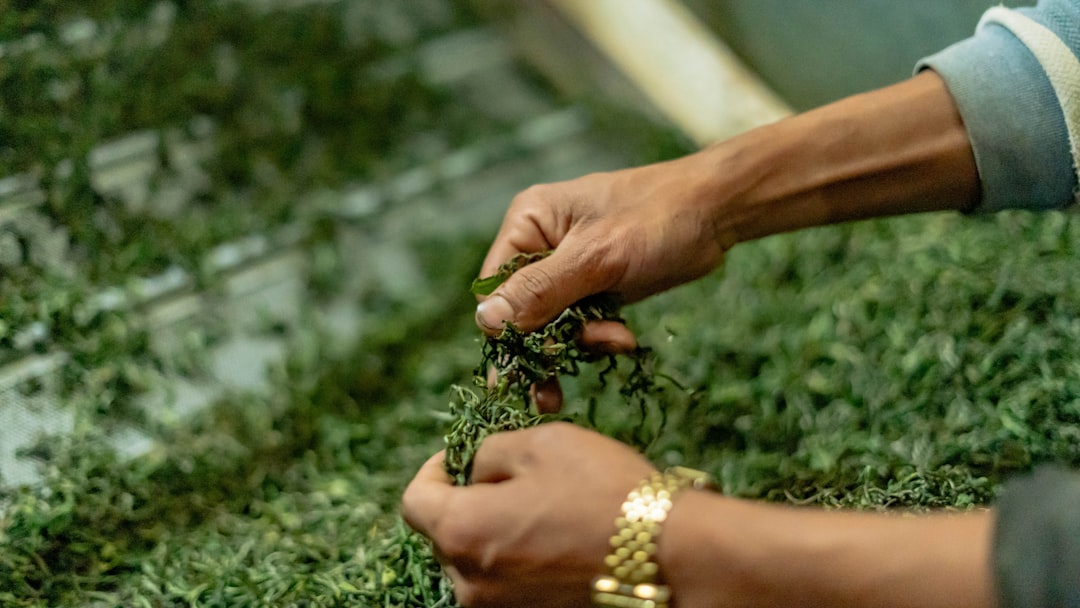
Close-up of a person's hands arranging loose tea leaves beside a jar of cold brew tea ready for steeping

Cold brew tea is worth making your own

Cold brew tea is one of the most accessible and most rewarding rituals in global food culture. Cold brewing preserves the natural antioxidants in tea leaves, including valuable catechins and polyphenols, because cold water does not damage the delicate cell structures responsible for housing these compounds, allowing cold-brewed tea to retain higher levels of beneficial molecules.

Start with 1 leaf, master the ratio, and add a second tradition the following week. Cold brew tea rewards patience and curiosity in equal measure. Each jar you prepare is a small act of cultural connection, and each morning you pour a glass, you join a ritual that belongs to the whole world. Choose your leaves, trust the cold water, and let cold brew tea become the most thoughtful part of your day.

Discover more about cold brew tea

  • FAO International Tea Day: Global Tea Production and Culture
  • The Ultimate Guide to Cold Brewing Loose Leaf Tea
  • Cold Brew Loose Leaf Tea: The Complete Brewing Field Guide, Fusion Teas

author avatar
Diego Reyes
Diego Reyes grew up in the markets of Oaxaca and studied culinary arts in Mexico City before becoming one of Latin America's most respected food journalists. He writes about the depth and complexity of Mexican cuisine, from ancient mole traditions to the boundary-pushing restaurants of Colonia Roma. His work celebrates Mexico's UNESCO-recognised culinary heritage with passion and rigour.
See Full Bio
Previous Post

6 slow-cooked braises from around the world

Related Posts

a colorful summer grazing board with global pantry staples including cured meats, cheese, and fresh fruit on a wooden surface
Food & Drinks

How to build a summer grazing board

18/07/2026
A food scientist examines natural ingredients in a laboratory, reflecting the spirit of food innovation at IFT FIRST
Food & Drinks

Food innovation signals at IFT FIRST

14/07/2026
A skilled cheesemaker inspects an aged wheel in a cave cellar, representing the depth of artisan cheese craft
Food & Drinks

Artisan cheese and where it is heading

09/07/2026
professional chef spreads miso paste onto a fillet in akitchen, showcasing miso as a versatile umami ingredient beyond soup.
Food & Drinks

Miso: the umami backbone beyond soup

04/07/2026
A bartender serves a premium spirit sample at the Food Festival, surrounded by enthusiastic visitors at an outdoor event.
Food & Drinks

Famous Food Festival drinks guide

19/06/2026

Leave a Reply Cancel reply

Your email address will not be published. Required fields are marked *

Truelang AI Translations Truelang AI Translations Truelang AI Translations
No Result
View All Result

Our Focus

GUSTOwebzine is your international window on food culture: culinary lifestyle, trends, recipes and gastronomic stories for a global audience with a passion for exceptional taste.

Our Readers

GUSTOwebzine addresses readers who engage with food culture at a high level: as culinary professionals, passionate home cooks, food entrepreneurs, and tastemakers in their communities.

Our Approach

Recipes, trends, and dining culture are integrated as context and indicators of creativity, identity, and the social forces shaping how the world eats, not standalone content.

Recent Post

  • Cold brew tea from four global traditions
  • 6 slow-cooked braises from around the world

© 2026 GUSTOwebzine by NOOR & NOOR — part of WEBZINE.world.

Welcome Back!

Login to your account below

Forgotten Password?

Retrieve your password

Please enter your username or email address to reset your password.

Log In
Manage Consent
To provide the best experiences, we use technologies like cookies to store and/or access device information. Consenting to these technologies will allow us to process data such as browsing behavior or unique IDs on this site. Not consenting or withdrawing consent, may adversely affect certain features and functions.
Functional Always active
The technical storage or access is strictly necessary for the legitimate purpose of enabling the use of a specific service explicitly requested by the subscriber or user, or for the sole purpose of carrying out the transmission of a communication over an electronic communications network.
Preferences
The technical storage or access is necessary for the legitimate purpose of storing preferences that are not requested by the subscriber or user.
Statistics
The technical storage or access that is used exclusively for statistical purposes. The technical storage or access that is used exclusively for anonymous statistical purposes. Without a subpoena, voluntary compliance on the part of your Internet Service Provider, or additional records from a third party, information stored or retrieved for this purpose alone cannot usually be used to identify you.
Marketing
The technical storage or access is required to create user profiles to send advertising, or to track the user on a website or across several websites for similar marketing purposes.
  • Manage options
  • Manage services
  • Manage {vendor_count} vendors
  • Read more about these purposes
View preferences
  • {title}
  • {title}
  • {title}
No Result
View All Result
  • Home
    • Our Authors
    • Subscribe for Free
    • Media Kit
    • Contact
    • Terms and Conditions
    • Cookie Policy
  • Discoveries
    • Chefs
  • Culinary Culture
  • Food & Drinks
  • Cooking Tips
    • Recipes
  • GUSTO Global
  • Insights
  • GUSTO Guide
    • Hotels Worldwide
    • Nightlife Worlwide
    • Restaurants Worldwide
    • Services Worldwide

© 2026 GUSTOwebzine by NOOR & NOOR — part of WEBZINE.world.

Not enough quota to unlock this post
Unlock left : 0
Are you sure want to cancel subscription?
Verified by MonsterInsights
enEnglishdeDeutschesEspañolfrFrançaisitItalianoja日本語nlNederlandszh中文
No results