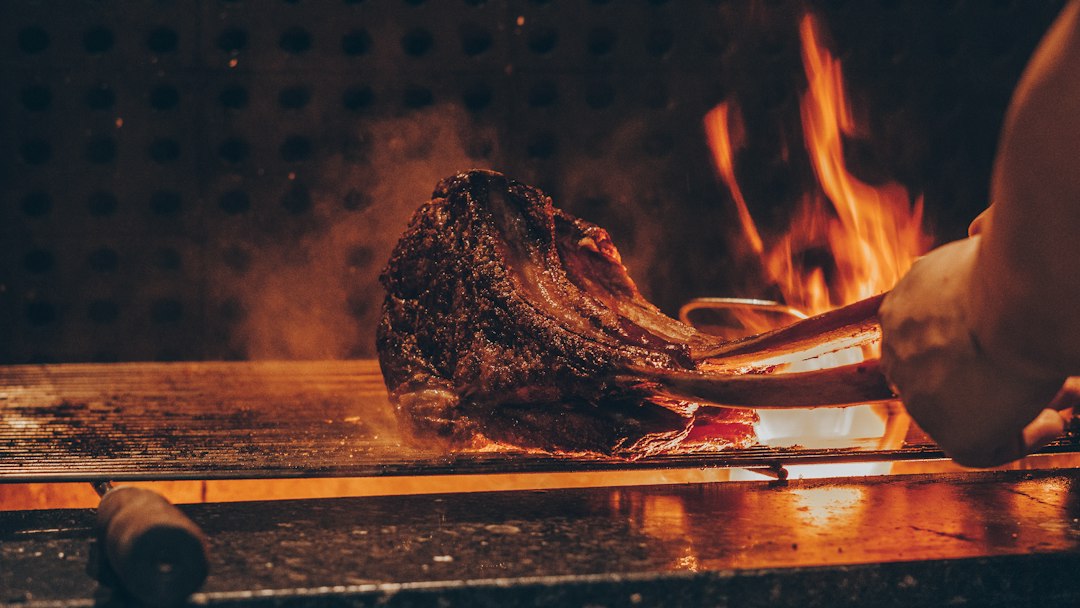
Short ribs reward patience, but few cooks have three free hours on a Tuesday night. The cut is dense with collagen that only turns silky under long, moist heat, so the real question is not whether to braise but which method matches the time you actually have. Some techniques compress the clock, others let the work happen a day ahead so dinner is just a reheat. This guide compares six ways to get tender short ribs on the table on a weeknight, with the exact timing, temperature and equipment each one needs.
These six methods are judged on three practical measures: active time at the stove, whether the braise can start a day early, and whether the shortcut costs any real tenderness. A technique that saves an hour but produces chewy meat is not a weeknight win.
The classic Dutch oven braise
This is the method every other shortcut gets measured against. One version heats the oven to 350°F, sears the ribs, then returns them to the pot, mostly submerged. Three to three and a half hours in an even oven is usually enough to make the meat tender. A probe thermometer removes the guesswork: the ribs are ready once the thickest piece reaches about 203°F (95°C).
The pressure cooker shortcut
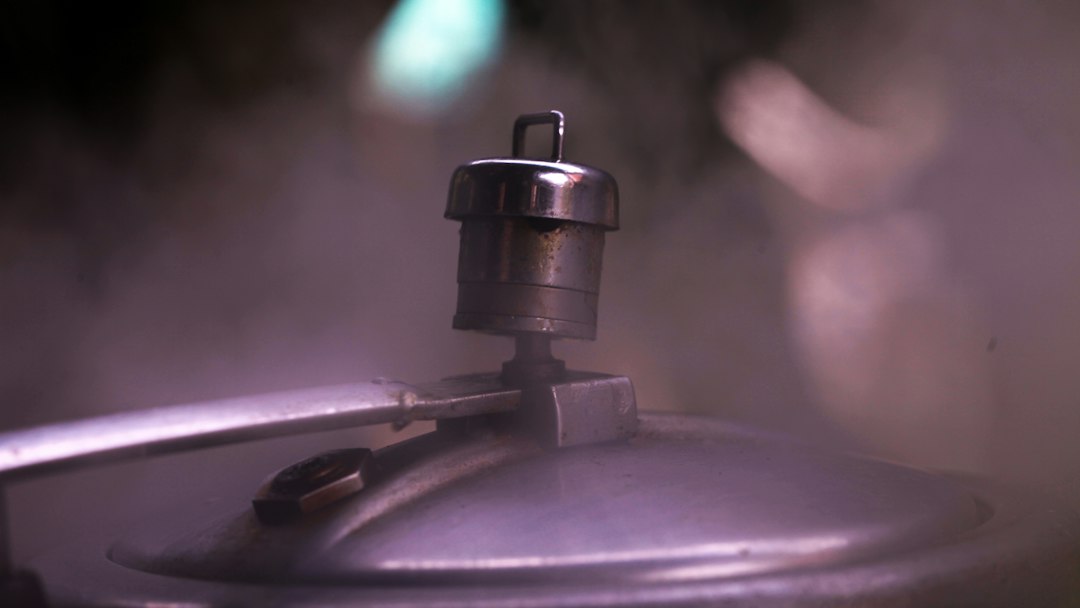
An electric pressure cooker turns a half-day project into an evening one. One method sears the ribs on just one side, then pressure-cooks them under high pressure for 45 minutes before a 10-minute natural release. The result is fall-off-the-bone meat in under two hours from start to finish. Other versions cut the pressure time to just 40 minutes for a slightly firmer bite, trading some depth of flavor for speed.
The slow cooker, set and forget
A slow cooker asks for almost no attention once the ribs go in. Most recipes hold low heat for six to eight hours, started before work and ready by dinner. A pressure cooker produces tender meat faster, but it cannot match the depth of flavor that eight hours of low, slow cooking builds. Choose this method on days with a long runway, not a short one.
The make-ahead braise
The most reliable weeknight trick is to braise on a slow day and reheat on a busy one. One pressure cooker version lets cooks finish the ribs a day ahead, cooling them in the pot and refrigerating overnight. Reheating takes two minutes at high pressure plus a short natural release. Oven braises work the same way: cooks can make them a day ahead, since the resting time does some of the cooking for them.
The broiler finish for a lacquered glaze
Some recipes turn the braising liquid into a glaze instead of a gravy. One version raises the oven to 425 degrees F after the initial braise. The strained braising juices reduce with hoisin sauce until only about a cup and a quarter remains. The cook then returns the ribs to the pot, coats them in the reduced sauce, and bakes for 10 more minutes until glazed.
Boneless or bone-in short ribs: the cut that saves time
The choice of cut changes the clock as much as the method does. Boneless short ribs need only 40 minutes under pressure for a fall-apart texture, while bone-in cuts need the time raised to 50 minutes. Boneless ribs also sear faster and portion more evenly, which matters when dinner has a deadline. Bone-in ribs still win on flavor, since the bone and marrow enrich the liquid as it cooks.
How to choose between them
Start with the calendar, not the recipe. A weeknight with three free hours still suits the Dutch oven braise, especially with a probe thermometer to confirm the 203°F mark. A weeknight under ninety minutes calls for the pressure cooker, accepting a brighter, simpler sauce in exchange for speed. For the busiest weeks, braise on a Sunday and reheat on a Wednesday, since the flavor holds and often improves.
Reserve the slow cooker for days with a long lead time, and save the broiler glaze for guests rather than a Tuesday. If the cut is flexible, boneless short ribs shave ten minutes off any pressure cooker method and sear more evenly in a hot pan. Whichever method fits the clock, let the meat rest a few minutes before serving so the sauce can cling properly.