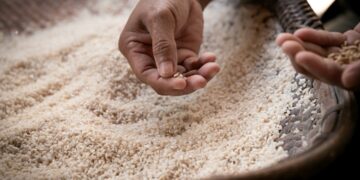
Pressed juice drinks connect the world’s harvest tables in ways that few other beverages can, carrying centuries of orchard culture from Basque cider houses to Andean fruit markets, from Norman farmsteads to Japanese countryside stalls, reminding us that the act of pressing ripe fruit into a glass is one of the most honest things a culture can do.
Orchard fruit reaches its peak in early autumn
Orchard fruit leads every serious autumn drink list. Apples, pears, and quince reach ripeness between September and November, and each behaves differently in a glass. This is not coincidence. It is the rhythm of the land, and cultures on every continent have built drinking traditions around it.

Apple brings acidity and freshness, pear reads softer and rounder, and quince needs cooking but rewards it with honeyed depth. These qualities explain why pressed juice drinks feel so natural at the early-autumn table. The fruit does the work. The producer simply listens.
Seasonal drinking responds to both practical needs and ingredient availability. Autumn brings cooler temperatures that make warming drinks appealing. Around the world, communities discovered this truth independently, and then built rituals, recipes, and entire economies around it.
7 pressed juice drinks worth knowing
1. Normandy fresh-pressed apple juice (France). The Normandy region of France has produced apple-based drinks for hundreds of years. The apple juice-based drink was first mentioned in the 13th century in Spain, and the manufacturing technique was then imported across Europe, mainly in Normandy, France, before reaching the Americas and other parts of the world. Today, roadside producers press apples to order in September and October. The juice is cloudy, cold, and intensely fragrant. It belongs on any serious autumn table.

2. Basque sagardoa cider (Spain). From the cider houses, called sagardotegiak, of Basque Country in Spain, local customs play a huge role in cider culture. Producers press bitter local apples and pour the resulting cider from great heights to aerate it. The drink is dry, tannic, and unlike any cider made elsewhere. It is a cultural act as much as a beverage.
3. English farmhouse still cider. By the medieval period, cider had become a cultural icon in Europe. In England, it was not only a popular drink but also part of the feudal payment system, where landowners would provide cider to farmworkers during harvests. Modern English farmhouse producers continue this tradition with single-variety still ciders that express the character of a single apple cultivar and a single county.
4. Japanese nashi pear juice (Japan). The nashi, or Asian pear, reaches its peak in September across central and western Japan. Sweet and nutty with a floral accent from the Asian pear, the juice has a thick texture and yet is light and easy to drink. Producers in Tottori Prefecture press nashi without additives. The result is pale gold, delicate, and a perfect companion to grilled fish or soft tofu.
5. Colombian lulo juice (Colombia). Lulo, known in Ecuador as naranjilla, is a small citrus-flavored fruit native to the Andean highlands. Colombian market vendors press it fresh with water and a small amount of sugar. The juice is neon green, sharp, and alive with acidity. It appears on tables throughout September and October, when highland harvests are at their richest.
6. New Zealand feijoa pressed juice (New Zealand). The feijoa is a guava-family fruit with a flavor that combines pineapple, mint, and strawberry. New Zealand producers began pressing it into single-fruit juice in recent decades. The drink has a short season, from March to May in the Southern Hemisphere, and its autumn arrival is treated as a national event.
7. Cyser (apple and honey mead, multiple countries). Apple-based meads are known as cysers, one of the oldest mead styles in history. Crafted by fermenting honey and apple juice together, cysers were once a staple of harvest celebrations across Europe. Modern producers in the United States, Chile, and South Africa have revived this tradition, making lightly fermented cysers that sit between pressed juice and wine in character.






The science and history behind pressing
Pressed juice represents a specialized segment within the broader beverage industry characterized by the extraction of juice from fruits using hydraulic pressure rather than high-speed centrifugal force or heat. This method preserves essential enzymes, vitamins, and minerals that are typically degraded during traditional pasteurization processes, resulting in a product with superior nutritional integrity and flavor profile.
Archaeological evidence suggests that apple cultivation and cider production date back to 55 B.C. Pressing fruit is not a modern invention. It is an ancient technology that every culture with fruit trees eventually discovered.
Advancing artisanal cider offers the social benefit of increasing community connections to locally produced beverages that are part of national heritage. Artisanal ciders can connect consumers with the rich genetic diversity that is possible with apples while reviving cultural traditions. The same logic applies to every pressed juice on this list.
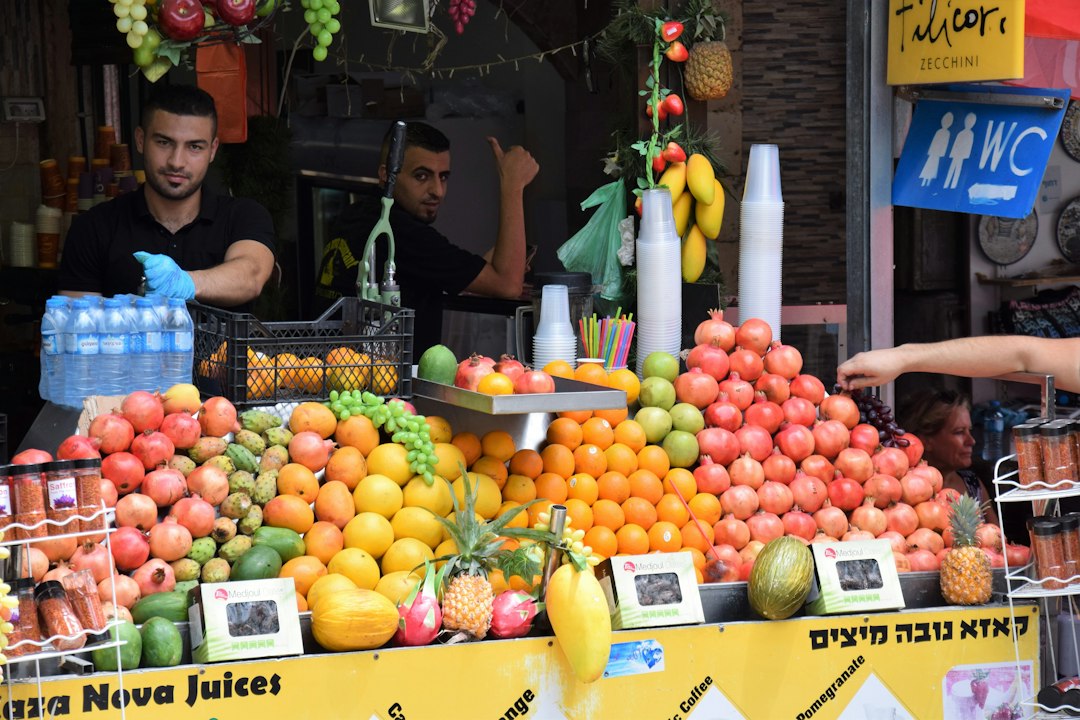
Expert perspective on pressed juice and harvest culture
Pressed juice is where agriculture becomes identity. When a Basque producer pours cider from a height, or when a Colombian vendor grinds lulo by hand at a morning market, the drink is inseparable from the place that made it. This is why single-origin, minimally processed beverages are gaining serious attention from sommeliers and chefs worldwide. The global palate is maturing. Consumers no longer want a beverage that tastes the same in every country. They want to taste the orchard, the altitude, the rainfall of a specific place in a specific season. Pressed juice delivers that experience with honesty that no blended, shelf-stable product can replicate. The harvest calendar is the most truthful wine list in the world.
Industry perspective, beverage heritage and artisanal food professionals
Why these drinks matter beyond the glass
The global cold pressed juice market was valued at USD 1.42 billion in 2025 and is projected to grow from USD 1.51 billion in 2026 to USD 2.62 billion by 2034. This growth reflects a real cultural shift. Market growth is driven by increasing consumer demand for healthy and natural beverages, rising awareness of nutrient-rich diets, and growing preference for minimally processed drinks.
Growth in the market is driven by strong demand for premium, minimally processed products, counterbalanced by the expansion of sugar taxes in over 45 jurisdictions and climate-related challenges affecting citrus and apple harvests. These pressures make heritage varieties and traditional orchards even more valuable. They also make the 7 drinks on this list more urgent to know, to support, and to share.
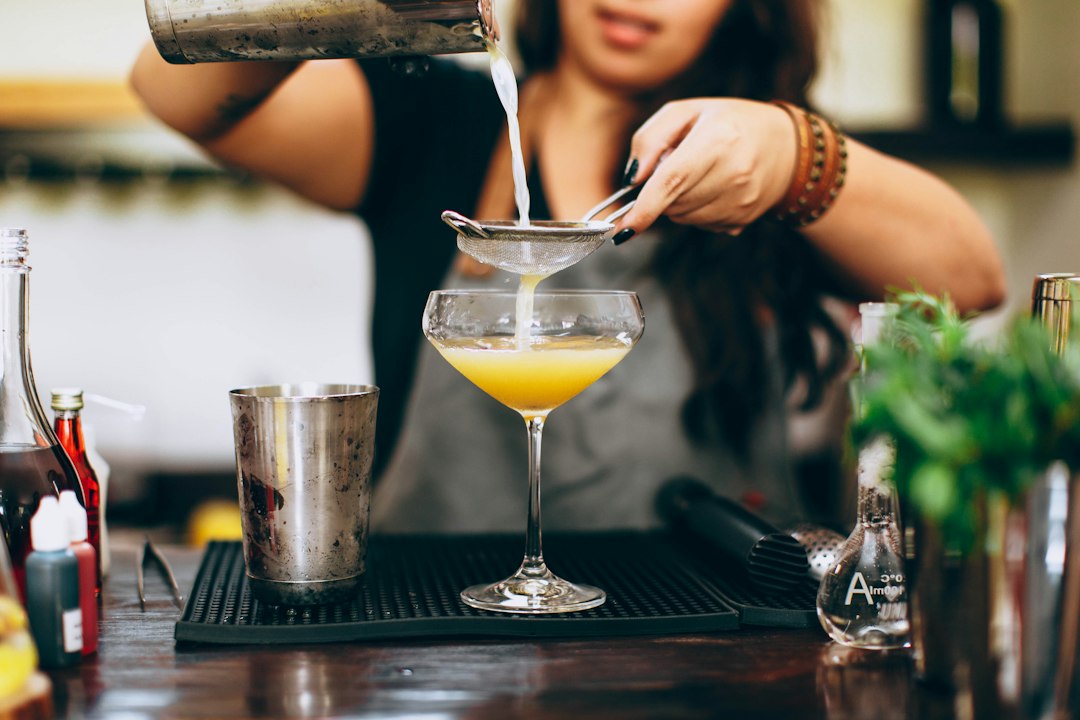

These pressed juice drinks deserve a place on your table
Pressed juice is not a trend. It is a practice older than most writing systems, and it carries the intelligence of every orchard community that perfected it. From the feijoa stalls of Auckland to the sagardotegi benches of San Sebastián, pressed juice connects people to place with a clarity that spirits and wine rarely achieve. Seek these drinks in early autumn, when the fruit is at its best and the producers are at their proudest. Pressed juice is the most direct conversation a drinker can have with a landscape, and that conversation is worth having at every table, in every language.
Have a favorite harvest drink from your own country? Share it in the comments. The orchard table has room for everyone.
Discover more about pressed juice
- IFU: International Fruit and Vegetable Juice Association
- Fortune Business Insights: Cold Pressed Juice Market Report
- Mordor Intelligence: Global Juices Market Size and Growth Outlook