CONTACT
  • Login
Upgrade
GUSTOwebzine
Advertisement
  • Home
    • Our Authors
    • Subscribe for Free
    • Media Kit
    • Contact
    • Terms and Conditions
    • Cookie Policy
  • Discoveries
    • Chefs
  • Culinary Culture
  • Food & Drinks
  • Cooking Tips
    • Recipes
  • GUSTO Global
  • Insights
  • GUSTO Guide
    • Hotels Worldwide
    • Nightlife Worlwide
    • Restaurants Worldwide
    • Services Worldwide
  • Home
    • Our Authors
    • Subscribe for Free
    • Media Kit
    • Contact
    • Terms and Conditions
    • Cookie Policy
  • Discoveries
    • Chefs
  • Culinary Culture
  • Food & Drinks
  • Cooking Tips
    • Recipes
  • GUSTO Global
  • Insights
  • GUSTO Guide
    • Hotels Worldwide
    • Nightlife Worlwide
    • Restaurants Worldwide
    • Services Worldwide
No Result
View All Result
GUSTOwebzine
No Result
View All Result
Home Culinary Culture

How to make Moroccan chermoula from scratch

Master the foundational herb marinade that defines the soul of North African cooking.

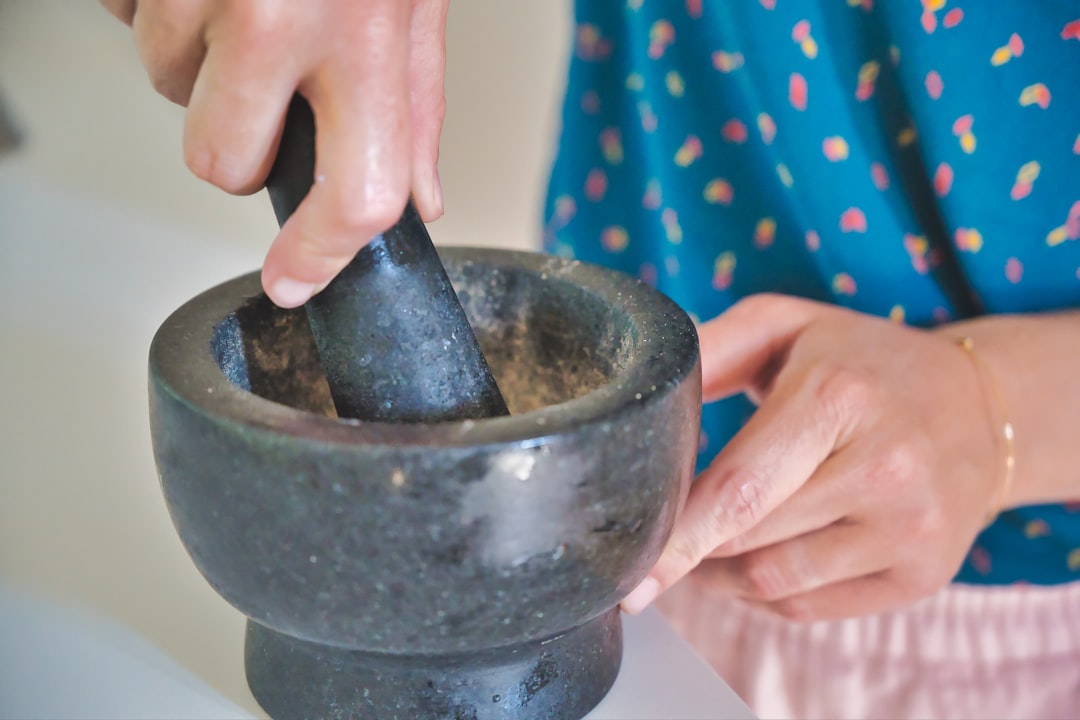
A woman grinding fresh cilantro and parsley in a mortar while preparing Moroccan chermoula from scratch

Moroccan chermoula is one of those rare preparations that a trained cook recognises immediately as a marker of culinary intelligence: a single recipe that commands an entire cuisine, precise in its proportions yet generous in its applications.

What chermoula actually is

Chermoula, also written as charmoula, is the emblematic marinade of Maghreb cuisine. The name comes from the Arabic verb *chermel*, which refers to rubbing or marinating something with a spice mix. It is not a decorative flourish. It is a working preparation, built with intention and applied with purpose.

Chermoula is a popular North African condiment made of fresh herbs such as parsley and cilantro, with garlic, citrus, and warm spices. What makes it remarkable is its range. Chermoula is a Moroccan blend of herbs and spices that works as both a marinade and a condiment to season salads, stews, tagines, and grilled foods. It can be brushed over meat, offal, chicken, fish, and vegetables, or added as a flavour enhancer to fillings for stuffed fish, stuffed breads, and stuffed poultry.

GUSTO guide worldwide restaurants, hotels, nightlife, professional services GUSTO guide worldwide restaurants, hotels, nightlife, professional services GUSTO guide worldwide restaurants, hotels, nightlife, professional services

The essential ingredients

Precision begins at the market. In Morocco, the best and most authentic chermoula is one made with fresh herbs and garlic. Dry rubs sold in supermarkets are far from the real preparation. Do not compromise here.

There are different variations of chermoula, but they mainly begin with a large amount of fresh parsley and cilantro, which form the base of this rich, green condiment. Garlic and spices such as ground coriander, red pepper flakes, paprika, ginger, and saffron provide the decidedly North African warm flavours. A good chermoula recipe also includes citrus and a generous pour of extra virgin olive oil.

The main ingredients are preserved lemons, fresh herbs, aromatics like parsley, cilantro, and garlic, and a few spices: paprika, cumin, salt, and pepper. Preserved lemon is not optional in a proper version. Preserved lemons are a key part of many traditional North African dishes. They contribute a rounded, fermented citrus quality that fresh lemon juice alone cannot replicate.

How to build the preparation

The method is as important as the ingredients. Traditionally, chermoula is made using a pestle and mortar to meld the flavours while keeping the condiment thick, textured, and not too smooth. This approach gives the cook full control over consistency, which is a marker of quality.

A common question is whether to mince or blend the ingredients. Both approaches are used in Morocco. If you mince the ingredients, mince finely to liberate the aromas as a blender would do. Blending the ingredients makes the process faster and the sauce more homogeneous. For most applications, a coarse, hand-worked texture is the more elegant result.

Begin with the garlic and a pinch of coarse salt. Work them into a paste. Add the preserved lemon pulp, then the cilantro and parsley. Incorporate the cumin, paprika, and a small measure of cayenne. Add the olive oil last, working it in slowly to bind the preparation. Do not over-process: the final result should retain a little texture. Taste and adjust the seasoning.
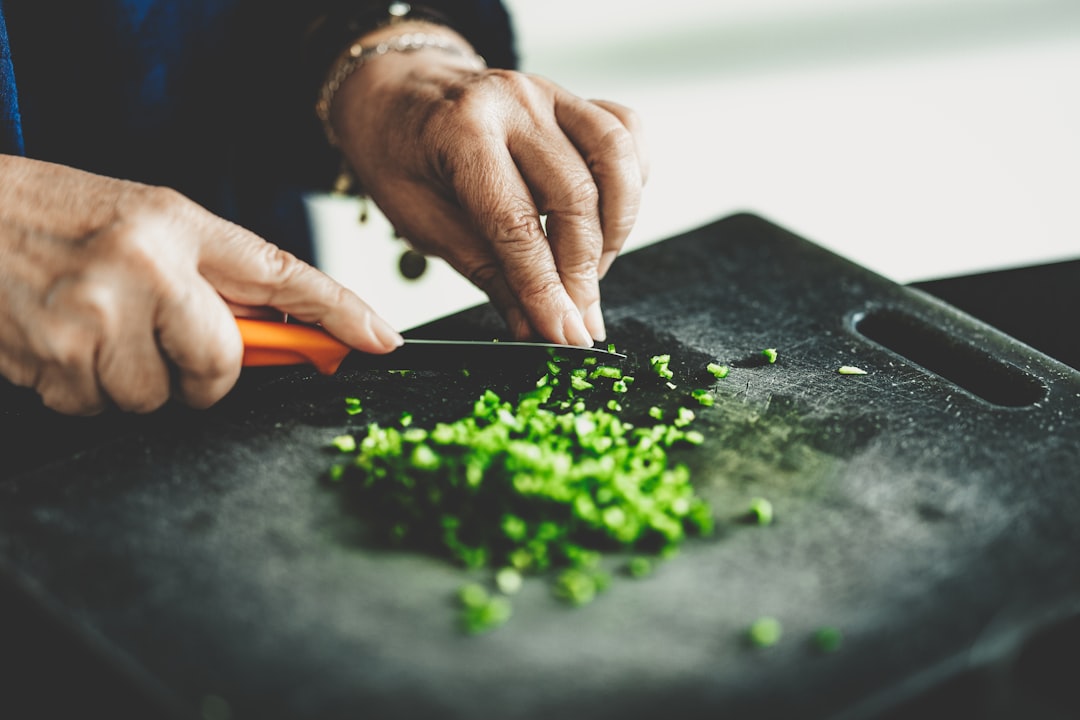
A chef finely chopping herbs and arranging warm spices on a wooden board to prepare an authentic Moroccan chermoula marinade.

An expert perspective on chermoula in Moroccan culinary culture

Chermoula sits at the centre of Moroccan cooking not because it is complex, but because it is complete. It carries the fundamental logic of our cuisine: fresh aromatics balanced against warm spice, citrus sharpness softened by oil. When you understand chermoula, you understand how Moroccan cooks think about flavour. A tagine without a well-made chermoula marinade is a different dish entirely. Younger cooks often underestimate the role of resting time. When protein sits in chermoula for several hours before cooking, the flavour becomes part of the food rather than a coating on top. That patience is what separates a good result from a great one.

Industry perspective, Moroccan culinary heritage and traditional cooking professionals

-

A chef carefully pouring chilled soups into a white bowl in a professional kitchen

This 6 chilled soups are worth making this season

17/07/2026
A man pressing flatbreads against the wall of a traditional clay oven, demonstrating the ancient craft of flatbread making.

Why flatbreads appear in every food culture on earth

16/07/2026
A spice vendor in Marrakech souk surrounded by colorful Moroccan cuisine ingredients

Moroccan cuisine: best dishes and flavors

15/07/2026
A woman carefully ladling street food pho broth into a bowl at a home kitchen counter

Street food classics from Southeast Asia

12/07/2026
A fisherman presenting a fresh catch at a coastal market, representing the seasonal freshness at the heart of coastal cuisine

Coastal cuisine lighter in midsummer

11/07/2026
A professional chef stirs a deep pot of Neapolitan ragù over a low flame in a traditional kitchen

Neapolitan ragù: the classic slow recipe

07/07/2026

Variations worth knowing

Chermoula is traditionally made from fresh herbs, spices, seasonings, and a little lemon juice. There are 3 main varieties: red, green, and yellow. Red chermoula features preserved lemon, saffron, paprika, and harissa. The green variation features fresh mint as well.


A northern variation of chermoula includes thyme, black pepper, and a good portion of flat-leaf parsley. You can also make a red chermoula by adding a roasted and peeled red pepper into the blend. Each regional style reflects local preference, not a departure from tradition.
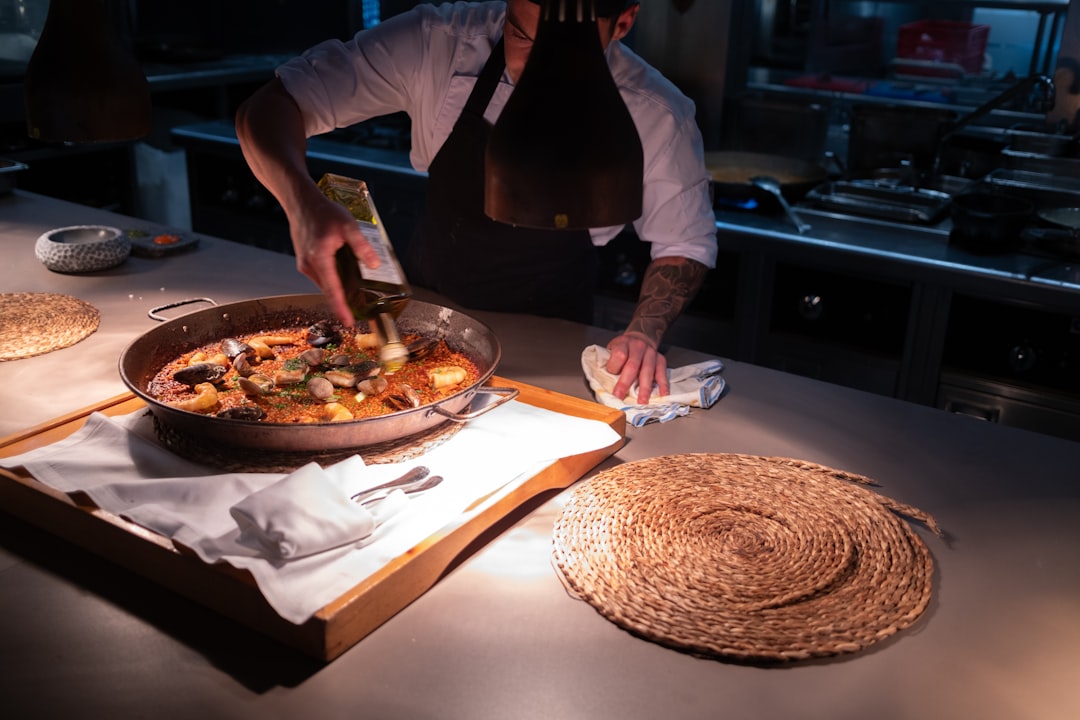
A person serving a Moroccan fish tagine in a rich Moroccan chermoula marinade with preserved lemon and fresh herbs.

How to use and store chermoula

Apply chermoula generously as a marinade and allow adequate resting time. When marinating chicken, fish, or meat, use the ratio of 1 teaspoon kosher salt per pound of meat. This ensures the marinade seasons the protein from within rather than sitting only on the surface.

Many classic Moroccan recipes use chermoula as a marinade, sauce, or condiment. A Moroccan fish tagine with vegetables and fried sardines stuffed with chermoula are 2 excellent examples. Beyond fish and meat, chermoula performs equally well over roasted vegetables and legumes. Chermoula can be prepared up to 5 days in advance. Store it in an airtight container in the fridge.

Moroccan chermoula deserves a permanent place in your kitchen

Moroccan chermoula is not a casual addition to a recipe file. It is a foundational preparation, one that rewards careful execution and repays the cook many times over. Morocco has 5 of its 15 items listed on UNESCO’s Intangible Cultural Heritage lists related to food practices, which reflects the depth and seriousness of a culinary tradition that chermoula represents well. Make it with fresh ingredients, work it by hand, and give the marinade the time it requires. Moroccan chermoula, prepared with this level of attention, will become one of the most used preparations in your repertoire. Return to it each time you want a result that speaks with clarity and confidence.

Discover more about Moroccan chermoula

  • Morocco’s UNESCO Intangible Cultural Heritage Elements
  • Morocco Launches UNESCO Food Heritage Project to Protect Culinary Traditions
  • Morocco Seeks to Preserve Traditional Cooking and Recipes Through UNESCO Project

author avatar
Claire Beaumont
Claire Beaumont grew up in Lyon's bouchon culture, where Sunday lunches lasted three hours and every dish told a story. She trained at Institut Paul Bocuse before turning to food writing, covering classical French technique, regional produce, and Europe's evolving restaurant scene. Her work is elegant, precise, and always deeply rooted in the craft behind the plate.
See Full Bio
Previous Post

Specialty food trends from the Summer Fancy Food Show

Next Post

Restaurant week NYC: best tables to book

Related Posts

A chef carefully pouring chilled soups into a white bowl in a professional kitchen
Culinary Culture

This 6 chilled soups are worth making this season

17/07/2026
A man pressing flatbreads against the wall of a traditional clay oven, demonstrating the ancient craft of flatbread making.
Culinary Culture

Why flatbreads appear in every food culture on earth

16/07/2026
A spice vendor in Marrakech souk surrounded by colorful Moroccan cuisine ingredients
Culinary Culture

Moroccan cuisine: best dishes and flavors

15/07/2026
A woman carefully ladling street food pho broth into a bowl at a home kitchen counter
Culinary Culture

Street food classics from Southeast Asia

12/07/2026
A fisherman presenting a fresh catch at a coastal market, representing the seasonal freshness at the heart of coastal cuisine
Culinary Culture

Coastal cuisine lighter in midsummer

11/07/2026
Next Post
Chef in a white uniform and gloves grinds pepper onto meat at a busy kitchen prep station, with greens and utensils around.

Restaurant week NYC: best tables to book

Leave a Reply Cancel reply

Your email address will not be published. Required fields are marked *

Truelang AI Translations Truelang AI Translations Truelang AI Translations
No Result
View All Result

Our Focus

GUSTOwebzine is your international window on food culture: culinary lifestyle, trends, recipes and gastronomic stories for a global audience with a passion for exceptional taste.

Our Readers

GUSTOwebzine addresses readers who engage with food culture at a high level: as culinary professionals, passionate home cooks, food entrepreneurs, and tastemakers in their communities.

Our Approach

Recipes, trends, and dining culture are integrated as context and indicators of creativity, identity, and the social forces shaping how the world eats, not standalone content.

Recent Post

  • Rooftop dining in NYC worth booking now
  • Japanese food labels: hidden gluten guide

© 2026 GUSTOwebzine by NOOR & NOOR — part of WEBZINE.world.

Welcome Back!

Login to your account below

Forgotten Password?

Retrieve your password

Please enter your username or email address to reset your password.

Log In
Manage Consent
To provide the best experiences, we use technologies like cookies to store and/or access device information. Consenting to these technologies will allow us to process data such as browsing behavior or unique IDs on this site. Not consenting or withdrawing consent, may adversely affect certain features and functions.
Functional Always active
The technical storage or access is strictly necessary for the legitimate purpose of enabling the use of a specific service explicitly requested by the subscriber or user, or for the sole purpose of carrying out the transmission of a communication over an electronic communications network.
Preferences
The technical storage or access is necessary for the legitimate purpose of storing preferences that are not requested by the subscriber or user.
Statistics
The technical storage or access that is used exclusively for statistical purposes. The technical storage or access that is used exclusively for anonymous statistical purposes. Without a subpoena, voluntary compliance on the part of your Internet Service Provider, or additional records from a third party, information stored or retrieved for this purpose alone cannot usually be used to identify you.
Marketing
The technical storage or access is required to create user profiles to send advertising, or to track the user on a website or across several websites for similar marketing purposes.
  • Manage options
  • Manage services
  • Manage {vendor_count} vendors
  • Read more about these purposes
View preferences
  • {title}
  • {title}
  • {title}
No Result
View All Result
  • Home
    • Our Authors
    • Subscribe for Free
    • Media Kit
    • Contact
    • Terms and Conditions
    • Cookie Policy
  • Discoveries
    • Chefs
  • Culinary Culture
  • Food & Drinks
  • Cooking Tips
    • Recipes
  • GUSTO Global
  • Insights
  • GUSTO Guide
    • Hotels Worldwide
    • Nightlife Worlwide
    • Restaurants Worldwide
    • Services Worldwide

© 2026 GUSTOwebzine by NOOR & NOOR — part of WEBZINE.world.

Not enough quota to unlock this post
Unlock left : 0
Are you sure want to cancel subscription?
Verified by MonsterInsights
enEnglishdeDeutschesEspañolfrFrançaisitItalianoja日本語nlNederlandszh中文
No results