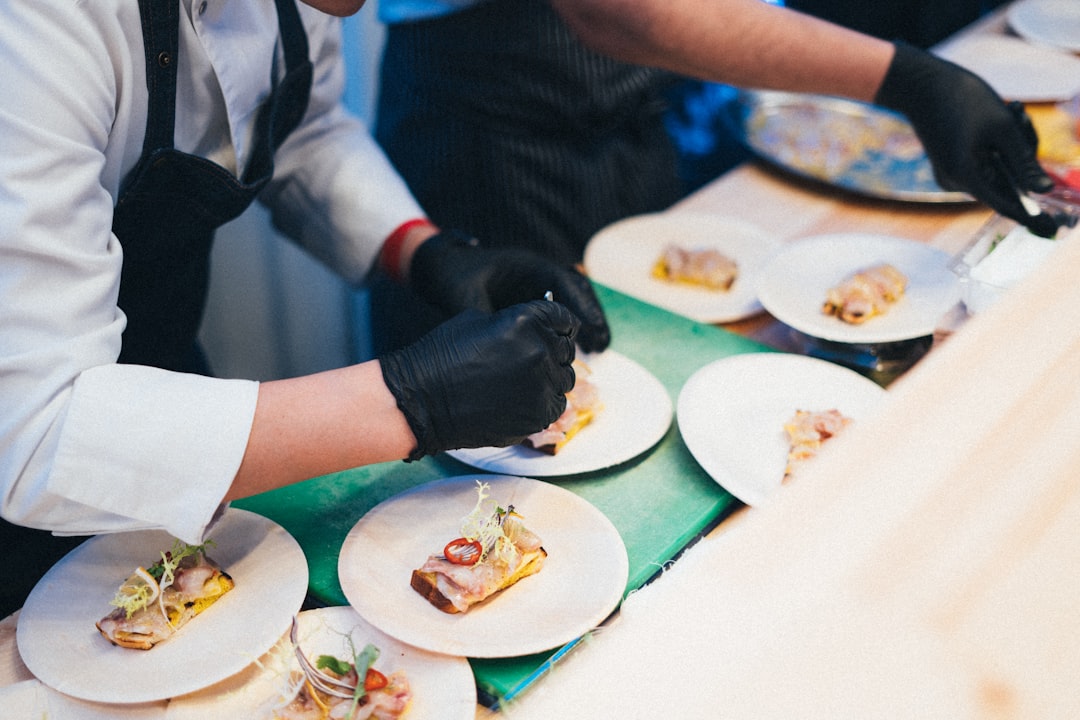
Specialty food arrived at the Javits Center in New York City in late June, and what filled those 345,000 square feet told a very direct story about where the global food system is heading.
SenseMaxxing: the return of the senses
The Specialty Food Association named SenseMaxxing its 2026 Trend of the Year. SenseMaxxing is an embrace of experiential intensity, where every bite and sip pushes sensory saturation to its limit. From a New Nordic perspective, this resonates. We have always believed that food should speak clearly through texture, aroma, and brightness. What changed is the scale of that belief.
In the current cultural moment, when technology and AI continue to enter our personal and professional lives, SenseMaxxing is a reminder that our human senses are precious, powerful, and worth leaning into. Brands responded with vivid packaging, bold contrasting flavors, and products built around crunch, fizz, and aroma. Once-niche flavor profiles like “swicy” and pickle are now as commonplace as barbecue, pushing brands to pack even more punch into their products.

The show floor confirmed this shift at every turn. Products competed for attention through the senses first, then through story. That sequence matters: it tells producers that craft alone is not enough.
Global flavors reshape the specialty food table
The SFA’s 2026 trend called “The Promiscuous Palate” reflects a growing consumer desire for global flavor and ingredient exploration. Today’s shoppers seek products that let them reconnect with flavors from their travels or heritage, experience new cultures through food, and try bold combinations at home.
Global flavors were front and center at the 2026 Summer Fancy Food Show. From Vietnamese dried chicken snacks to West African sparkling drinks and savory Korean breakfast porridge, the show floor offered a clear picture of how international flavors are shaping the next wave of specialty food innovation. More than 50 countries sent products to New York. The breadth of those flavors was not decorative. It was structural.

From Caribbean-inspired kombucha to Mexican chili crisp, it is clear that the evolving consumer palate has a real appetite for global flavors. For hospitality professionals, this is a signal. Menus that draw from a single culinary tradition will feel narrow to guests who already shop from 50 countries at their nearest specialty retailer.
Protein, wellness, and the appetite reset
The annual expo in New York City featured 2,400 companies exhibiting thousands of foods and beverages, 1,000 of which were new products. Among those new products, protein was everywhere. The category moved beyond the expected. Protein appeared in ice cream, pizza, granola, and prepared meal kits.
The SFA identified a trend it called “The Appetite Reset.” A revolutionary rewiring between hunger and reward is happening among consumers. As GLP-1 medications have crossed into mainstream culture, millions of people now eat with recalibrated hunger signals, so every bite must earn its place and offer satiation. This changes what specialty food must deliver.
These trends demonstrate how consumer demand continues to influence product development, encouraging manufacturers to combine nutrition, convenience, and exceptional taste. Wellness is no longer a category segment. It is the baseline expectation.






An industry perspective on specialty food in 2026
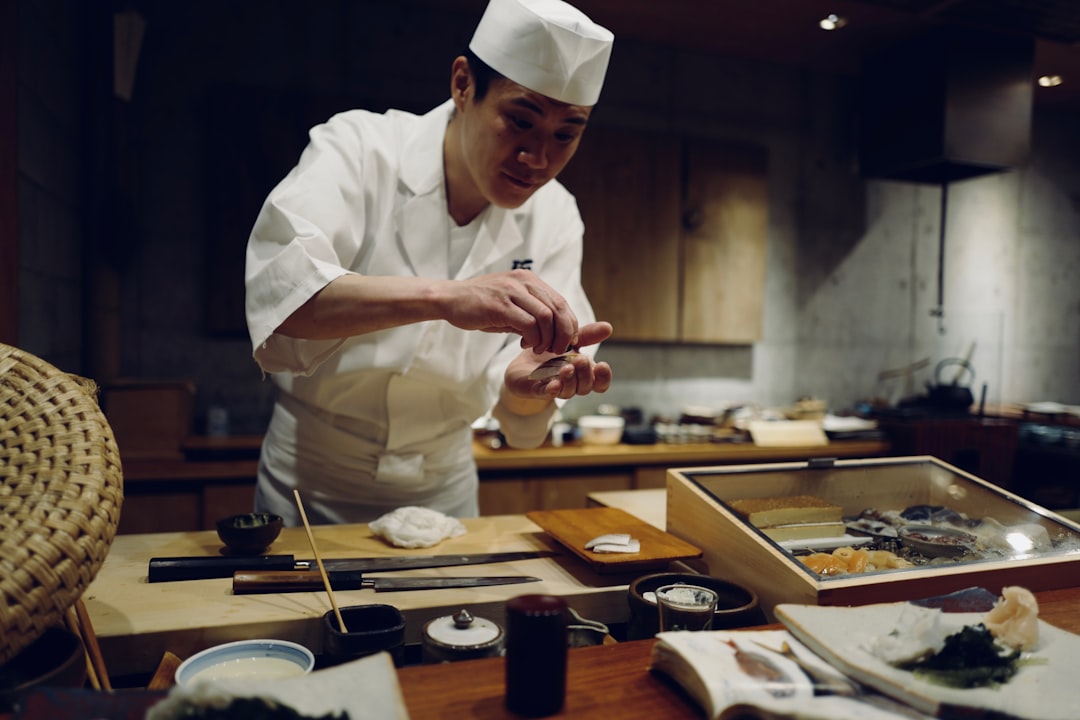
The specialty food market operates at the leading edge of consumer values. In 2026, three forces converge with unusual clarity: the demand for sensory intensity, the expectation of ingredient transparency, and the appetite for authentic global flavors. These are not passing aesthetics. They reflect deep shifts in how people relate to food, identity, and trust. Brands that treat transparency as a production value rather than a marketing claim will earn the loyalty that sustains long-term growth. Retailers and hospitality operators who read these signals early and build their offer around them will hold a real competitive advantage in a market where differentiation is harder than ever to sustain.
Industry perspective, specialty food trade and consumer trends professionals
Transparency as a specialty food value
The SFA identified a trend called “Honest Processing.” Consumers are not rejecting the production process itself. Instead, they are rejecting the mystery behind how foods are made. This trend redefines the line: processing is visible and has a clear purpose, such as fermentation, dehydration, freeze-drying, or cold pressing, which reduces consumer concern and builds understanding of how specialty products are made.
The SFA also highlighted ongoing trends in ingredient transparency, home rituals, shelf-stability, nutrient density, and cross-cultural cuisines. These are not separate forces. They form one coherent consumer posture: the demand to know, to feel, and to trust what you eat. For specialty producers, this is both a challenge and a very clear invitation.
Short ingredient lists, visible methods, and named origins will continue to separate premium specialty food from volume products. Hospitality teams that communicate sourcing with this level of honesty will connect with the same consumer who walked the show floor in New York.
Specialty food points toward a more considered table
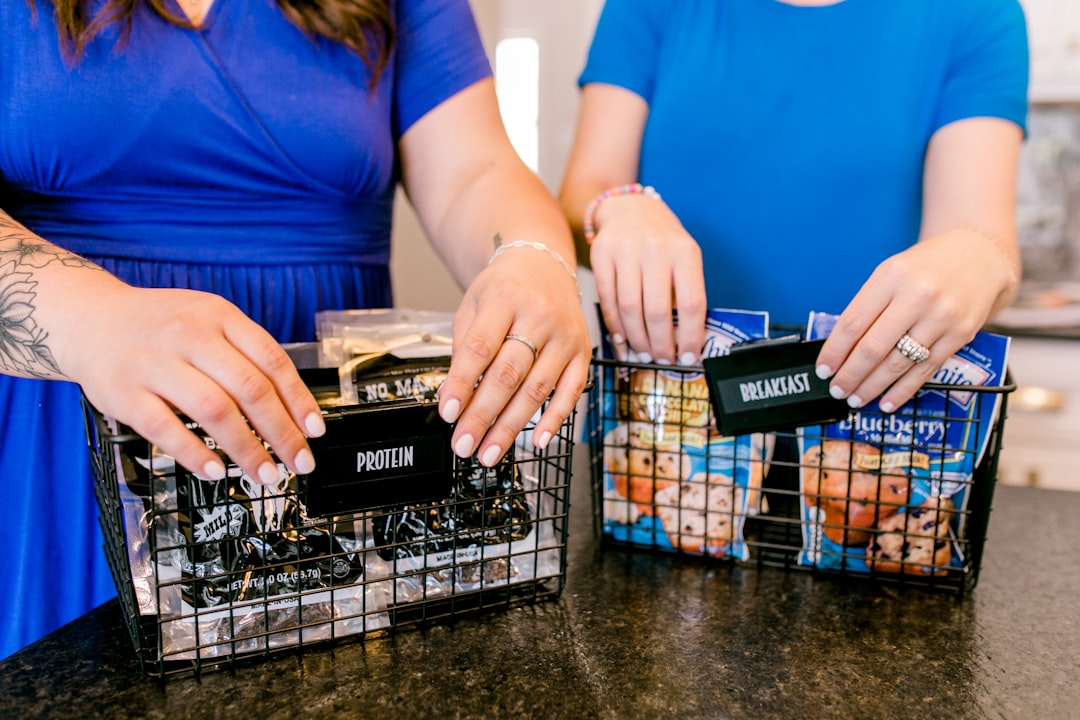
The 2026 Summer Fancy Food Show confirmed that specialty food is not chasing novelty. At this exciting moment, specialty food and beverage products continue to grow in relevance for retail, shelf space, and foodservice applications. The trends seen in New York tell a consistent story: intensity with intention, global reach with local trust, and nutrition that does not sacrifice pleasure.
Specialty food now defines the leading edge of what guests expect at every table. The signals from New York in 2026 deserve careful attention from anyone who sources, cooks, or serves. Follow the specialty food categories that combine sensory boldness with honest process, and you will follow the direction the whole market is moving.
Discover more about specialty food
- Summer Fancy Food Show 2026 Official Recap, Specialty Food Association
- 2026 Specialty Food Industry Outlook Report, Specialty Food Association
- 2026 Summer Fancy Food Show: Trends in Action, Progressive Grocer