CONTACT
  • Login
Upgrade
GUSTOwebzine
Advertisement
  • Home
    • Our Authors
    • Subscribe for Free
    • Media Kit
    • Contact
    • Terms and Conditions
    • Cookie Policy
  • Discoveries
    • Chefs
  • Culinary Culture
  • Food & Drinks
  • Cooking Tips
    • Recipes
  • GUSTO Global
  • Insights
  • GUSTO Guide
    • Hotels Worldwide
    • Nightlife Worlwide
    • Restaurants Worldwide
    • Services Worldwide
  • Home
    • Our Authors
    • Subscribe for Free
    • Media Kit
    • Contact
    • Terms and Conditions
    • Cookie Policy
  • Discoveries
    • Chefs
  • Culinary Culture
  • Food & Drinks
  • Cooking Tips
    • Recipes
  • GUSTO Global
  • Insights
  • GUSTO Guide
    • Hotels Worldwide
    • Nightlife Worlwide
    • Restaurants Worldwide
    • Services Worldwide
No Result
View All Result
GUSTOwebzine
No Result
View All Result
Home Culinary Culture

Kimchi conquers kitchens beyond Seoul

From ancient Korean pantries to fine dining menus worldwide, kimchi is redefining what a condiment can do.

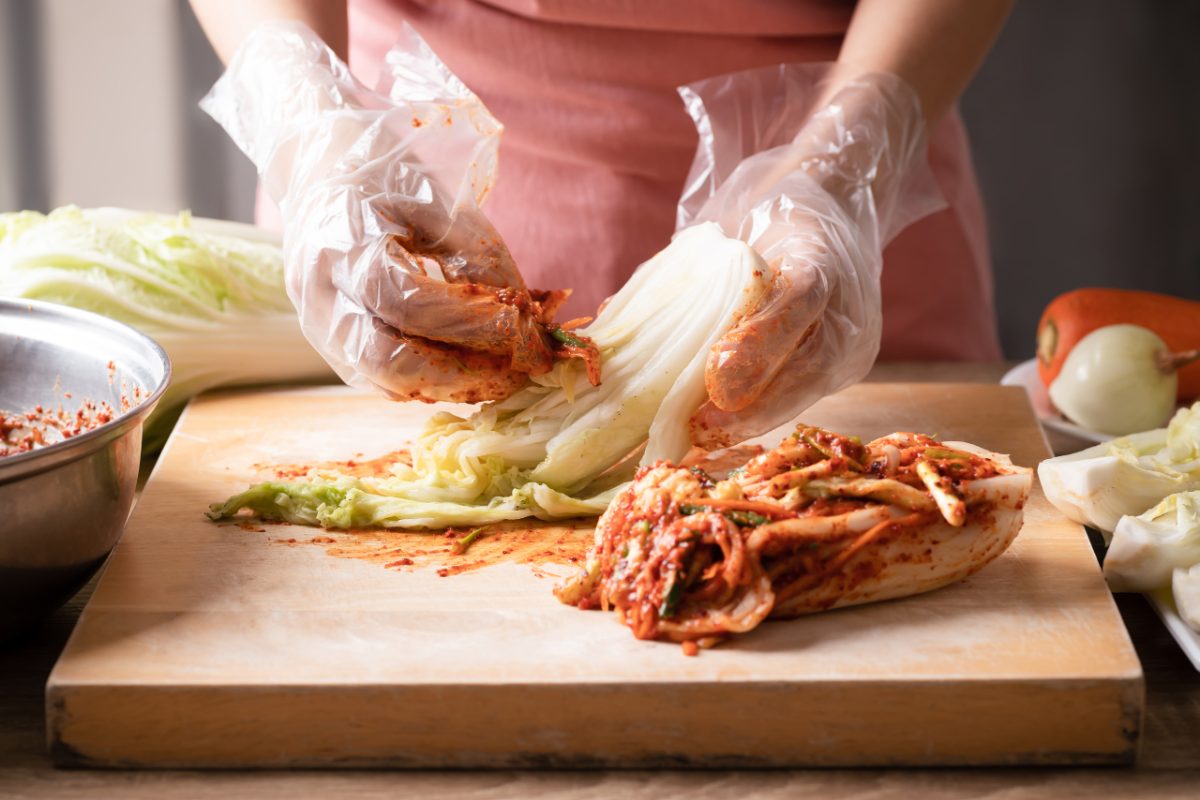
A woman prepares kimchi by hand, layering cabbage in a traditional crock, demonstrating the ancient craft behind this dish.

Kimchi carries within its earthen crock a philosophy of patience, precision, and seasonal intelligence that any serious cook will recognise at once.

The craft behind the crock

Kimchi is one of the most important elements of Korean cuisine. The Korean term refers broadly to fermented vegetables, seasoned with salt and spices. Yet to define it only by its ingredients is to miss the point entirely. For thousands of years, Koreans have been pickling, salting, and fermenting vegetables to preserve them, a necessity before modern refrigeration and a way of managing food through Korea’s harsh winters.

Kimchi represents fermentation science at its most refined. Mixing and fermenting its main ingredients, including cabbage, radish, and cucumber, along with secondary ingredients such as red pepper powder, garlic, ginger, and salted seafood, produces a unique flavour and depth, while generating nutrients and probiotics absent from the raw ingredients.

GUSTO guide worldwide restaurants, hotels, nightlife, professional services GUSTO guide worldwide restaurants, hotels, nightlife, professional services GUSTO guide worldwide restaurants, hotels, nightlife, professional services

What makes kimchi truly distinctive is its rich microbial diversity. Unlike foods fermented with a single species of bacteria or yeast, kimchi is a naturally complex ecosystem. That complexity is precisely what draws chefs trained in classical technique. Every batch reflects its maker’s hand, the season, and the region.

Kimchi as cultural heritage

Kimjang, the practice of making and sharing kimchi, was inscribed in 2013 on the UNESCO Representative List of the Intangible Cultural Heritage of Humanity. Kimchi forms an essential part of Korean meals, transcending class and regional differences. The collective practice reaffirms Korean identity and strengthens family cooperation.

Preparation follows a yearly cycle. In spring, households secure shrimp, anchovy, and other seafood for salting. In summer, they buy sea salt for the brine. In late summer, red chilli peppers are dried and ground. Late autumn is kimjang season, when communities make and share large quantities to sustain every household through winter.

In 2010, South Korea formally introduced Korean food as a force for international diplomacy under the tagline “Taste of Korea.” Kimchi stood at the centre of that effort, carrying both culinary merit and national identity into the world’s dining rooms.

Kimchi conquers global markets

In 2023, South Korea shipped more than $155 million worth of kimchi to over 100 countries around the world. The number of countries importing the food recently reached a record high of 93, with rapid market growth evident in North America and Europe, driven by its image as a health and vegan food.

The global kimchi market was valued at $3.66 billion in 2024, and the market is expected to reach $5.74 billion by 2033, growing at a compound annual rate of 5.13% during the forecast period. The United States holds the position of the second-largest global importer of kimchi.

Kimchi now appears on Michelin-starred menus in New York and in casual eating spots in London. It is no longer confined to Korean restaurants, as it has become part of other types of food establishments, prompting chefs to experiment with incorporating it into various recipes. The dish has earned its place at every level of the table.
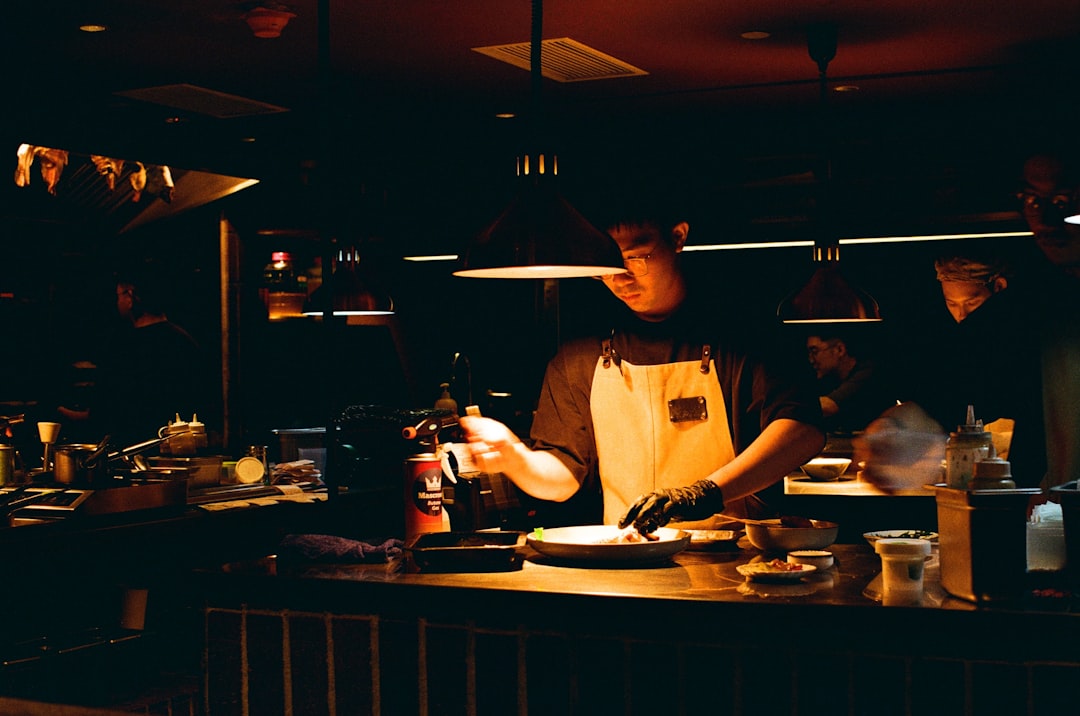
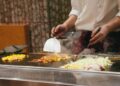
A chef plates a refined dish featuring kimchi as a key ingredient, showing howkimchi has reached fine menus around the world.

Expert perspective on kimchi’s global rise

Korean cuisine has reached a remarkable moment in its international journey. What makes kimchi so compelling from a culinary education standpoint is that it teaches students something no textbook can fully capture: the discipline of waiting. The fermentation process demands respect for time, temperature, and ingredient quality in the same way that a classic French sauce demands precision. At institutions like ours, we now see students and educators engaging deeply with not just the flavour of kimchi, but the cultural and historical philosophy behind it. The conversation has moved beyond “what is kimchi” to “how do we honour it properly.” That shift tells you everything about where global food culture is heading. Kimchi is not a trend. It is a discipline.

Industry perspective, culinary education professionals in New York

The science inside every jar

Kimchi is a traditional Korean food made by fermenting vegetables with probiotic lactic acid bacteria. The lactic acid produced during fermentation contributes to kimchi’s distinctive flavour while also acting as a natural preservative. The lactobacilli involved in the fermentation process serve as probiotics, offering potential health benefits to the consumer.

Kimchi may help strengthen immune function and reduce inflammation throughout the body. It may also support cardiovascular health by lowering cholesterol and blood sugar levels. Low in calories and high in fibre, vitamins, and minerals, kimchi’s fermentation process generates beneficial probiotics that promote gut health and digestion.

As global interest in fermented foods and probiotics continues to grow, kimchi stands ready to play an increasingly significant role in international cuisine and nutrition, bridging traditional practices with modern health awareness. For a cook who values both flavour and function, that is a combination of rare quality.

-

A chef roasting seasonal root vegetables in a professional kitchen at the autumn equinox, demonstrating classic techniques

Autumn equinox and how cooks rethink heat

16/09/2026
A skilled baker shaping a sourdough loaf by hand, reflecting the craft at the heart of global bread traditions

Bread traditions and what they reveal

15/09/2026
A woman selects seasonal vegetables at harvest markets in Europe during September, with crates of fresh produce arranged.

Harvest markets shape how home cooks shop

12/09/2026
A cook carefully stirring slow cooked beans in a clay pot over a low flame, demonstrating classical technique

Slow cooked beans from five traditions

10/09/2026
A woman carefully tending to a clay pot of fermented vegetables, demonstrating the art of fermentation as food preservation

Fermentation and food preservation worldwide

06/09/2026
A chef carefully plates a bowl of autumn dishes in a professional kitchen, demonstrating classical harvest-season technique

Autumn dishes for harvest-season cooking

05/09/2026

A shopper selects a jar of kimchi from a supermarket shelf, reflecting the remarkable global reach of Korean kimchi exports .

Kimchi belongs at every serious table

Kimchi has demonstrated, with patience and precision, that a fermented preparation rooted in centuries of Korean knowledge can find a welcome place in any serious kitchen. For more people around the world to enjoy kimchi, traditional methods of making it must be preserved, while new approaches to promotion are also needed. Merging kimchi with the food cultures of host countries will lead to the creation of localised versions and use of the condiment as a medium for the convergence of food cultures across borders.

The craft deserves that respect. Kimchi asks nothing more than attention, care, and a willingness to learn. For any cook who takes the table seriously, those are not conditions. They are privileges. Discover kimchi not as a condiment, but as a practice, and allow it to change the way you think about flavour, time, and the silent intelligence of fermentation.

Word count: approximately 760 words

Discover more about kimchi

  • Kimjang: Making and Sharing Kimchi in the Republic of Korea, UNESCO Intangible Cultural Heritage
  • Global Kimchi Market Size, Share, Trends and Growth Report 2025, 2033, Market Data Forecast
  • How Kimchi, a Korean Staple, Became a Global Phenomenon, Marketplace / BBC

author avatar
Claire Beaumont
Claire Beaumont grew up in Lyon's bouchon culture, where Sunday lunches lasted three hours and every dish told a story. She trained at Institut Paul Bocuse before turning to food writing, covering classical French technique, regional produce, and Europe's evolving restaurant scene. Her work is elegant, precise, and always deeply rooted in the craft behind the plate.
See Full Bio
Previous Post

Citrus Season Recipes: Fresh Morocco Oranges

Next Post

Patio service: 5 ways restaurants prepare

Related Posts

A chef roasting seasonal root vegetables in a professional kitchen at the autumn equinox, demonstrating classic techniques
Culinary Culture

Autumn equinox and how cooks rethink heat

16/09/2026
A skilled baker shaping a sourdough loaf by hand, reflecting the craft at the heart of global bread traditions
Culinary Culture

Bread traditions and what they reveal

15/09/2026
A woman selects seasonal vegetables at harvest markets in Europe during September, with crates of fresh produce arranged.
Culinary Culture

Harvest markets shape how home cooks shop

12/09/2026
A cook carefully stirring slow cooked beans in a clay pot over a low flame, demonstrating classical technique
Culinary Culture

Slow cooked beans from five traditions

10/09/2026
A woman carefully tending to a clay pot of fermented vegetables, demonstrating the art of fermentation as food preservation
Culinary Culture

Fermentation and food preservation worldwide

06/09/2026
Next Post
A chef sets a table on a restaurant patio preparing for summer patio service at the start of outdoor season.

Patio service: 5 ways restaurants prepare

Leave a Reply Cancel reply

Your email address will not be published. Required fields are marked *

Truelang AI Translations Truelang AI Translations Truelang AI Translations
No Result
View All Result

Our Focus

GUSTOwebzine is your international window on food culture: culinary lifestyle, trends, recipes and gastronomic stories for a global audience with a passion for exceptional taste.

Our Readers

GUSTOwebzine addresses readers who engage with food culture at a high level: as culinary professionals, passionate home cooks, food entrepreneurs, and tastemakers in their communities.

Our Approach

Recipes, trends, and dining culture are integrated as context and indicators of creativity, identity, and the social forces shaping how the world eats, not standalone content.

Recent Post

  • Truffle dinners in NYC this autumn
  • Autumn equinox and how cooks rethink heat

© 2026 GUSTOwebzine by NOOR & NOOR — part of WEBZINE.world.

Welcome Back!

Login to your account below

Forgotten Password?

Retrieve your password

Please enter your username or email address to reset your password.

Log In
Manage Consent
To provide the best experiences, we use technologies like cookies to store and/or access device information. Consenting to these technologies will allow us to process data such as browsing behavior or unique IDs on this site. Not consenting or withdrawing consent, may adversely affect certain features and functions.
Functional Always active
The technical storage or access is strictly necessary for the legitimate purpose of enabling the use of a specific service explicitly requested by the subscriber or user, or for the sole purpose of carrying out the transmission of a communication over an electronic communications network.
Preferences
The technical storage or access is necessary for the legitimate purpose of storing preferences that are not requested by the subscriber or user.
Statistics
The technical storage or access that is used exclusively for statistical purposes. The technical storage or access that is used exclusively for anonymous statistical purposes. Without a subpoena, voluntary compliance on the part of your Internet Service Provider, or additional records from a third party, information stored or retrieved for this purpose alone cannot usually be used to identify you.
Marketing
The technical storage or access is required to create user profiles to send advertising, or to track the user on a website or across several websites for similar marketing purposes.
  • Manage options
  • Manage services
  • Manage {vendor_count} vendors
  • Read more about these purposes
View preferences
  • {title}
  • {title}
  • {title}
No Result
View All Result
  • Home
    • Our Authors
    • Subscribe for Free
    • Media Kit
    • Contact
    • Terms and Conditions
    • Cookie Policy
  • Discoveries
    • Chefs
  • Culinary Culture
  • Food & Drinks
  • Cooking Tips
    • Recipes
  • GUSTO Global
  • Insights
  • GUSTO Guide
    • Hotels Worldwide
    • Nightlife Worlwide
    • Restaurants Worldwide
    • Services Worldwide

© 2026 GUSTOwebzine by NOOR & NOOR — part of WEBZINE.world.

Not enough quota to unlock this post
Unlock left : 0
Are you sure want to cancel subscription?
Verified by MonsterInsights
enEnglishdeDeutschesEspañolfrFrançaisnlNederlands