Patio service carries real weight in the restaurant calendar. Across Scandinavia, the Mediterranean, and beyond, the shift from indoor to outdoor dining marks a quiet but significant change in how a kitchen delivers its identity to guests.
Structure sets the tone before guests arrive
The physical condition of the patio matters more than operators often realize. Before the season opens, a close inspection of the outdoor space is necessary. Operators look for cracks, loose tiles, and damaged furniture. They check umbrellas, awnings, and outdoor heaters to confirm everything is in good condition. They then make a list of all repairs needed, ordered by priority.
Cracked tiles, loose boards, or unstable furniture create safety risks and can lead to accidents. Completing those repairs before the season starts ensures the patio is safe and ready for guests. This kind of physical audit reflects the same discipline a Nordic kitchen brings to ingredient prep. You do not begin service until the space is correct.

Many operators also invest in hybrid spaces that feel open-air but stay comfortable, using features such as sliding doors, windbreaks, or heaters. Long-term investments in weather-resistant furniture, slip-proof surfaces, umbrellas, and durable lighting all contribute to a more reliable service environment.
Permits and compliance form the foundation
Regulations around outdoor dining vary widely by city and country, and missing a permit can stop service before it begins. Municipalities often require permits for sidewalk dining, outdoor alcohol service, tents, signage, heaters, or expanded seating. These requirements can vary by location and may change over time.
City programs such as Boston’s Outdoor Dining Program support restaurants by helping them expand seating capacity through outdoor patios. These programs typically cover permitting, outdoor patios on roadways, and online application systems. They may also provide outdoor dining consultations, accessible design templates, real-time application tracking, and annual license renewals.

Operators who track these requirements early gain a practical advantage. Logistical factors to consider include whether the restaurant holds the necessary permits from its municipality to open and operate the patio. Compliance is not a detail. It is the framework on which everything else depends.
A seasonal menu connects the kitchen to the outdoors
The best patio service offers a menu that belongs to the season. The patio should be an extension of the restaurant’s identity. It should complement or reflect the indoor dining space to remain coherent. At the same time, a special patio or seasonal menu is a strong way to bring in new diners.
Lighter meals, fresh produce, and chilled beverages are more appealing in warm weather. Iced drinks, summer cocktails, and alcohol-free alternatives tend to rise sharply in popularity. This is the moment where a kitchen can speak most directly through what it grows, sources, and prepares.
Before making major seasonal changes, operators review previous years’ performance. A cloud-based point-of-sale system with reporting tools allows access to historical data on seasonal performance. That data guides menu decisions with precision rather than guesswork.







Expert perspective on outdoor dining as a revenue strategy
Outdoor dining already drives up to half of annual revenue for many operators. The difference between a good and a great summer comes down to preparation. Research shows that patios account for an average of around 20 percent of total sales, with many operators reporting between 25 and 49 percent. Operators who invest in the right technology and systems before peak season are the ones who capture demand and turn a strong summer into a record year. Treating the outdoor space as a strategic revenue driver, not simply an extension of the dining room, changes how operators plan staffing models, technology investment, and the full guest experience.
Industry perspective, restaurant technology and hospitality operations research professionals
Staffing the patio requires a dedicated approach
Coordinating larger parties, managing fluctuating guest flow, and keeping service consistent across indoor and outdoor areas all add meaningful strain on already lean teams. Patio operations require more than simply adding staff. They require smarter systems and better forecasting to project demand.
Mobile point-of-sale systems and QR code menus reduce the friction of outdoor service. They allow staff to spend less time running orders back and forth and more time delivering an exceptional guest experience. This flexibility is especially valuable during unpredictable volume swings on a patio.
Hiring and training seasonal staff early ensures smoother operations before peak demand arrives. Cross-training employees so they can work across multiple roles helps cover gaps during busy periods. Reviewing past summer data helps predict busy times and ensures proper staffing levels.
Ambiance signals the restaurant’s character
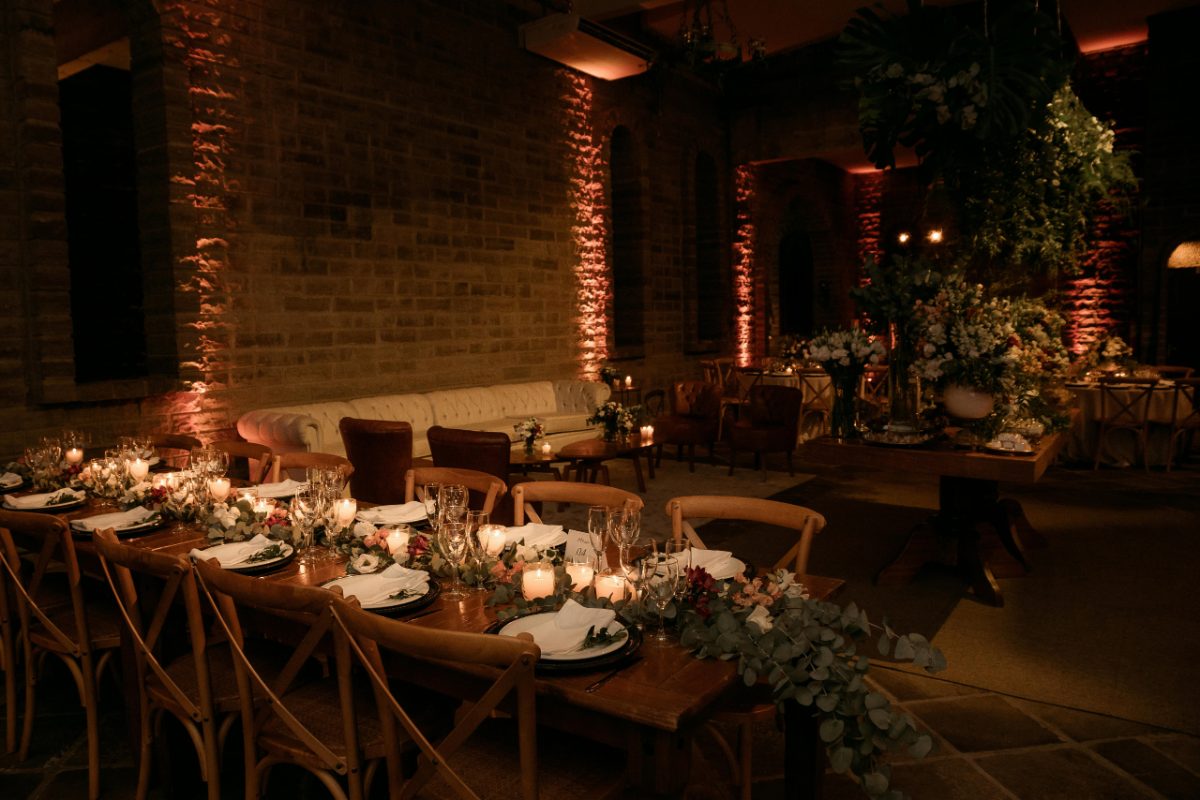
Ambiance is not decoration for its own sake. It is how the space communicates the kitchen’s values to every guest who sits down. One of the most visible trends in outdoor spaces is the use of vertical green walls. Restaurants incorporate vertical plant elements to create vibrant backdrops that instantly enhance the dining environment. Installing green wall panels along fences, exterior walls, or railings adds natural texture and visual interest without reducing seating capacity.
Sustainable materials in outdoor furniture, energy-efficient lighting, and waste reduction strategies all contribute to a coherent environmental position. Replacing single-use items with durable outdoor tableware sends a message that ecologically aware diners want to receive. Sourcing ingredients from local farms and reducing food transport distances supports both the local economy and sustainability goals.
More than half of Americans say they prefer to dine outdoors when the weather is good. Operators who align their ambiance with their food values create an outdoor experience that feels intentional rather than assembled.
Conclusion: patio service rewards the operators who prepare
Research involving more than 1,200 full-service restaurant operators found that patios account for an average of around 20 percent of total sales, with many operators reporting between 25 and 49 percent. Patio service is not a bonus season. It is a primary revenue period that demands the same care as any menu or kitchen process. Operators who inspect their structure, secure their permits, build a seasonal menu, train their teams, and design their ambiance with intention do not simply survive summer. They define it. Return to these 5 areas each year and patio service becomes a discipline rather than a reaction.

Discover more about patio service
- Boston Outdoor Dining Program, City of Boston
- Is Your Restaurant Ready for the Biggest Patio Season Yet?, Modern Restaurant Management
- Outdoor Dining Trends: How Restaurants Can Maximize Patio Season, OpenTable