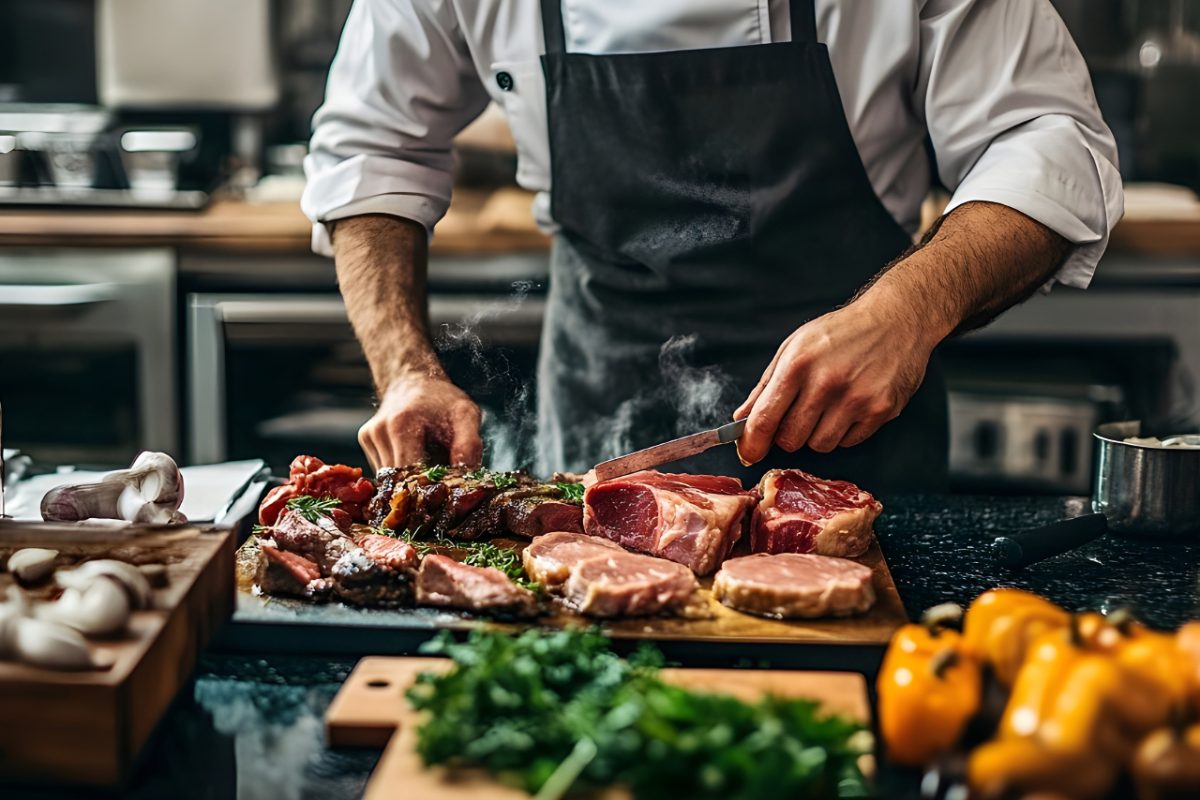
Grilled mains deserve the same discipline you bring to the stovetop: measured heat, deliberate seasoning, and respect for the ingredient from the moment it leaves the refrigerator to the moment it reaches the plate.
Why technique separates good from exceptional
The grill is a direct, unforgiving surface. It rewards preparation and punishes haste. Before you place any protein over the flame, you must understand your heat zones. Direct heat creates the sear that builds flavour. Indirect heat finishes the cook without burning the exterior.
A well-seasoned marinade does 2 things simultaneously. It introduces flavour and it tenderises the muscle fibres. For beef, 30 to 60 minutes is sufficient. For chicken and pork, allow 2 to 4 hours. For seafood, limit the marinade to 15 to 20 minutes or the acid will begin to cook the flesh prematurely.

Rest your protein after cooking. Allow 5 minutes for thinner cuts and 10 minutes for thicker ones. This step lets the internal juices redistribute evenly and produces a more tender, cohesive result at the table.
The 8 grilled mains worth mastering
1. Butterflied leg of lamb with harissa and preserved lemon. Open the lamb flat, apply the harissa paste generously, and let it sit overnight. Grill over direct heat for the first 8 minutes per side to develop colour and char, then move to indirect heat to finish. Slice thinly across the grain.
2. Spatchcock chicken with fermented chilli glaze. Remove the backbone, flatten the bird, and apply the glaze in 2 stages: once before cooking and once in the final 5 minutes. The skin crisps cleanly and the glaze caramelises without burning.

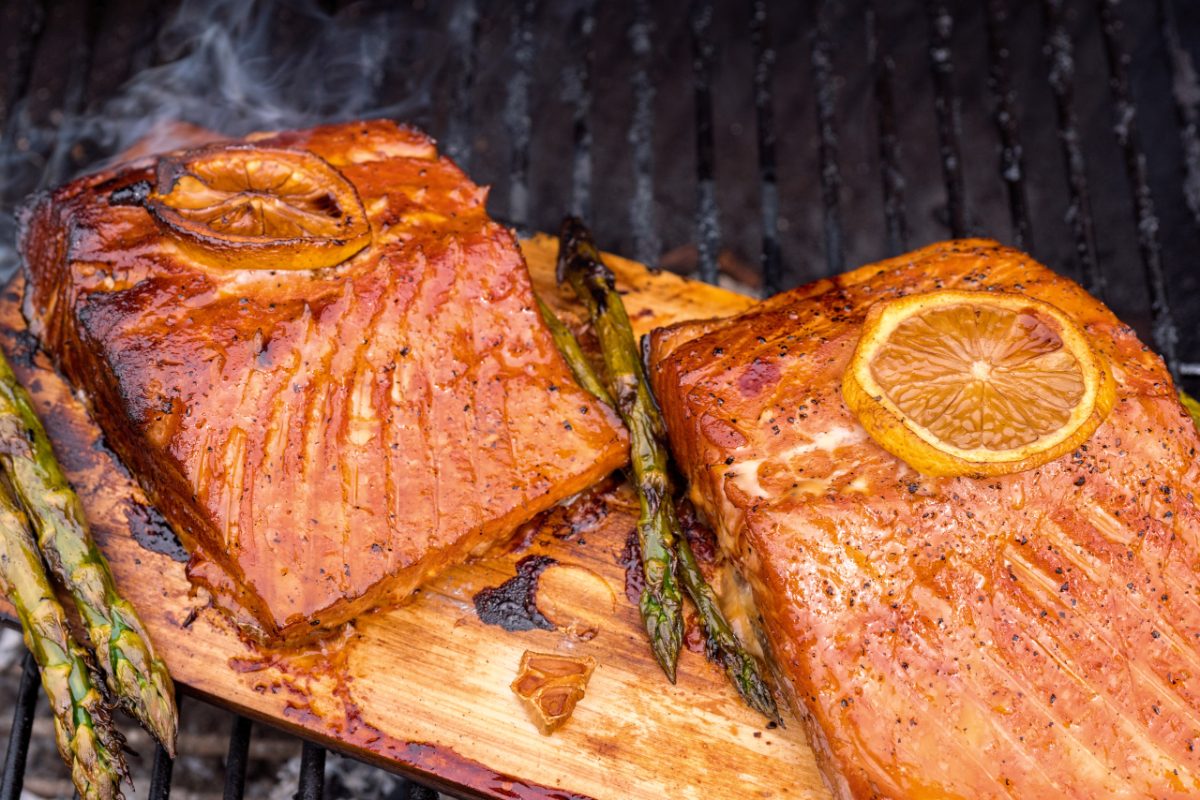
3. Miso-glazed salmon on a cedar plank. Soak the plank for 1 hour before cooking. The cedar releases aromatic smoke that penetrates the flesh gently. The miso glaze creates a lacquered surface that balances salt, sweetness, and depth of flavour.
4. Bavette steak with chimichurri. Bavette, known in France as the flank, is an undervalued cut with intense flavour. Sear it over high heat for 3 to 4 minutes per side. Rest it for 8 minutes before slicing against the grain. The chimichurri adds acidity to balance the richness.
5. Pork tenderloin with ancho and orange. The ancho chilli provides a gentle smoke note without overpowering the delicate tenderloin. A small amount of fresh orange juice in the marinade lifts the entire profile. Cook over indirect heat and rest before serving.
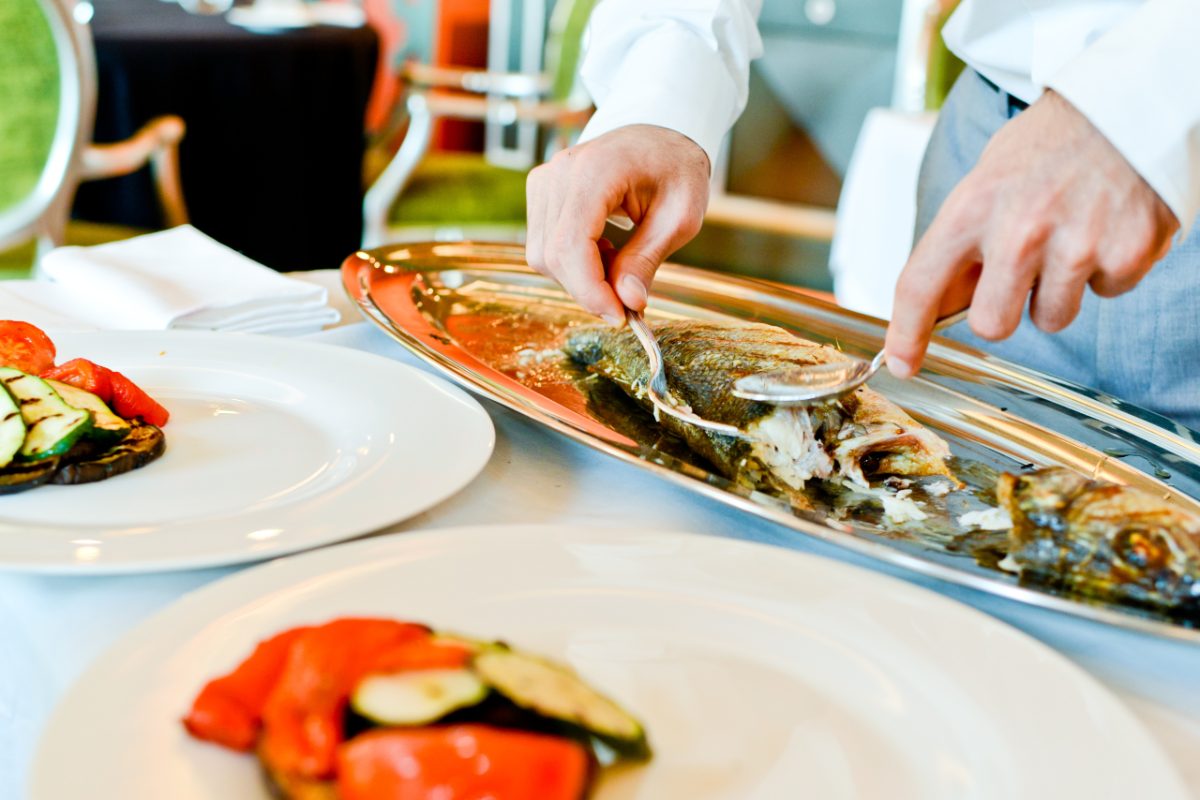
6. Whole sea bass with fennel and citrus. Score the skin on both sides to allow the seasoning to penetrate. Place fennel fronds inside the cavity. Grill over medium direct heat and turn only once. The skin should release naturally when it is ready to turn.
7. Chicken thighs with sumac, za’atar, and yoghurt. Bone-in, skin-on thighs carry more flavour and tolerate the grill better than breast meat. The yoghurt marinade tenderises the chicken and forms a light crust when it meets the heat. Add sumac and za’atar to the yoghurt before marinating.
8. Grilled king prawns with garlic butter and tarragon. Butterfly the prawns to increase the surface area that contacts the grill. Cook them for 2 minutes per side over high direct heat. Add the garlic butter in the final 60 seconds so it melts into the flesh rather than burning.
How to build the right char without burning
The char you see on well-grilled food is the Maillard reaction at work. It creates the brown, complex crust that signals concentrated flavour. To achieve it cleanly, preheat the grill for at least 15 minutes, oil the grates before you cook, and resist the urge to move the food.





Do not press down on the protein with a spatula or tongs. Pressure forces the juices out of the meat and creates a drier result. Instead, let the sear do its work undisturbed. Flip each piece once, at most twice, during the entire cook.
For foods that carry sugars in their glaze, such as the pork tenderloin with ancho and orange, apply the glaze only in the final minutes. Added too early, the sugars burn before the interior reaches the correct temperature.
Expert perspective on grilling and safe food handling
Grilling outdoors removes many of the temperature controls you rely on in a kitchen environment. Unlike an oven, a grill fluctuates with wind, fuel, and position on the grate. A reliable meat thermometer is not a tool of convenience. It is the only accurate way to know whether your protein has reached a safe internal temperature. Poultry must reach 74 degrees Celsius internally. Whole cuts of beef, lamb, and pork are safe at 63 degrees Celsius, followed by a rest period. Cross-contamination is the second most common error: use separate boards and utensils for raw and cooked proteins at all times. Discipline at the grill is no different from discipline in any professional kitchen.
Industry perspective, professional culinary and food safety practitioners
Smoke, fire, and global influence
Summer grilling is not a single tradition. It draws from the Argentine asado, the Japanese yakitori, the Levantine mangal, and the West African suya in equal measure. Each tradition contributes a distinct logic, whether that is the slow patient smoke of the American South or the precise, fast sear of the Japanese robata grill.
The 8 grilled mains in this guide reflect that global breadth. They apply classical technique to diverse flavour profiles, so each dish stands on its own as a composed, considered plate. Together they form a spread that offers variety without confusion.
Consider the meal as a whole from the beginning. Sequence your proteins by cooking time and heat requirement. Start the lamb first, then the chicken, then the fish and seafood last. This approach keeps the grill active and serves each dish at its best temperature.

Conclusion: grilled mains as the standard of the table
Grilled mains are the measure of any serious summer table. They ask the cook to prepare with care, to understand heat, and to respect the ingredient. Each of the 8 dishes in this guide rewards that attention with a result that is precise, flavourful, and worthy of the occasion. Return to these grilled mains whenever the season calls for food that carries real craft and conviction. Choose 1 or 2, commit to the technique, and let the fire do the rest.
Discover more about grilled mains
- Grilling and barbecue food safety guidance (Minnesota Department of Health)
- Self-reported food handling behaviours of consumers while grilling poultry and meat (PMC, 2025)
- Barbecue’s unsung hero: Food safety at summer grilling (UCI Health, 2025)