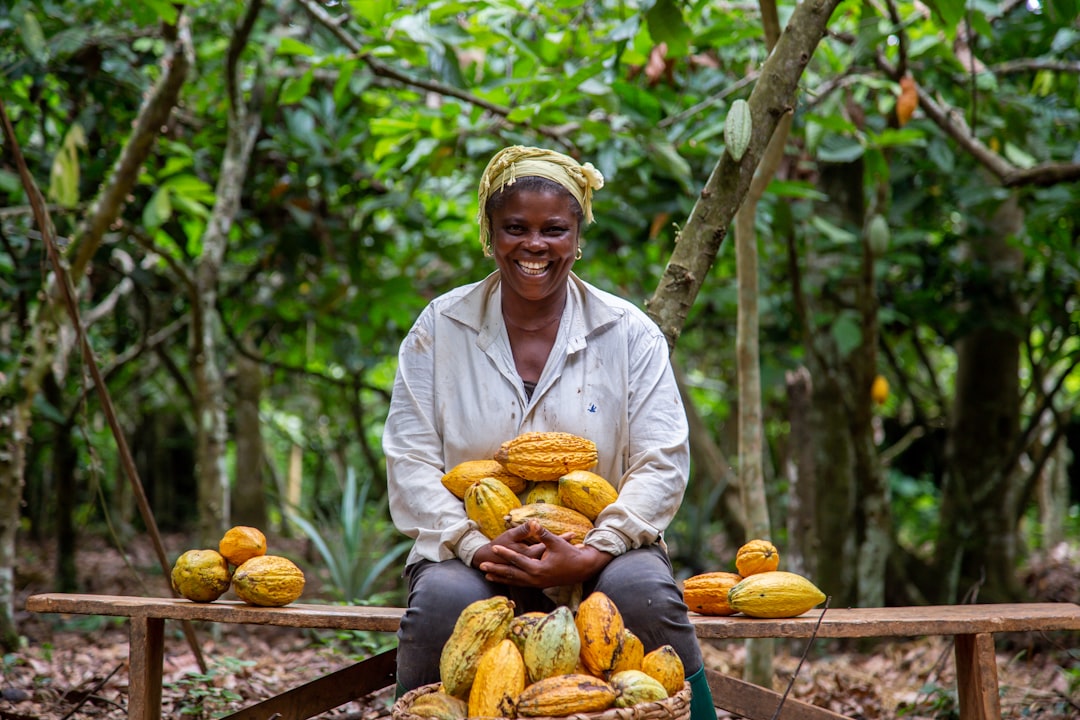
Ethical cocoa is no longer a luxury concern held only by boutique chocolatiers. It sits at the centre of one of the most consequential debates in global food culture today, and the 2026 World Cocoa Foundation (WCF) Partnership Meeting made that tension impossible to ignore.
What the 2026 forum addressed
The 2026 Partnership Meeting took place in Amsterdam on 17 and 18 February 2026, bringing together more than 500 stakeholders from across the global cocoa value chain. Under the theme “Securing Cocoa’s Future in a Changing World,” the meeting addressed the industry’s most pressing challenges, from climate disruption and evolving regulations to supply chain volatility and shifting consumer expectations.
With regulatory shifts such as the EU Deforestation Regulation (EUDR), increasing scrutiny over farmer livelihoods, and growing expectations for ethical supply chains, the sector faces a dual challenge of adaptation and accountability. By convening leaders from producing and consuming countries alike, the WCF Partnership Meeting served as a critical platform for collective leadership.

Over 2 days, participants exchanged perspectives, aligned on sector priorities, and examined coordinated approaches to cocoa’s most significant challenges. Shared frameworks are reducing complexity and cost across the supply chain, improving traceability, and helping companies and farmers adapt to a fast-evolving policy environment.
Regulation is reshaping ethical cocoa standards
The most structural force acting on ethical cocoa today is regulatory. The EUDR standardises how companies assess the deforestation risk level of all plots where cocoa destined for the EU market is produced. It requires importers of key commodities such as cocoa to show that those goods were produced on land free of deforestation since the end of 2020.
The WCF has developed a comprehensive deforestation risk assessment methodology for its members to enable compliance with EUDR legislation. The methodology strengthens how the sector collects, verifies, and uses data, giving companies confidence that the cocoa in their supply chains is EUDR-compliant. It also reduces the risk of false positives in deforestation detection, helping farmers maintain access to key markets.

The WCF is supporting national traceability systems in Côte d’Ivoire and Ghana to ensure alignment with regulatory requirements and integration with company systems. A global model for cocoa traceability is also in development, designed to support compliance across markets and reduce cost and duplication for the sector.
Traceability as the new language of craft
For those who work closely with chocolate, traceability is not a bureaucratic concept. It is the foundation of quality. Traceability has become a cornerstone of ethical cocoa sourcing, enabling companies to identify the origins of their cocoa beans and ensure they are sourced responsibly. By mapping their supply chains down to the farm level, companies can monitor compliance with labour laws, environmental standards, and fair trade practices.
Barry Callebaut, the world’s leading chocolate and cocoa supplier, continues to advance its Forever Chocolate program, now evolving toward 2030 targets. As of 2024 and 2025, the company has mapped over 1.5 million cocoa farms, a significant step toward full traceability.






Transparency means openly sharing details about how cocoa was produced, including farming practices, labour conditions, environmental impact, and sustainability efforts. Together, these practices build trust, letting buyers know their purchase supports ethical, responsible production rather than contributing to deforestation, child labour, or exploitation.
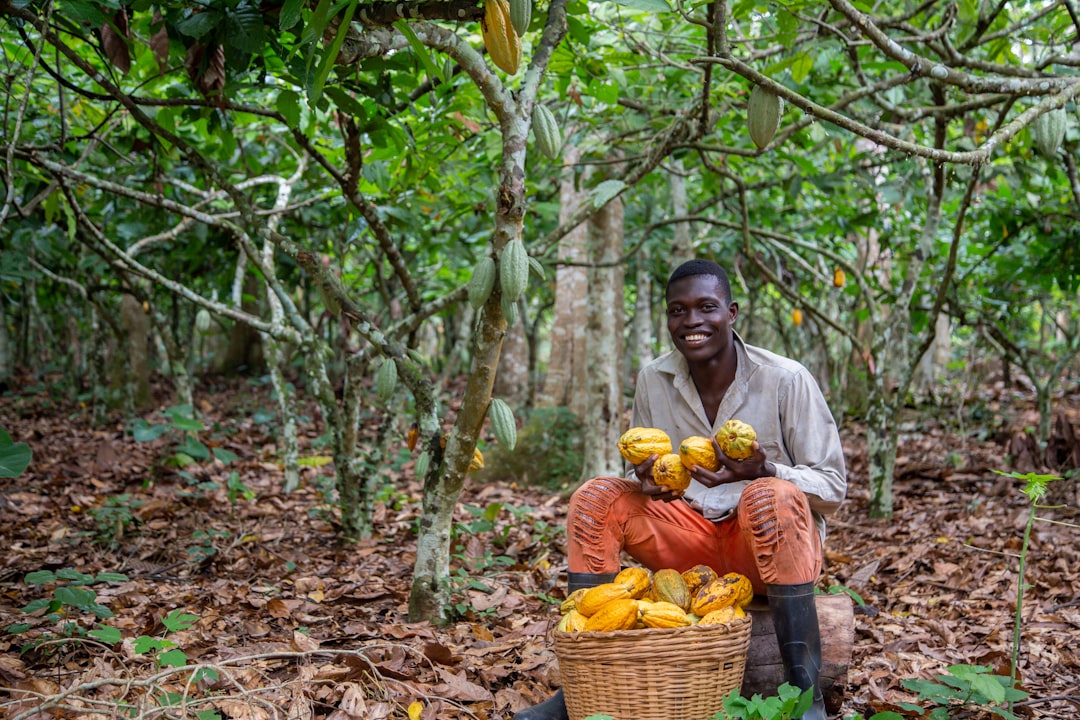
Expert perspective on ethical cocoa and collective responsibility
The conversation around ethical cocoa has moved well beyond certification labels and marketing language. What we are seeing now is a structural shift in how the entire value chain understands accountability. Traceability systems must reach the farm level, not stop at the port. Regulation such as the EUDR is forcing companies to invest in data infrastructure that was, frankly, long overdue. The harder question is not whether companies can meet compliance thresholds. It is whether compliance alone will translate into genuine improvement in farmer incomes and forest cover on the ground. Collective action frameworks matter precisely because no single company can solve this alone. The 2026 forum signals that the industry understands this, even if the work of translation from intention to impact remains unfinished.
Industry perspective, sustainability and supply chain professionals in the global cocoa sector
The gap between progress and accountability
Progress exists, but it is uneven. A global report into the chocolate industry found that while some companies are improving their sustainability practices, many retailers are still failing to ensure transparent and accountable cocoa supply chains. The 2026 Chocolate Scorecard finds that significant gaps persist in ensuring fair incomes, preventing labour abuses, and promoting environmental sustainability for cocoa-farming communities.
A World Cocoa Foundation report indicates that over 60% of cocoa buyers prioritise sustainably sourced cocoa. However, this shift raises questions about traceability and the economic viability for local farmers. Despite improvements, many farmers still struggle with low income and insufficient access to resources.
Millions of smallholder farmers rely on cocoa for their livelihoods, yet many still live below a living income. From the farms of Ghana and Côte d’Ivoire to the chocolate factories of Europe, the steps taken now are setting the direction for the sector’s future.

Ethical cocoa and what it asks of all of us
Ethical cocoa is not a destination. It is a discipline, much like the classical traditions that govern the finest kitchens: precise, demanding, and always in service of integrity. The discussions in Amsterdam are expected to influence global sustainability priorities and guide the evolution of responsible cocoa sourcing for years to come. The future of cocoa depends on collaboration that is bold, inclusive, and rooted in impact.
For the cook, the chocolatier, and the informed guest at the table, ethical cocoa now carries a meaning as specific as an appellation. Consumers are more informed and values-driven than ever. They want assurance that the chocolate they enjoy aligns with their principles, whether that means protecting forests, ensuring fair wages for farmers, or verifying deforestation-free sourcing. Brands that cannot provide clear answers risk losing loyalty in a market where ethical choices influence purchasing decisions.
The standard is rising. Seek it. Ask for it. Insist on it at every point of purchase, from the professional kitchen to the corner shop. Ethical cocoa is how this generation writes its commitment to the craft and to the people who make it possible.
Discover more about ethical cocoa
- World Cocoa Foundation: Programmes and Initiatives for Sustainable Cocoa
- 2026 Chocolate Scorecard: Cocoa Sustainability for Retailers (Phys.org report)
- Chocolate Trends to Watch: Ethical Sourcing and Traceability in Focus (Pastry Depot)