CONTACT
  • Login
Upgrade
GUSTOwebzine
Advertisement
  • Home
    • Our Authors
    • Subscribe for Free
    • Media Kit
    • Contact
    • Terms and Conditions
    • Cookie Policy
  • Discoveries
    • Chefs
  • Culinary Culture
  • Food & Drinks
  • Cooking Tips
    • Recipes
  • GUSTO Global
  • Insights
  • GUSTO Guide
    • Hotels Worldwide
    • Nightlife Worlwide
    • Restaurants Worldwide
    • Services Worldwide
  • Home
    • Our Authors
    • Subscribe for Free
    • Media Kit
    • Contact
    • Terms and Conditions
    • Cookie Policy
  • Discoveries
    • Chefs
  • Culinary Culture
  • Food & Drinks
  • Cooking Tips
    • Recipes
  • GUSTO Global
  • Insights
  • GUSTO Guide
    • Hotels Worldwide
    • Nightlife Worlwide
    • Restaurants Worldwide
    • Services Worldwide
No Result
View All Result
GUSTOwebzine
No Result
View All Result
Home Culinary Culture

Dumplings: a world of culinary tradition

From jiaozi to pierogi, every culture has shaped dough and filling into something deeply its own.

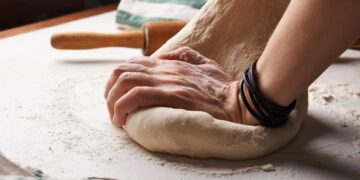
A woman folding handmade dumplings on a floured wooden surface, demonstrating the traditional craft behind this beloved dish

Dumplings occupy a singular position in the culinary world: no other dish appears, in one form or another, across so many separate cultures, continents, and centuries of human history.

A structure so simple it crossed every border

The core idea behind dumplings is elegant in its simplicity. A cook encloses a filling inside dough, then applies heat. We commonly use the word dumpling to describe a bit of filling wrapped in a piece of dough, cooked by simmering, steaming, or frying. That definition, stripped to its essentials, describes a jiaozi in Shandong, a manti in Anatolia, and a pierogi in Kraków with equal precision.

Many cultures have developed their own versions of stuffed pasta or dumplings, each with unique ingredients and preparation methods, often known by different names. Small details like how the dumpling is shaped can signal the cultural background. The pinch of a seal, the thickness of a wrapper, the geometry of a fold: every decision carries meaning. These are not accidents of kitchen improvisation. They are the accumulated gestures of generations.

GUSTO guide worldwide restaurants, hotels, nightlife, professional services GUSTO guide worldwide restaurants, hotels, nightlife, professional services GUSTO guide worldwide restaurants, hotels, nightlife, professional services

If food is the world’s universal language, the dumpling is one of the most common expressions within it. Learning the special attributes of dumplings from different countries is to understand their food cultures.

Where the story begins: dough, filling, and early civilization

The history of dumplings starts in China, where their story is rooted in both practicality and celebration. Historians trace the first dumplings back to the Han Dynasty, when Zhang Zhongjing, a physician, made them to warm and nourish villagers during harsh winters. He would wrap medicinal herbs and mutton in dough, boil them, and serve them, calling them “jiao’er” because of their distinctive shape.

Northern nomadic cultures were interested in wheat, and the Chinese heartland has always had a strong steaming and boiling culture. That interaction, at this artery of multiple civilizations, is what probably gave birth to the dumpling. This convergence of ingredient and technique is not unique to one region. It is a pattern that repeated itself wherever agriculture, trade, and hunger met at the same table.

As trade and cultural exchange flourished along the Silk Road, dumplings spread to other parts of Asia, including Japan, Korea, and Mongolia. In these countries, dumplings evolved to incorporate local ingredients and cooking techniques, resulting in unique variations that reflected the distinct flavors and traditions of each culture.

Dumplings as carriers of cultural meaning

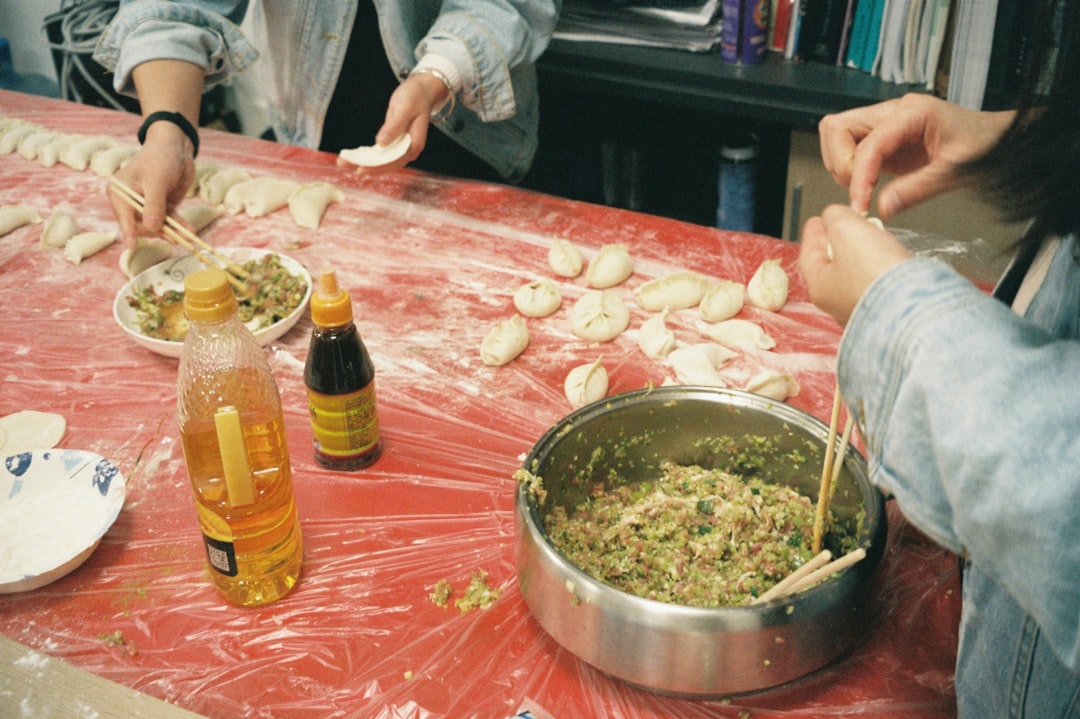
A dumpling is rarely just food. In Chinese culture, dumplings symbolize wealth and good fortune, especially during the Lunar New Year, due to their resemblance to ancient gold and silver ingots. Making and eating them together fosters family bonds, making it a cherished tradition.

The evolution of dumplings in Europe mirrored the social and economic changes over centuries. From being a peasant food to a delicacy enjoyed by all classes, dumplings’ versatility allowed them to adapt to changing times and tastes. Italy’s ravioli, Poland’s pierogi, and Russia’s pelmeni are all testaments to the dumpling’s universal appeal. Each region added its unique twist, filling them with local ingredients and flavours.

-

A woman grinding fresh cilantro and parsley in a mortar while preparing Moroccan chermoula from scratch

How to make Moroccan chermoula from scratch

21/07/2026
A chef carefully pouring chilled soups into a white bowl in a professional kitchen

This 6 chilled soups are worth making this season

17/07/2026
A man pressing flatbreads against the wall of a traditional clay oven, demonstrating the ancient craft of flatbread making.

Why flatbreads appear in every food culture on earth

16/07/2026
A spice vendor in Marrakech souk surrounded by colorful Moroccan cuisine ingredients

Moroccan cuisine: best dishes and flavors

15/07/2026
A woman carefully ladling street food pho broth into a bowl at a home kitchen counter

Street food classics from Southeast Asia

12/07/2026
A fisherman presenting a fresh catch at a coastal market, representing the seasonal freshness at the heart of coastal cuisine

Coastal cuisine lighter in midsummer

11/07/2026

Since wheat was not available everywhere, other types of flour were used for the dough, such as tapioca, rice, and sweet potato. New shapes and fillings were introduced and different types of sauces were paired with them. The dumpling adapts. That is its defining quality as a culinary form.
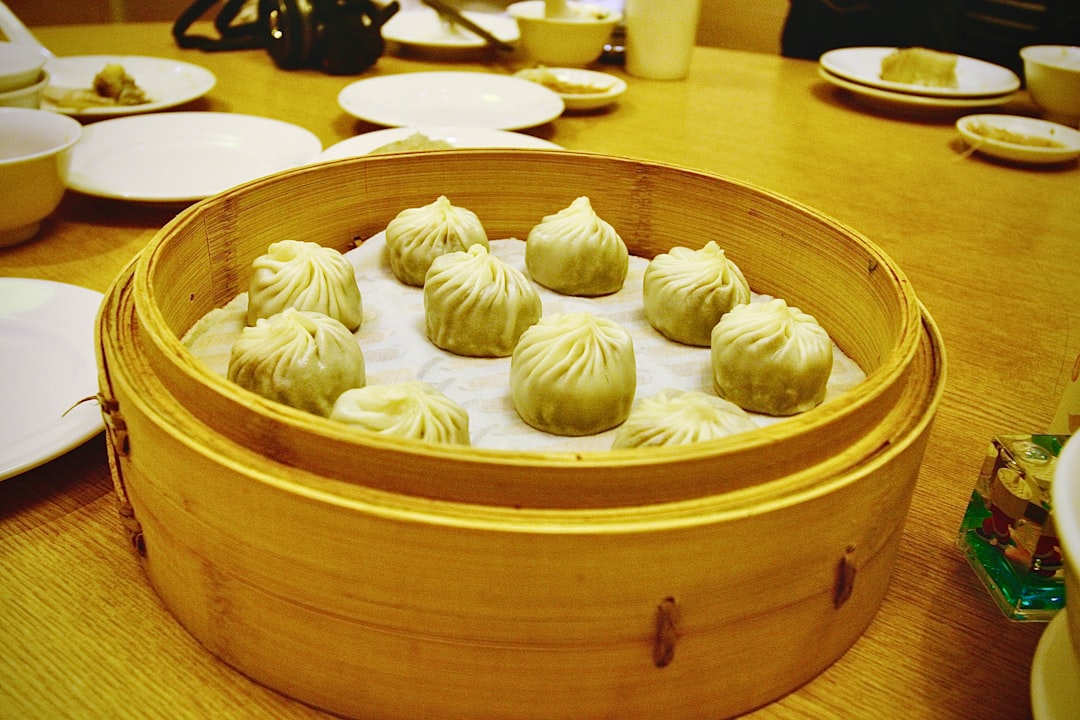
A chef lifting the lid of a bamboo steamer with dumplings, revealing the technique that gives this dish its delicate texture

An expert perspective on dumplings and living heritage

Traditional culinary practices, whether related to everyday life or to special occasions such as rituals or festive events, constitute an important part of intangible heritage throughout the world. The dumpling sits precisely at this intersection: it is a technique, a ritual object, and a social act rolled into one. The act of folding dough around a filling is passed from hand to hand, from one generation to the next, in kitchens from Chengdu to Warsaw. What makes these practices valuable is not the dish alone, but the knowledge, the gesture, and the communal memory that travel with it. Food heritage, at its most powerful, is never just about taste. It is about continuity.

Industry perspective, intangible cultural heritage and culinary traditions professionals

How technique defines identity across dumplings traditions

The method of cooking a dumpling shapes its character entirely. From hearty meat fillings to sweet fruit concoctions, there is a dumpling for every palate and occasion. Steaming, boiling, frying, or baking them unlocks endless culinary possibilities. A steamed har gow from a Cantonese dim sum kitchen demands a translucent wrapper with a precise pleated edge. A Georgian khinkali requires a thick, gathered top designed to hold hot broth inside. Each technique is inseparable from its cultural context.

Nutrition scholar Eugene Anderson suggests that some dumpling traditions moved toward the Mediterranean and others headed further east, resulting in parallel food cultures. Dumplings traveled as political boundaries shifted. They were influenced by existing culinary traditions and shaped by new ideas everywhere they went.

What distinguishes intangible cultural heritage are not dishes, but cultural practices passed down from generation to generation, many of which are related to food and drink. The dumpling, in this sense, is less a recipe and more a living archive: a record of every hand that has ever shaped it.
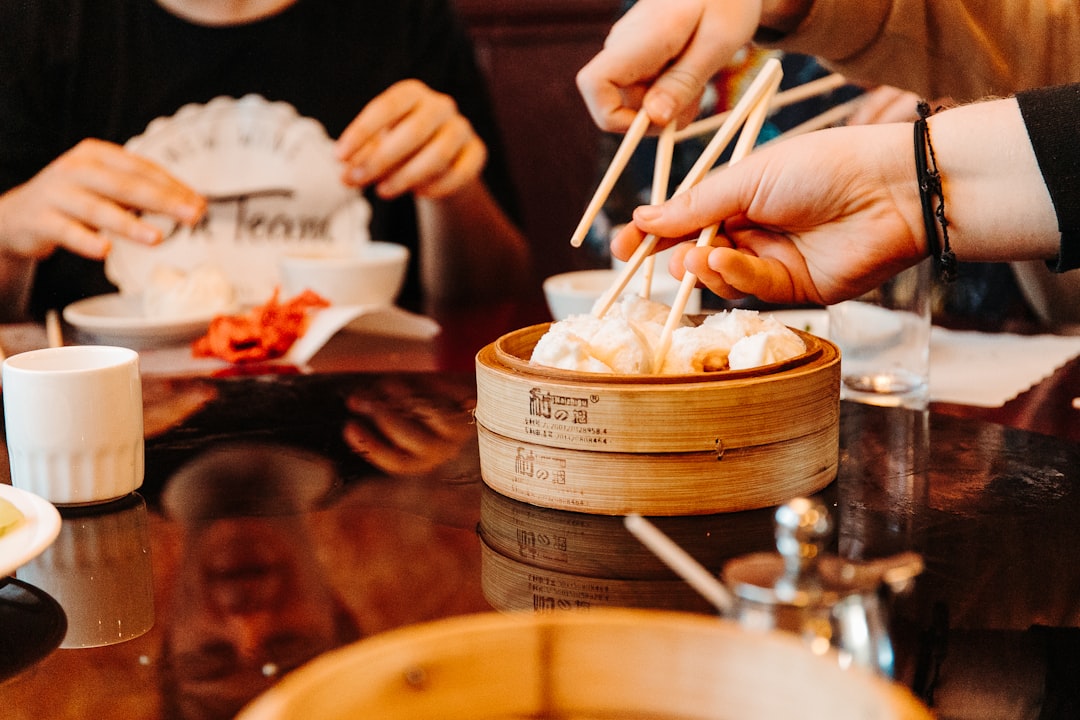
A family gathered around a table sharing a plate of dumplings, a scene that reflects the cultural tradition this dish carries

Why dumplings matter more than ever

Dumplings remind us that the most enduring culinary ideas are also the most generous. They ask only for dough, a filling, and a source of heat. Yet from those 3 elements, every culture has produced something singular and precise, something worth preserving and worth studying.

The more we look into the origin of dumplings, one thing becomes clear: food both defines and unites our cultures. In an era of rapid culinary change, dumplings remain a stable point of reference, a form that has survived trade routes, migrations, empires, and kitchens of every scale. To eat dumplings is to participate in one of the oldest continuous acts of human craft. To understand them is to understand something essential about the people who make them. GUSTOwebzine invites you to seek out the version nearest to you, sit with those who made it, and ask about every fold.

Discover more about dumplings

  • Food and Intangible Heritage: A Flavourful Relationship
  • What Can the Dumpling Tell Us About the History of the World? (University of Michigan LSA)
  • Around the World in 8 Dumplings (Michelin Guide)

[End of article body]

author avatar
Claire Beaumont
Claire Beaumont grew up in Lyon's bouchon culture, where Sunday lunches lasted three hours and every dish told a story. She trained at Institut Paul Bocuse before turning to food writing, covering classical French technique, regional produce, and Europe's evolving restaurant scene. Her work is elegant, precise, and always deeply rooted in the craft behind the plate.
See Full Bio
Previous Post

Spritz cocktails for warm summer afternoons

Next Post

Stone fruit storage tips for summer

Related Posts

A woman grinding fresh cilantro and parsley in a mortar while preparing Moroccan chermoula from scratch
Culinary Culture

How to make Moroccan chermoula from scratch

21/07/2026
A chef carefully pouring chilled soups into a white bowl in a professional kitchen
Culinary Culture

This 6 chilled soups are worth making this season

17/07/2026
A man pressing flatbreads against the wall of a traditional clay oven, demonstrating the ancient craft of flatbread making.
Culinary Culture

Why flatbreads appear in every food culture on earth

16/07/2026
A spice vendor in Marrakech souk surrounded by colorful Moroccan cuisine ingredients
Culinary Culture

Moroccan cuisine: best dishes and flavors

15/07/2026
A woman carefully ladling street food pho broth into a bowl at a home kitchen counter
Culinary Culture

Street food classics from Southeast Asia

12/07/2026
Next Post
A woman carefully arranging ripe stone fruit at a summer farmers market, selecting the best peaches and plums for storage

Stone fruit storage tips for summer

Leave a Reply Cancel reply

Your email address will not be published. Required fields are marked *

Truelang AI Translations Truelang AI Translations Truelang AI Translations
No Result
View All Result

Our Focus

GUSTOwebzine is your international window on food culture: culinary lifestyle, trends, recipes and gastronomic stories for a global audience with a passion for exceptional taste.

Our Readers

GUSTOwebzine addresses readers who engage with food culture at a high level: as culinary professionals, passionate home cooks, food entrepreneurs, and tastemakers in their communities.

Our Approach

Recipes, trends, and dining culture are integrated as context and indicators of creativity, identity, and the social forces shaping how the world eats, not standalone content.

Recent Post

  • Rooftop dining in NYC worth booking now
  • Japanese food labels: hidden gluten guide

© 2026 GUSTOwebzine by NOOR & NOOR — part of WEBZINE.world.

Welcome Back!

Login to your account below

Forgotten Password?

Retrieve your password

Please enter your username or email address to reset your password.

Log In
Manage Consent
To provide the best experiences, we use technologies like cookies to store and/or access device information. Consenting to these technologies will allow us to process data such as browsing behavior or unique IDs on this site. Not consenting or withdrawing consent, may adversely affect certain features and functions.
Functional Always active
The technical storage or access is strictly necessary for the legitimate purpose of enabling the use of a specific service explicitly requested by the subscriber or user, or for the sole purpose of carrying out the transmission of a communication over an electronic communications network.
Preferences
The technical storage or access is necessary for the legitimate purpose of storing preferences that are not requested by the subscriber or user.
Statistics
The technical storage or access that is used exclusively for statistical purposes. The technical storage or access that is used exclusively for anonymous statistical purposes. Without a subpoena, voluntary compliance on the part of your Internet Service Provider, or additional records from a third party, information stored or retrieved for this purpose alone cannot usually be used to identify you.
Marketing
The technical storage or access is required to create user profiles to send advertising, or to track the user on a website or across several websites for similar marketing purposes.
  • Manage options
  • Manage services
  • Manage {vendor_count} vendors
  • Read more about these purposes
View preferences
  • {title}
  • {title}
  • {title}
No Result
View All Result
  • Home
    • Our Authors
    • Subscribe for Free
    • Media Kit
    • Contact
    • Terms and Conditions
    • Cookie Policy
  • Discoveries
    • Chefs
  • Culinary Culture
  • Food & Drinks
  • Cooking Tips
    • Recipes
  • GUSTO Global
  • Insights
  • GUSTO Guide
    • Hotels Worldwide
    • Nightlife Worlwide
    • Restaurants Worldwide
    • Services Worldwide

© 2026 GUSTOwebzine by NOOR & NOOR — part of WEBZINE.world.

Not enough quota to unlock this post
Unlock left : 0
Are you sure want to cancel subscription?
Verified by MonsterInsights
enEnglishdeDeutschesEspañolfrFrançaisitItalianoja日本語nlNederlandszh中文
No results