
CONTACT
  • Login
Upgrade
GUSTOwebzine
Advertisement
  • Home
    • Our Authors
    • Subscribe for Free
    • Media Kit
    • Contact
    • Terms and Conditions
    • Cookie Policy
  • Discoveries
    • Chefs
  • Culinary Culture
  • Food & Drinks
  • Cooking Tips
    • Recipes
  • GUSTO Global
  • Insights
  • GUSTO Guide
    • Hotels Worldwide
    • Nightlife Worlwide
    • Restaurants Worldwide
    • Services Worldwide
  • Home
    • Our Authors
    • Subscribe for Free
    • Media Kit
    • Contact
    • Terms and Conditions
    • Cookie Policy
  • Discoveries
    • Chefs
  • Culinary Culture
  • Food & Drinks
  • Cooking Tips
    • Recipes
  • GUSTO Global
  • Insights
  • GUSTO Guide
    • Hotels Worldwide
    • Nightlife Worlwide
    • Restaurants Worldwide
    • Services Worldwide
No Result
View All Result
GUSTOwebzine
No Result
View All Result
Home Home Cooking Tips

Stone fruit storage tips for summer

Master the art of keeping peaches, plums, and apricots at their peak when temperatures rise.

A woman carefully arranging ripe stone fruit at a summer farmers market, selecting the best peaches and plums for storage

Stone fruit carries the full weight of summer in its flesh, and its short season demands a philosophy as much as a technique.

Why stone fruit spoils so fast

Stone fruits, also known as drupes, include apricots, peaches, plums, cherries, and nectarines. They are soft fruits, susceptible to postharvest issues, and postharvest loss can reach 15 to 50 percent. That is a remarkable number. It tells us that nearly half of all stone fruit harvested may never reach a plate in good condition.

All stone fruit, including apricots, plums, and their hybrids, are climacteric, which means they continue to ripen after picking. Summer heat accelerates every stage of that process. Excessive heat causes many types of fruit to ripen, and sometimes spoil, more quickly. Understanding this biology is the first act of respect toward the fruit.

GUSTO guide worldwide restaurants, hotels, nightlife, professional services GUSTO guide worldwide restaurants, hotels, nightlife, professional services GUSTO guide worldwide restaurants, hotels, nightlife, professional services

Stone fruits release ethylene during their ripening process. Airtight plastic bags trap this ethylene, suffocating the fruit and leading to built-up moisture that contributes to spoilage. Containment, then, is not always protection. Sometimes it is harm in disguise.

The correct way to store unripe stone fruit

Most stone fruit arrives at the market firm and not yet ready to eat. The temptation is to refrigerate immediately. Resist it. Studies have shown that stone fruits are prone to low temperature disorders, a term scientists use to describe internal and external injuries that produce goes through when exposed to cool temperatures. In stone fruits, symptoms include a mealy texture, loss of juiciness or flavor, and internal browning.

Instead, store stone fruit at room temperature, away from sunlight and heat, until the fruit gives softly to the touch and has a sweet aroma. Position matters too. Store stone fruit unwashed and stem-side down in a single layer at room temperature until fully ripe, placing a soft, clean kitchen towel underneath to prevent bruising.

To ripen apricots, nectarines, peaches, and plums more quickly, place them in a paper bag, then move them to the fridge where they will last a few more days. This is a precise, two-stage process. Each stage has a distinct purpose.

Managing ethylene and separation

Some fruits give off ethylene gas, which can speed the ripening process of other produce. Apples, avocados, bananas, kiwi, peaches, pears, and tomatoes are among the top ethylene-producing produce. Keeping stone fruit near any of these items during warm weather invites rapid overripening.

It is best to store different types of stone fruit separately, as they may ripen at different rates and release ethylene gas, which can cause other fruits to ripen faster. Precision here is not fussiness. It is the discipline that separates good kitchens from careless ones.

When purchasing large quantities of stone fruit, placing some in a paper bag and leaving others in the open air at room temperature ensures they do not all ripen at once. This staggered approach reflects an older, quieter wisdom: do not rush what is already moving at its own pace.


A chef examining stone fruit on a kitchen counter, checking ripeness before deciding on the correct storage method

Expert perspective on postharvest innovation

Stone fruits are biologically active long after they leave the tree, and every decision made in the kitchen either supports or disrupts that biology. Heat is the enemy of texture and flavor because it accelerates respiration, the process by which fruit consumes its own sugars and aromatic compounds. Professionals who work with postharvest quality know that the single most powerful home intervention is temperature management, not additives, not coatings, not clever packaging. Research published in 2025 confirms that edible coatings can significantly extend shelf life at the commercial level, but at home, understanding ripening stages and acting before the peak, not after, is the discipline that protects quality. The fruit does not wait for you. You must read it.

Industry perspective, postharvest food science and fruit quality professionals

What to do when stone fruit reaches peak ripeness

Ripe stone fruit is best eaten right away. However, once ripe, stone fruit will keep for 3 to 5 days in a sealed bag or container in the fridge. The key is timing. Move the fruit at the exact moment of peak ripeness, not before, not after.

Cherries can lose more quality in 1 hour at room temperature than in a full day in the refrigerator. Cherries are the exception in this family. They require cold from the start. Avoid washing cherries until you are ready to eat them, as moisture absorbed where the stem meets the fruit can lead to splits or spoilage.

For all other stone fruit, once ripe, store them in a breathable container or perforated bag in the crisper drawer of the fridge, so the chill slows the ripening process and extends shelf life. Remove them from cold storage 20 to 30 minutes before eating. Flavor and aroma return as the fruit warms.
-

A woman applies a thin layer of oil to a cast iron pan during the cast iron seasoning process in a home kitchen.

Cast iron seasoning: the complete guide

19/07/2026
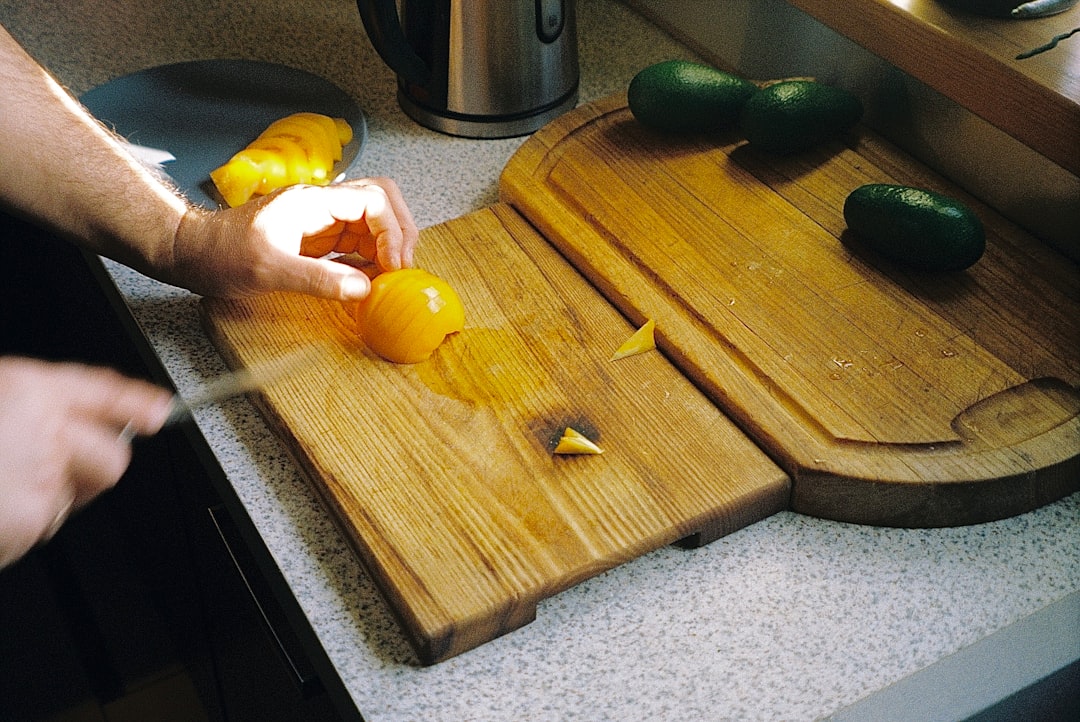
A chef demonstrating knife skills while slicing fresh summer tomatoes on a wooden cutting board

Knife skills for summer produce prep

13/07/2026
A chef holds tongs over an open flame while charring summer peppers on a gas stovetop in a professional kitchen.

Summer peppers: char, peel, and use them

08/07/2026
A woman carefully assembling a cold noodle bowl with fresh vegetables and sesame dressing on a bright kitchen counter

Cold noodle bowl for hot summer days

03/07/2026
A woman scooping a bowl of homemade ice cream from a metal loaf pan in a bright kitchen

Homemade ice cream without a machine

28/06/2026
A chef carefully monitoring grill vegetables over high heat to achieve a smoky, charred finish

Grill vegetables for smoky, charred flavor

12/06/2026

A person slicing ripe stone fruit and placing pieces into freezer bags for long-term preservation at home

Preservation options when stone fruit is too abundant

Summer abundance is a gift that demands a plan. You can slice stone fruit and dry it in a food dehydrator or an oven on its lowest setting. Dried fruits work well as snacks or in baked goods. If you slice and remove their pits, stone fruit stores well in the freezer and can later be used in smoothies and baked goods.

Organic acids such as citric acid and ascorbic acid enhance the quality and storage life of stone fruits. Citric acid is a safe food additive that retards bacterial and fungal growth and boosts disease resistance. It effectively limits browning and fruit diseases by minimizing postharvest respiration. A light squeeze of lemon juice over cut fruit before freezing applies this principle directly in your kitchen.

Excess moisture promotes the growth of mold and bacteria, leading to spoilage. Therefore, always dry stone fruit thoroughly before placing it in any storage container or freezer bag. Moisture is the quiet accelerant of decay.

Conclusion: honor stone fruit with attention

Stone fruit asks only for attention. The home cook who understands ripening stages, manages ethylene exposure, and times the move from counter to cold storage will lose almost nothing to spoilage. Apply these stone fruit principles every summer, and the season becomes longer, richer, and far less wasteful. Stone fruit is fleeting by nature. Your job is to slow time just enough to enjoy every last piece of it. Start today, with the fruit already sitting on your counter, and let precision become a form of reverence.

Discover more about stone fruit

  • Preservation of Stone Fruits by Spray Application of Edible Coatings, USDA National Agricultural Library
  • Emerging Trends in Edible Coating for Postharvest Management in Stone Fruits, PMC Comprehensive Reviews in Food Science (2025)
  • Should You Refrigerate Stone Fruit?, Food Republic

author avatar
Kenji Nakamura
Kenji Nakamura was born into a family of ramen makers in Osaka and moved to Tokyo to study food science at Waseda University. He writes about Japan's extraordinary culinary precision, from three-Michelin-star kaiseki temples to the perfect bowl of tonkotsu at a standing bar. His work bridges ancient Japanese food philosophy with the city's relentless culinary innovation.
See Full Bio
Previous Post

Dumplings: a world of culinary tradition

Next Post

Famous Food Festival drinks guide

Related Posts

A woman applies a thin layer of oil to a cast iron pan during the cast iron seasoning process in a home kitchen.
Home Cooking Tips

Cast iron seasoning: the complete guide

19/07/2026
A chef demonstrating knife skills while slicing fresh summer tomatoes on a wooden cutting board
Home Cooking Tips

Knife skills for summer produce prep

13/07/2026
A chef holds tongs over an open flame while charring summer peppers on a gas stovetop in a professional kitchen.
Home Cooking Tips

Summer peppers: char, peel, and use them

08/07/2026
A woman carefully assembling a cold noodle bowl with fresh vegetables and sesame dressing on a bright kitchen counter
Home Cooking Tips

Cold noodle bowl for hot summer days

03/07/2026
A woman scooping a bowl of homemade ice cream from a metal loaf pan in a bright kitchen
Home Cooking Tips

Homemade ice cream without a machine

28/06/2026
Next Post
A bartender serves a premium spirit sample at the Food Festival, surrounded by enthusiastic visitors at an outdoor event.

Famous Food Festival drinks guide

Leave a Reply Cancel reply

Your email address will not be published. Required fields are marked *

Truelang AI Translations Truelang AI Translations Truelang AI Translations
No Result
View All Result

Our Focus

GUSTOwebzine is your international window on food culture: culinary lifestyle, trends, recipes and gastronomic stories for a global audience with a passion for exceptional taste.

Our Readers

GUSTOwebzine addresses readers who engage with food culture at a high level: as culinary professionals, passionate home cooks, food entrepreneurs, and tastemakers in their communities.

Our Approach

Recipes, trends, and dining culture are integrated as context and indicators of creativity, identity, and the social forces shaping how the world eats, not standalone content.

Recent Post

  • Rooftop dining in NYC worth booking now
  • Japanese food labels: hidden gluten guide

© 2026 GUSTOwebzine by NOOR & NOOR — part of WEBZINE.world.

Welcome Back!

Login to your account below

Forgotten Password?

Retrieve your password

Please enter your username or email address to reset your password.

Log In
Manage Consent
To provide the best experiences, we use technologies like cookies to store and/or access device information. Consenting to these technologies will allow us to process data such as browsing behavior or unique IDs on this site. Not consenting or withdrawing consent, may adversely affect certain features and functions.
Functional Always active
The technical storage or access is strictly necessary for the legitimate purpose of enabling the use of a specific service explicitly requested by the subscriber or user, or for the sole purpose of carrying out the transmission of a communication over an electronic communications network.
Preferences
The technical storage or access is necessary for the legitimate purpose of storing preferences that are not requested by the subscriber or user.
Statistics
The technical storage or access that is used exclusively for statistical purposes. The technical storage or access that is used exclusively for anonymous statistical purposes. Without a subpoena, voluntary compliance on the part of your Internet Service Provider, or additional records from a third party, information stored or retrieved for this purpose alone cannot usually be used to identify you.
Marketing
The technical storage or access is required to create user profiles to send advertising, or to track the user on a website or across several websites for similar marketing purposes.
  • Manage options
  • Manage services
  • Manage {vendor_count} vendors
  • Read more about these purposes
View preferences
  • {title}
  • {title}
  • {title}
No Result
View All Result
  • Home
    • Our Authors
    • Subscribe for Free
    • Media Kit
    • Contact
    • Terms and Conditions
    • Cookie Policy
  • Discoveries
    • Chefs
  • Culinary Culture
  • Food & Drinks
  • Cooking Tips
    • Recipes
  • GUSTO Global
  • Insights
  • GUSTO Guide
    • Hotels Worldwide
    • Nightlife Worlwide
    • Restaurants Worldwide
    • Services Worldwide

© 2026 GUSTOwebzine by NOOR & NOOR — part of WEBZINE.world.

Not enough quota to unlock this post
Unlock left : 0
Are you sure want to cancel subscription?
Verified by MonsterInsights
enEnglishdeDeutschesEspañolfrFrançaisitItalianoja日本語nlNederlandszh中文
No results