
CONTACT
  • Login
Upgrade
GUSTOwebzine
Advertisement
  • Home
    • Our Authors
    • Subscribe for Free
    • Media Kit
    • Contact
    • Terms and Conditions
    • Cookie Policy
  • Discoveries
    • Chefs
  • Culinary Culture
  • Food & Drinks
  • Cooking Tips
    • Recipes
  • GUSTO Global
  • Insights
  • GUSTO Guide
    • Hotels Worldwide
    • Nightlife Worlwide
    • Restaurants Worldwide
    • Services Worldwide
  • Home
    • Our Authors
    • Subscribe for Free
    • Media Kit
    • Contact
    • Terms and Conditions
    • Cookie Policy
  • Discoveries
    • Chefs
  • Culinary Culture
  • Food & Drinks
  • Cooking Tips
    • Recipes
  • GUSTO Global
  • Insights
  • GUSTO Guide
    • Hotels Worldwide
    • Nightlife Worlwide
    • Restaurants Worldwide
    • Services Worldwide
No Result
View All Result
GUSTOwebzine
No Result
View All Result
Home Culinary Culture

Coastal cuisine lighter in midsummer

From Japan to the Mediterranean, coastal cultures share one quiet conviction: summer calls for plates that honor the sea without burdening the table.

A fisherman presenting a fresh catch at a coastal market, representing the seasonal freshness at the heart of coastal cuisine

Coastal cuisine reaches its most honest expression not in winter stews or autumn braises, but in the lean, luminous plates of midsummer, when skilled cooks the world over step back from the flame and let the sea speak for itself.

The logic of lightness at the height of summer

Every professional kitchen understands that technique must serve the ingredient, not overpower it. In midsummer, the sourcing of ingredients close to the coastline means fresher seafood, seasonal catches, and flavors that echo the environment. That proximity removes the need for heavy sauces or long preparations. The cook’s role becomes one of restraint: to protect what the sea has already perfected.

Coastal cuisine embodies more than a regional diet. It represents a culinary tradition shaped by the proximity and bounty of the sea, with vibrant flavors that come from direct access to fresh seafood, the distinct tang of sea salt, and the nutrient-rich profiles of various seaweeds. These are not incidental qualities. They are the raw material from which all good coastal cooking begins.

GUSTO guide worldwide restaurants, hotels, nightlife, professional services GUSTO guide worldwide restaurants, hotels, nightlife, professional services GUSTO guide worldwide restaurants, hotels, nightlife, professional services

From bountiful autumn harvests to light, refreshing summer dishes, seasonal food traditions offer a unique glimpse into the harmony between nature and culture. These traditions are deeply rooted in the local environment, history, and agricultural cycles, shaping not just diets but also the customs and identities of communities.

How the Mediterranean table simplifies in summer

The Mediterranean is perhaps the most studied example of coastal cuisine responding to season. The Mediterranean diet is rooted in the cycles of land and sea. In summer, meals lean into the ripeness of sun-warmed vegetables like zucchini, eggplant, and heirloom tomatoes, and fresh seafood is a highlight in coastal regions, where its quality and abundance are central to local gastronomy.

Eating seasonally offers clear benefits: foods are at their peak in terms of flavor and nutrition, and honoring the season’s bounty also helps support local communities and farmers who promote sustainable food production. Around the Mediterranean, this is not a modern insight. It is a principle that fishermen and their families have practiced for generations.

The no-cook philosophy extends to the table itself. A caprese salad composed of tomatoes, fresh mozzarella, basil, and extra-virgin olive oil is a perfect example of a no-cook Mediterranean dish. Behind its apparent simplicity stands a precise understanding of quality: only produce at its peak can carry a dish with so few components.

Japan and the discipline of shun

Japan approaches the same idea through the concept of shun, the brief moment when an ingredient is at its most flavorful and nutritious. In Japan, eating seasonally is not just a food trend. It is a cultural philosophy embedded in everyday life. Japanese cuisine, known as washoku, was registered as a UNESCO Intangible Cultural Heritage in 2013, with one defining characteristic being the use of fresh seasonal ingredients and the expression of the beauty of nature at the table.

Japan is an island nation surrounded by the sea, and fishing is woven deeply into its traditions, culture, and cuisine. In summer, this translates to very specific seasonal preparations. The sea bass known as suzuki, a popular fish found in Japanese coastal waters, is typically in season during summer, from June to August. It has a mild, delicate flavor and tender flesh.

Sashimi is perhaps the purest expression of Japanese seafood. Thinly sliced raw fish is served without rice, allowing the natural flavor and texture to shine. This is a technique that demands the absolute highest standard of freshness. Without it, the dish does not exist.
-

A woman grinding fresh cilantro and parsley in a mortar while preparing Moroccan chermoula from scratch

How to make Moroccan chermoula from scratch

21/07/2026
A chef carefully pouring chilled soups into a white bowl in a professional kitchen

This 6 chilled soups are worth making this season

17/07/2026
A man pressing flatbreads against the wall of a traditional clay oven, demonstrating the ancient craft of flatbread making.

Why flatbreads appear in every food culture on earth

16/07/2026
A spice vendor in Marrakech souk surrounded by colorful Moroccan cuisine ingredients

Moroccan cuisine: best dishes and flavors

15/07/2026
A woman carefully ladling street food pho broth into a bowl at a home kitchen counter

Street food classics from Southeast Asia

12/07/2026
A professional chef stirs a deep pot of Neapolitan ragù over a low flame in a traditional kitchen

Neapolitan ragù: the classic slow recipe

07/07/2026

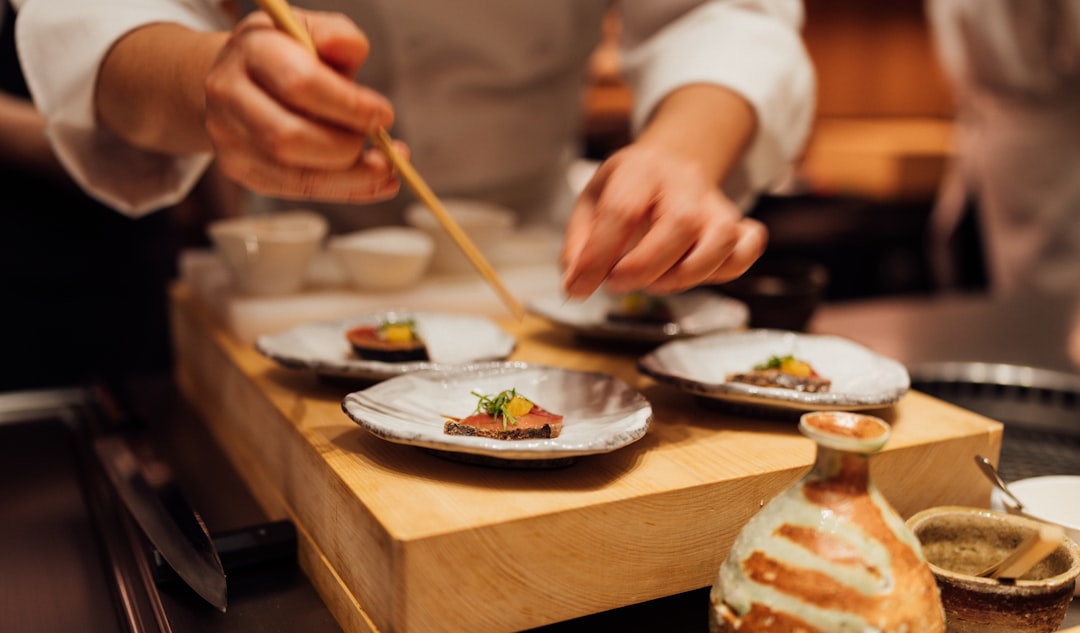
A Japanese chef carefully slicing fresh fish, a defining moment in coastal cuisine culture

Expert perspective on coastal food culture

Coastal regions have always been crossroads of culinary exchange, where trade routes and migration introduced new ingredients that gradually integrated into local palates. Over time, this produced food cultures defined by adaptability and a wide range of influences. What makes midsummer unique along any coast is that the abundance of fresh catch and produce removes the need for complexity. The cook’s skill shifts from transformation to selection: choosing the right fish on the right day, at the right hour. That discipline is the foundation of every great coastal kitchen, whether in Marseille, Osaka, or a small fishing town on the Adriatic. Sustainability now shapes that selection more than ever. Communities that fish responsibly and eat seasonally are, in effect, protecting the very culture they inherit.

Industry perspective, culinary culture and coastal food traditions professionals

How Nordic and Southern Hemisphere coasts follow the same pattern

The same instinct toward freshness and restraint appears far from the Mediterranean and the Pacific. In the Mediterranean, olives, wine, and seafood define coastal cuisine, while in Nordic countries, smoked salmon and herring preserve ancient traditions. Each culture reaches the same conclusion through different methods: in summer, the catch itself is the event.

In Australia, where December marks the height of summer, Christmas dinners make use of the outside barbecue rather than roasting ovens, and barbecued shrimp is often on the menu, alongside pavlova topped with fresh berries and cream. It is a fresher and lighter meal, suited to the beach. The departure from the northern European roast tradition is deliberate, a seasonal correction that coastal geography demands.

Coastal regions have historically been crossroads of culinary exchange, where trade routes and migration introduced new ingredients that gradually integrated into local palates. Over time, this exchange produced food cultures defined by adaptability and exposure to a wide range of influences. Midsummer simply accelerates that adaptability, pushing every coastal table toward its lightest, most honest form.
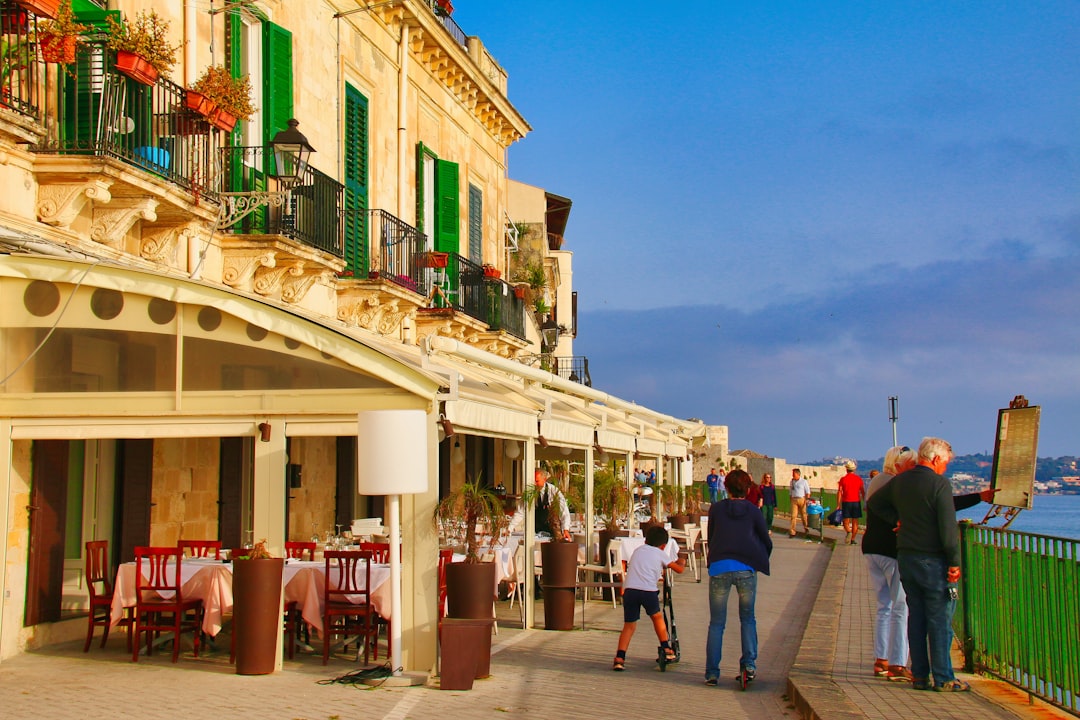

A family sharing a light seafood meal on a coastal terrace, celebrating the summer traditions of coastal cuisine

Coastal cuisine at its most essential

Seafood is often lighter, easier to digest, and lower in saturated fat than red meat, and in midsummer this quality aligns perfectly with the body’s natural preference for food that does not compete with the heat. Coastal cuisine, in every region examined here, honors that alignment. It is not a trend. It is the accumulated wisdom of communities that have eaten beside the sea for centuries.

The craft is in knowing when to stop. A great chef working along any coastline in July understands that the most sophisticated gesture is often the simplest plate: one perfect fish, one ripe tomato, one clean knife. Coastal cuisine in midsummer earns its reputation not through elaboration but through the courage to do less. Return to that principle, and the sea will always provide a meal worth remembering.

Discover more about coastal cuisine

  • FAO State of Mediterranean and Black Sea Fisheries 2025 (SoMFi)
  • Mediterranean Diet: UNESCO Intangible Cultural Heritage and FAO Promotion
  • How Coastal Living Influences Modern Food and Beverage Trends (Sarasota Magazine, 2026)

author avatar
Claire Beaumont
Claire Beaumont grew up in Lyon's bouchon culture, where Sunday lunches lasted three hours and every dish told a story. She trained at Institut Paul Bocuse before turning to food writing, covering classical French technique, regional produce, and Europe's evolving restaurant scene. Her work is elegant, precise, and always deeply rooted in the craft behind the plate.
See Full Bio
Previous Post

Private members clubs in Singapore

Next Post

Milk bread Tokyo: 6 bakeries worth the detour

Related Posts

A woman grinding fresh cilantro and parsley in a mortar while preparing Moroccan chermoula from scratch
Culinary Culture

How to make Moroccan chermoula from scratch

21/07/2026
A chef carefully pouring chilled soups into a white bowl in a professional kitchen
Culinary Culture

This 6 chilled soups are worth making this season

17/07/2026
A man pressing flatbreads against the wall of a traditional clay oven, demonstrating the ancient craft of flatbread making.
Culinary Culture

Why flatbreads appear in every food culture on earth

16/07/2026
A spice vendor in Marrakech souk surrounded by colorful Moroccan cuisine ingredients
Culinary Culture

Moroccan cuisine: best dishes and flavors

15/07/2026
A woman carefully ladling street food pho broth into a bowl at a home kitchen counter
Culinary Culture

Street food classics from Southeast Asia

12/07/2026
Next Post
Baker presses a round metal cookie cutter into dough balls on a white countertop, with a rolling pin and two trays of bread buns nearby.

Milk bread Tokyo: 6 bakeries worth the detour

Leave a Reply Cancel reply

Your email address will not be published. Required fields are marked *

Truelang AI Translations Truelang AI Translations Truelang AI Translations
No Result
View All Result

Our Focus

GUSTOwebzine is your international window on food culture: culinary lifestyle, trends, recipes and gastronomic stories for a global audience with a passion for exceptional taste.

Our Readers

GUSTOwebzine addresses readers who engage with food culture at a high level: as culinary professionals, passionate home cooks, food entrepreneurs, and tastemakers in their communities.

Our Approach

Recipes, trends, and dining culture are integrated as context and indicators of creativity, identity, and the social forces shaping how the world eats, not standalone content.

Recent Post

  • Rooftop dining in NYC worth booking now
  • Japanese food labels: hidden gluten guide

© 2026 GUSTOwebzine by NOOR & NOOR — part of WEBZINE.world.

Welcome Back!

Login to your account below

Forgotten Password?

Retrieve your password

Please enter your username or email address to reset your password.

Log In
Manage Consent
To provide the best experiences, we use technologies like cookies to store and/or access device information. Consenting to these technologies will allow us to process data such as browsing behavior or unique IDs on this site. Not consenting or withdrawing consent, may adversely affect certain features and functions.
Functional Always active
The technical storage or access is strictly necessary for the legitimate purpose of enabling the use of a specific service explicitly requested by the subscriber or user, or for the sole purpose of carrying out the transmission of a communication over an electronic communications network.
Preferences
The technical storage or access is necessary for the legitimate purpose of storing preferences that are not requested by the subscriber or user.
Statistics
The technical storage or access that is used exclusively for statistical purposes. The technical storage or access that is used exclusively for anonymous statistical purposes. Without a subpoena, voluntary compliance on the part of your Internet Service Provider, or additional records from a third party, information stored or retrieved for this purpose alone cannot usually be used to identify you.
Marketing
The technical storage or access is required to create user profiles to send advertising, or to track the user on a website or across several websites for similar marketing purposes.
  • Manage options
  • Manage services
  • Manage {vendor_count} vendors
  • Read more about these purposes
View preferences
  • {title}
  • {title}
  • {title}
No Result
View All Result
  • Home
    • Our Authors
    • Subscribe for Free
    • Media Kit
    • Contact
    • Terms and Conditions
    • Cookie Policy
  • Discoveries
    • Chefs
  • Culinary Culture
  • Food & Drinks
  • Cooking Tips
    • Recipes
  • GUSTO Global
  • Insights
  • GUSTO Guide
    • Hotels Worldwide
    • Nightlife Worlwide
    • Restaurants Worldwide
    • Services Worldwide

© 2026 GUSTOwebzine by NOOR & NOOR — part of WEBZINE.world.

Not enough quota to unlock this post
Unlock left : 0
Are you sure want to cancel subscription?
Verified by MonsterInsights
enEnglishdeDeutschesEspañolfrFrançaisitItalianoja日本語nlNederlandszh中文
No results