The world of cooking holds countless secrets shared by professional chefs daily. These culinary facts reveal techniques that transform ordinary meals into extraordinary experiences. Moreover, understanding these insights helps home cooks elevate their kitchen skills significantly.
Essential Cooking Techniques Every Home Chef Should Master
Professional chefs emphasize the importance of knife skills above all else. Sharp knives make food preparation safer and more efficient. Additionally, proper cutting techniques preserve ingredient flavors and textures.

1. Salt should be added throughout cooking, not just at the end.
2. Room temperature ingredients blend more easily than cold ones.
3. Sharp knives are safer than dull blades for precise cutting.
4. Resting meat after cooking redistributes juices for better flavor.
5. High-quality olive oil should be added after cooking, not during.
Furthermore, these foundational techniques separate amateur from professional results. Professional chefs emphasize consistency in every preparation step. Therefore, mastering basics creates exceptional outcomes.
6. Cast iron pans require seasoning to develop non-stick surfaces.
7. Acidic ingredients like lemon brighten heavy, rich dishes instantly.
8. Searing meat creates flavor through the Maillard reaction process.
9. Fresh herbs should be added at the end of cooking.
10. Tasting food constantly during preparation ensures proper seasoning.
Food Science Principles from Professional Kitchens
11. Proteins denature at 140°F (60°C), changing texture permanently during cooking.
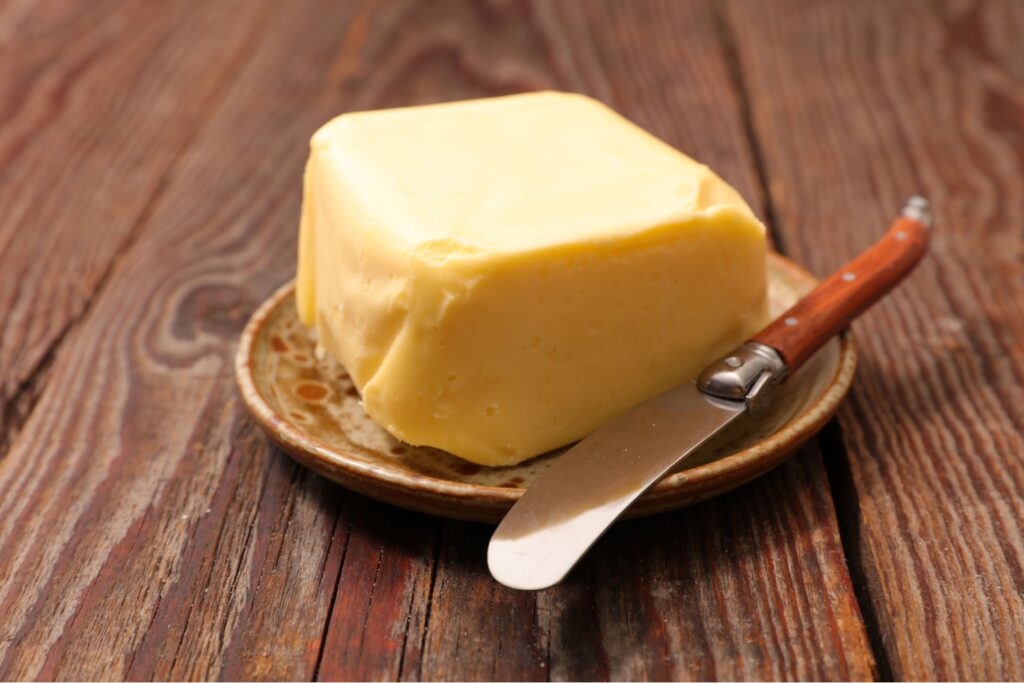
12. Butter contains 80% fat, which carries flavors better than oils.
13. Baking soda needs acid to activate its leavening properties.
14. Gluten develops when flour and water are mixed together.
15. Eggs emulsify mixtures, binding oil and water-based ingredients.
Indeed, understanding food chemistry prevents common cooking mistakes. Temperature control determines final dish textures and flavors. Consequently, chefs use thermometers for precision cooking.
16. Sugar caramelizes at 320°F (160°C), creating complex sweet flavors naturally.
17. Salt enhances sweetness in desserts when used sparingly.
18. Starches thicken sauces by absorbing liquid during heating.
19. Alcohol evaporates at 173°F (78°C), leaving concentrated flavors behind.
20. Browning vegetables develops natural sugars through caramelization.
Global Culinary Wisdom and Traditional Techniques
21. French mise en place means preparing all ingredients before cooking.
22. Italian pasta water should taste like the ocean.
23. Japanese chefs use kombu for natural umami depth.
24. Thai cuisine balances sweet, sour, salty, and spicy.
25. Indian spices bloom in hot oil to release essential oils.
Additionally, these cultural traditions offer time-tested cooking methods. Each cuisine developed techniques suited to available ingredients. Meanwhile, modern chefs blend global approaches creatively.
26. Mexican cuisine uses dried chiles for complex heat layers.
27. Chinese wok cooking requires extremely high heat temperatures.
28. Middle Eastern cooking often combines sweet and savory elements.
29. Spanish paella develops socarrat, the crispy bottom layer.
30. Korean fermentation creates depth in kimchi and other dishes.
Professional Chef Kitchen Transformation
Thomas Rodriguez, Head Chef, Culinary Institute Barcelona
“Our students struggled with basic knife skills and timing issues. We implemented daily practice sessions and standardized cooking procedures. Each class now follows structured technique development programs.
Student confidence improved dramatically within six weeks of training. Graduation rates increased by 52% after curriculum changes. Our 2026 graduates secured positions in top restaurants worldwide.”
Uruguayan Asado: Grill & Mate Culture
Uruguayan asado brings people together through slow-grilled meat and mate tea. Discover South American grill traditions and social rituals.
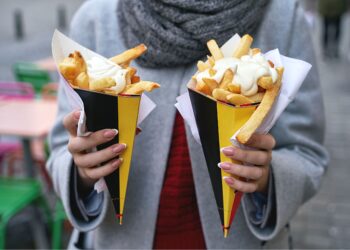
Belgian Fries: Best Potato Varieties
Belgian fries demand the right potatoes for that perfect crispy exterior and fluffy interior. Therefore, choosing the correct variety makes...

April Fools: Fish, Food & Fun Origins
April Fools has a secret and it smells like the sea. Every year on April 1, millions of people worldwide...

Beer Workshop Success in 7 Simple Steps
Planning a Beer Workshop combines two popular passions into one memorable event. Additionally, pairing craft brews with live music creates...

Advanced Cooking Methods and Modern Innovations
31. Sous vide cooking maintains precise temperatures for perfect doneness.
32. Smoking food adds depth without overwhelming natural flavors.
33. Fermentation preserves food while developing complex taste profiles.
34. Dehydrating concentrates flavors and creates unique textures.
35. Pressure cooking reduces preparation time while retaining nutrients.
For instance, modern equipment expands traditional cooking possibilities. Technology allows home chefs to achieve restaurant-quality results. Thus, innovation meets tradition in contemporary kitchens.
36. Immersion blenders create silky smooth soups and sauces.
37. Mandoline slicers ensure uniform vegetable thickness for even cooking.
38. Digital scales provide accuracy for consistent baking results.
39. Instant-read thermometers prevent overcooking expensive proteins.
40. Food processors reduce prep time significantly for busy cooks.
Ingredient Selection and Sustainable Practices
41. Seasonal produce tastes better and costs less money.
42. Frozen vegetables retain nutrients better than old fresh ones.
43. Grass-fed beef contains more omega-3 fatty acids naturally.
44. Local sourcing reduces carbon footprint and supports community farmers.
45. Organic ingredients avoid synthetic pesticides and chemical fertilizers.
Moreover, conscious ingredient choices benefit health and environment equally. Sustainable cooking reduces waste while improving food quality. Therefore, chefs increasingly prioritize ethical sourcing practices.
46. Food waste can become flavorful stocks and broths.
47. Vegetable peels contain concentrated nutrients and fiber.
48. Proper storage extends ingredient freshness significantly longer.
49. Composting returns nutrients to soil for future crops.
50. Plant-based proteins reduce environmental impact compared to meat.
Recommended Resources for Continued Learning
Professional Chef Organizations:
- World Association of Chefs Societies – Global culinary education and certification programs
- James Beard Foundation – American culinary excellence and chef development resources
- Institute of Culinary Education – Professional training programs in major cities worldwide
Food Science Education:
- Serious Eats – Science-based cooking techniques and tested recipes
- ChefSteps – Modern cooking methods and precision technique tutorials
- America’s Test Kitchen – Equipment reviews and reliable cooking methods