

What Makes Winter Vegetable Storage Different?
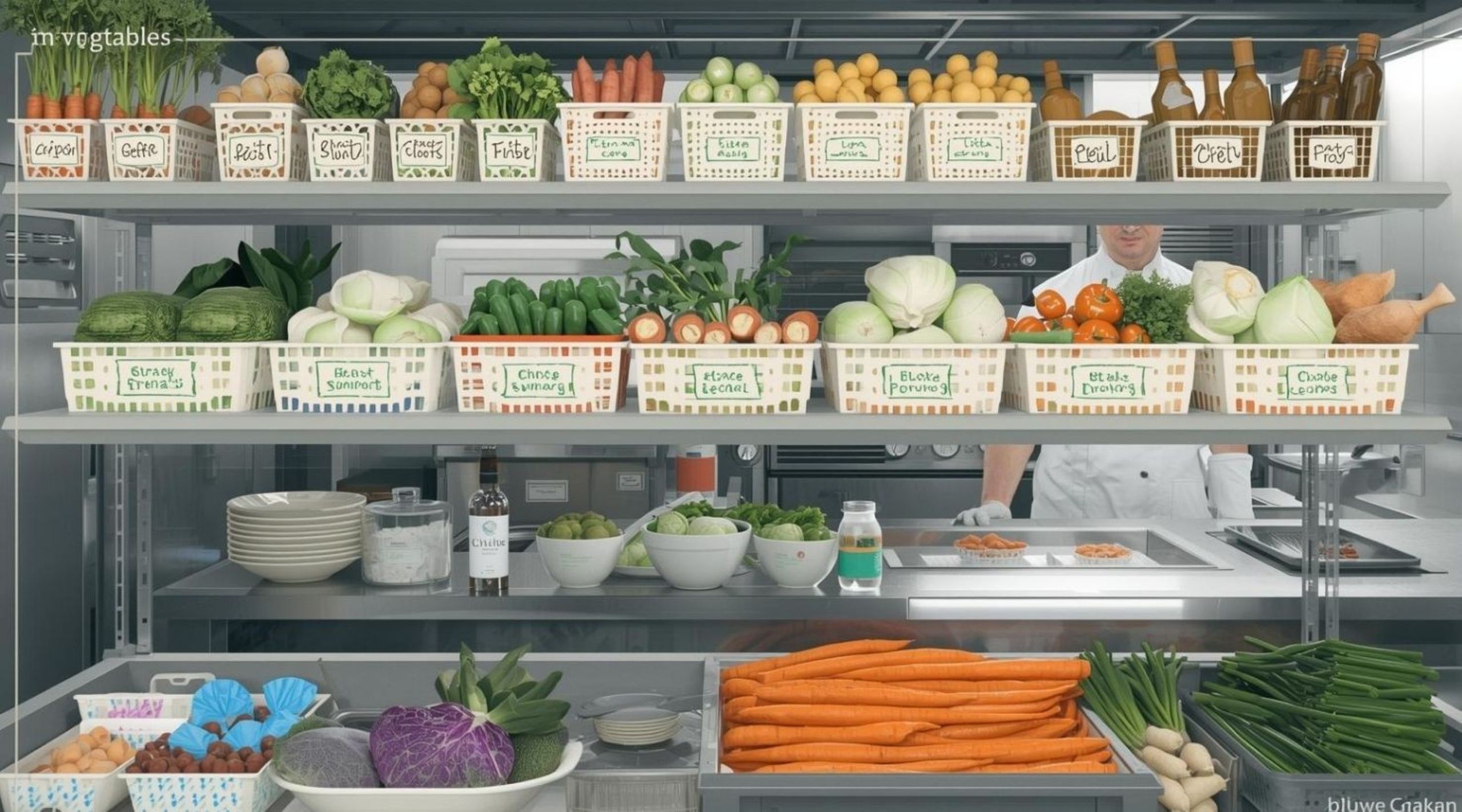
Winter vegetables require different handling than summer produce varieties. Consequently, root vegetables and brassicas tolerate cold storage better. Professional chefs recognize these seasonal differences affect storage methods.
Additionally, winter produce contains less water content generally. Therefore, proper humidity levels prevent drying or rotting issues. Moreover, certain vegetables actually improve flavor after cold exposure.

Cold storage activates natural sugars in root vegetables. For instance, carrots and parsnips taste sweeter after frost. Thus, understanding biochemical changes optimizes storage timing strategically.
Which Vegetables Store Best Through Winter Months?
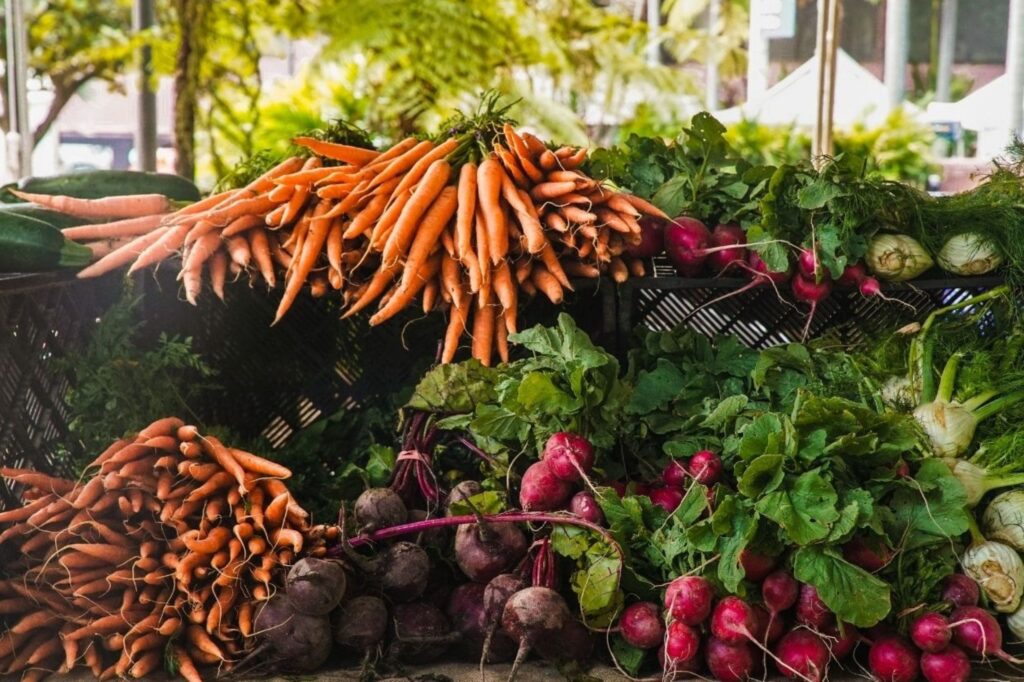
Root vegetables including carrots, beets, turnips, and parsnips. Furthermore, these store 3-6 months in proper conditions. Cool cellars or refrigerators maintain ideal environment consistently.
Winter squash varieties like butternut, acorn, and kabocha. However, these require dry, cool storage around 10-15°C. Also, good air circulation prevents mold development completely.

Brassicas such as cabbage, Brussels sprouts, and kale. Meanwhile, these tolerate near-freezing temperatures excellently well. Certainly, kale actually tastes better after light frost.
Alliums including onions, garlic, and shallots thrive stored. For example, dark, dry locations with good airflow. Besides, braided or mesh bags allow proper ventilation.
How Do Professional Chefs Optimize Storage Conditions?
Temperature control remains most critical factor for longevity. Nevertheless, different vegetables require specific temperature ranges precisely. Specifically, root cellars maintain 0-4°C ideal for most.






Humidity levels between 90-95% suit root vegetables perfectly. On the other hand, winter squash needs 50-70% humidity. Additionally, hygrometers monitor moisture levels accurately always.
Remove dirt gently without washing before storage completely. For instance, excess moisture promotes rot and bacterial growth. Besides, unwashed vegetables retain protective outer layer naturally.
Check stored vegetables weekly removing any spoiled pieces. Thus, one rotting vegetable spreads decay to neighbors. Furthermore, early detection prevents entire batch loss.


Autumn equinox and how cooks rethink heat
The autumn equinox is not simply a date on a calendar. It is the moment when serious cooks across the...

Bread traditions and what they reveal
Bread traditions are among the oldest and most honest records of human civilization. From the grain a community grows to...
What Common Storage Mistakes Should You Avoid?
Washing vegetables before storage introduces excess moisture problems. Meanwhile, dirt actually protects produce during storage naturally. Certainly, wash immediately before use only always.
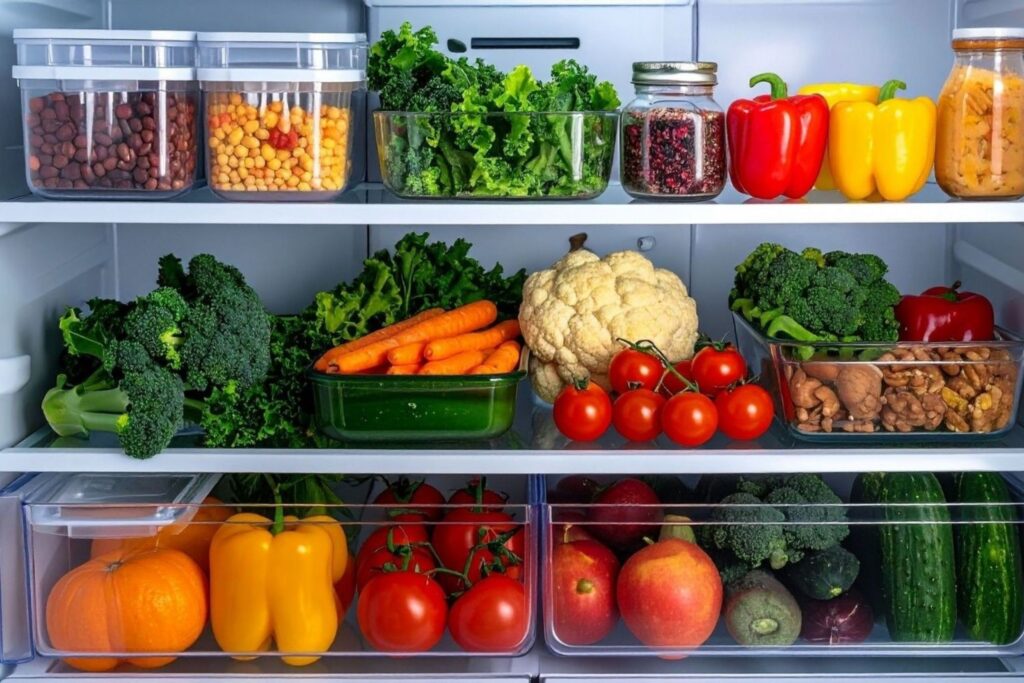
Storing incompatible vegetables together causes premature spoilage. However, ethylene-producing items like apples affect sensitive vegetables. Also, strong-smelling alliums transfer flavors to nearby produce.

Plastic bags without ventilation create condensation and rot. For example, poke holes or use perforated bags. Besides, completely sealed containers trap moisture harmfully.
Storing at incorrect temperatures accelerates deterioration significantly. Nevertheless, potatoes below 4°C convert starch to sugar. Specifically, this causes undesirable sweet taste and discoloration.











These tips are incredibly practical! I’ve been struggling with my leafy greens wilting too fast in the fridge, so the advice on moisture control is a lifesaver. Thanks for this professional guide!