

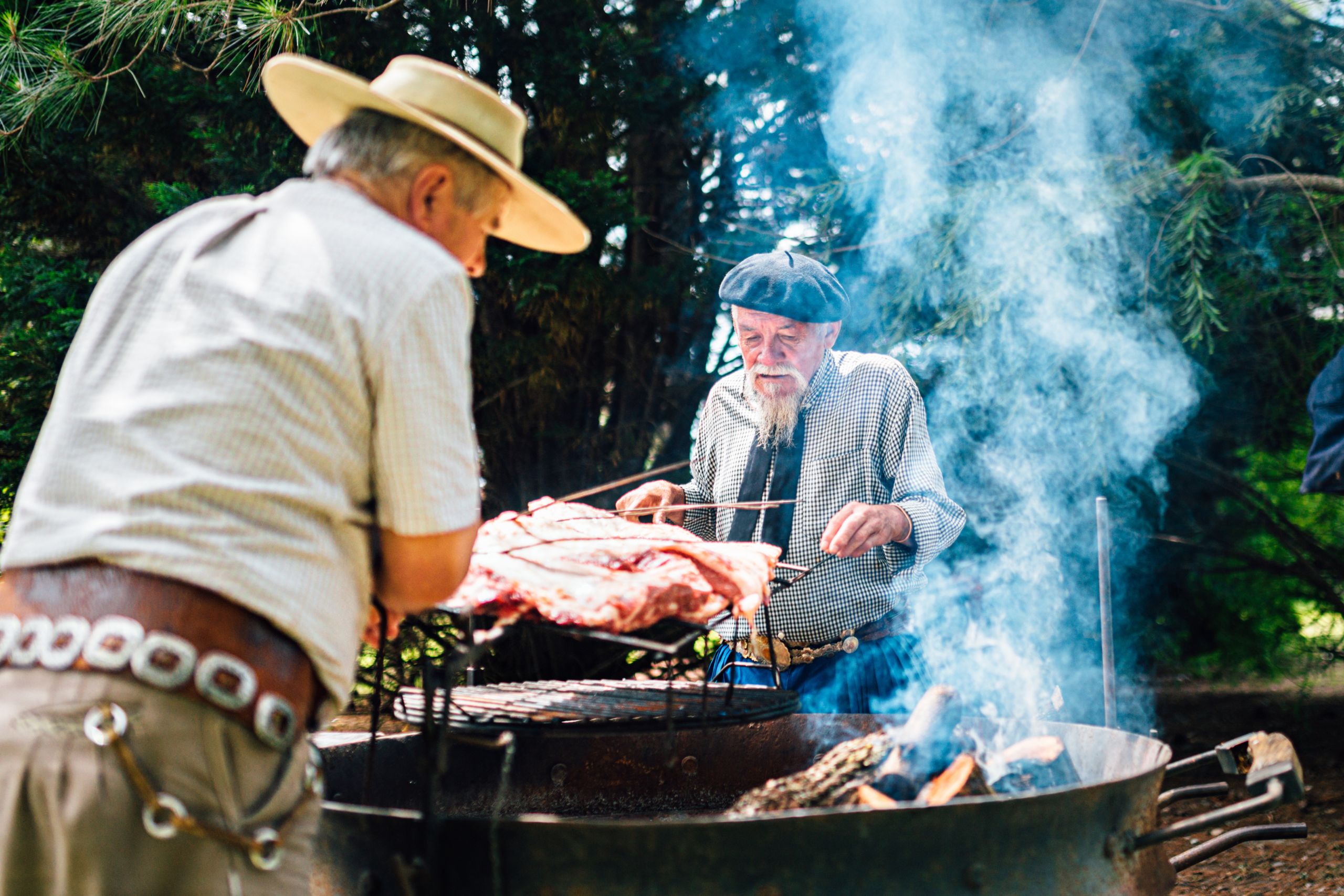
The Heart of Uruguayan Asado Culture
The uruguayan asado centers around the parrilla, a special grill designed for slow cooking. Uruguayans take pride in their grilling mastery. They carefully select wood or charcoal for optimal flavor.
Furthermore, the asador (grill master) holds a position of respect. This person controls the fire and timing with precision. The process cannot be rushed or compromised.

Traditionally, families gather on weekends for this ritual. They spend hours enjoying food and conversation. Meanwhile, the meat cooks slowly over glowing coals.
Essential Cuts and Grilling Techniques
Uruguayan asado features specific meat cuts that differ from other countries. The most popular selections include:
- Asado de tira (short ribs)
- Vacío (flank steak)
- Chorizo (sausage)
- Morcilla (blood sausage)
- Achuras (organ meats)
Additionally, the cooking method requires patience and skill. The meat must cook slowly at low temperatures. This technique ensures tenderness and develops deep flavors.

Consequently, a proper uruguayan asado takes three to four hours. The asador monitors each cut carefully. Different meats require varying cooking times and heat levels.
The Inseparable Mate Tradition
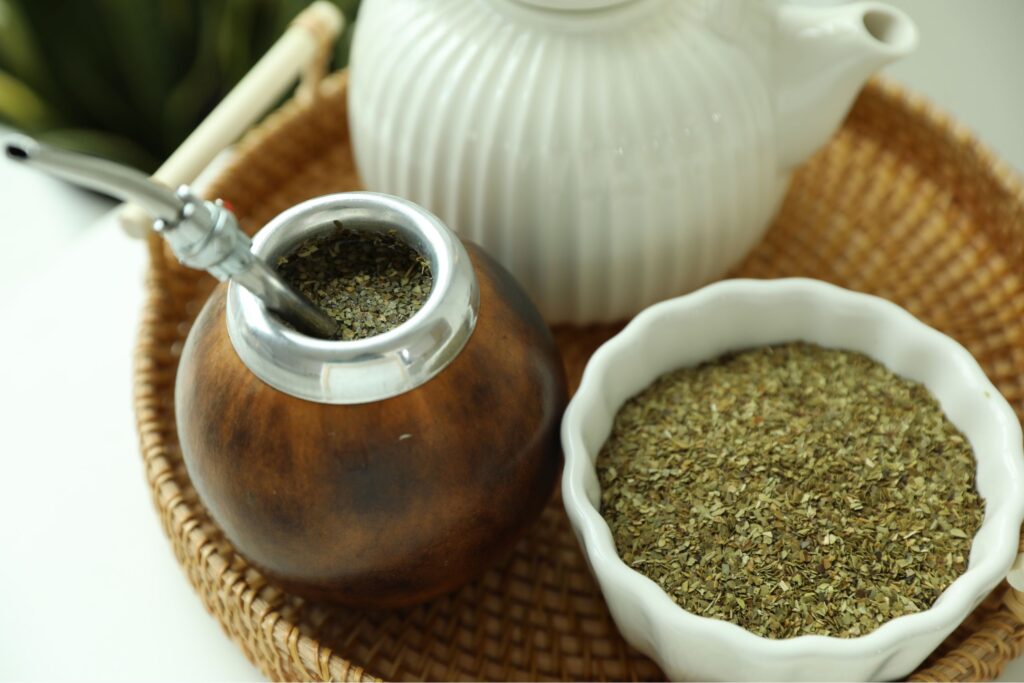
Mate accompanies every uruguayan asado without exception. This herbal tea represents Uruguay’s social glue. People share a single gourd filled with hot water and yerba mate.
The ritual follows specific rules and customs. One person serves as the cebador (mate preparer). They refill the gourd and pass it around the circle.






Moreover, refusing mate can seem impolite in social settings. However, saying “gracias” signals you’ve had enough. This simple word releases you from the rotation.

Truffle dinners in NYC this autumn
Truffle dinners transform New York City restaurants each autumn into something truly Italian in spirit: intimate, ingredient-led, and brief by...
Autumn equinox and how cooks rethink heat
The autumn equinox is not simply a date on a calendar. It is the moment when serious cooks across the...
Bread traditions and what they reveal
Bread traditions are among the oldest and most honest records of human civilization. From the grain a community grows to...

Gluten-free bakeries NYC: eat well
Gluten-free bakeries in New York City are no longer a compromise. From dedicated allergen-free kitchens in the West Village to...
Conclusion: Preserving Tradition
The uruguayan asado continues thriving as Uruguay’s cultural cornerstone. Young generations embrace this grill tradition enthusiastically. They learn time-honored techniques from experienced family members.
Therefore, visitors to Uruguay should experience an authentic uruguayan asado firsthand. This immersive activity reveals the nation’s soul beautifully. Plan your trip to include this unforgettable social tradition.
Indeed, participating in mate sharing and parrilla gatherings creates lasting memories. You’ll understand why Uruguayans protect these customs fiercely. Book your South American adventure today to witness this remarkable culture.









This is a wonderful dive into Uruguayan culture! The way the article describes the slow-cooking process of the asado and the shared tradition of drinking mate really highlights how food brings people together. I would love to experience this authentic grilling ritual someday. Thanks for such an engaging read
There is something truly special about the communal aspect of the Uruguayan asado. It’s not just about the slow wood-fire grilling technique—though the patience required for that perfect crust is an art in itself—it’s about the entire social ritual, right down to passing the mate. As someone who appreciates discovering authentic local traditions while on the road, this level of cultural preservation is amazing to see. Great piece that perfectly captures the soul of South American barbecue
C’est fascinant de voir comment l’Asado uruguayen dépasse la simple technique de cuisson pour devenir un véritable pilier social. Ce que je trouve remarquable, c’est ce respect du temps et du rituel, que ce soit pour la maîtrise du feu de bois ou pour le partage du maté. Pour quelqu’un qui aime explorer les traditions locales authentiques lors de ses voyages, cet article capture parfaitement l’essence même de la convivialité sud-américaine. Un grand merci pour ce partage culturel
Ce rituel autour du feu m’a rappelé quelque chose que j’ai vécu à Montevideo il y a trois ans. On nous avait invités chez des amis d’amis un dimanche, et on est restés là six heures sans même s’en rendre compte. L’asador ne parlait presque pas, il se contentait de surveiller la braise avec cette concentration tranquille que l’article décrit si bien. Le mate passait de main en main pendant ce temps-là, et refuser aurait clairement été une faute de goût.
The part about Montevideo’s urban asado scene using gas grills for convenience actually surprised me. I’d always pictured this as a purely wood-fire, countryside ritual, gauchos and all that. But it makes sense that city life adapts things. I’m heading to Uruguay in August and now I’m wondering whether to seek out a countryside parrilla or just dive into whatever local families actually do on a Sunday. Maybe both, honestly.
Three to four hours. That’s what it takes to do it properly, and honestly that’s the part most people outside South America completely miss. We’re so conditioned to fast grilling that the idea of tending a fire for half an afternoon feels almost radical. Worth every minute though, if the result is what they describe.
Right now it sounds like Expression Engine is the preferred blogging platform available right now. (from what I’ve read) Is that what you are using on your blog?