

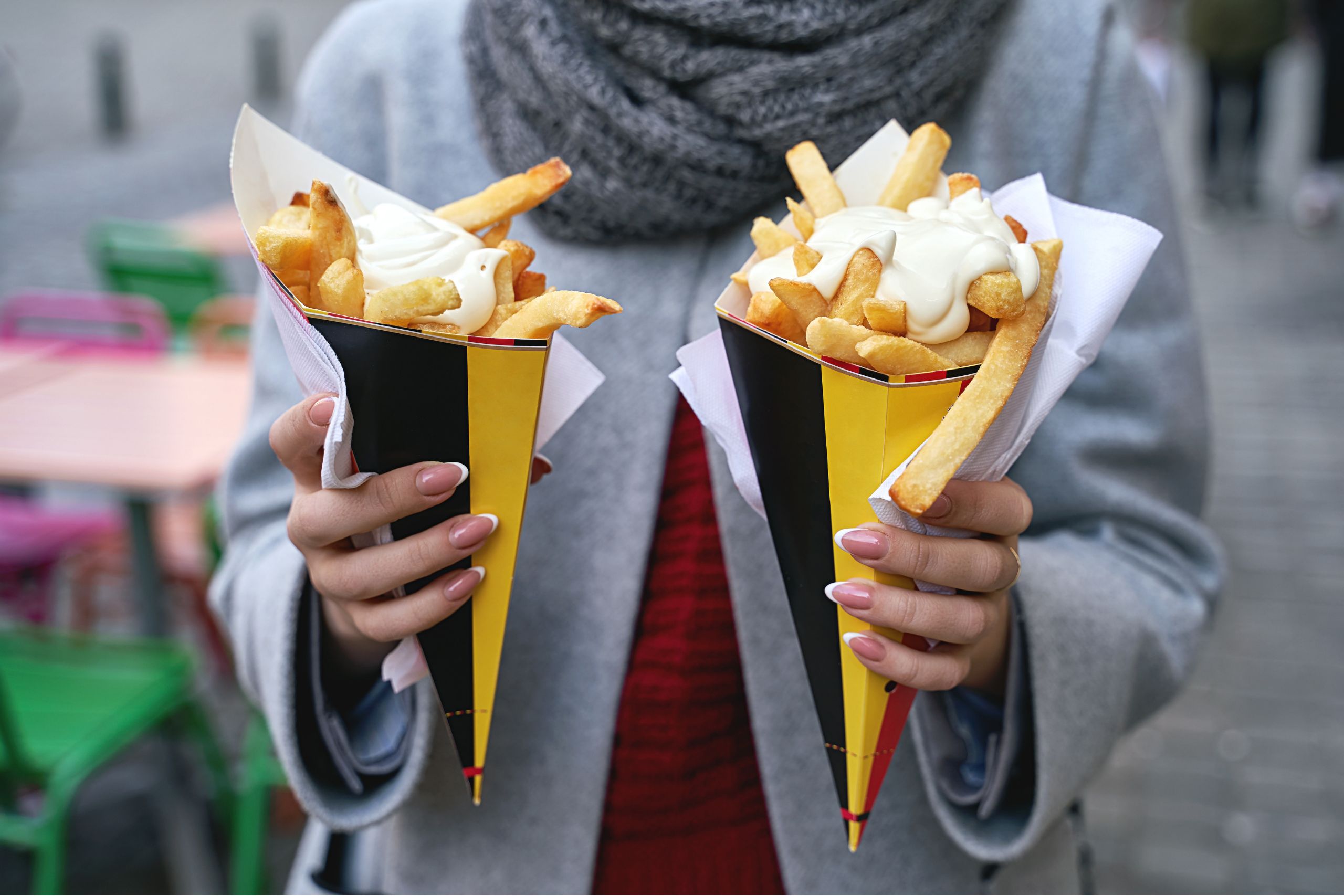
Why Potato Choice Matters for Belgian Fries
Starch content directly impacts your fry quality. High-starch potatoes create that coveted crispy outside. Meanwhile, the inside becomes light and fluffy. This happens because starch molecules expand during frying. Consequently, they form a protective golden crust. Additionally, starch absorbs less oil than other compounds. Therefore, high-starch fries taste lighter and cleaner. For instance, Russet potatoes contain 20-22% starch naturally. This concentration produces optimal crispiness every time. Moreover, the starch caramelizes beautifully at high temperatures.
Water content plays an equally important role in Belgian fries. Indeed, too much moisture leads to soggy, limp results. Consequently, drier potatoes produce better texture every time. Excess water creates steam during frying instead of crispiness. Furthermore, wet potatoes cause dangerous oil splattering. The ideal potato contains less than 80% water content. Therefore, floury varieties outperform waxy ones significantly. For example, Bintje potatoes have perfect moisture balance. They release water quickly during the first fry. Subsequently, the second fry creates that signature crunch.

The right potato also maintains its shape during frying. Furthermore, it doesn’t break apart or become greasy. Thus, texture becomes the ultimate quality indicator. Firm potatoes hold their cut shape throughout cooking. Meanwhile, soft varieties crumble into disappointing pieces. Indeed, structural integrity separates amateur fries from authentic Belgian ones.
Top Potato Varieties for Perfect Belgian Fries
Russet potatoes rank as the gold standard choice. Their high starch content creates exceptional crispiness. Additionally, their low moisture level ensures perfect texture.
Bintje potatoes are the traditional Belgian selection. European chefs prefer this variety for authentic fries. For instance, most Belgian friteries exclusively use Bintje.

Maris Piper potatoes offer excellent British alternatives. These versatile potatoes deliver consistent results. Moreover, they’re widely available across European markets in 2026.
Yukon Gold potatoes provide a buttery flavor profile. However, their medium starch content requires careful preparation. Nevertheless, many home cooks appreciate their natural taste.
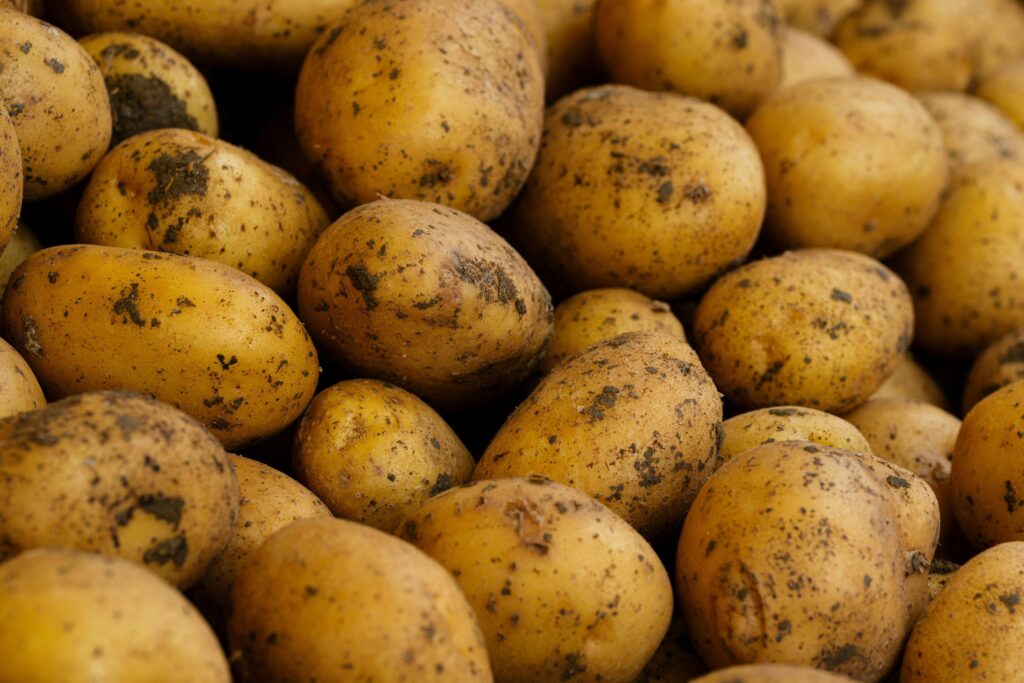
Starch Content: The Secret to Crispy Belgian Fries
High-starch potatoes contain 20-22% starch content. This concentration creates the crispiest exterior coating. Therefore, always check variety specifications before purchasing.






Medium-starch potatoes work for double-frying methods. Although they need extra cooking time initially. Subsequently, the second fry achieves adequate crispiness.
Low-starch potatoes should be avoided entirely. Their waxy texture never becomes truly crispy. Instead, they remain soft and dense inside.
Testing starch levels is surprisingly simple at home. First, cut a potato in half crosswise. Then, rub the halves together vigorously. Finally, check if they stick together firmly.

Autumn equinox and how cooks rethink heat
The autumn equinox is not simply a date on a calendar. It is the moment when serious cooks across the...
Bread traditions and what they reveal
Bread traditions are among the oldest and most honest records of human civilization. From the grain a community grows to...

Gluten-free bakeries NYC: eat well
Gluten-free bakeries in New York City are no longer a compromise. From dedicated allergen-free kitchens in the West Village to...

Autumn menus: 8 ways restaurants adapt
When the first cool evenings arrive, restaurants do not simply swap a few dishes. They rethink flavour, space, light, and...
Preparation Tips for the Best Belgian Fries
Soaking removes excess surface starch effectively. First, cut your potatoes into uniform strips. Next, submerge them in cold water completely. Finally, soak for 30 minutes minimum.
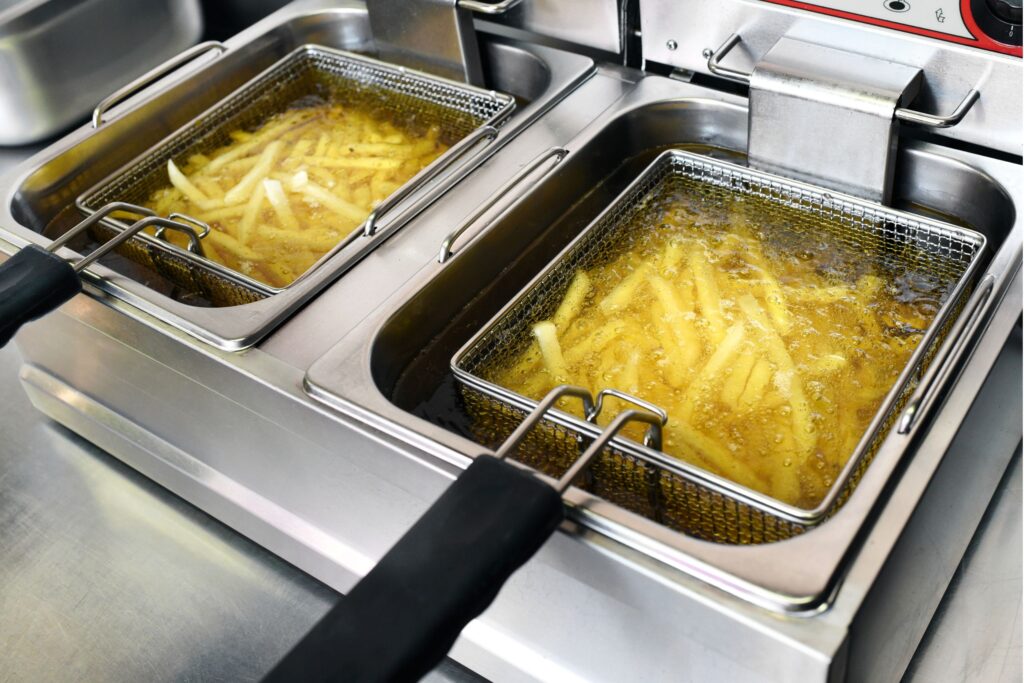
Double-frying is the authentic Belgian method. Initially, fry at 325°F for 5-7 minutes. Subsequently, increase temperature to 375°F for 2-3 minutes.
Drying potatoes thoroughly before frying is essential. Indeed, water causes dangerous oil splattering. Additionally, moisture prevents proper crisping action.
Fresh oil maintains consistent cooking temperatures better. Furthermore, clean oil doesn’t impart unwanted flavors. Therefore, change your frying oil regularly.











une plongée magistrale dans ce que j’appellerais “l’ingénierie de la simplicité”. Cet article sur la frite belge démontre avec brio que la perfection d’un produit emblématique ne repose pas sur le hasard, mais sur une sélection variétale d’une rigueur quasi scientifique.
En 2026, l’excellence d’une marque gastronomique se joue sur la maîtrise absolue de sa matière première. Le choix de la variété Bintje, pour son équilibre amidon-humidité, est une leçon de “Qualité Totale” que tout entrepreneur, qu’il soit dans la restauration ou le e-commerce alimentaire, devrait méditer. La transparence sur l’origine et les spécificités techniques du produit brut est devenue le levier de confiance numéro un pour le consommateur moderne.
Merci pour cette synthèse qui réhabilite le produit de terroir au rang d’œuvre d’art technique. Un rappel essentiel que le savoir-faire ancestral et la rigueur logistique doivent converger pour offrir une expérience sensorielle inoubliable. Un contenu d’une grande valeur pour les stratèges du goût !
A masterly deep dive into what I call ‘The Engineering of Simplicity.’ This article on Belgian fries brilliantly demonstrates that the perfection of an iconic product is never accidental; it is the result of a varietal selection conducted with almost scientific rigor.
In 2026, the excellence of any gastronomic brand hinges on the absolute mastery of its raw materials. The choice of the Bintje variety—for its precise starch-to-moisture equilibrium—is a vital lesson in ‘Total Quality Management’ that every entrepreneur, whether in hospitality or food e-commerce, should internalize. Transparency regarding origin and technical specifications is no longer just a detail; it is the primary driver of consumer trust in the modern market.
Thank you for this synthesis that elevates a heritage product to the level of technical art. It’s a powerful reminder that ancestral savoir-faire and logistical precision must converge to deliver a truly world-class experience. An essential read for those who understand that quality is the ultimate competitive advantage!
A masterly deep dive into what I call ‘The Engineering of Simplicity.’ This article on Belgian fries brilliantly demonstrates that the perfection of an iconic product is never accidental; it is the result of a varietal selection conducted with almost scientific rigor.
In 2026, the excellence of any gastronomic brand—or any e-commerce venture for that matter—hinges on the absolute mastery of its raw materials. The choice of the Bintje variety, specifically for its precise starch-to-moisture equilibrium, is a vital lesson in ‘Total Quality Management’ (TQM). Transparency regarding origin and technical specifications is no longer a luxury; it is the primary driver of consumer trust and brand loyalty in the modern market.
Thank you for this synthesis that elevates a heritage product to the level of technical art. It’s a powerful reminder that ancestral savoir-faire and logistical precision must converge to deliver a truly world-class experience. For strategists and entrepreneurs, this is a clear case study: quality remains the ultimate competitive advantage
The bit about waxy potatoes turning limp and pale is so accurate it hurts. I learned that the hard way using Yukon Golds last summer.