Winter recipes become simpler when organized alphabetically from A to Z. Home cooks across Canada, Europe, and the United States need practical guides for cold-weather cooking. This complete alphabet covers essential techniques and seasonal ingredients for 2026. Moreover, these strategies help you create warming meals throughout the coldest months.
A is for Aromatic Vegetables
Aromatic vegetables form the foundation of flavorful winter recipes. Onions, garlic, and celery create depth in soups and stews. Therefore, stock these essentials for consistent cold-weather cooking success.
B is for Braising
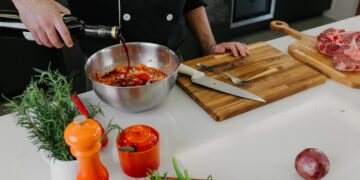
Braising transforms tough winter meat cuts into tender, succulent dishes. Furthermore, this slow-cooking method fills kitchens with incredible aromas. Consequently, beef short ribs and lamb shanks become weekend favorites.

C is for Citrus
Citrus fruits brighten heavy winter dishes with vibrant acidity. Lemons, oranges, and grapefruits reach peak season during cold months. Thus, these ingredients add freshness to warming meals perfectly.
D is for Dutch Ovens
Dutch ovens create perfect one-pot winter meals with minimal effort. Additionally, these cast-iron pots retain heat beautifully for even cooking. Consequently, stews and braises develop rich, complex flavors naturally.
E is for Evergreen Herbs
Evergreen herbs like rosemary, thyme, and sage thrive during winter. Moreover, these hardy plants withstand freezing temperatures outdoors easily. Indeed, fresh herbs elevate simple seasonal dishes dramatically.

F is for Frozen Stock
Frozen stock becomes the secret weapon for quick winter soups. For example, homemade chicken or vegetable stock adds depth instantly. Meanwhile, ice cube trays portion stock perfectly for small recipes.
G is for Garlic
Garlic enhances virtually every savory winter recipe imaginable. Roasted garlic develops sweet, mellow flavors throughout long cooking times. Additionally, this ingredient provides immune-boosting properties during cold season.
H is for Hearty Stews
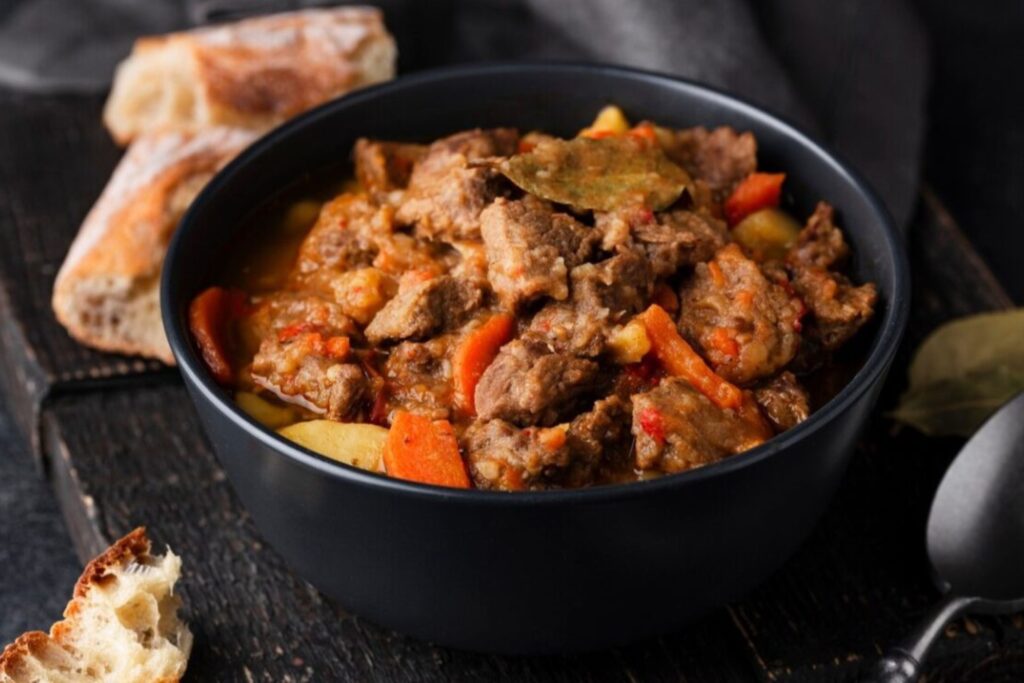
Hearty stews warm bodies and souls during freezing winter temperatures. Beef bourguignon, Irish stew, and chicken cacciatore remain timeless classics. Therefore, master three stew recipes for weekly rotation success.

I is for Insulated Cooking
Insulated cooking methods retain heat and reduce energy costs significantly. Slow cookers and pressure cookers work efficiently during winter months. Consequently, your kitchen stays comfortable without overheating from ovens.
J is for January Ingredients
January ingredients include winter squash, cabbage, and Brussels sprouts. Furthermore, these vegetables store well in cool, dark spaces naturally. Thus, stock up during peak season for extended use.
K is for Kale
Kale actually tastes sweeter after the first winter frost arrives. Additionally, this nutrient-dense green withstands long cooking without disintegrating. Massage raw kale with lemon for tender winter salads.
L is for Leeks
Leeks provide mild onion flavor perfect for delicate winter soups. Potato leek soup becomes a cold-weather staple across Europe. Meanwhile, braised leeks make elegant side dishes for dinner parties.
M is for Mulled Wine
Mulled wine warms guests during winter gatherings and celebrations beautifully. Cinnamon, cloves, and orange slices create aromatic holiday beverages. Besides, this tradition spans centuries across multiple European cultures.
N is for Nutmeg
Nutmeg adds warming spice to winter cream sauces and béchamel. Similarly, this ingredient enhances mashed potatoes and butternut squash preparations. However, use sparingly because flavor intensifies during cooking quickly.
O is for Oven-Roasting
Oven-roasting concentrates vegetable flavors while warming your entire kitchen. Root vegetables caramelize beautifully at high temperatures with olive oil. Therefore, sheet pan dinners become efficient winter weeknight solutions.
P is for Parsnips
Parsnips develop sweet, nutty flavors after exposure to winter cold. These underrated root vegetables roast perfectly alongside carrots and potatoes. Indeed, parsnip soup rivals butternut squash in creamy richness.
Uruguayan Asado: Grill & Mate Culture
Uruguayan asado brings people together through slow-grilled meat and mate tea. Discover South American grill traditions and social rituals.
Belgian Fries: Best Potato Varieties
Belgian fries demand the right potatoes for that perfect crispy exterior and fluffy interior. Therefore, choosing the correct variety makes...
April Fools: Fish, Food & Fun Origins
April Fools has a secret and it smells like the sea. Every year on April 1, millions of people worldwide...
Beer Workshop Success in 7 Simple Steps
Planning a Beer Workshop combines two popular passions into one memorable event. Additionally, pairing craft brews with live music creates...
Q is for Quinoa Bowls
Quinoa bowls provide complete protein for satisfying winter meals quickly. Top warm grains with roasted vegetables and tahini dressing. Consequently, healthy lunches come together in under twenty minutes.

R is for Root Vegetables
Root vegetables reach peak flavor and sweetness during freezing temperatures. Carrots, turnips, beets, and rutabagas store for months properly. Additionally, these affordable seasonal ingredients stretch winter food budgets effectively.
S is for Slow Cookers
Slow cookers transform tough meat cuts into tender winter dishes effortlessly. Furthermore, this hands-off method works perfectly for busy weekday schedules. Simply add ingredients morning and enjoy dinner by evening.
T is for Turnips
Turnips add peppery bite to winter stews and roasted vegetable medleys. Moreover, turnip greens provide nutritious additions to soups and sautés. Thus, use the entire vegetable for zero-waste cooking.
Q is for Quinoa Bowls
Quinoa bowls provide complete protein for satisfying winter meals quickly. Top warm grains with roasted vegetables and tahini dressing. Consequently, healthy lunches come together in under twenty minutes.
R is for Root Vegetables
Root vegetables reach peak flavor and sweetness during freezing temperatures. Carrots, turnips, beets, and rutabagas store for months properly. Additionally, these affordable seasonal ingredients stretch winter food budgets effectively.
S is for Slow Cookers
Slow cookers transform tough meat cuts into tender winter dishes effortlessly. Furthermore, this hands-off method works perfectly for busy weekday schedules. Simply add ingredients morning and enjoy dinner by evening.
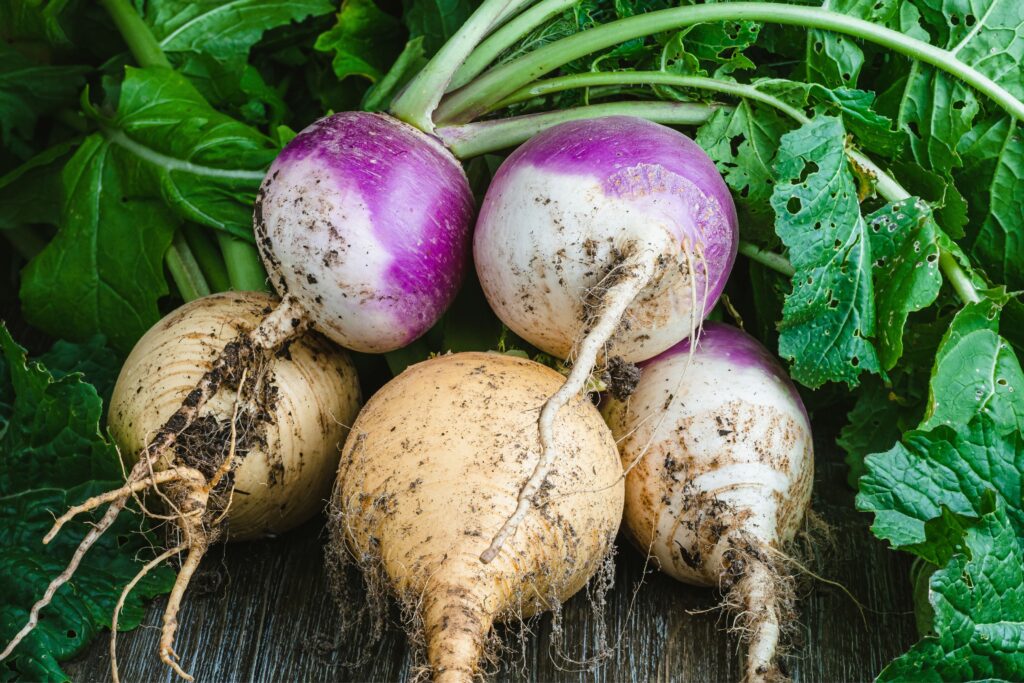
T is for Turnips
Turnips add peppery bite to winter stews and roasted vegetable medleys. Moreover, turnip greens provide nutritious additions to soups and sautés. Thus, use the entire vegetable for zero-waste cooking.
V is for Vinegar-Based Sauces
Vinegar-based sauces cut through rich winter meat preparations perfectly. For example, chimichurri brightens braised beef and lamb dishes. Meanwhile, balsamic reductions complement roasted root vegetables beautifully.
W is for Warming Spices
Warming spices including cinnamon, ginger, and cardamom define winter cooking. These ingredients enhance both sweet and savory seasonal dishes. Indeed, spice blends create cozy comfort across global cuisines.
X is for eXtra Virgin Olive Oil
eXtra virgin olive oil enhances roasted winter vegetables with fruity notes. Additionally, quality oil makes simple preparations taste restaurant-worthy instantly. Thus, invest in good olive oil for everyday cooking.
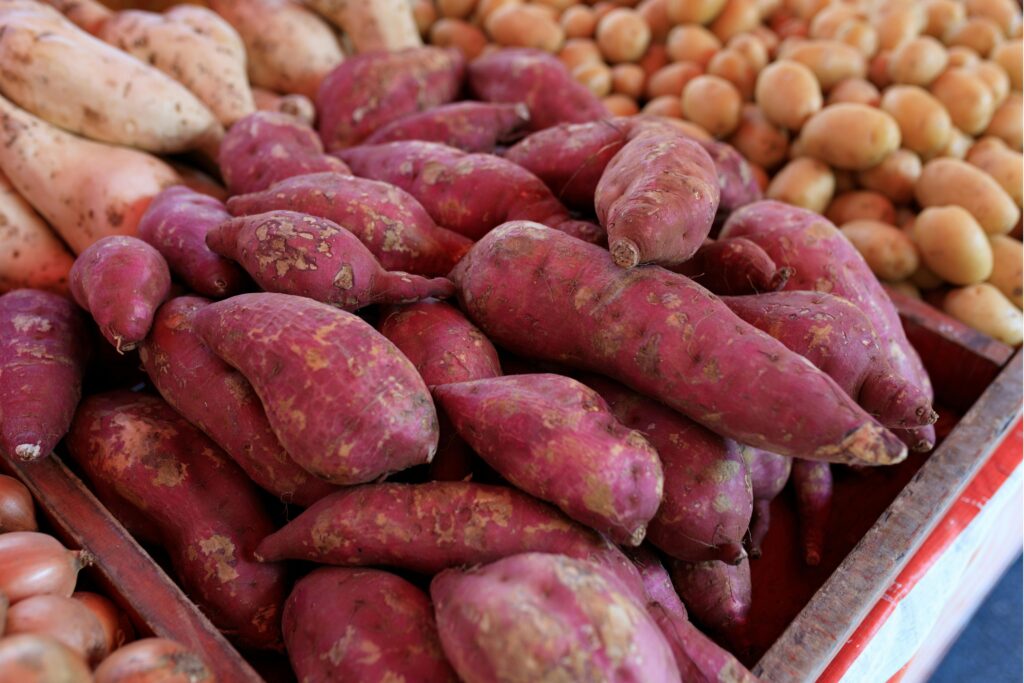
Y is for Yams
Yams and sweet potatoes provide natural sweetness in winter meals. These orange-fleshed tubers roast, mash, or transform into soups easily. Besides, they’re packed with vitamins supporting immune health naturally.
Z is for Zesting
Zesting citrus fruits adds bright flavors to heavy winter dishes. Lemon, orange, and lime zest contain aromatic oils perfectly. Therefore, finish meals with fresh zest for restaurant-quality presentation.
Conclusion: Embracing Winter Recipes
Winter recipes celebrate seasonal ingredients at their absolute peak freshness. Home cooks succeed by following this alphabetical guide throughout cold months. These strategies work whether you’re cooking in Boston, Vancouver, or London during 2026.
Start implementing five new winter recipes from this A-Z guide today. Your confidence will grow alongside your cold-weather cooking repertoire rapidly. Therefore, embrace the season and create memorable warming meals now.
Ready to transform your winter cooking with these alphabetical strategies? Begin exploring seasonal ingredients in your kitchen this week.
Additional Resources
Seasonal Cooking Guides:
- USDA Seasonal Produce – Official winter ingredient availability information
- Serious Eats – Science-based winter cooking techniques
- Food Network Winter Recipes – Chef-tested cold-weather dish ideas
Food Safety Resources:
- FoodSafety.gov – Safe handling and storage guidelines
- Academy of Nutrition – Evidence-based dietary guidance