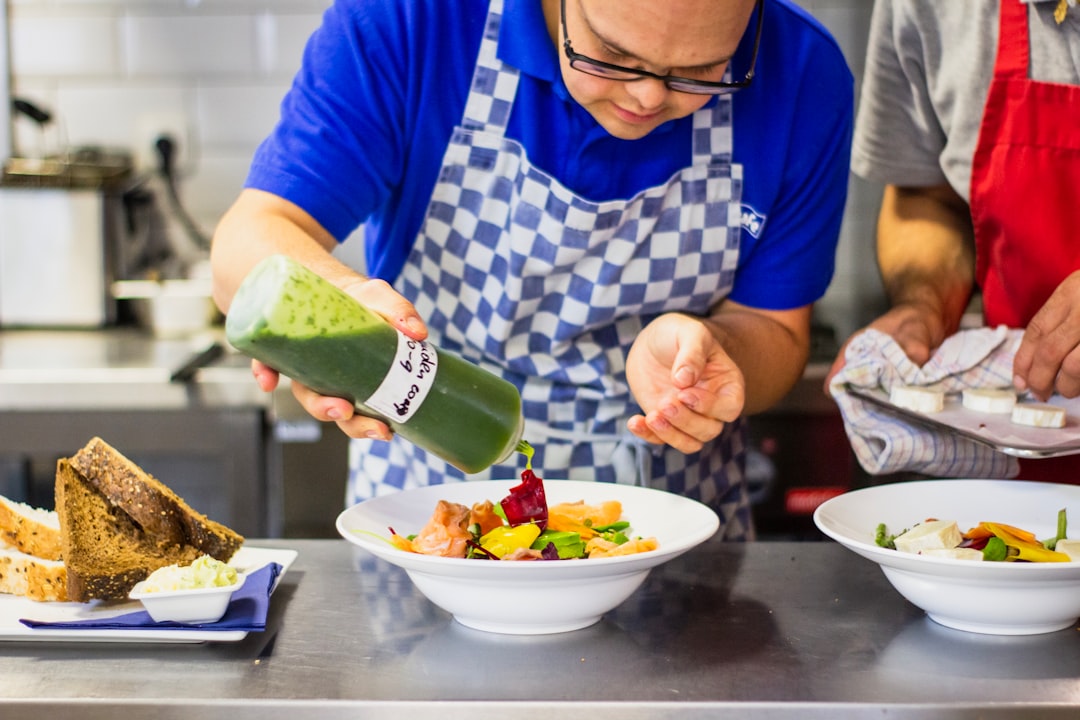
Chilled soups have long tested a cook’s discipline: cold dulls seasoning, amplifies poor texture, and forgives nothing left to chance. Each of these 6 bowls from around the world rewards the cook who pays attention, adjusting salt with purpose, choosing quality produce, and chilling with patience rather than haste.
Gazpacho (Spain): the Andalusian standard
Gazpacho is the most recognised of all chilled soups, and its reputation is fully deserved. The beauty of gazpacho is its simplicity and reliance on quality ingredients. There is no cooking involved, so the flavours of the vegetables shine through. Key ingredients are ripe tomatoes, cucumber, bell pepper, onion, garlic, extra virgin olive oil, and a splash of sherry vinegar.
The technique matters as much as the produce. Blend the vegetables fully, then pass the mixture through a fine sieve to achieve a silken result. Texture can range from slightly chunky to silky smooth, depending on the blend and whether the soup is strained. The flavour profile is tangy, savory, and fresh, with a slight kick from the garlic and vinegar.

Season at room temperature, then chill for a minimum of 2 hours. Cold will quiet the salt, so season slightly further than feels comfortable before the soup enters the refrigerator.
Vichyssoise (France): classical elegance, served cold
Vichyssoise rewards patience above all else. It is the sophisticated opposite of rustic gazpacho: a thick, creamy, velvety soup made from puréed leeks, potatoes, onions, and cream. The leeks must be cooked gently, without colour, to preserve their delicate sweetness. Any browning will leave a bitter note that no amount of cream will correct.
Though its name is French, vichyssoise was created by French chef Louis Diat at the Ritz-Carlton in New York City in 1917. He was inspired by a hot potato and leek soup his mother used to make, which he and his brother would cool down with milk in the summer.

A key distinction is that vichyssoise is cooked first and then chilled thoroughly before serving. Never serve a hot soup and call it vichyssoise; its identity is tied to its chilled temperature. It is often garnished with finely chopped chives.
Hiyajiru (Japan): the miso bowl that cools
Though the name of this Japanese dish translates simply to “cold soup,” there is far more to it. The origins of hiyajiru can be traced back to 12th-century Japan, when it was a common lunch of farmers, soldiers, and monks. Today, it is a culinary staple of the Miyazaki prefecture, where its recipe has been preserved very close to the original.
The base is white miso, sesame, and dashi, blended smooth and poured cold over cooked rice. Japanese hiyajiru combines miso with rice and vegetables. These soups connect hydration with sustained energy. Sliced cucumber, shiso leaf, and toasted sesame finish the bowl. The flavour is subtle and mineral. Precision in the dashi is essential: weak stock will produce a thin, unsatisfying result.

Expert perspective on chilled soups and craft
Cold soup is not a simple dish made easier by the absence of heat. It is, in many ways, harder. The cook must build depth without the chemistry that heat provides. Seasoning requires repeated tasting at cold temperature, not warm. Texture must be planned from the start: a vichyssoise that is too thick before chilling will set like cement in the bowl, while a gazpacho that seems thin at room temperature may become exactly right once fully cold. Quality of produce is not a preference here; it is a requirement. A poor tomato will make a poor gazpacho, and no technique will save it. The global tradition of chilled soups teaches us something important: restraint, precision, and respect for the ingredient are not optional steps. They are the recipe.
Industry perspective, culinary technique and cold-kitchen professionals
Hideg meggyleves (Hungary): sour cherry with spice
This Hungarian chilled soup challenges expectation at every step. This cold sour cherry soup is a Hungarian summer staple, often served as an appetizer or, less frequently, a dessert. It might seem like an unconventional way to start a meal, particularly in its use of warming spices during the balmiest season.
The preparation demands a patient simmer of pitted cherries, sugar, lemon zest, and the classic trio of cinnamon, anise, and cloves. The mixture is then thickened with a roux or plain flour and a generous swirl of sour cream before being left to rest in the refrigerator.
The result is a perfect balance of flavours: the tartness of the cherries is offset by the sweetness of the sugar, all harmonised by the bouquet of spices and the velvet touch of cream. Serve in small bowls as a first course, well chilled, with a curl of cream on top.






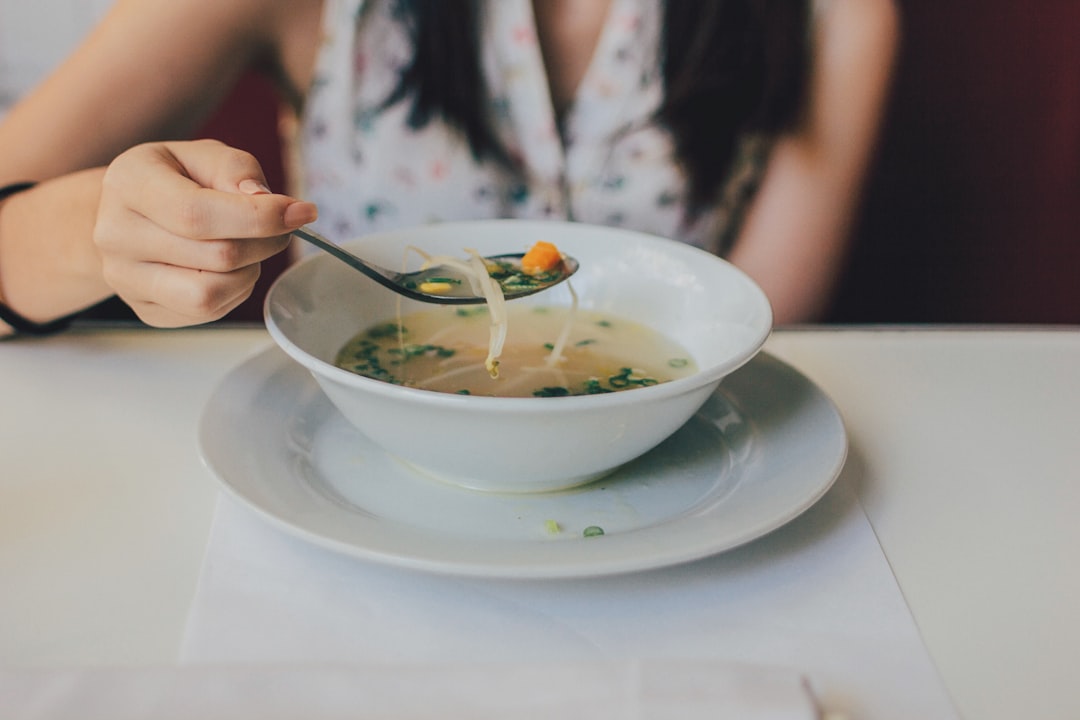
Tarator (Bulgaria): yogurt, walnut, and cucumber
In the culinary tradition of Bulgaria, tarator stands out as a vibrant thread. Its roots go far and deep, and in its earliest form, it was likely a tahini dip, influenced over the centuries by the rich culinary traditions of Greek and Ottoman cuisines.
Its cultural significance is palpable: a generous scattering of walnut on top is a subtle testament to the joy of welcoming a guest. The ingredients form a harmonious ensemble: the tartness of yogurt, the crunch of walnuts, and the freshness of cucumbers.
Use full-fat yogurt, finely diced cucumber, crushed garlic, dill, and good walnut oil. The texture must remain loose enough to eat with a spoon. Toast the walnuts before scattering them on top: warmth releases their oils and adds a layer of depth that raw nuts cannot provide.
Naengmyeon (Korea): noodles in chilled broth
Buckwheat noodles originate from North Korea, the main production centre of buckwheat. According to local customs, these long noodles should be consumed without cutting, as they are a symbol of good health and longevity. The broth is typically beef-based, reduced and seasoned, then chilled until clear and intensely flavoured.
More than just a flavorful dish, naengmyeon is a cultural and gastronomical bridge between two divided Korean countries. A garnish of julienned cucumber, sliced Asian pear, a halved boiled egg, and a small spoon of mustard completes the bowl. The technique is demanding: the broth must be skimmed with patience during reduction to stay clear after chilling.

Why chilled soups deserve a permanent place at the table
Chilled soups are not a seasonal novelty. They are a discipline. Each of the 6 bowls in this list demonstrates that cold cookery requires the same rigour as any other classical technique: precise seasoning, careful texture management, and respect for the ingredient. Chilled soups also translate beautifully to the table, whether served as a refined first course or as a composed centrepiece. Return to these recipes when the season calls for restraint and craft in equal measure, and remember that chilled soups reward the cook who is willing to taste, adjust, and wait.
Discover more about chilled soups
- Foodways: Growing Recognition and Reinforced Safeguarding Measures (UNESCO Intangible Cultural Heritage)
- 27 Best Cold Soups in the World (TasteAtlas)
- 13 Cold Soups From Around the World You Should Know (Tasting Table)