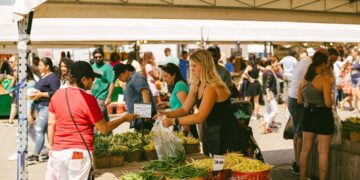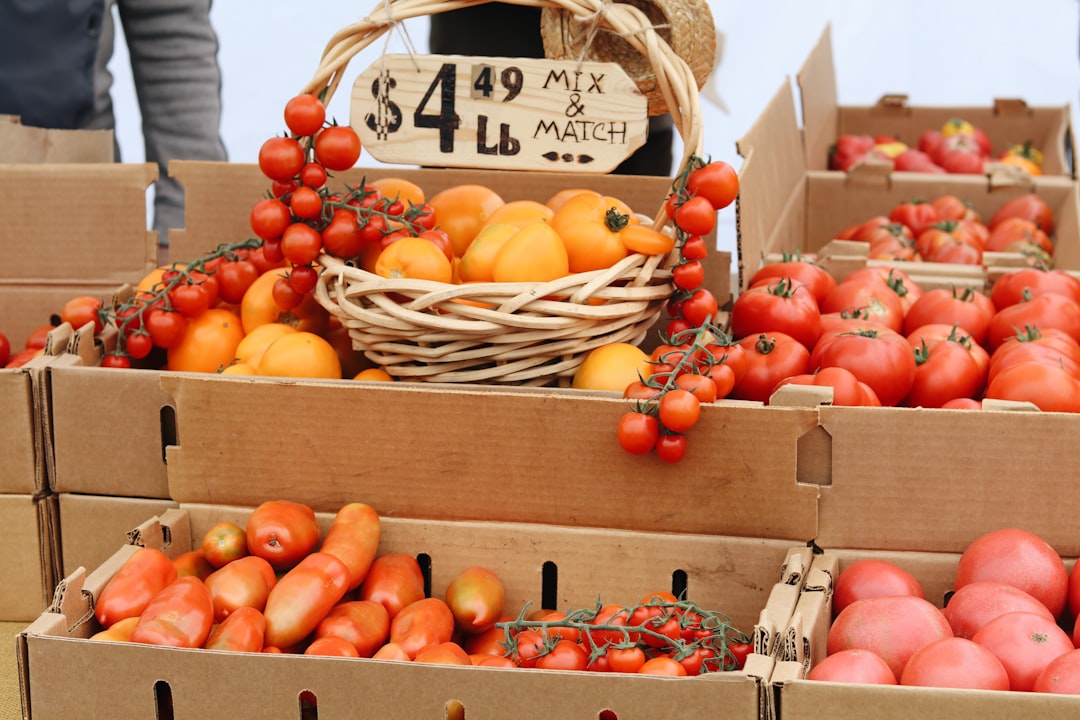
Tomato dishes reach their full expression in August, when the Mediterranean’s long dry heat transforms a simple fruit into the foundation of an entire culinary season.
Why August produces the finest tomatoes
The tomato thrives in warm conditions. Tomatoes thrive in warm climates, which makes them an ideal crop during the summer months across the Mediterranean region. Across Spain, Italy, Greece, and the south of France, the combination of intense sun, low humidity, and mineral-rich soils creates conditions that no greenhouse can replicate. The harvesting season for tomatoes varies according to region, climate, and variety, but in general they reach maturity from mid-June to the end of September. August, however, sits at the center of this window, when heat accumulation is highest and sugar development in the fruit reaches its peak.
When you eat fruit and vegetables during their season, you often get them at their ripest and best-tasting point. This is not sentiment. It is a measurable fact. A tomato left to ripen fully on the vine under sustained summer sun develops a concentration of sugars, acids, and aromatic compounds that off-season fruit simply cannot match. The difference on the plate is immediate.

Tomato dishes across the Mediterranean in August
August is all about Mediterranean vegetables, as they appear in abundance, which allows for creative and refreshing dishes. Each country builds its August table around the tomato in a distinct way. In Spain, gazpacho is a traditional Spanish uncooked soup that originated in Andalusia. Served chilled, it makes a refreshing and hydrating meal on warm summer days. The recipe is simple: ripe tomatoes, cucumber, pepper, garlic, olive oil, and bread. The quality of the tomato determines everything.
In Italy, the south of the country enters the season of the passata, when families gather to process crates of sun-ripened tomatoes into jars of sauce to last through winter. At the same table, insalata caprese appears, but only when the tomatoes are served at room temperature and the buffalo mozzarella is fresh. In Greece, tomatoes are the heart of Mediterranean summer cooking. Classic dishes such as gemista (stuffed tomatoes with rice and herbs) and ntomatorizo (tomato rice) rely entirely on the fruit being at its correct stage of ripeness.
The science of ripeness and lycopene
The case for eating tomato dishes in August is not only culinary. Tomatoes contain lycopene, an antioxidant that protects against heart disease, and when tomatoes are cooked in olive oil, the lycopene becomes more available to the body. This pairing of tomato and olive oil is central to Mediterranean cooking and has been practiced for centuries without the guidance of nutritional science.

Moderate daily intake of tomatoes or tomato products can significantly boost serum lycopene levels, which has beneficial effects including lipid regulation, anti-inflammatory effects, and protection of vascular endothelial function. The summer tomato, fully ripened under Mediterranean sun, delivers the highest lycopene concentration. Studies have shown that when tomato is heated along with olive oil, it increases the absorption of lycopene. This is precisely what happens in a slow ratatouille, a Provençal tian, or a Neapolitan tomato sauce.
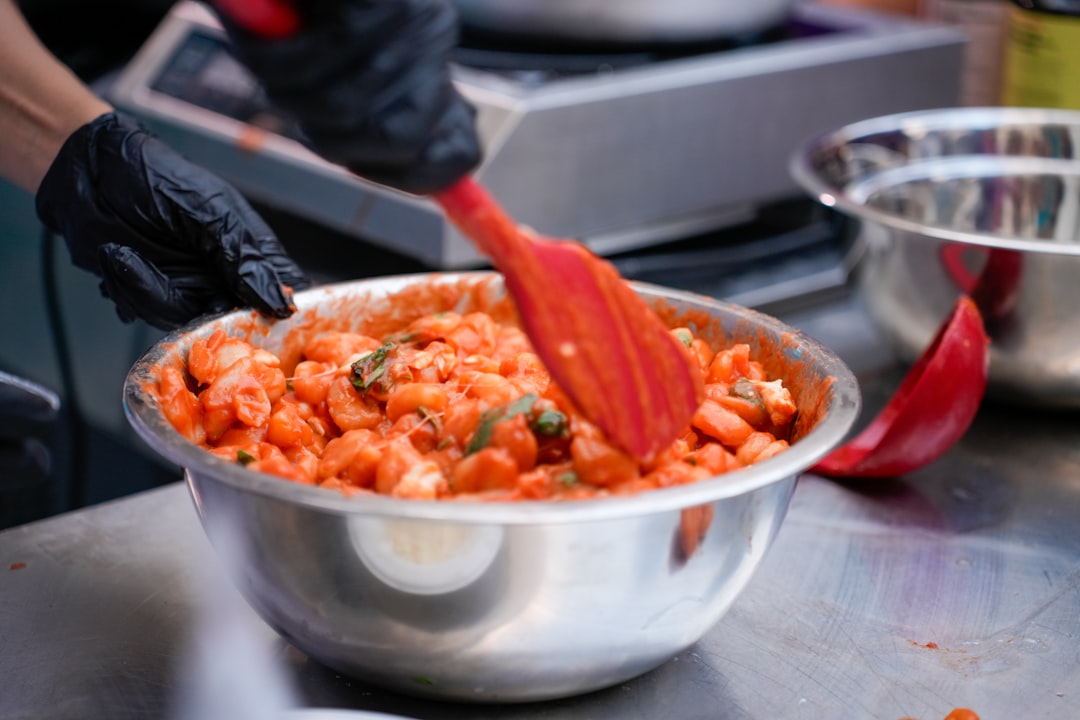
Expert perspective on tomato dishes and the Mediterranean season
The August tomato is not simply an ingredient in Mediterranean cooking. It is the organising principle of the season. Every dish built around it at this time of year reflects centuries of accumulated knowledge about when to harvest, how to prepare, and how to preserve. The cook who respects ripeness respects the entire tradition behind the plate. Across Spain, Italy, Greece, and the south of France, the late-summer kitchen exists almost entirely in service of the tomato. Professional cooks understand that no technique can compensate for fruit picked before its time. The craft begins at the market, not at the stove.
Industry perspective, culinary culture and Mediterranean gastronomy professionals
The passata ritual and the art of preservation
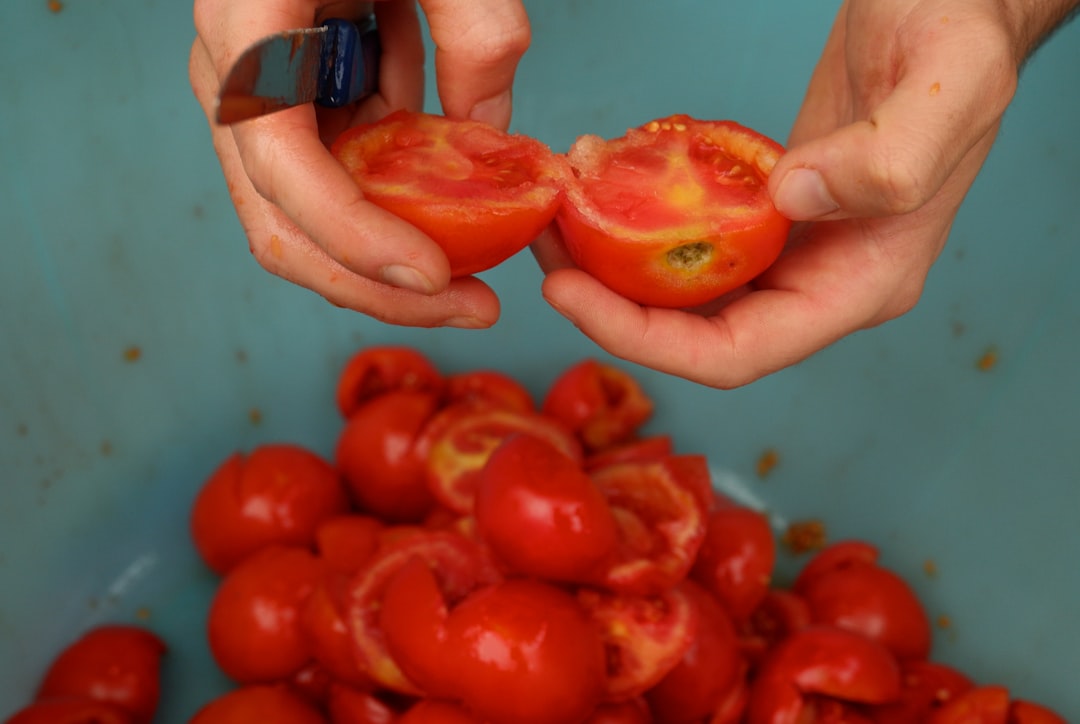
One of the most important expressions of August tomato culture is the act of preservation. In late summer, when tomatoes are at their ripest, families make large batches of fresh tomato sauce. Slightly imperfect tomatoes, often labeled as “seconds,” are particularly well suited to this purpose. In southern Italy, this process is a collective ritual that can last several days. Families press, heat, bottle, and seal hundreds of jars in a single operation.
A long, slow roast in the oven gives juicy tomatoes good caramelization and concentrates their flavor, lending sweetness to their robust, savory, and umami notes. This same principle applies to the French tian, where layered tomatoes bake slowly with courgette and herbs. The technique is different in each country, but the logic is identical: apply heat, allow moisture to reduce, and let the fruit speak.
In late summer, when tomatoes are at their ripest, a large batch of fresh tomato sauce captures the full quality of the season. The French kitchen refers to this as mise en bocaux, the careful act of sealing summer into glass. It is not convenience cooking. It is an act of precision and respect for the ingredient.






Tomato dishes define the Mediterranean table in August
August is the correct month to eat tomato dishes across the Mediterranean. The science of ripeness, the depth of cultural tradition, and the logic of classical technique all converge at this point in the calendar. In the Mediterranean culinary tradition, the tomato occupies a prominent place as one of the most versatile and flavorful ingredients, offering a wide range of possibilities from the most traditional to the most innovative preparations, and providing both freshness and nutritional value.
Seek out tomato dishes this month prepared with locally sourced, vine-ripened fruit. Visit a market, speak with a producer, and cook with the attention the season demands. Tomato dishes prepared in August carry something that no other month can offer: the full weight of the Mediterranean summer in a single bite.
Discover more about tomato dishes
- FAO FAOSTAT: Global Tomato Production Data
- Seasonal Variations in Tomato Consumption and Health Outcomes, Food & Nutrition Research 2025
- Tomato Traditions of the Mediterranean Diet, Oldways