CONTACT
  • Login
Upgrade
GUSTOwebzine
Advertisement
  • Home
    • Our Authors
    • Subscribe for Free
    • Media Kit
    • Contact
    • Terms and Conditions
    • Cookie Policy
  • Discoveries
    • Chefs
  • Culinary Culture
  • Food & Drinks
  • Cooking Tips
    • Recipes
  • GUSTO Global
  • Insights
  • GUSTO Guide
    • Hotels Worldwide
    • Nightlife Worlwide
    • Restaurants Worldwide
    • Services Worldwide
  • Home
    • Our Authors
    • Subscribe for Free
    • Media Kit
    • Contact
    • Terms and Conditions
    • Cookie Policy
  • Discoveries
    • Chefs
  • Culinary Culture
  • Food & Drinks
  • Cooking Tips
    • Recipes
  • GUSTO Global
  • Insights
  • GUSTO Guide
    • Hotels Worldwide
    • Nightlife Worlwide
    • Restaurants Worldwide
    • Services Worldwide
No Result
View All Result
GUSTOwebzine
No Result
View All Result
Home Culinary Culture

Ube purple yam: the new global flavor

From Filipino kitchens to the world's finest menus, the purple yam is rewriting the language of flavor.

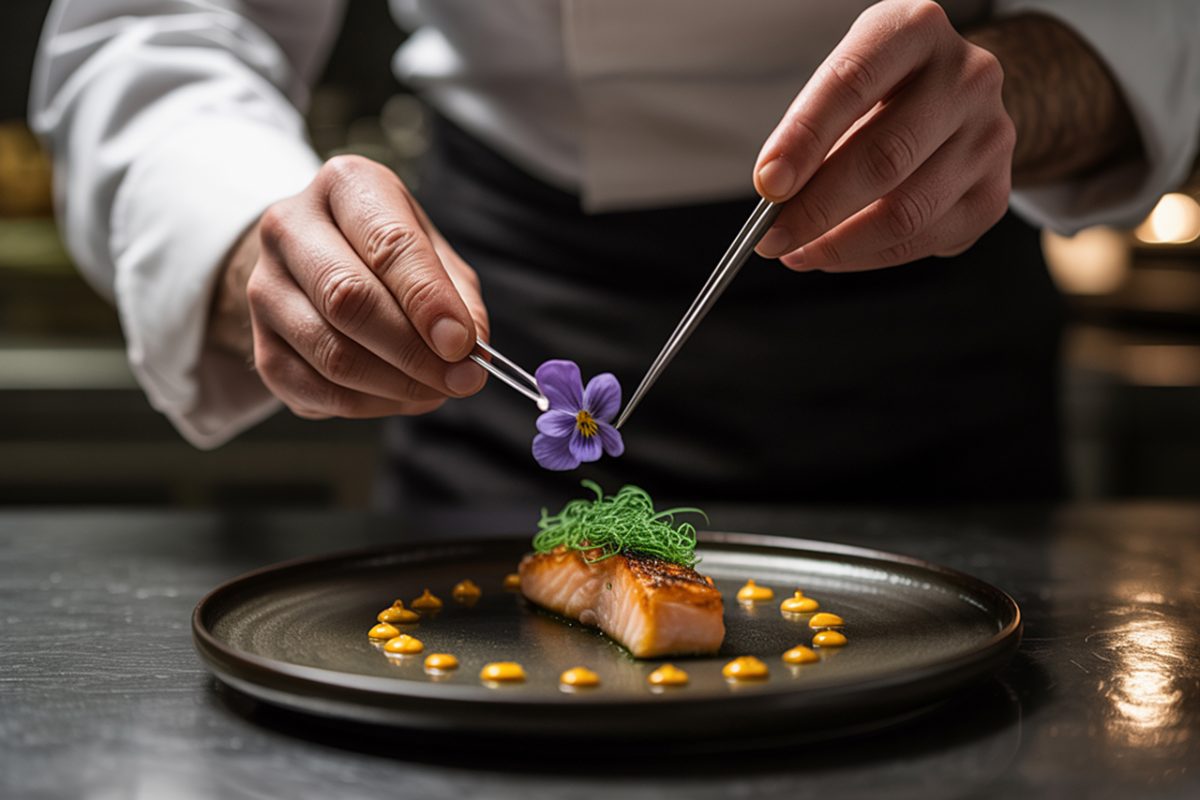
A pastry chef carefully plating an ube purple yam dessert with deep violet cream and fresh garnish in a professional kitchen

Ube, the Filipino purple yam, arrives at the global table with the quiet confidence of an ingredient that has always deserved a finer stage.

What ube is and where it comes from

Ube (pronounced OO-beh) is a species of yam, *Dioscorea alata*, native to the Philippines and other parts of Southeast Asia. It has been cultivated for centuries as both a staple food and a festive ingredient, prized for its vibrant color and naturally sweet, nutty taste. Although it is often confused abroad with taro or purple sweet potato because of its color, ube is a different crop entirely. Its intense violet flesh retains its color when cooked, making it a favorite for desserts and creative plating.

Ube is commonly associated with desserts because of its mild sweetness and distinct flavor, which some compare to vanilla, pistachio, or a combination of nutty and creamy notes. In Filipino cuisine, ube is most famously used in ube halaya, a jam made from boiled and mashed ube cooked with condensed milk and butter. This preparation serves as the base for many beloved desserts, including creamy ube ice cream paired with coconut, and halo-halo, a colorful layered dessert with shaved ice, fruits, and beans topped with ube halaya.

GUSTO guide worldwide restaurants, hotels, nightlife, professional services GUSTO guide worldwide restaurants, hotels, nightlife, professional services GUSTO guide worldwide restaurants, hotels, nightlife, professional services

For a trained cook, the ingredient presents an elegant proposition. It carries flavor without force. It colors a plate without artificial means. It brings texture to a preparation without heaviness. These are the qualities that distinguish a great pantry staple from a passing novelty.

Ube on the world stage: how the ube flavor spread

In the past year, ube has transcended Filipino culture and entered the mainstream consciousness as coffee chains and restaurants search for the next viral food and drink trend. Ube offerings have risen by 230% across restaurant menus in the United States in the past 4 years, according to food and beverage analytics firm Datassential. It currently features on the menu at 95 chains across the United States, and is predicted to grow 74% in the next 4 years.

Starbucks helped spark the trend in 2025 with limited-time offerings including an Ube Iced Coconut Latte and Ube Espresso Martini, expanding its 2026 spring lineup to include an Ube Matcha Latte and Ube Vanilla Macchiato. Peet’s Coffee also introduced an Iced Vanilla Latte with Ube Dream Top for the season. In London, ube appears in laminated pastries like ube pain au chocolat, while an ube tiramisu at restaurant Belly has been a popular fixture since the restaurant opened in 2025.

Ube innovation is also expanding in Japan through desserts, in China through pastries, and across the United States in ice cream formats. The ingredient crosses cultural borders with a naturalness that few flavors achieve. It does not demand translation. It simply performs.

The ube flavor profile and its appeal to pastry chefs

Modern pastry chefs have embraced ube for its beauty and versatility, incorporating it into macarons, cakes, lattes, and even panna cotta. In the world of fine dining, it is used to contrast neutral tones or to add a hint of sweetness to plated desserts featuring tropical fruits. Its natural sweetness allows chefs to reduce added sugar, while its velvety texture blends perfectly into puddings and custards.

The ingredient is rich in antioxidants, particularly anthocyanins, which provide the purple coloring. It is also rich in immune-boosting vitamins A and C. It aligns well with the clean-label trend and provides qualities that feel authentic rather than engineered. Ube also offers a compelling alternative to artificial food dyes, because its vivid purple color is entirely natural, which connects with consumers who scrutinize ingredient labels.

-

A woman grinding fresh cilantro and parsley in a mortar while preparing Moroccan chermoula from scratch

How to make Moroccan chermoula from scratch

21/07/2026
A chef carefully pouring chilled soups into a white bowl in a professional kitchen

This 6 chilled soups are worth making this season

17/07/2026
A man pressing flatbreads against the wall of a traditional clay oven, demonstrating the ancient craft of flatbread making.

Why flatbreads appear in every food culture on earth

16/07/2026
A spice vendor in Marrakech souk surrounded by colorful Moroccan cuisine ingredients

Moroccan cuisine: best dishes and flavors

15/07/2026
A woman carefully ladling street food pho broth into a bowl at a home kitchen counter

Street food classics from Southeast Asia

12/07/2026
A fisherman presenting a fresh catch at a coastal market, representing the seasonal freshness at the heart of coastal cuisine

Coastal cuisine lighter in midsummer

11/07/2026

Kasama, the first Michelin-starred Filipino restaurant, is known for its ube Basque cake, a popular dessert that features ube pastry cream and huckleberries. This is the kind of application that reveals ube’s true potential: a Filipino ingredient, prepared with classical French technique, achieving something wholly original.
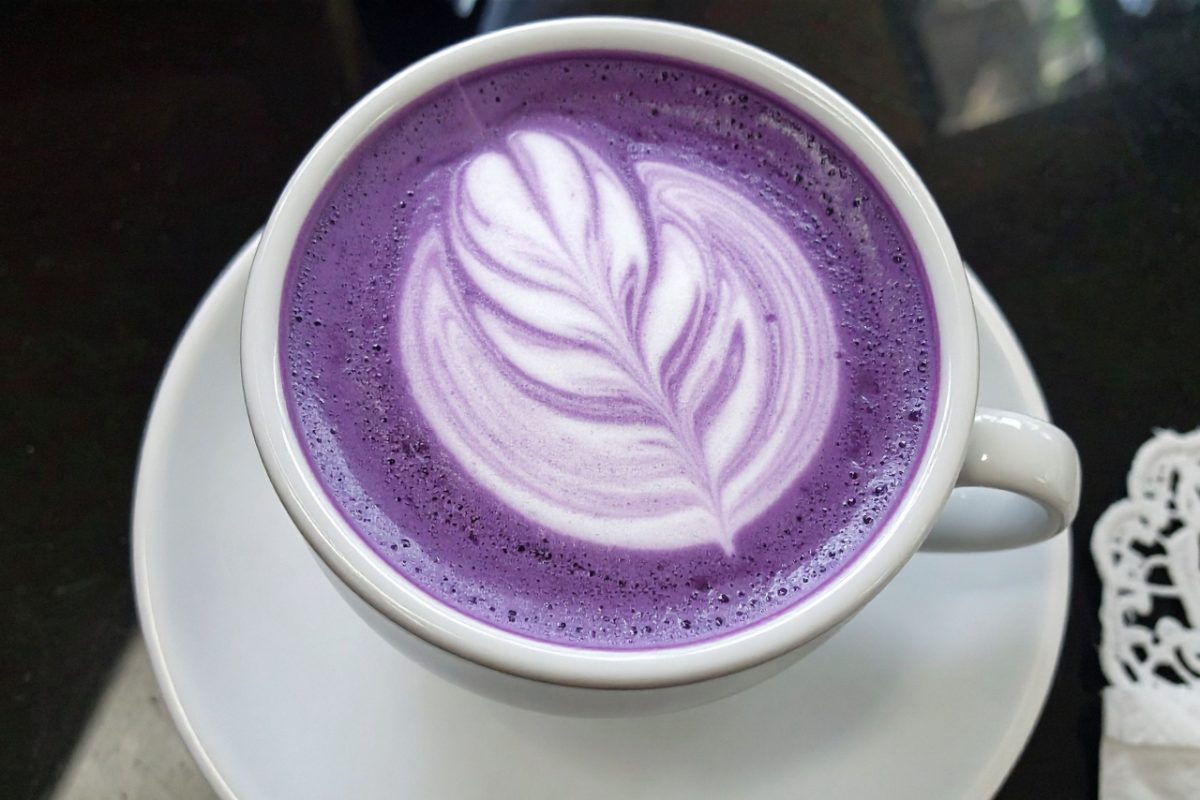
A smiling barista presenting a vivid ube purple yam latte with a rich violet swirl in a modern café setting

Expert perspective on ube

The rise of ube reflects a deeper shift in how consumers engage with flavor. People are no longer satisfied with familiar tastes. They seek ingredients that carry a story, a visual identity, and a cultural context. Ube delivers all 3. Its mild, versatile profile means it works across formats, from a morning beverage to a refined pastry course at a tasting menu. What makes it different from previous viral ingredients is that it sits comfortably in both mass-market and fine-dining environments. That dual ability is rare, and it is precisely why the food and beverage industry is treating ube not as a limited-time offer but as a permanent addition to the global pantry.

Industry perspective, food and beverage trend analysts and flavor development professionals

The supply challenge behind the ube trend

The beauty of ube on a plate comes with a responsibility. Ube has emerged as a global culinary phenomenon, with demand surging across North America, Europe, and Asia. Despite the Philippines being the world’s leading producer of fragrant, dessert-grade ube, national production has declined from more than 15,000 metric tons in 2021 to about 12,483 metric tons in 2025.

The crop’s long growth cycle of 8 to 11 months discourages farmers who prefer shorter-cycle crops with predictable returns. Planting material shortages persist because farmers sell nearly all harvests due to high prices, leaving little for replanting. Some fear ube is becoming separated from its rich Filipino cultural identity as its global commercial profile grows.

A UN Food and Agriculture Organization representative in the Philippines noted in a recent speech that ube ice cream appears in New York, ube cakes in London, and ube lattes in Tokyo, calling it “an incredible success story.” Yet that success is putting pressure on those who must ensure supply keeps pace with demand. The conscientious chef sources carefully and credits the origin. That is not a trend. That is craft.

A Filipino farmer proudly displaying freshly harvested ube purple yam roots in a sunlit field in the Philippines

Conclusion: ube deserves a permanent place at the table

Ube is more than a color or a moment on social media. It is a Filipino ingredient of great character, capable of elevating pastry, beverage, and savory preparation with equal authority. Ube is expected to grow at a compound annual growth rate of 6.9% from 2025 to 2035, according to Transparency Market Research, and the professional kitchen has every reason to take that seriously. The chefs and restaurateurs who treat ube with the same rigor they bring to any classic ingredient will find it rewards them generously. Seek out the authentic root. Learn its history. Let ube earn its place not because it photographs well, but because it cooks beautifully.

Discover more about ube

  • Purple Ube’s Viral Rise Is Turning a Filipino Staple Into a Global Trend, CNBC
  • The Next Matcha? Ube Surges in Popularity, Food Navigator
  • What Is Ube and Why Is It So Popular?, Datassential

author avatar
Claire Beaumont
Claire Beaumont grew up in Lyon's bouchon culture, where Sunday lunches lasted three hours and every dish told a story. She trained at Institut Paul Bocuse before turning to food writing, covering classical French technique, regional produce, and Europe's evolving restaurant scene. Her work is elegant, precise, and always deeply rooted in the craft behind the plate.
See Full Bio
Previous Post

Sunday roast London: 8 best spots

Next Post

Gluten-free bakeries in Dubai to visit

Related Posts

A woman grinding fresh cilantro and parsley in a mortar while preparing Moroccan chermoula from scratch
Culinary Culture

How to make Moroccan chermoula from scratch

21/07/2026
A chef carefully pouring chilled soups into a white bowl in a professional kitchen
Culinary Culture

This 6 chilled soups are worth making this season

17/07/2026
A man pressing flatbreads against the wall of a traditional clay oven, demonstrating the ancient craft of flatbread making.
Culinary Culture

Why flatbreads appear in every food culture on earth

16/07/2026
A spice vendor in Marrakech souk surrounded by colorful Moroccan cuisine ingredients
Culinary Culture

Moroccan cuisine: best dishes and flavors

15/07/2026
A woman carefully ladling street food pho broth into a bowl at a home kitchen counter
Culinary Culture

Street food classics from Southeast Asia

12/07/2026
Next Post
Female bakery worker stands behind a glass display filled with croissants and pastries in a café.

Gluten-free bakeries in Dubai to visit

Leave a Reply Cancel reply

Your email address will not be published. Required fields are marked *

Truelang AI Translations Truelang AI Translations Truelang AI Translations
No Result
View All Result

Our Focus

GUSTOwebzine is your international window on food culture: culinary lifestyle, trends, recipes and gastronomic stories for a global audience with a passion for exceptional taste.

Our Readers

GUSTOwebzine addresses readers who engage with food culture at a high level: as culinary professionals, passionate home cooks, food entrepreneurs, and tastemakers in their communities.

Our Approach

Recipes, trends, and dining culture are integrated as context and indicators of creativity, identity, and the social forces shaping how the world eats, not standalone content.

Recent Post

  • Rooftop dining in NYC worth booking now
  • Japanese food labels: hidden gluten guide

© 2026 GUSTOwebzine by NOOR & NOOR — part of WEBZINE.world.

Welcome Back!

Login to your account below

Forgotten Password?

Retrieve your password

Please enter your username or email address to reset your password.

Log In
Manage Consent
To provide the best experiences, we use technologies like cookies to store and/or access device information. Consenting to these technologies will allow us to process data such as browsing behavior or unique IDs on this site. Not consenting or withdrawing consent, may adversely affect certain features and functions.
Functional Always active
The technical storage or access is strictly necessary for the legitimate purpose of enabling the use of a specific service explicitly requested by the subscriber or user, or for the sole purpose of carrying out the transmission of a communication over an electronic communications network.
Preferences
The technical storage or access is necessary for the legitimate purpose of storing preferences that are not requested by the subscriber or user.
Statistics
The technical storage or access that is used exclusively for statistical purposes. The technical storage or access that is used exclusively for anonymous statistical purposes. Without a subpoena, voluntary compliance on the part of your Internet Service Provider, or additional records from a third party, information stored or retrieved for this purpose alone cannot usually be used to identify you.
Marketing
The technical storage or access is required to create user profiles to send advertising, or to track the user on a website or across several websites for similar marketing purposes.
  • Manage options
  • Manage services
  • Manage {vendor_count} vendors
  • Read more about these purposes
View preferences
  • {title}
  • {title}
  • {title}
No Result
View All Result
  • Home
    • Our Authors
    • Subscribe for Free
    • Media Kit
    • Contact
    • Terms and Conditions
    • Cookie Policy
  • Discoveries
    • Chefs
  • Culinary Culture
  • Food & Drinks
  • Cooking Tips
    • Recipes
  • GUSTO Global
  • Insights
  • GUSTO Guide
    • Hotels Worldwide
    • Nightlife Worlwide
    • Restaurants Worldwide
    • Services Worldwide

© 2026 GUSTOwebzine by NOOR & NOOR — part of WEBZINE.world.

Not enough quota to unlock this post
Unlock left : 0
Are you sure want to cancel subscription?
Verified by MonsterInsights
enEnglishdeDeutschesEspañolfrFrançaisitItalianoja日本語nlNederlandszh中文
No results