Summer peppers are at their most flavorful when you char them first, and every cuisine that uses them knows this well.
Why charring changes everything
Charring enhances the sweetness of summer peppers and adds a deep, smoky quality to the flesh. The raw skin is bitter and tough, but heat transforms it into something easy to remove. Roasting the peppers not only deepens the flavor but also allows you to blister and remove the thick skin.
Peppers appear in traditional cuisines around the world and are rich in vitamins and antioxidants, including vitamin C, which makes them a strong choice for a wide range of dishes. Removing the charred skin also improves texture. Peeling releases the flavor faster and improves the taste in most sauces.

How to choose your summer peppers
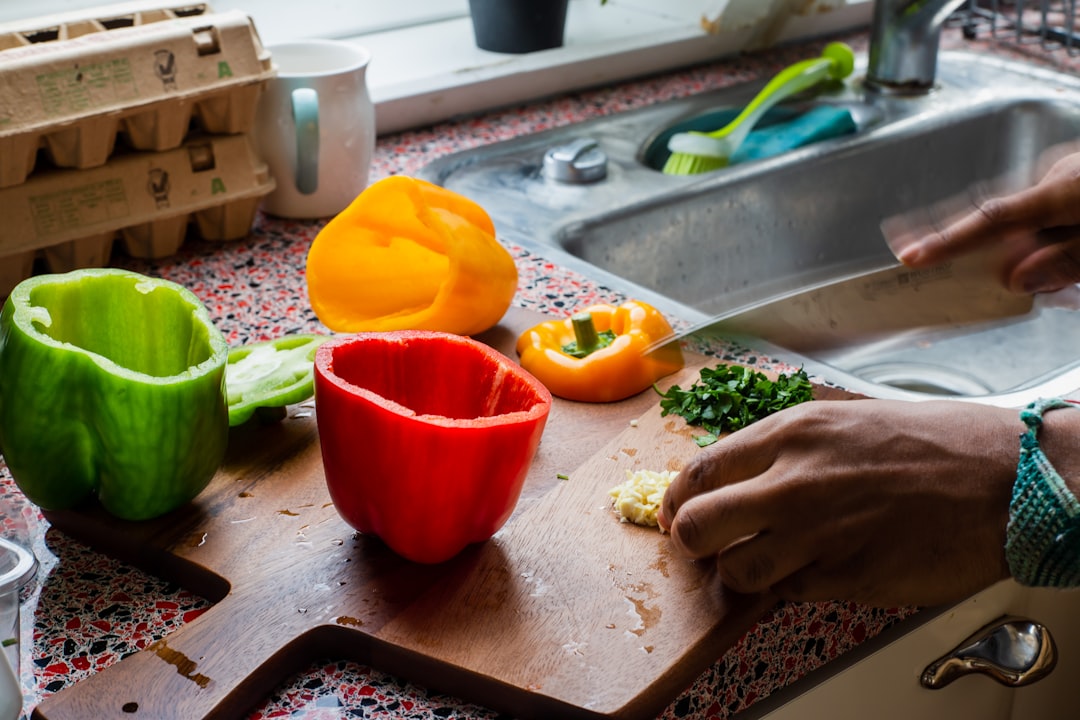
Any type of pepper works for charring, from green, red, or yellow sweet bell peppers to hot chile peppers. The key is to match the variety to your goal. Roasting for peeling works best with thicker varieties like bell peppers, where you do not risk losing the whole pepper during the process.
Select fresh peppers with smooth skin and no blemishes for easy peeling. Wash them and let them air-dry before you begin. For hot varieties, wear food-safe gloves throughout the process. If you roast hot chile peppers, wear plastic gloves when peeling them, because you cannot wash away the heat from your hands easily.
3 methods for charring summer peppers
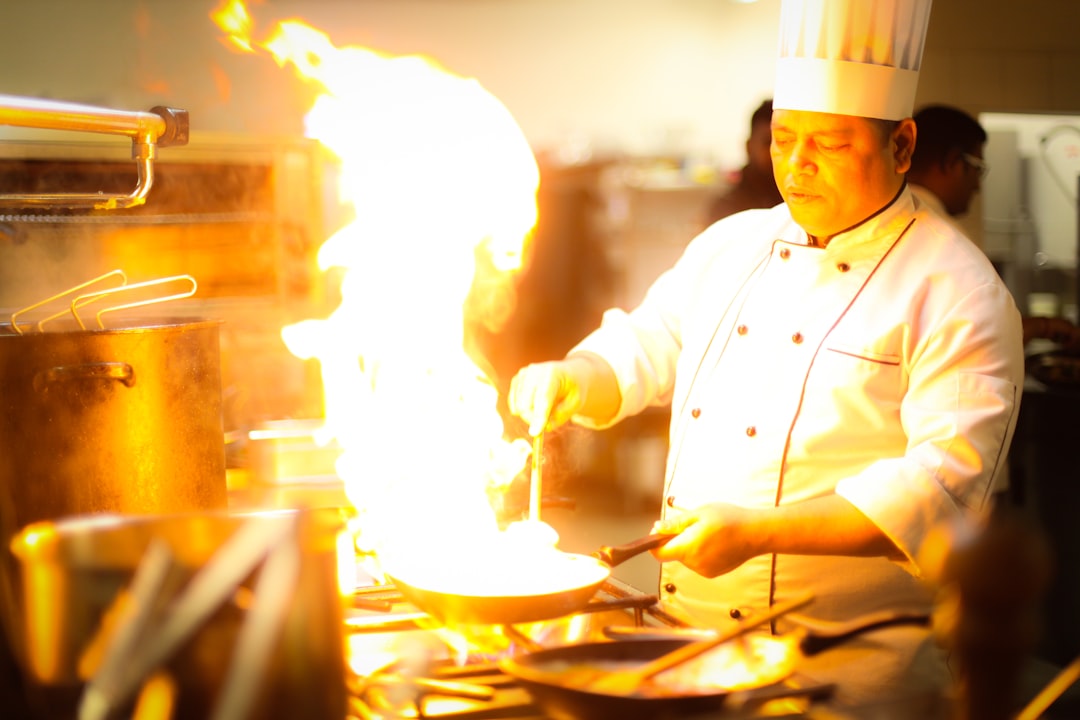
Every kitchen offers at least 1 reliable method. The grill produces the most intense smoky flavor. Over a gas stove flame, use tongs to hold individual peppers directly over the flame, cooking and turning until all sides are blackened. This stovetop method works best for 1 or 2 peppers at a time.

Under the broiler in your oven, place peppers in a single layer on a broiler pan about 15 centimeters from the heat source, then cook and turn until all sides are blackened. Do not be afraid to let the peppers get truly black during those 5 to 7 minutes. The deeper the char, the easier the skin will release later.
Use long tongs to rotate the peppers constantly for even charring, especially important for irregularly shaped peppers like jalapeños. The flesh should remain firm, not soft, when the peppers are properly charred. This tells you the inside is cooked but not overdone.
The steam step: the real secret
The steam step separates a clean peel from a frustrating one. The residual heat from the hot peppers creates steam inside an enclosed space. This steam, trapped against the skin, works by loosening the charred outer layer from the tender flesh. Leave the peppers to steam for at least 10 to 15 minutes.
Using a glass bowl rather than a metal one helps maintain a consistent steam temperature. For thicker-skinned varieties like bell peppers, always allow the full 15 minutes, as the extra time makes peeling much easier. You can also use a sealed plastic bag or a sheet of foil pressed tightly over a baking tray.
Expert perspective on summer peppers
Charring peppers is one of those techniques that feels minor but produces a major shift in a dish. When you place a pepper directly over a flame, you are doing something cooks have done for centuries across the Mediterranean, the Middle East, and Latin America. The char is not a flaw. It is the method. The skin becomes bitter and papery under heat, and removing it reveals a layer of flesh that is silky, sweet, and deeply savory all at once. That combination of smoke and sweetness is exactly what makes roasted pepper sauces so universally satisfying. A cook who masters this step can build dips, spreads, and sauces that connect directly to some of the world’s great culinary traditions.
Industry perspective, professional chefs and culinary educators specializing in global vegetable cookery
How to peel and clean your charred peppers
After steaming, the peeling process is straightforward. Allow the peppers to cool enough to handle with bare hands. Then peel off as much of the blackened skin as possible with your fingers. For tight spots, use a paring knife.






Do not worry about removing every last fleck of charred skin, as some black specks add flavor to the finished dish. Once peeled, cut the pepper open and remove the seeds and core. Rinse briefly under cool water to remove any remaining loose skin or seeds.
For storage, place the peeled peppers in an airtight container with a paper towel to absorb moisture. They keep in the refrigerator for up to 5 days, or you can freeze them for up to 3 months.
Global sauces, dips, and spreads from summer peppers
Charred and peeled summer peppers serve as the base for some of the world’s most recognized condiments. Romesco sauce is a Spanish roasted red pepper sauce that originated in the Catalan region and is used as a sauce, dip, or spread to add flavor to a wide variety of dishes. Ingredients found in most versions of romesco include roasted red peppers, garlic, paprika, nuts, and vinegar.
Muhammara is a Middle Eastern walnut and roasted red pepper dip that is savory, sweet, slightly smoky, and mildly spicy. It is closely related to Spanish romesco sauce. Originally from the Syrian city of Aleppo, this dip has moved from the Levant to many parts of the world. Both recipes begin with the same charring technique.
The resulting sauce is versatile, delicious tossed with pasta, spread on pizza dough as a flavorful base, or served as a dip with warm crusty bread. You can also blend charred peppers into hummus, baba ghanoush, or other dips for added depth and smoky character.
Conclusion: summer peppers deserve this technique
Summer peppers reward the small effort of charring and peeling with a level of flavor that no raw pepper can match. The peeled peppers have a silky texture that works perfectly in sauces, salads, or as a filling. Use summer peppers this way and you connect your cooking to traditions from Catalonia to Aleppo to the Americas. Try 1 method this week, grill, broiler, or flame, and turn the result into a sauce or dip that reflects where you want to travel next through food. Summer peppers, handled with this technique, become 1 of the most useful ingredients in any global kitchen.

Discover more about summer peppers
- FAO Home-Based Fruit and Vegetable Processing Guide
- Serious Eats: The Food Lab’s Complete Guide to Roasted Peppers
- Fine Dining Lovers: How to Skin and Peel Peppers