Stone fruit deserves more than a bowl. Across Europe and the Middle East, pastry traditions have long treated peaches, plums, cherries, and apricots as the foundation of some of the most precise and beautiful desserts in any kitchen.
What makes stone fruit ideal for baking
Stone fruit holds its shape under heat in a way that softer fruits rarely do. A ripe peach or plum releases juice as it bakes, but its flesh stays firm enough to carry structure. This quality is essential in tarts, galettes, and layered pastries where texture and form matter as much as flavour.
Classical French technique teaches cooks to work with the natural acidity of stone fruit, using it to balance sugar and fat in the dough or cream beneath. The fruit does not need disguising. It needs framing.

A well-chosen apricot or cherry tells a story of soil, climate, and timing. The cook’s role is to honour that story through correct technique.
4 recipes from Europe
France: classic cherry clafoutis. Pour a simple egg and cream batter over whole, unpitted cherries and bake in a buttered dish at 180°C. The unpitted cherry releases a faint almond note into the custard, a detail traditional recipes have always used with intention.
France: peach tarte Tatin. Caramelise sliced peaches directly in butter and sugar in an oven-safe pan. Lay a circle of puff pastry over the top and bake. Invert when golden. The caramel should be deep amber, not pale.

Italy: apricot frangipane tart. Line a tart shell with almond cream, then press halved apricots into the surface, cut side up. Bake until the frangipane rises around each fruit. The almond and apricot combination is one of the most classical in Italian pastry.
Hungary: meggyleves (chilled cherry soup served as dessert). Simmer sour cherries with sugar, cinnamon, a strip of lemon peel, and a small amount of red wine. Chill completely. Serve in small bowls with a spoon of sour cream. This dish proves that a dessert need not be baked to be precise.
4 recipes from the Middle East
Turkey: visne tatlisi (sour cherry pudding). Cook sour cherries with sugar until the mixture becomes a thick, glossy compote. Layer over a semolina-based cream, then chill. The contrast between the tart cherry layer and the neutral cream beneath is what defines the dish.




Lebanon: qatayef with plum and orange blossom. Fill the traditional folded pancakes with a plum compote scented with orange blossom water. Seal the edges and pan-fry in clarified butter. Serve with a light sugar syrup. Stone fruit gives the filling a depth that plain sugar alone cannot achieve.
Iran: peaches poached in rose water syrup. Halve firm peaches and poach them gently in a syrup of sugar, rose water, and a small amount of saffron. Serve at room temperature with crushed pistachios. The perfume of the syrup should be present but not dominant.
Morocco: plum and almond bastilla. Press a thin layer of warmed frangipane onto warmed warka pastry, add spiced plum compote, and fold into a neat parcel. Dust with icing sugar and cinnamon. This dessert version of a classical Moroccan form shows how stone fruit adapts to every pastry tradition it meets.
The craft behind the season
The window for peak stone fruit is narrow. Most varieties hold their best texture and natural sweetness for only a few weeks, which means the decision to buy and cook must be deliberate.
Stone fruit represents one of the most instructive categories for any serious cook, precisely because the margin for error is so small. When a peach or apricot is perfectly ripe, it needs almost nothing added to it. The cook’s skill shows in how much they resist adding. Classical baking traditions across Europe and the Middle East understood this intuitively. They built recipes that use butter, cream, eggs, and spiced syrups not to mask the fruit, but to extend and clarify its flavour. The desserts that endure from these traditions are the ones where the technique disappears and only the fruit remains present on the palate. That discipline is what separates a seasonal recipe from a great one.
Industry perspective, pastry and seasonal baking professionals
Selecting the right moment to buy is part of the technique. Fruit purchased 1 or 2 days before baking, allowed to ripen at room temperature away from direct sunlight, will perform better than fruit baked the same day it is bought.
Why these recipes travel well
Each of the 8 recipes above uses ingredients that are widely available: eggs, butter, sugar, cream, nuts, and spice. The specific variety of stone fruit matters less than its ripeness and condition. A good Italian apricot tart works with any tart apricot, and a French clafoutis works with any firm cherry.
Classical technique is not regional in its demands. It is universal in its standards.
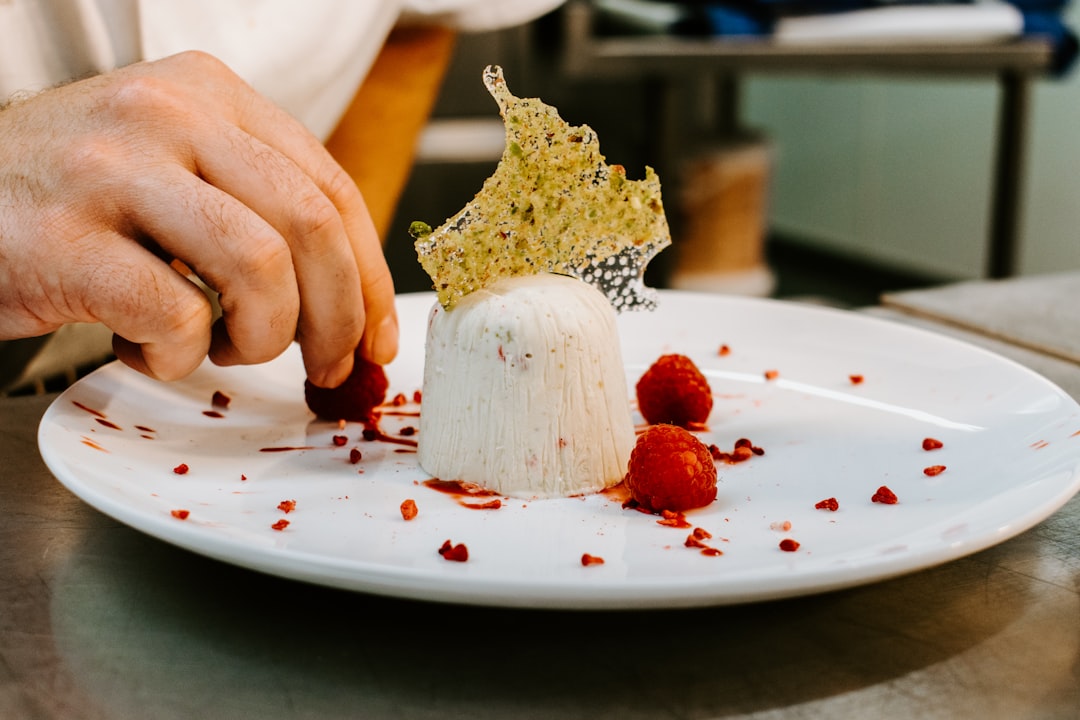
Stone fruit desserts worth making now
Stone fruit desserts from Europe and the Middle East share one discipline: restraint. The best recipes use classical method to reveal what the fruit already contains. These 8 stone fruit desserts reward careful shopping, measured technique, and an understanding that the season has an end. Select your fruit now. Bake with precision, and the result will be worth the effort.