
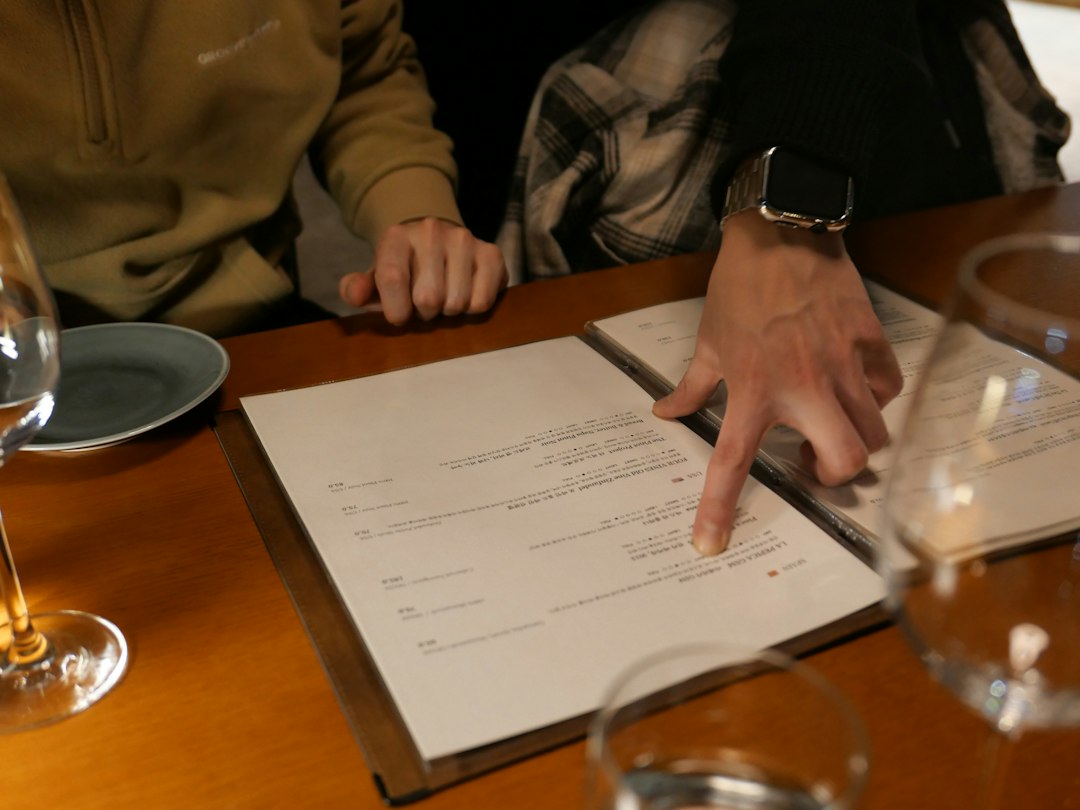
A wine list is not a test, it is a pricing document, and most diners read it like it is the first one. The real skill is not knowing vintages. It is seeing where a restaurant has built its margin and ordering around it. A server watches this happen every night: the guest who panics and grabs the second cheapest bottle often pays more than the one who asks a single direct question.
The house wine trap costs more than it looks
House wine looks like the safe, cheap choice, and restaurants place it there on purpose. If the restaurant has a "house wine," it often has a massive markup and it's usually licensed from an outside winery anyway. The jump past it is often smaller than it appears on paper.
Moving from a £30 house red to a £35 to £45 bottle can sometimes deliver a far more interesting wine without dramatically increasing the bill. A few extra pounds or dollars buys access to a different pricing tier, one with smaller producers and better allocations. Ask what sits just above the house pour before you default to it.
The second cheapest bottle is not automatically the deal
Every dining guide repeats the same rule: skip the cheapest bottle, because it is priced for guests too embarrassed to order it. Restaurants often mark up wine heavily, but the worst value isn't always the cheapest bottle. The widely repeated advice to always order the second cheapest has become its own trap, since buyers who hear the trick price that slot higher on purpose.
Colin Simpson, co-founder of bespoke wine-travel specialist Into the Vineyard, says value usually lives just off the obvious path, since many diners assume the cheapest wine is the most budget-friendly choice while restaurants often price strategically. The fix is not a position on the list. It is a question: ask the server which bottle they would order themselves at that price point.
The glass math servers rarely explain
Ordering by the glass feels like the cautious option, yet it is usually the restaurant's best margin. The most common industry approach prices each glass at the restaurant's full wholesale cost for the entire bottle, effectively recovering the bottle's cost on the very first pour. Every pour after that first glass runs close to pure profit.
A standard bottle yields four to five glasses, and by the glass pricing typically carries a 300 to 400 percent markup against 200 to 300 percent by the bottle. That spread explains why a single glass can cost nearly a third of the bottle price next to it on the same list. If you plan to drink more than two glasses, the bottle is almost always the smarter order, even if the table does not finish it.
Markup funds more than profit, and ignoring that misreads the list
The obvious objection stands: a 300 percent markup looks like simple overcharging, and diners are right to ask why a $15 bottle costs $45 on a list. Restaurants and bars average a 70% profit margin on wine, making it one of the most profitable categories on the menu, a margin that matters because the average restaurant profit margin typically falls between 3-5%, with food costs alone accounting for approximately 28-35% of total revenue. Wine is not priced generously. It is priced to keep the kitchen open.
At Apple Blossom in Denver, 60 to 70 percent of the listed menu price on a bottle of wine is markup, according to beverage director Kinga Mackowiak, who builds glassware, card fees and labor into that figure rather than treating it as pure profit. The same logic shows up in New York, where Justin Chearno of The Four Horsemen calls a 3x markup generally standard and the lowest his list can go while still earning a margin, while Kenneth Crum of Roscioli runs 2.5x and says most restaurants sit closer to 3.5x.
None of this means a given price is fair to a given diner on a given night. It means the number on the list is doing real work. A server who explains that is not defending the restaurant, they are giving the table a sharper question than simply asking why the bottle costs so much.

Say the number before you say the wine
Once the list reads as a pricing document rather than a quiz, the move at the table changes. Pointing to a wine bottle in a desired price range sets the parameters without verbally disclosing the budget, while still getting an appropriate recommendation. That single gesture, taught to diners by sommelier Baptiste Beaumard at the Michelin-starred Restaurant Daniel in New York, does more work than any grape knowledge.
Pair it with a regional swap. Looking to regions near famous benchmarks can offer similar styles at lower prices, so if a Tuscany wine made with Sangiovese grapes is a go-to, consider bottles from Umbria made from Sagrantino grapes. Lesser-known regions like Savoie, Corsica, or wines from the Mosel can provide great tasting experiences without hefty costs.
The list stops feeling like a test once it becomes two separate questions: a price you point to, and a region you are willing to trade for one you already trust. A server who hears both in the same breath will usually find the bottle that was already the deal.